

A laptop touchpad can stop working for a few common reasons, and most are easy to fix. A quick shortcut key, a restart, or a settings change often gets it working again. Dust, updates, or a disabled touchpad can also cause the problem. This guide walks through simple checks that help you find the cause and decide whether it needs a repair.
Check Whether the Touchpad Is Disabled
If your laptop touchpad suddenly stops working, start check whether it was turned off by accident, because that happens more often than most people believe.
You’re not the only one, and this quick check can save a lot of stress. Start starting for a small touchpad icon on the taskbar, in settings, or near the pad itself.
Some laptops also show a light that signals a touchpad lock. If you see one, check whether the touchpad was set to off after an accidental disable.
Next, open your device settings and confirm the touchpad toggle is on. Then clean the surface gently, because grease or moisture can confuse input.
While you’re there, review sensitivity settings too. A tiny switch, concealed setting, or palm protection feature might be the real issue today.
Re-Enable the Touchpad With Fn Keys
If your touchpad still won’t respond, check the function row for a key with a touchpad icon.
Then press that key with Fn, since many laptops use shortcuts like Fn + F6, Fn + F7, or a similar F-key to turn the touchpad back on.
If you’re not sure which key controls it, try the labeled F-keys one at a time until your cursor starts moving again.
Identify The Touchpad Key
A concealed shortcut often causes this problem, and the fix can be as simple as turning the touchpad back on with your keyboard. Before you try anything else, look closely at your top row keys. You’re searching for function key icons that look like a small touchpad, a hand, or a crossed-out rectangle. Different brands use different laptop hotkey labels, so the symbol matters more than the letter or number.
- Check F1 through F12 for a touchpad-style image.
- Look for tiny printed symbols near the key corners.
- Whether one key seems right, remember it for the next step.
This quick scan helps you feel less stuck and more in control. You’re not missing something obvious. These labels are often tiny, sneaky, and easy for anyone to overlook initially.
Use The Fn Shortcut
Start with the shortcut you just identified, then press and hold the Fn key while tapping that matching F key, such as F6, F7, or another key in the F1 to F12 row with a touchpad icon. This function key shortcut often turns the touchpad back on in seconds, so you can get moving again without feeling stuck.
If nothing happens right away, try the keyboard function keys one by one while holding Fn. Laptop brands place the touchpad toggle in different spots, so your key might surprise you.
After that, wait a moment and slide your finger across the pad. If it responds, you’re back in business. If not, repeat the shortcut once, then restart your laptop and test again. You’ve got this, and plenty of people need this quick fix too.
Restart Your Laptop to Reset the Touchpad
Sometimes a simple restart is all your laptop needs to wake the touchpad back up. When you restart, you clear small system hiccups that can block touchpad input. If a quick reboot doesn’t help, try a full power cycle by shutting down, waiting 15 seconds, and turning it back on. That gives your laptop a cleaner reboot sequence and helps reset stuck hardware behavior.
- Save your work first, then restart from the Start menu.
- If the touchpad still won’t respond, disconnect extra USB devices and restart again.
- Hold the power button for 15 seconds only if a normal restart fails, then power back on.
This step matters because you’re giving your laptop a fresh start, not fighting it. You’re not alone here. Many touchpad issues disappear after a careful restart.
Clean the Touchpad Surface
Before you dig into settings or drivers, take a close look at the touchpad itself, because dirt, skin oil, moisture, and even a few crumbs can block smooth movement or make taps fail. You’re not the only one this happens to, and the fix is often simple. Power off your laptop initially. Then use a soft, lint-free cloth to wipe away grime gently.
If the pad feels sticky, lightly dampen the cloth with water or screen-safe cleaner, not the laptop itself. Next, remove surface residue around the edges where buildup hides. Dry the area fully before turning your laptop back on.
Also check your fingers. Greasy or wet fingertips can confuse the pad. A clean touchpad gives you a fair reset, and sometimes that small step helps everything feel normal again fast.
Check Touchpad Settings in Windows
Should your touchpad still isn’t responding, check Windows settings next, because the feature might simply be turned off.
You can open Settings and make sure the touchpad option is enabled, then adjust the sensitivity so your taps and gestures register better.
Should your laptop has brand-specific touchpad settings, it’s smart to confirm those are turned on too, because one small switch can cause a big headache.
Enable Touchpad Options
- Search Mouse Properties from Start, then open your device settings tab and make sure the touchpad is enabled.
- Provided your laptop has a function key with a touchpad icon, press Fn plus that key to toggle it back on.
- Click Apply after changes, then restart your laptop to confirm everything works.
Also, wipe the touchpad gently. Dirt or moisture can make it seem broken, even whenever your settings are correct.
Adjust Sensitivity Settings
Once you’ve confirmed the touchpad is turned on, the next thing to check is its sensitivity in Windows, because a pad that feels dead may actually be set too low or blocked while you type. Open Settings, then go to Devices and Mouse & touchpad or Touchpad, depending on your version. Make sure the touchpad toggle stays on.
From there, adjust sensitivity to a higher level and test your cursor. When your laptop includes extra touchpad software, open it and look for sensitivity, Touch Guard, or palm rejection options. These can lower touchpad responsiveness so much that normal taps barely register.
You should also check whether typing disables the pad for a moment. A quick cleanup helps too, because dirt or moisture can make your touchpad feel left out, just like you do sometimes.
Check Touchpad Settings on Mac
Although a frozen touchpad can feel frustrating, your Mac’s settings are the best place to start because they often reveal a simple switch or gesture setting that got changed by accident. Open System Settings, then check mac touchpad preferences and accessibility trackpad settings so you can rule out software issues fast.
- Go to System Settings > Trackpad and confirm tapping, clicking, and tracking speed feel normal for you.
- Open Accessibility > Pointer Control and review accessibility trackpad settings, especially options that affect dragging, double-click speed, or ignore built-in trackpad behavior.
- If you use an external mouse, check whether your Mac disables the trackpad automatically once that device connects.
These quick checks help you feel back in control, and they often uncover a small setting that’s keeping your Mac from responding like your usual, reliable teammate.
Turn Off Tablet Mode or Touchpad Gestures
If your laptop is stuck in Tablet Mode, your touchpad mightn’t respond the way you expect.
You should switch Tablet Mode off and then check your touchpad gesture settings, because a wrong swipe or tap option can make it seem broken.
This quick check often saves you time and helps you get back in control fast.
Disable Tablet Mode
Because some laptops disable the touchpad while Tablet Mode or certain gesture settings are active, this is a smart place to check while the pad suddenly stops responding.
If your laptop recently switched modes, you could be handling tablet mode issues, not a broken pad. You’re not alone here, and this fix is often quick.
- Open Settings and check whether Tablet Mode is on. If it is, turn it off and test the pad again.
- Use your keyboard when needed. Some laptops include a touchpad shortcut with the Fn key and an F-key icon, so try that next.
- Restart your laptop after changing the mode. That helps Windows reload the correct input setup and bring your touchpad back into the group.
Adjust Touchpad Gestures
Once tablet mode is off and the touchpad still feels unresponsive, the next thing to check is your gesture settings, since a recent update or sensitivity change can make the pad seem broken when it’s really just misreading your taps, swipes, or palm contact.
Open Windows Settings, then go to Devices or Bluetooth and devices, and choose Touchpad. From there, review gesture customization and lower or raise sensitivity until the pad responds the way you expect.
Should two, three, or four-finger actions keep triggering accidentally, turn off some multi finger shortcuts and test again. You can also disable tap gestures for a moment to see whether palm detection is blocking normal clicks.
These small changes often bring your touchpad back into sync, so you can feel in control and comfortable using your laptop again.
Unplug Mice and USB Accessories
Before you dig into settings or drivers, unplug any USB mouse, wireless mouse receiver, docking station, and other accessories connected to your laptop. Some laptops automatically disable the touchpad whenever they detect another pointing device, so this quick step can bring it back right away. To keep troubleshooting simple, disconnect external peripherals and remove USB devices at the outset.
- Unplug everything except power, then wait a few seconds and test the touchpad.
- Whenever it starts working, reconnect accessories one at a time so you can spot the device causing the conflict.
- Check adapters, hubs, and docks too, because they can also interfere with touchpad input.
You’re not the only one this happens to. It’s a common, fixable issue, and this small reset often helps your laptop recognize the touchpad again.
Update the Touchpad Driver
| Place | What you do | Why it helps |
|---|---|---|
| Start menu | Open Device Manager | Finds touchpad hardware |
| Device list | Expand pointing devices | Shows touchpad entry |
| Touchpad item | Click Update driver | Checks for newer files |
| Windows search | Search automatically | Pulls safest match |
| Brand website | Use manufacturer driver download sources | Gets model-specific support |
After that, restart your laptop. You’re not stuck here. Many people in your spot get their touchpad working again with this simple update.
Reinstall the Touchpad Driver
If updating didn’t fix the problem, you can remove the current touchpad driver and let Windows install it again.
This gives you a clean start and often clears out glitches that keep your touchpad from responding.
If Windows doesn’t reinstall the right version, you can download the latest driver from your laptop maker and install it yourself.
Uninstall Existing Driver
When a touchpad driver gets damaged or clashes with a recent update, removing it and letting Windows install it again can often bring your cursor back to life. If you’re feeling stuck, don’t worry. You’re not the only one, and this fix is often simple.
- Open Device Manager, find your touchpad under Mice and other pointing devices, then right-click it and choose Uninstall device. These driver removal steps clear out corrupted files.
- If you also see a HID-compliant touchpad under Human Interface Devices, uninstall that too. Keep a USB mouse nearby so you stay in control.
- Next, open the Action menu and run a hardware change scan. Windows should detect the touchpad again and reload the basic driver.
If it doesn’t appear right away, restart your laptop and check Device Manager once more.
Install Latest Driver
Since Windows can reload only a basic driver after removal, the next step is to install the latest touchpad driver from your laptop maker so the pad works the way it should again. Open your browser, visit the support page for your exact model, and use manufacturer downloads instead of random driver sites. That keeps driver compatibility strong and helps you avoid glitches.
Next, install the touchpad package, restart your laptop, and test clicks, scrolling, and gestures.
When your touchpad appears under Mice and other pointing devices or Human Interface Devices, check Device Manager to confirm the new driver loaded correctly.
You can also install any related chipset or input drivers your maker lists, because they often work together.
When it still acts up, you’re not stuck. You’re following the same smart steps trusted users take every day.
Install Windows or macOS Updates
Although touchpad problems often feel like hardware trouble, installing the latest Windows or macOS updates can fix them fast through replacing buggy system files, restoring touchpad support, and correcting driver issues that appeared after an earlier update.
If a new driver didn’t help, your next move is the system updater. You aren’t alone here, and this step often brings your laptop back into sync.
- Open Windows Update or macOS Software Update, then install everything related to input devices.
- Do OS update compatibility and patch version checks so your touchpad driver matches your current system build.
- Restart after updates, then test gestures, clicking, and scrolling.
If updates recently caused the issue, install the newest patch anyway. It often repairs what the last one broke. Sometimes your touchpad just needs the right system teammate.
Check BIOS or UEFI Touchpad Settings
Although the touchpad still won’t respond after updates and driver checks, the problem could sit deeper in your laptop’s BIOS or UEFI settings, where the touchpad can be turned off at the hardware level.
To check, restart your laptop and press the setup key shown on screen, often F2, F10, Delete, or Esc. Once inside, look for BIOS touchpad settings under Advanced, Internal Devices, or Main.
From there, find any option tied to the touchpad and make sure it’s enabled. Some systems label it as Internal Pointing Device, while others use a UEFI device toggle.
Save changes, exit, and let your laptop restart normally. If you’re unsure which menu fits your model, that’s okay. You’re not stuck, and many people in the same spot fix it right here.
Test for Touchpad Hardware Damage
When the touchpad still won’t respond after you’ve checked BIOS or UEFI settings, it’s smart to look for signs of physical damage next. You’re not overthinking this. Small clues often point to a real hardware issue.
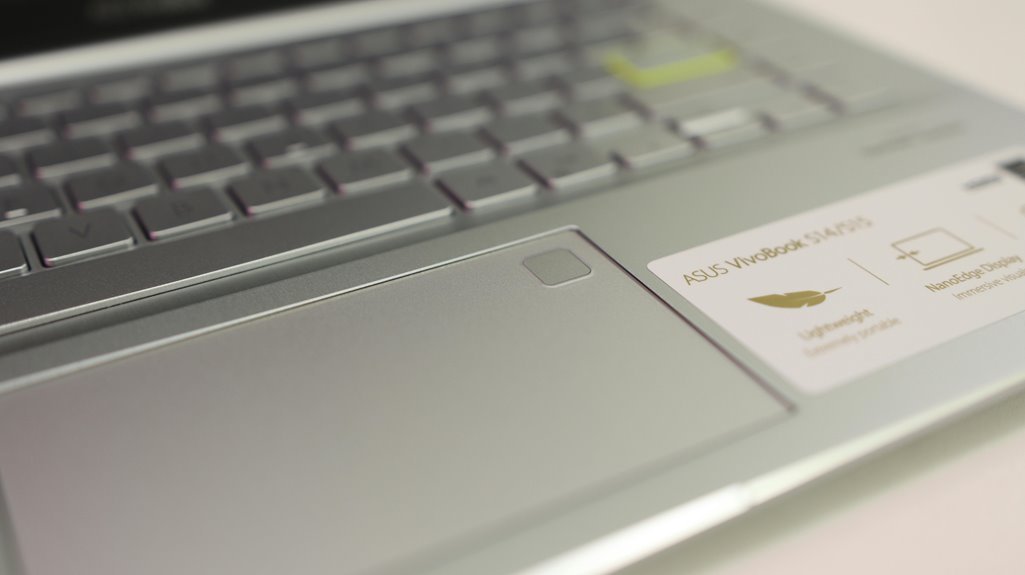
- Look closely at the touchpad surface for cracks, swelling, dents, or loose edges. Physical damage can stop clicks, movement, or gestures.
- Press around the pad gently. Provided it feels stuck, uneven, or unusually soft, internal parts may have shifted. A bulging battery can also affect touchpad function.
- Run built in hardware diagnostics from your laptop maker, whenever available. These tests can help you tell whether the problem is software related or tied to the touchpad itself.
Provided liquid spilled nearby, watch for erratic cursor jumps.
You’ve got this, and these checks help you feel confident.
Decide If the Touchpad Needs Repair
The signs you found in the last step can help you decide whether this is still a fixable software problem or a repair issue. Should your touchpad worked after driver updates, settings checks, or a restart, you’re likely dealing with software. Should it stays dead, clicks oddly, feels loose, or shows physical damage, repair becomes more likely.
Next, trust what your laptop is telling you. A careful hardware inspection can reveal cracks, swelling, stuck buttons, or a ribbon cable problem inside. Should the pointer jumps, freezes, or ignores taps after every fix, you’ve done your part. At that point, getting a repair estimate makes sense. You’re not giving up. You’re taking the smart next step, just like other laptop owners do once a touchpad stops being part of the team.
Frequently Asked Questions
Can a Laptop Touchpad Stop Working After a Battery Replacement?
Yes, a laptop touchpad can stop working after a battery replacement because of hardware compatibility problems, a loose internal connection, or damage to the ribbon cable. Start by inspecting the connections carefully and then restart the laptop.
Why Does the Touchpad Lag Only While Charging?
Your touchpad slows down while charging because electrical noise from the charger or poor grounding can interfere with its input signals. Try a different charger, plug into another outlet, or update the touchpad drivers. This issue is fairly common.
Can Antivirus or Third-Party Software Disable the Touchpad?
Yes, antivirus settings and software conflicts can disable a touchpad. Check your security software, startup programs, and any recently installed apps, since they may be causing the issue. This is a common problem, and in many cases it can be resolved with a few settings changes.
Does a Swollen Battery Affect Touchpad Performance?
Yes. A swollen battery can cause touchpad problems because it pushes against the laptop chassis and changes how the touchpad sits or clicks. This pressure can make the touchpad feel stiff, uneven, or unresponsive. Stop using the laptop, back up your files, and replace the battery as soon as possible.
How Do I Use the Laptop Without a Touchpad Temporarily?
Use your laptop immediately with a USB or Bluetooth mouse, or control it with the keyboard alone. Press Tab, the arrow keys, Enter, and keyboard shortcuts to move around and keep working.