
You do not need a desktop to get smooth Call of Duty performance in 2026.
The right gaming laptop can deliver fast frame rates, solid cooling, and the display speed you need to stay competitive.
In this guide you will find seven strong picks, from the ASUS ROG Strix G16 to value-focused Nitro V models, and you will also learn what really matters before you choose one.
| ASUS ROG Strix G16 Gaming Laptop (2025) | 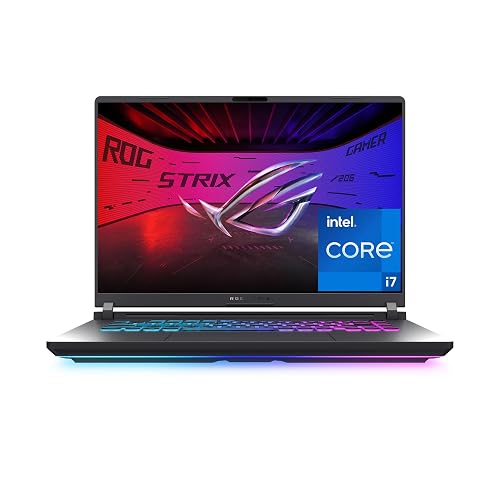 | Best Overall | Operating System: Windows 11 Home | Graphics Card: RTX 5060 | Display Size: 16-inch | VIEW LATEST PRICE | Read Our Analysis |
| ASUS TUF Gaming F16 Laptop (i5 RTX 5050) | 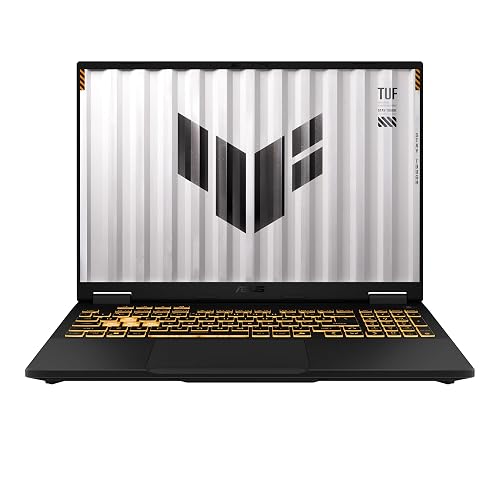 | Best Value | Operating System: Windows 11 Home | Graphics Card: RTX 5050 | Display Size: 16-inch | VIEW LATEST PRICE | Read Our Analysis |
| HP Victus 15.6″ FHD 144Hz Gaming Laptop RTX 4050 | 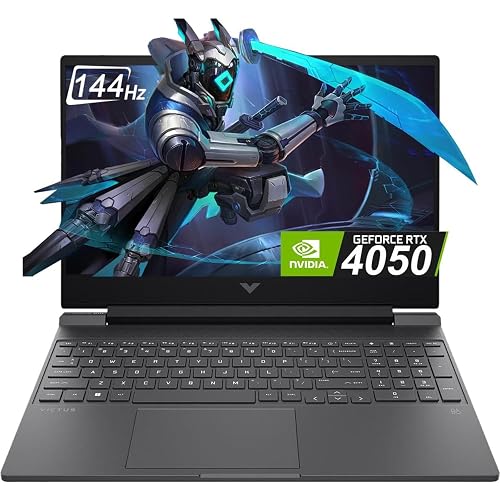 | Budget-Friendly Pick | Operating System: Windows 11 Home | Graphics Card: RTX 4050 | Display Size: 15.6-inch | VIEW LATEST PRICE | Read Our Analysis |
| ASUS TUF Gaming A17 Laptop (FA706NF-RS51) | 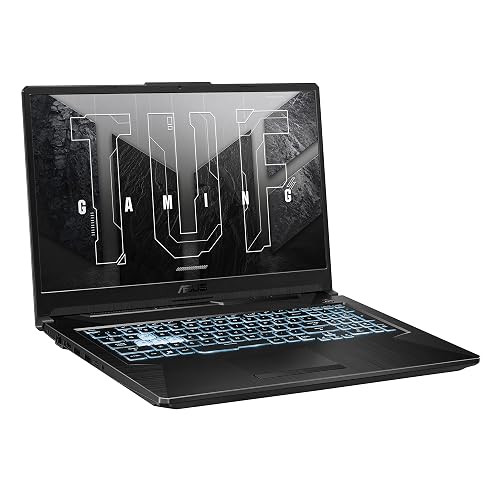 | Best Big-Screen | Operating System: Windows 11 | Graphics Card: RTX 2050 | Display Size: 17.3-inch | VIEW LATEST PRICE | Read Our Analysis |
| Acer Nitro V Gaming Laptop (ANV15-51-73B9) | 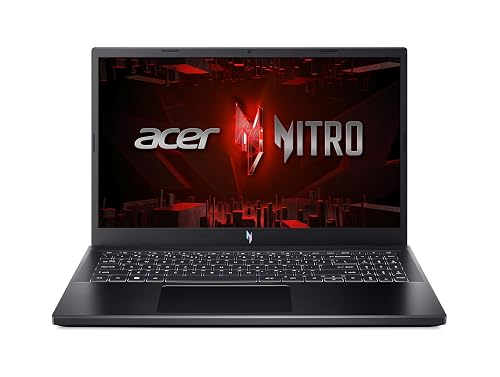 | Best Portable | Operating System: Windows 11 Home | Graphics Card: RTX 4050 | Display Size: 15.6-inch | VIEW LATEST PRICE | Read Our Analysis |
| Acer Nitro V Gaming Laptop (ANV15-52-586Z) | 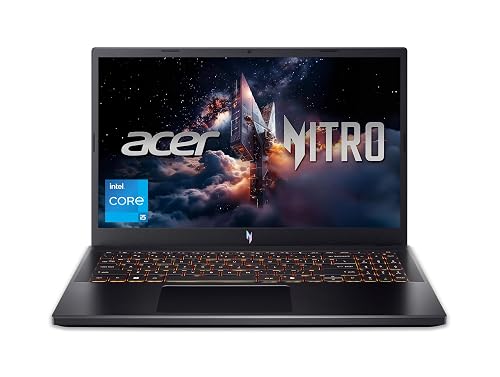 | Best Mid-Range | Operating System: Not specified | Graphics Card: RTX 4050 | Display Size: 15.6-inch | VIEW LATEST PRICE | Read Our Analysis |
| Acer Nitro V Gaming Laptop (ANV15-52-76NK) | 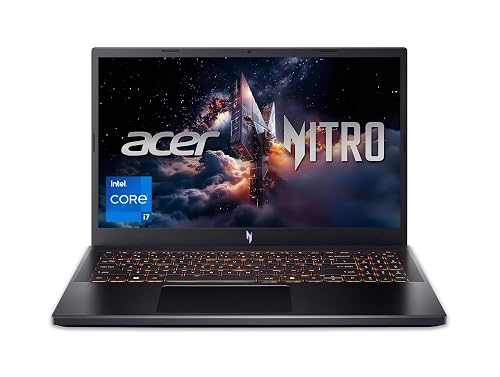 | Best Performance | Operating System: Windows 11 Home | Graphics Card: RTX 4050 | Display Size: 15.6-inch | VIEW LATEST PRICE | Read Our Analysis |
More Details on Our Top Picks
ASUS ROG Strix G16 Gaming Laptop (2025)
If you want a Call of Duty laptop that balances fast competitive performance with smooth visuals, the ASUS ROG Strix G16 Gaming Laptop (2025) is a strong pick. You get an Intel Core i7-14650HX, RTX 5060 graphics, 16GB DDR5 memory, and a 1TB PCIe Gen 4 SSD for quick load times and steady multitasking. Its 16-inch 165Hz Nebula display with 3ms response keeps motion sharp, while ROG Intelligent Cooling helps sustain performance. You also get Wi-Fi 7, Thunderbolt, HDMI, Dolby Atmos, and tool-free upgrade access.
- Operating System:Windows 11 Home
- Graphics Card:RTX 5060
- Display Size:16-inch
- Refresh Rate:165Hz
- Memory:16GB DDR5
- Storage:1TB SSD
- Additional Feature:Wi‑Fi 7 support
- Additional Feature:Vapor chamber cooling
- Additional Feature:360° RGB light bar
ASUS TUF Gaming F16 Laptop (i5 RTX 5050)
The ASUS TUF Gaming F16 with Intel Core i5-13450HX and RTX 5050 is a strong fit if you want a Call of Duty laptop that balances solid performance with a smoother competitive edge. You get a 115W GPU, NVIDIA Advanced Optimus, and Windows 11 Home, so gameplay stays responsive. Its 16-inch FHD+ 165Hz display has a 16:10 aspect ratio, 100% sRGB coverage, and Adaptive-Sync to help cut lag, tearing, and stutter. The TUF chassis looks clean, and MIL-STD-810H testing means it can handle rough use. Improved cooling from dual Arc Flow fans keeps temperatures and noise down.
- Operating System:Windows 11 Home
- Graphics Card:RTX 5050
- Display Size:16-inch
- Refresh Rate:165Hz
- Memory:Not specified
- Storage:Not specified
- Additional Feature:Max TGP 115W
- Additional Feature:MIL-STD-810H tested
- Additional Feature:Adaptive-Sync display
HP Victus 15.6″ FHD 144Hz Gaming Laptop RTX 4050
HP Victus 15.6″ FHD 144Hz Gaming Laptop RTX 4050 is a solid pick for Call of Duty players who want smooth 1080p gameplay without overspending. It features a 15.6-inch FHD IPS display with a 144Hz refresh rate, so fast movements stay crisp and responsive. The 13th Gen Intel Core i5-13420H and RTX 4050 with 6GB GDDR6 deliver strong entry-level gaming performance. With 16GB DDR4 RAM and a 512GB PCIe Gen4 NVMe SSD, you can load matches quickly, keep multitasking smooth, and jump into Windows 11 Home gaming right away.
- Operating System:Windows 11 Home
- Graphics Card:RTX 4050
- Display Size:15.6-inch
- Refresh Rate:144Hz
- Memory:16GB DDR4
- Storage:512GB SSD
- Additional Feature:IPS micro-edge display
- Additional Feature:Anti-glare screen
- Additional Feature:6GB GDDR6 VRAM
ASUS TUF Gaming A17 Laptop (FA706NF-RS51)
ASUS TUF Gaming A17 Laptop (FA706NF-RS51) stands out for Call of Duty players who want a large 17.3-inch 144Hz display, solid Ryzen 5 performance, and a budget-friendly RTX 2050 setup. It ships with Windows 11, an AMD Ryzen 5 7535HS, and a 60W RTX 2050 that handles competitive play well. Its 8GB DDR5 memory and 512GB PCIe 4.0 SSD keep load times quick, and extra SSD slots let you expand storage later. Adaptive-Sync reduces tearing, and the Arc Flow fans help cool long sessions. Wi-Fi 6, MIL-STD-810H durability, and Game Pass add further value.
- Operating System:Windows 11
- Graphics Card:RTX 2050
- Display Size:17.3-inch
- Refresh Rate:144Hz
- Memory:8GB DDR5
- Storage:512GB SSD
- Additional Feature:17.3-inch display
- Additional Feature:Additional SSD slots
- Additional Feature:Wi‑Fi 6 support
Acer Nitro V Gaming Laptop (ANV15-51-73B9)
If you want a solid Call of Duty laptop that pairs smooth 144Hz gameplay with real 1080p performance, the Acer Nitro V 15 (ANV15-51-73B9) is a strong fit. It comes with an Intel Core i7-13620H, an RTX 4050 with 6GB GDDR6, and DLSS 3 support for steadier frame rates. The 15.6-inch Full HD IPS display keeps action sharp, while 16GB of DDR5 RAM and a 512GB Gen 4 SSD help everything load fast. You can also count on Wi-Fi 6, Thunderbolt 4, HDMI 2.1, and a backlit keyboard.
- Operating System:Windows 11 Home
- Graphics Card:RTX 4050
- Display Size:15.6-inch
- Refresh Rate:144Hz
- Memory:16GB DDR5
- Storage:512GB SSD
- Additional Feature:Thunderbolt 4 port
- Additional Feature:Gigabit Ethernet
- Additional Feature:No webcam
Acer Nitro V Gaming Laptop (ANV15-52-586Z)
The Acer Nitro V Gaming Laptop (ANV15-52-586Z) is a strong pick for Call of Duty players who want fast, responsive gameplay, and it offers room for streaming or multitasking. You get an Intel Core i5-13420H and an RTX 4050 with DLSS 3.5, AI-enhanced ray tracing, and 194 AI TOPS for sharp visuals. The 15.6-inch Full HD IPS screen runs at 165Hz, so movement looks smooth and clear. With 8GB of DDR5 RAM, a 512GB PCIe Gen 4 SSD, Wi-Fi 6, Killer Ethernet, and Thunderbolt 4, you can play, connect, and upgrade with confidence.
- Operating System:Not specified
- Graphics Card:RTX 4050
- Display Size:15.6-inch
- Refresh Rate:165Hz
- Memory:8GB DDR5
- Storage:512GB SSD
- Additional Feature:Killer Ethernet E2600
- Additional Feature:AI-enhanced ray tracing
- Additional Feature:Heavy multitasking support
Acer Nitro V Gaming Laptop (ANV15-52-76NK)
With an Intel Core i7-13620H and GeForce RTX 4050 GPU, the Acer Nitro V (ANV15-52-76NK) is a strong pick for Call of Duty players who want smooth 1080p gameplay without overspending. You get 16GB of DDR5 RAM, a 1TB Gen 4 SSD, and DLSS 3.5 support for responsive load times and sharper performance. The 15.6-inch Full HD IPS screen runs at 165Hz, so you will track fast action more easily. Wi-Fi 6, Thunderbolt 4, and Killer Ethernet keep you connected, and the backlit keyboard with numeric keypad helps during long sessions.
- Operating System:Windows 11 Home
- Graphics Card:RTX 4050
- Display Size:15.6-inch
- Refresh Rate:165Hz
- Memory:16GB DDR5
- Storage:1TB SSD
- Additional Feature:300 nits brightness
- Additional Feature:Numeric keypad
- Additional Feature:5-hour battery life
Factors to Consider When Choosing Gaming Laptops For Call Of Duty
When choosing a gaming laptop for Call of Duty, prioritize GPU performance and CPU speed first, as they enable smooth gameplay and fast response times. You should also choose a display with a high refresh rate so action appears crisp and remains fluid during intense matches. Ensure you have sufficient RAM and storage capacity to keep the game running well and accommodate updates, maps, and other files.
GPU Performance
For Call of Duty, build your GPU to keep frame rates high at 1080p or 1200p, because smooth, responsive gameplay matters more than chasing ultra-high resolution. Choose a recent midrange architecture that supports AI upscaling and frame generation, since those features can boost perceived performance without making the action feel sluggish. Aim for at least 6 GB of dedicated VRAM, because modern maps, textures, and effects can outgrow smaller memory pools. Also check the GPU power limit; a higher wattage version of the same chip can run much faster than a capped model. If you plan to use a 144 Hz or 165 Hz monitor, pick a GPU that can consistently push beyond 144 FPS.
CPU Speed
CPU speed matters in Call of Duty because fast matches reward quick frame generation and steady multitasking. Prioritize a laptop CPU with strong boost clocks and solid multi-core output so your system can keep up when fights get hectic. Aim for chips that can hit about 4.9 GHz to 5.2 GHz at peak, since higher max speed can help cut frame-time spikes in demanding moments. A processor with 10 to 16 cores gives you extra room for streaming, recording, and other background tasks without slowing gameplay. HX-class mobile CPUs usually outperform lower power options because they sustain higher speeds longer. For the best long-session consistency, pick a chip that holds its speed under real cooling, not just one with an impressive advertised clock.
Display Refresh Rate
A high refresh rate can make a real difference in Call of Duty, especially if you are chasing smoother motion and cleaner target tracking. You will notice that 165 Hz panels keep movement looking fluid, which can help you follow enemies and manage recoil more easily than 144 Hz or lower screens. Even a 144 Hz display still feels far more responsive than a standard 60 Hz panel, reducing blur when you swing around quickly or snap to a target. Pair that with a low response time, such as 3 ms, and you will reduce ghosting in fast action. Remember that your laptop needs to push enough frames per second to match the display, otherwise the advantage shrinks. In competitive matches, that extra smoothness can provide a useful edge.
RAM Capacity
Once the display is handling fast action smoothly, RAM becomes the next thing to check for consistent Call of Duty performance. Treat 16GB as the practical minimum, because it lets you run the game and background apps without constant slowdowns. An 8GB laptop can still launch the game, but you will notice more stutter when you multitask or load large maps. If you stream, record, or keep chat and browser tabs open, 32GB gives you more breathing room. Also look for two RAM slots, since they make future upgrades easier. DDR5 memory, especially around 5600MHz, can feel more responsive than older DDR4 setups, helping your system stay snappy during hectic matches and quick menu changes.
Storage Space
Storage space matters just as much as RAM for Call of Duty, so plan for at least a 512 GB SSD to keep the game, updates, and other essentials from filling the drive too quickly. A 1 TB SSD provides more room for other large games, texture packs, and future patches, so you will not have to delete files constantly. Choose NVMe PCIe Gen 4 storage if possible, because it loads maps and assets faster than older drives. If you record gameplay or save clips locally, extra capacity becomes even more useful. Also look for laptops with two M.2 slots or another expansion slot, because that makes future upgrades easier as game installs grow.
Cooling Efficiency
Along with sufficient storage, pay close attention to cooling efficiency, because Call of Duty can push a laptop hard for long stretches. Choose advanced cooling hardware such as vapor chambers, multiple fans, and full-width heatsinks, since these components keep temperatures steadier during long matches. This matters even more when you use a high-power GPU or a high-core-count CPU, especially in 115W graphics laptops. Look for enlarged vents and optimized fan blades, as they improve airflow, reduce noise, and help prevent thermal throttling. Materials like liquid metal or stronger thermal interfaces can also move heat away faster. When a laptop stays cooler, it can hold boost clocks longer, so you get smoother frame rates and fewer performance drops in fast-paced firefights.
Port Selection
Ports matter more than they might seem, especially when you are setting up for Call of Duty. You will want at least one high-speed display option, like HDMI 2.1 or Thunderbolt 4, so you can hook up a monitor with low latency and high refresh rates. Make sure the laptop has multiple USB ports, because your mouse, headset, external storage, and capture gear can add up fast. USB-C ports that handle video output, data transfer, and power delivery are especially handy, since they cut cable clutter and keep your setup flexible. An Ethernet port helps you stay on a stable connection during competitive matches. If you use controllers, microphones, or external drives, aim for six to nine total ports for a smoother, more complete setup.
Frequently Asked Questions
Which Laptop Offers the Best Battery Life for Call of Duty Sessions?
You’ll want the ASUS ROG Zephyrus G14; it sips power like a hummingbird, giving you the best battery life for Call of Duty sessions while still delivering strong performance, portability, and reliable all-day gaming.
Can These Laptops Handle 4K Gameplay Smoothly in Call of Duty?
Not all laptops can. You need a high-end GPU, strong cooling, and often DLSS or reduced settings to play Call of Duty smoothly at 4K. Midrange laptops usually struggle, especially in intense multiplayer.
Which Model Is Best for Competitive Multiplayer at 240HZ?
For 240Hz, choose the Lenovo Legion Pro 7i. It delivers high, steady frame rates and low latency, so you react faster and win more gunfights.
Do Any of These Laptops Support Easy RAM or Storage Upgrades?
Yes. Many gaming laptops allow upgrades to RAM and storage, but it depends on the specific model. Check for accessible SO-DIMM slots and M.2 bays, since some ultra-thin systems do not support easy upgrades.
Which Laptop Stays Coolest During Long Call of Duty Matches?
Choose a laptop with the strongest cooling, typically one with a thicker chassis and larger fans. It will stay cooler during long matches; slimmer models heat up like a stove and throttle sooner.