
You probably do not realize that some of the best gaming performance now comes from cards and laptops that balance raw power with portability. If you want smooth high refresh play, better VRAM, or an external GPU setup, the right pick changes everything.
From RTX and Radeon options to compact budget cards and a capable gaming laptop, you have more than one smart path, and the best one may not be the obvious choice.
| ASUS ROG XG Mobile External Graphics Card (GC34R-050) | 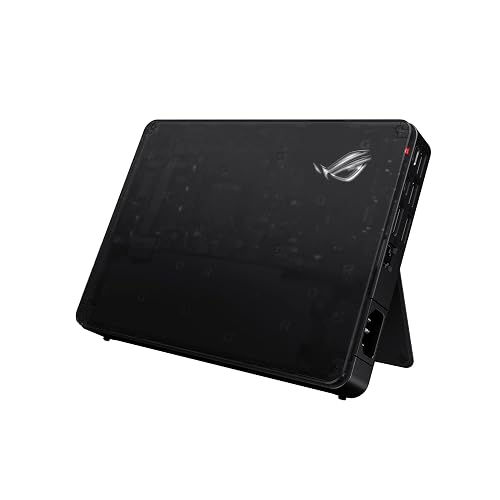 | Ultimate External GPU | GPU Model: RTX 5070 Ti | VRAM: 12 GB GDDR7 | Display Outputs: 3x 4K / 8K support | VIEW LATEST PRICE | Read Our Analysis |
| Acer Nitro V Gaming Laptop (ANV15-51-51H9) | 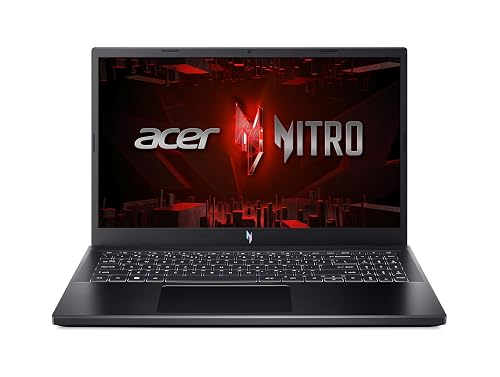 | Best Gaming Laptop | GPU Model: RTX 4050 Laptop GPU | VRAM: 6 GB GDDR6 | Display Outputs: HDMI 2.1, Thunderbolt 4 | VIEW LATEST PRICE | Read Our Analysis |
| GIGABYTE Radeon RX 9060 XT Gaming OC Graphics Card | 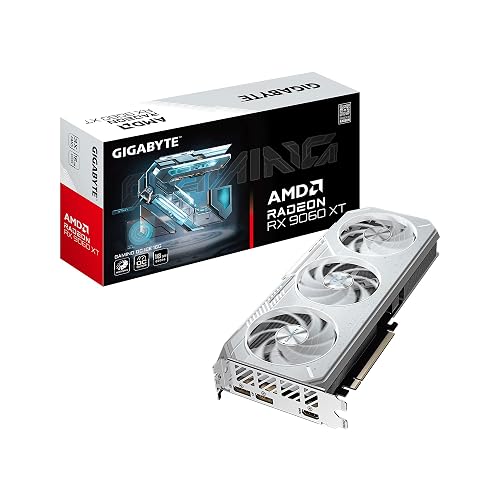 | Best AMD Midrange | GPU Model: Radeon RX 9060 XT | VRAM: 16 GB GDDR6 | Display Outputs: DP 2.1a + HDMI 2.1b | VIEW LATEST PRICE | Read Our Analysis |
| ASUS Prime GeForce RTX 5070 Graphics Card | 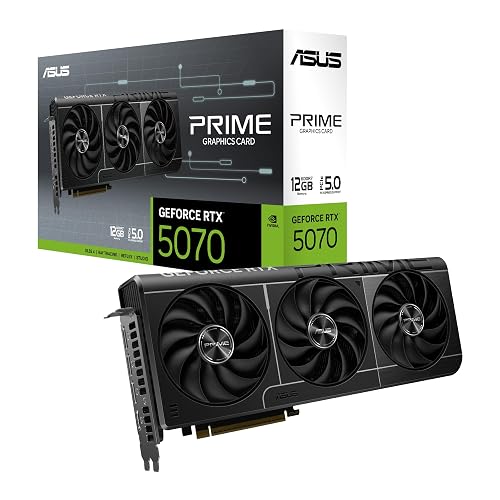 | Best SFF Card | GPU Model: RTX 5070 | VRAM: 12 GB GDDR7 | Display Outputs: HDMI 2.1b + 3x DP 2.1b | VIEW LATEST PRICE | Read Our Analysis |
| MOUGOL AMD Radeon RX 580 Gaming Graphics Card | 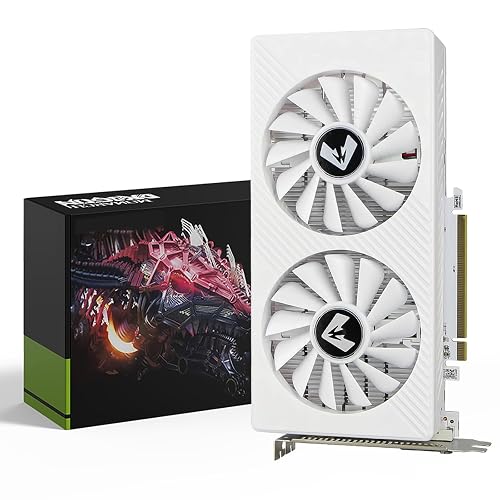 | Best Budget AMD | GPU Model: Radeon RX 580 | VRAM: 8 GB GDDR5 | Display Outputs: DP / HDMI / DVI | VIEW LATEST PRICE | Read Our Analysis |
| MSI GeForce GT 1030 4GB Graphics Card | 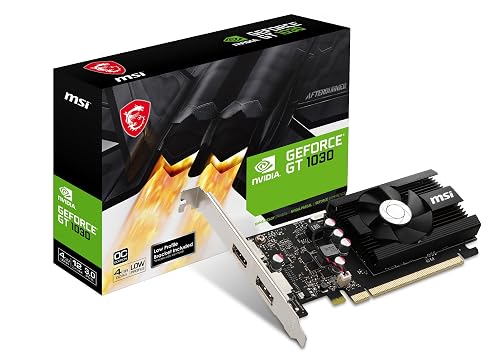 | Best Entry-Level | GPU Model: GT 1030 | VRAM: 4 GB DDR4 | Display Outputs: DP 1.4a + HDMI 2.0b | VIEW LATEST PRICE | Read Our Analysis |
| ASRock Intel Arc B580 Challenger 12GB Graphics Card | 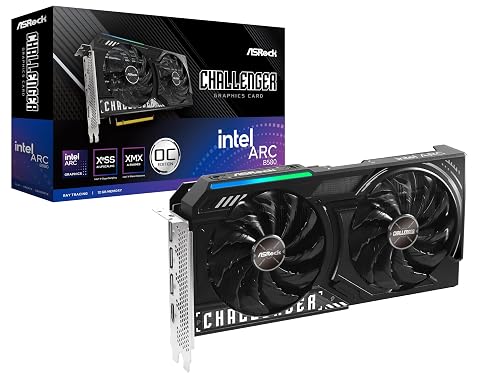 | Best 1440p Pick | GPU Model: Intel Arc B580 | VRAM: 12 GB GDDR6 | Display Outputs: 3x DP 2.1 + HDMI 2.1a | VIEW LATEST PRICE | Read Our Analysis |
More Details on Our Top Picks
ASUS ROG XG Mobile External Graphics Card (GC34R-050)
If you want desktop-class gaming power without giving up laptop portability, the ASUS ROG XG Mobile (2025) GC34R-050 is a standout pick. You get an external RTX 5070 Ti with 12 GB GDDR7 VRAM, plus Thunderbolt 5 and PCIe connectivity for fast, flexible expansion. It can drive up to three 4K displays at 144 Hz, and it also supports 8K video, so you can game, edit, and multitask with ease. ASUS also added a redesigned vapor chamber, lighter ultra-thin fins, and Aura Sync RGB, keeping this dock compact, cool, and ready for serious performance.
- GPU Model:RTX 5070 Ti
- VRAM:12 GB GDDR7
- Display Outputs:3x 4K / 8K support
- PCIe Interface:PCIe / Thunderbolt 5
- Cooling:Vapor chamber
- Warranty:1 year
- Additional Feature:Thunderbolt 5 dock
- Additional Feature:120 Gbps throughput
- Additional Feature:Aura Sync RGB
Acer Nitro V Gaming Laptop (ANV15-51-51H9)
The Acer Nitro V Gaming Laptop (ANV15-51-51H9) is a smart pick for gamers who want RTX 4050 performance without jumping to a much pricier machine. It features a 13th Gen Core i5-13420H, 8 GB of DDR5, and a 512 GB PCIe Gen4 SSD, so everyday play feels responsive. The 15.6-inch Full HD IPS display runs at 144 Hz, and the RTX 4050 with DLSS 3 helps produce smoother frame rates. Memory can be upgraded later. Thunderbolt 4, HDMI 2.1, Wi-Fi 6, and dual fans complete the package.
- GPU Model:RTX 4050 Laptop GPU
- VRAM:6 GB GDDR6
- Display Outputs:HDMI 2.1, Thunderbolt 4
- PCIe Interface:Thunderbolt 4
- Cooling:Dual fans
- Warranty:1 year
- Additional Feature:144Hz Full HD display
- Additional Feature:Wi-Fi 6 support
- Additional Feature:Windows 11 Home
GIGABYTE Radeon RX 9060 XT Gaming OC Graphics Card
Need a desktop-class GPU for a portable gaming setup that still pushes high settings and delivers smooth frame rates? The GIGABYTE Radeon RX 9060 XT Gaming OC offers 16GB of GDDR6 on a 128-bit bus, PCIe 5.0 support, and AMD Smart Access Memory compatibility, making it a strong AM5 pairing with Ryzen 9000 series CPUs. It also includes AI-enabled features and a Radiance Display Engine with DisplayPort 2.1a and HDMI 2.1b. Its WINDFORCE cooling uses copper heat pipes, active fans, and a metal backplate to keep temperatures and noise in check. Dual BIOS and RGB control are also included.
- GPU Model:Radeon RX 9060 XT
- VRAM:16 GB GDDR6
- Display Outputs:DP 2.1a + HDMI 2.1b
- PCIe Interface:PCIe Gen 5
- Cooling:WINDFORCE
- Warranty:2 years
- Additional Feature:Dual BIOS modes
- Additional Feature:AMD Smart Access Memory
- Additional Feature:16.7 million colors
ASUS Prime GeForce RTX 5070 Graphics Card
Built for compact, high-performance desktops, the ASUS Prime GeForce RTX 5070 is a strong choice if you want excellent 1440p and 4K gaming performance in a small-form-factor setup. You get NVIDIA Blackwell performance, DLSS 4, 12 GB GDDR7 memory, and a 2.542 GHz boost clock through PCIe 5.0. ASUS includes three Axial-tech fans, a phase-change thermal pad, and a 2.5-slot cooler to keep temperatures down and noise under control. Dual BIOS, HDMI 2.1b, and three DisplayPort 2.1b outputs add flexibility. It is SFF-ready, weighs 3.3 pounds, and includes a 3-year warranty.
- GPU Model:RTX 5070
- VRAM:12 GB GDDR7
- Display Outputs:HDMI 2.1b + 3x DP 2.1b
- PCIe Interface:PCIe 5.0 x16
- Cooling:Axial-tech fans
- Warranty:3 years
- Additional Feature:SFF-ready design
- Additional Feature:Phase-change thermal pad
- Additional Feature:Three Axial-tech fans
MOUGOL AMD Radeon RX 580 Gaming Graphics Card
MOUGOL’s AMD Radeon RX 580 Gaming Graphics Card is a smart pick if you want solid 1080p gaming without overspending, especially for compact ATX or Micro-ATX builds. It includes 8 GB of Samsung GDDR5 on a 256-bit bus, 2048 stream processors, and a 1206 MHz core for smooth play in Fortnite, GTA V, Apex Legends, and Valorant. Its dual-fan cooler, heat pipes, and backplate help keep temperatures in check. You can connect via DisplayPort, HDMI, or DVI, run triple displays, and use AMD Adrenalin for tuning, recording, or editing.
- GPU Model:Radeon RX 580
- VRAM:8 GB GDDR5
- Display Outputs:DP / HDMI / DVI
- PCIe Interface:PCIe 3.0 x16
- Cooling:Dual fans
- Warranty:1 year
- Additional Feature:2048 stream processors
- Additional Feature:Triple-display support
- Additional Feature:6-pin power connector
MSI GeForce GT 1030 4GB Graphics Card
The MSI GeForce GT 1030 4GB Graphics Card is a solid choice if you need a compact, low-profile GPU for basic gaming, media playback, and everyday PC acceleration. It uses NVIDIA Pascal architecture, includes 4GB of DDR4 memory, and has a 64-bit memory interface, so it handles light workloads smoothly. Its single-fan cooling and PCIe x16 connector make installation straightforward in most desktop systems. You can connect a DisplayPort 1.4a or HDMI 2.0b display, and the card supports 4K UHD output and HDCP. MSI also provides DirectX 12 support and GeForce Experience driver updates.
- GPU Model:GT 1030
- VRAM:4 GB DDR4
- Display Outputs:DP 1.4a + HDMI 2.0b
- PCIe Interface:PCIe x16
- Cooling:Single fan
- Warranty:3 years
- Additional Feature:Low-profile form factor
- Additional Feature:GeForce Experience software
- Additional Feature:HDMI 2.0b output
ASRock Intel Arc B580 Challenger 12GB Graphics Card
If you want a strong 1440p-ready GPU with AI upscaling support, the ASRock Intel Arc B580 Challenger 12GB OC stands out as a smart pick for gaming laptops that can handle a full-size graphics card setup. You get Intel Xe2-HPG power, 20 compute units, 160 XMX engines, and 12GB of GDDR6 on a 192-bit bus. It clocks up to 2740 MHz, supports XeSS 2, and handles four displays at 8K. The dual-fan cooler, 0dB mode, single 8-pin power connector, and 650 W PSU recommendation keep setup straightforward.
- GPU Model:Intel Arc B580
- VRAM:12 GB GDDR6
- Display Outputs:3x DP 2.1 + HDMI 2.1a
- PCIe Interface:PCIe 4.0 x8
- Cooling:Dual fans
- Warranty:2 years
- Additional Feature:Intel XeSS 2
- Additional Feature:20 compute units
- Additional Feature:Zero dB cooling
Factors to Consider When Choosing Graphics Cards GPUs for Laptops
When choosing a laptop GPU, match its performance to the games you play and the frame rates you want. Check VRAM capacity, display compatibility, cooling, and power requirements, because each factor affects real-world gaming results. Finding the right balance delivers smooth gameplay without overheating the system or draining the battery too quickly.
GPU Performance Needs
GPU performance needs come down to matching the card to what you actually plan to do. If you game at 1080p, you will usually want 6 to 8 GB of VRAM; for 1440p or heavy content work, 12 to 16 GB fits better. Twenty four or more GB makes sense for 4K professional use. Beyond memory, look at shader and compute power, boost clocks, and TFLOPS if you render, simulate, or edit complex scenes. You should also check ray tracing support, AI accelerators, and API compatibility like DirectX 12 Ultimate or Vulkan when you need those features. Bandwidth matters too, because a wider bus and faster memory can improve texture handling and throughput. Finally, make sure the laptop’s cooling and power limits can sustain the GPU’s TDP under load.
VRAM Capacity
VRAM capacity is one of the easiest ways to tell whether a laptop GPU can keep up with your games and workloads. If you play modern AAA games, aim for at least 8 GB; 4 GB usually feels cramped at high settings. For 1440p or 4K, 8 to 16 GB gives you room for bigger textures, larger framebuffers, and smoother multitasking. You will also want more VRAM if you handle 3D modeling, video editing, or GPU compute, since complex scenes and long timelines can quickly exceed 12 GB. Remember, resolution and multi-monitor setups raise memory demand. Capacity matters, but bandwidth matters too, so faster GDDR6 or GDDR7 can deliver better results. Pick a little above today’s needs, and you will stay comfortable longer.
Display Compatibility
Even a powerful laptop GPU can feel limited if it cannot drive your display properly, so check compatibility first. You want the GPU and laptop outputs to support your monitor’s native resolution and refresh rate, whether that is 4K at 120, 144 Hz, or even 8K, so you are not stuck in lower modes. Match the port on your laptop to your display inputs and bandwidth needs, such as DisplayPort 2.1, HDMI 2.1, or USB-C with DisplayPort Alt Mode. If you work with color-critical content, confirm 10-bit output, HDR support, and the right pixel formats. Also verify how many displays the GPU can run at once. For streaming or playback, make sure it handles AV1 or HEVC decode and encode smoothly.
Cooling And Thermals
Once you’ve confirmed display support, the next limiter to watch is heat. Favor GPUs or laptops with larger cooling surface area, such as vapor chambers or big heatsinks, plus multiple heat pipes and fans, because they spread load better during long gaming sessions. Check fan count and design; axial fans and smart-fan or 0dB profiles can cut noise while moving air efficiently. Look at sustained boost clocks and thermal limits, since throttling kicks in when cooling cannot keep temperatures under control. Also study the chassis airflow: good intake, positive pressure, and clear exhaust paths can lower junction temperatures. Finally, compare reported idle and load temperatures, and make sure there is enough thermal headroom to hold boost clocks without constant fan ramping or slowdowns.
Power Requirements
Power matters as much as raw GPU speed, because a laptop graphics card can only perform well if its wattage, connectors, and cooling all align. Check the GPU’s TDP in watts, since it indicates how much sustained power it will draw and how much cooling it requires. Add about 25 to 40 percent headroom above the combined CPU, GPU, and system load, so the setup stays stable during power spikes. Make sure the power supply or AC adapter can deliver that wattage, and verify any required PCIe connectors, including 6 pin, 8 pin, or 12VHPWR options and adapters. For laptops and eGPUs, confirm the battery and adapter can sustain boost clocks. If cooling cannot keep up, the GPU will throttle regardless.
Form Factor Fit
Fit matters just as much as performance, because a GPU that looks powerful on paper still has to physically work in your laptop or setup. Measure length, height, and slot width against your chassis and motherboard, so a 2-slot, 2.5-slot, or single-slot card will not crowd nearby parts. Check PCIe version and lane support as well, since a mismatch can limit bandwidth or cause trouble. Leave room for drive cages, front radiators, cable paths, and any bulky backplate or angled bracket. If you are using a laptop, confirm the GPU thermal limits match your cooling layout, vents, and fan placement, or use an eGPU only with the appropriate high-speed interface. Also make sure power cables fit cleanly without blocking airflow.
Port Selection
Port selection can make or break a gaming laptop setup, so you need the right mix of video outputs, USB ports, and network options from the start. Check for HDMI 2.1 or DisplayPort 2.1 if you want 4K at 120 to 144 Hz, or even 8K on an external display. USB-C and Thunderbolt help you dock with one cable and move data quickly, while extra USB-A and USB-C ports let you connect drives, capture cards, and low-latency peripherals without a hub. If you run multiple monitors, verify each output’s count and bandwidth. For stable online play or big file transfers, a built-in Ethernet port is ideal, and USB-C networking can help too. Also, make sure the ports sit apart well and do not crowd your cables.
Warranty Coverage
Warranty coverage is one of the easiest ways to protect your gaming laptop investment, so check how long the GPU is covered, whether that is one year or three, and what the warranty actually includes. Confirm which parts and failures count, including the GPU core, memory, cooling system, and fan, and note exclusions like physical damage, overheating from poor airflow, or your own modifications. Also check service terms. Some brands offer on-site repair, while others use mail-in RMA claims with different turnaround times, and you will usually need proof of purchase. If you plan to resell or travel, verify transferability and international coverage rules. Finally, see whether the seller includes a 30 day return policy, since that gives you extra short-term protection.
Frequently Asked Questions
How Do I Know if My Laptop Supports an External GPU?
Check your laptop’s specs for Thunderbolt 3, Thunderbolt 4, or USB4 with eGPU support. If it has a compatible port and BIOS support, you are likely good.
What Power Supply Do High-End Graphics Cards Usually Need?
You will typically need a 750W to 1000W power supply for high-end graphics cards; some extreme models require more. Check the card’s recommended wattage, and allow extra headroom for stability.
Can Older Games Benefit From Modern Graphics Cards?
Yes. You can get smoother frame rates, higher resolutions, improved anti-aliasing, and reduced stutter. Older games often will not use every modern feature, but current graphics cards can still make them look and run better overall.
Which GPU Brands Offer the Quietest Cooling?
About 70% of praise for the quietest cards goes to ASUS, MSI, and Sapphire. Their premium models typically deliver the calmest cooling. For quieter operation, choose larger heatsinks, triple fans, and conservative fan curves.
How Often Should I Upgrade My Gaming Graphics Card?
Upgrade every 3 to 5 years, or sooner if games stutter, fail to meet your target settings, or your monitor resolution increases. If performance meets your needs, there is no need to rush.