

Like a well tuned engine under a calm hood, the right Ryzen CPU can make your PC feel smooth, fast, and ready for anything without adding stress.
You will see smart picks here, from the 8700G and 7600X3D to the 9950X3D2 and 5900XT, plus key factors like cores, cache, cooling, and platform fit.
The best choice is not always the biggest chip.
A few details may change how you build.
| AMD Ryzen 7 8700G 8-Core 16-Thread Desktop Processor | 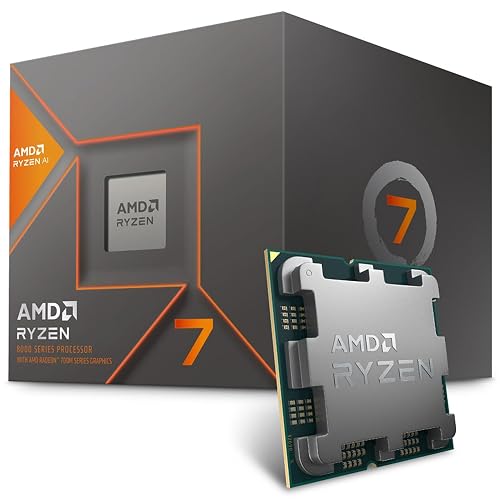 | Best All-In-One | Cores: 8 cores | Threads: 16 threads | Socket: AM5 | VIEW LATEST PRICE | Read Our Analysis |
| AMD Ryzen™ 9 5900XT 16-Core 32-Thread Unlocked Desktop Processor | 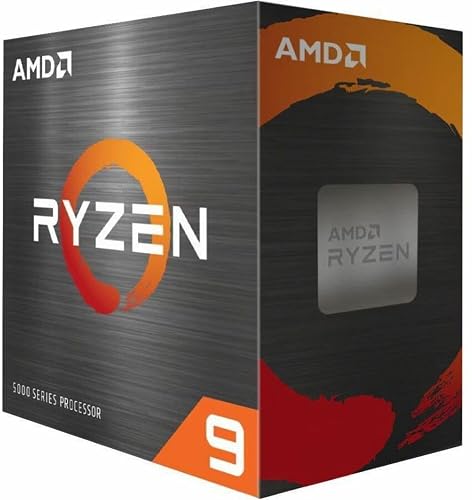 | Best Multi-Core | Cores: 16 cores | Threads: 32 threads | Socket: AM4 | VIEW LATEST PRICE | Read Our Analysis |
| AMD Ryzen™ 5 8400F | 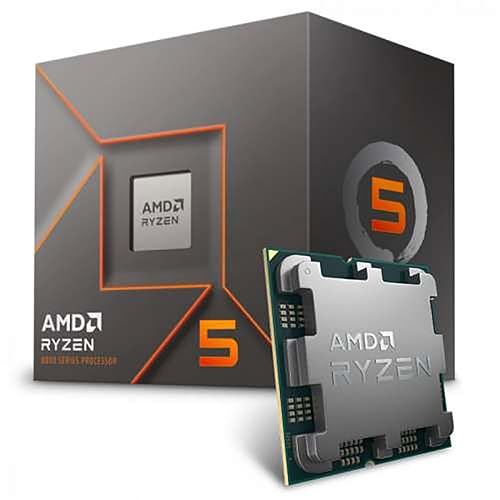 | Best Budget Pick | Cores: 6 cores | Threads: 12 threads | Socket: AM5 | VIEW LATEST PRICE | Read Our Analysis |
| AMD Ryzen™ 7 9850X3D Desktop Processor | 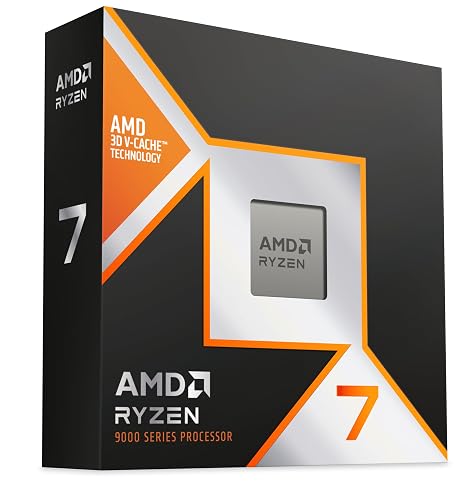 | Best Gaming Choice | Cores: 8 cores | Threads: 16 threads | Socket: AM5 | VIEW LATEST PRICE | Read Our Analysis |
| AMD Ryzen 7 5700 Processor with Wraith Stealth Cooler |  | Best AM4 Value | Cores: 8 cores | Threads: 16 threads | Socket: AM4 | VIEW LATEST PRICE | Read Our Analysis |
| AMD Ryzen 5 7600X3D AM5 Processor |  | Best Gaming Upgrade | Cores: 6 cores | Threads: 12 threads | Socket: AM5 | VIEW LATEST PRICE | Read Our Analysis |
| AMD Ryzen™ 9 9950X3D2 Dual Edition | 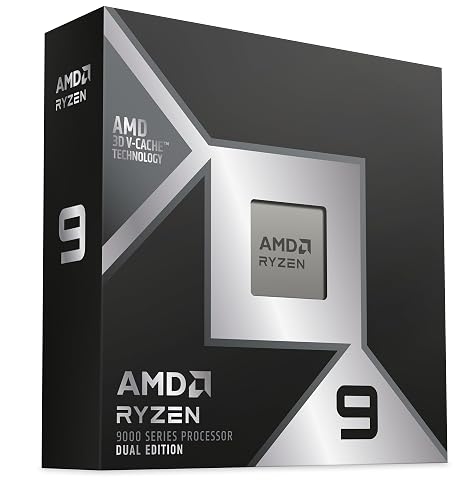 | Ultimate Power Pick | Cores: 16 cores | Threads: 16 threads | Socket: AM5 | VIEW LATEST PRICE | Read Our Analysis |
More Details on Our Top Picks
AMD Ryzen 7 8700G 8-Core 16-Thread Desktop Processor
The AMD Ryzen 7 8700G is a CPU that makes sense when you want strong everyday performance, smooth gaming, and built-in graphics without buying a separate GPU right away. It offers 8 cores, 16 threads, and boost speeds up to 5.1 GHz, so apps feel quick and responsive. Its Radeon 780M graphics let you play lighter games and handle display needs with ease. Because it uses the AM5 socket, supports DDR5 memory, and has a 65 watt TDP, you also get room to grow. The included Wraith Spire cooler helps keep setup simple.
- Cores:8 cores
- Threads:16 threads
- Socket:AM5
- TDP:65W
- Overclocking:Unlocked
- Warranty:3-year
- Additional Feature:Radeon 780M graphics
- Additional Feature:Ryzen AI included
- Additional Feature:Wraith Spire cooler
AMD Ryzen™ 9 5900XT 16-Core 32-Thread Unlocked Desktop Processor
AMD Ryzen 9 5900XT is a strong choice if you need serious multitasking performance without moving to a newer platform. It provides 16 cores and 32 threads, allowing applications to handle heavy workloads efficiently. The Zen 3 architecture, 3.3 GHz base clock, and 4.8 GHz boost keep responsiveness high. With 72 MB of cache, DDR4-3200 support, and PCIe 4.0, the processor delivers modern connectivity and speed. It is unlocked for overclocking if you want additional performance, but an aftermarket cooler is recommended because one is not included. The CPU fits AM4 motherboards and is compatible with Windows 11, delivering consistent power and stability.
- Cores:16 cores
- Threads:32 threads
- Socket:AM4
- TDP:105W
- Overclocking:Unlocked
- Warranty:3-year
- Additional Feature:Zen 3 architecture
- Additional Feature:DDR4-3200 support
- Additional Feature:PCIe 4.0 support
AMD Ryzen™ 5 8400F
Built for gamers and everyday builders who want solid speed without overspending, the AMD Ryzen 5 8400F gives you 6 cores, 12 threads, and Zen 4 performance on the AM5 platform. You get a 4.7 GHz boost, 65 W power use, and unblocked tuning, so you can push it when your setup is ready. It supports DDR5, and the 22 MB cache helps keep things snappy in games and daily work. Because it uses Socket AM5, you can upgrade later without starting over. That makes your build feel safer and smarter.
- Cores:6 cores
- Threads:12 threads
- Socket:AM5
- TDP:65W
- Overclocking:Unlocked
- Warranty:3-year
- Additional Feature:Zen 4 architecture
- Additional Feature:DDR5 support
- Additional Feature:22 MB cache
AMD Ryzen™ 7 9850X3D Desktop Processor
If you want a Ryzen chip that can deliver top-tier gaming without making your build feel overcomplicated, consider the Ryzen 7 9850X3D. It offers 8 cores and 16 threads, so games run responsively and your system handles background tasks with ease. A 4.7 GHz boost clock and 104 MB of cache help keep frames smooth during intense action. The processor fits the AM5 socket, has a 140 watt TDP, and maintains a clean, desktop-friendly setup. AMD markets it as the world’s best gaming processor, with even faster performance.
- Cores:8 cores
- Threads:16 threads
- Socket:AM5
- TDP:140W
- Overclocking:Unlocked
- Warranty:Manufacturer warranty
- Additional Feature:104 MB cache
- Additional Feature:AM5 socket
- Additional Feature:140W TDP
AMD Ryzen 7 5700 Processor with Wraith Stealth Cooler
The Ryzen 7 5700 with Wraith Stealth Cooler is a smart pick if you want strong everyday speed without paying for extra heat or power use. It offers 8 cores and 16 threads, so multitasking feels smooth when you game, stream, or keep many tabs open. Its 3.7 GHz base clock and 4.6 GHz boost help applications respond quickly. With 20 MB cache and a 65 W TDP, it stays efficient. The included Wraith cooler helps you save money, and the overclockable design gives you room to tune.
- Cores:8 cores
- Threads:16 threads
- Socket:AM4
- TDP:65W
- Overclocking:Unlocked
- Warranty:3-year
- Additional Feature:Wraith Stealth cooler
- Additional Feature:20 MB cache
- Additional Feature:4.6 GHz boost
AMD Ryzen 5 7600X3D AM5 Processor
AMD’s Ryzen 5 7600X3D is a sensible choice if you want strong gaming performance without moving up to a pricier chip. You get 6 cores and 12 threads, and a 4.1 GHz base clock that keeps everyday tasks smooth. Its 96 MB L3 cache helps games respond quickly, and AM5 support gives you a modern upgrade path. It works with DDR5 memory up to 128 GB, and it is compatible with several chipsets, including B650, X670, and X870. Note that a heatsink is not included, so plan your cooler accordingly.
- Cores:6 cores
- Threads:12 threads
- Socket:AM5
- TDP:65W
- Overclocking:Unlocked
- Warranty:3-year
- Additional Feature:96 MB L3 cache
- Additional Feature:DDR5-5200 support
- Additional Feature:Heatsink not included
AMD Ryzen™ 9 9950X3D2 Dual Edition
Built for power users who want top-tier gaming and heavy multitasking in a single chip, the AMD Ryzen 9 9950X3D2 Dual Edition features 16 cores, 16 threads, and a massive 208 MB of total cache. It reaches up to 5.6 GHz, so applications feel responsive and games remain smooth. Compatible with Socket AM5 systems, it has a 200 W power draw and delivers strong performance for a clean system build. If you want serious muscle without extra clutter, this processor keeps your setup ready and efficient.
- Cores:16 cores
- Threads:16 threads
- Socket:AM5
- TDP:200W
- Overclocking:Unlocked
- Warranty:Manufacturer warranty
- Additional Feature:208 MB cache
- Additional Feature:Up to 5.6 GHz
- Additional Feature:200W power draw
Factors to Consider When Choosing a Ruzen CPU
When you choose a Ryzen CPU, match the core count and clock speed to what you do most, whether gaming, streaming, or heavy multitasking. Then check cache size, socket compatibility, and power usage so your chip fits your motherboard, your cooling, and your energy needs without creating extra headaches. Getting these basics right helps you pick a CPU that feels fast, runs smoothly, and prevents buyer remorse later.
Core Count
Core count plays a big role in how a Ryzen CPU handles your day-to-day work, because it determines how many tasks the chip can juggle at once. For gaming, 6 to 8 cores usually suffice, since most games prioritize smooth single-core performance over a large core count. For video editing, compiling code, or 3D projects, 12 or more cores can save significant time and reduce frustration. More cores also increase heat and power consumption, so your cooler and motherboard must be able to cope. Beyond a certain point, extra cores provide diminishing returns for light tasks, so match the core count to your typical workloads to avoid paying for unused capacity.
Clock Speed
Clock speed is one of the first things you should check because it tells you how fast a Ryzen CPU can get work done each second. You will usually see a base clock and a boost clock. The base clock shows the steady speed you can count on, while the boost clock indicates how fast the processor can sprint when heat and power stay under control. If you game or use light applications, higher clock speeds can feel snappier immediately. Still, faster is not always better, because smart design matters too. A well-built, lower-clocked chip can outperform a hotter one. So review cooling, power delivery, and the tasks you run, and choose a CPU that stays quick without becoming unstable.
Cache Size
Cache size can quietly level up a Ryzen CPU’s real-world speed, because it keeps often-used data close to the cores, instead of forcing the chip to wait on slower memory. You will notice this most in games, editing, and database work, where large data sets move around nonstop. L2 cache helps each core stay quick with recent data, and a bigger shared L3 cache helps all cores work together with less friction. That matters when you juggle many threads at once. Still, more cache is not always a magic win. For simple tasks, gains fade fast. You should balance cache with core count, clock speed, and heat output. If your apps are latency sensitive, give cache a high priority; if they are throughput heavy, extra cores or memory bandwidth may matter more.
Socket Compatibility
Once you’ve considered cache and speed, the next thing to check is whether the CPU will actually fit and run in your build. You need the same socket type on the motherboard, such as AM4 or AM5, because the pins and layout must line up. Even with the right socket, check the chipset as well, since some boards lack support for certain Ryzen generations or features. Next, confirm BIOS support for your exact CPU model. A board can look compatible and still refuse to boot with an old firmware version. Also confirm the socket’s pin count, voltage requirements, and power delivery match your board’s design. If you want easier upgrades later, choose a socket and chipset that support more than one CPU generation.
Power Usage
Power use matters because it affects more than just your electric bill. When you choose a Ryzen CPU, check its TDP in watts first. That number provides a useful guide for steady power draw, so you can match your PSU and cooler with less guesswork. Next, examine boost behavior. A chip may stay within its TDP most of the time, then jump higher for short bursts during heavy work or gaming. Also remember the rest of your system: memory, chipset components, and VRM losses all add extra load. If you care about efficiency, compare performance per watt, not just cores or clock speed. Finally, leave cooling headroom so your fans run quieter, temperatures stay safer, and your build lasts longer without problems.
Integrated Graphics
Integrated graphics can make a Ryzen CPU feel much more flexible, especially if you do not want to buy a separate graphics card right away. Check the GPU clock speeds and the number of execution units, since those figures indicate gaming and media performance. Also review memory support, because the integrated GPU typically borrows system RAM as video memory. DDR5 can provide an advantage over DDR4 for smoother 1080p gaming and faster creative tasks. Next, confirm the chip supports the display outputs you need and the modern APIs your applications use, such as DirectX, Vulkan, and OpenCL. If you run multiple monitors or high resolution screens, stronger integrated graphics will reduce frustration and may save you money.
Cooling Needs
When you choose a Ryzen CPU, cooling is as important as core count or clock speed, because a chip that runs hot cannot sustain peak performance for long. Match the cooler’s watt handling to the CPU’s TDP, and allow extra capacity if you plan to boost it. Higher core counts, fast boost clocks, and large cache stacks can generate more heat during sustained workloads, so stronger heat pipes and larger radiators help significantly. If you use DDR5 in a compact case, maintain steady airflow with balanced intake and exhaust, and add at least one rear fan. For short boost spikes, choose a cooler with greater thermal mass. If you want quiet operation, compare noise levels and cooling power carefully.
Frequently Asked Questions
Which Ruzen CPU Offers the Best Value for Most Users?
You’ll usually get the best value from the Ryzen 5 7600, since it balances strong gaming, solid multitasking, and reasonable pricing. If you want extra cores, consider the Ryzen 7 7700.
Are Ruzen CPUS Good for Gaming and Multitasking?
Yes, Ruzen CPUs perform well for gaming and multitasking. You can play smoothly, stream, and run apps concurrently, especially with stronger cores and sufficient RAM for demanding workloads.
Do I Need a Separate Cooler for These Ruzen Processors?
You may need a separate cooler if your Ruzen processor does not include one or if you plan heavy workloads or overclocking. Check the box to confirm whether a cooler is included. If not, or if you want lower temperatures and quieter operation, choose an aftermarket cooler.
Which Ruzen CPU Works Best for Older Motherboards?
Ryzen 5 5600X typically works best with older motherboards, offering a reliable compatibility bridge over generational differences. You will often need only a BIOS update, and you can keep your current board, cooler, and budget intact.
How Do I Choose Between Integrated Graphics and No Graphics?
Choose integrated graphics if you do not have a separate GPU, want a simpler setup, or need a backup display output. Choose no graphics if you will use a dedicated card and prefer better value or slightly higher CPU performance.