

When a stubborn old LGA775 tower boots like it still has one more life left, the right Core 2 Quad can feel like a small rescue.
For 2026, look closely at the Q9650 and Q9550 first, since they provide four cores, 12 MB cache, and a steady 95 W power draw that keeps heat in check.
The Q6600 remains useful on a tight budget, but it runs hotter.
If you compare these chips with the Core i7-4770, the performance gap becomes obvious quickly, so the real question is which legacy processor fits your machine best.
| Intel BX80569Q9650 Core 2 Quad Q9650 Desktop Processor |  | Best Overall | Brand: Intel | Socket: LGA 775 | Cores: 4 cores | VIEW LATEST PRICE | Read Our Analysis |
| Intel Core 2 Duo E8400 3GHz Dual-Core (EU80570PJ0806M) Processor Only | 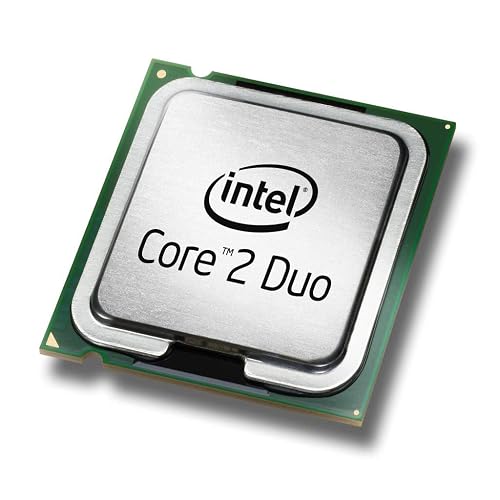 | Best Dual-Core | Brand: Intel | Socket: LGA 775 | Cores: 2 cores | VIEW LATEST PRICE | Read Our Analysis |
| Intel Core 2 Quad Q6600 Quad-Core Processor 2.40 GHz 8M L2 Cache LGA 775 |  | Best Budget Quad | Brand: Intel | Socket: LGA 775 | Cores: 4 cores | VIEW LATEST PRICE | Read Our Analysis |
| Intel Core 2 Quad Processor Q9550 CPU | 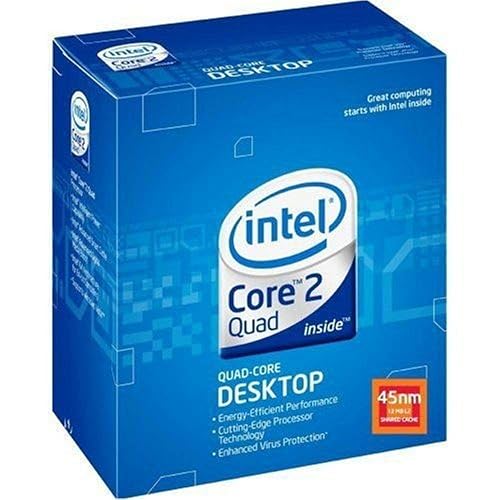 | Best Balanced Quad | Brand: Intel | Socket: LGA 775 | Cores: 4 cores | VIEW LATEST PRICE | Read Our Analysis |
| Intel Core i7-4770 Quad-Core Desktop Processor (Renewed) | 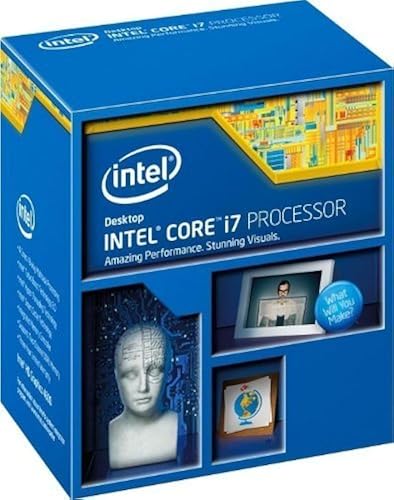 | Best Modern Upgrade | Brand: Intel | Socket: LGA 1150 | Cores: 4 cores | VIEW LATEST PRICE | Read Our Analysis |
More Details on Our Top Picks
Intel BX80569Q9650 Core 2 Quad Q9650 Desktop Processor
If you want an older desktop chip that still feels solid for everyday power, the Intel BX80569Q9650 Core 2 Quad Q9650 is a strong pick for you. You get four cores at 3.00 GHz, so your PC can handle multitasking, photo work, music, and even some gaming without feeling lazy. Its 12 MB cache and 1333 MHz front side bus help keep things snappy. Because it fits LGA775 boards, you can upgrade many older systems with ease. It also runs cool for a 95 watt chip, which keeps noise down.
- Brand:Intel
- Socket:LGA 775
- Cores:4 cores
- Clock Speed:3.00 GHz
- Cache:12 MB
- Wattage:95 watts
- Additional Feature:45nm architecture
- Additional Feature:L2 cache sharing
- Additional Feature:Intel Intelligent Power Capability
Intel Core 2 Duo E8400 3GHz Dual-Core (EU80570PJ0806M) Processor Only
The Intel Core 2 Duo E8400 3.0 GHz Dual-Core processor is a smart pick for anyone who wants solid everyday performance from a classic LGA 775 system without wasting power. You get a processor only part, so you can replace a worn chip quickly. Its two cores, two threads, and 6 MB L2 cache help a Windows 7 setup feel responsive. With a 1333 MHz bus and 65 watt TDP, it remains efficient. Model EU80570PJ0806M is offered in flawless, gently used condition, and includes a 90 day limited warranty for extra peace of mind.
- Brand:Intel
- Socket:LGA 775
- Cores:2 cores
- Clock Speed:3.0 GHz
- Cache:6 MB
- Wattage:65 watts
- Additional Feature:90nm?
- Additional Feature:Gently used
- Additional Feature:90-day warranty
Intel Core 2 Quad Q6600 Quad-Core Processor 2.40 GHz 8M L2 Cache LGA 775
The Intel Core 2 Quad Q6600 is a solid choice if you need a dependable four-core processor for an older LGA 775 system without a lot of fuss. It runs at 2.40 GHz, provides four cores and four threads, and includes 8 MB of L2 cache, so your PC can handle multitasking better than many dual-core parts. Because it uses a 1066 MHz front-side bus and the Intel Core microarchitecture, it helps keep older rigs feeling more responsive. It also supports Intel VT, EM64T, and the Execute Disable Bit. With a 105 watt TDP, pair it with adequate cooling and note that it is available in the G0 stepping.
- Brand:Intel
- Socket:LGA 775
- Cores:4 cores
- Clock Speed:2.40 GHz
- Cache:8 MB
- Wattage:105 watts
- Additional Feature:Intel VT support
- Additional Feature:Digital Thermal Sensor
- Additional Feature:4-pin fan control
Intel Core 2 Quad Processor Q9550 CPU
With 4 cores, 4 threads, and a roomy 12 MB cache, the Core 2 Quad Q9550 is a sensible choice if you want solid everyday performance from an older LGA 775 system. It runs at 2.83 GHz, so it feels quicker than many earlier Core 2 chips. Power consumption is 95 watts, and it supports EM64T, which improves software compatibility. If your Windows machine needs a dependable upgrade, this CPU can still handle browsing, office work, and light multitasking with steady confidence.
- Brand:Intel
- Socket:LGA 775
- Cores:4 cores
- Clock Speed:2.83 GHz
- Cache:12 MB
- Wattage:95 watts
- Additional Feature:EM64T support
- Additional Feature:Alternate 2.8GHz listing
- Additional Feature:1333MHz bus
Intel Core i7-4770 Quad-Core Desktop Processor (Renewed)
If you want a solid older desktop chip that still feels reliable for everyday work, the renewed Intel Core i7-4770 is a smart pick. It is a 4 core, 3.4 GHz processor with 8 MB cache and an LGA 1150 socket, so it fits many classic Windows 7 systems. It draws 84 watts, which keeps power usage modest for its class. Because it is renewed, the chip has been professionally inspected and should work and look like new. Amazon backs it with a 90 day warranty and provides replacement or refund coverage.
- Brand:Intel
- Socket:LGA 1150
- Cores:4 cores
- Clock Speed:3.4 GHz
- Cache:8 MB
- Wattage:84 watts
- Additional Feature:Amazon Renewed product
- Additional Feature:Professionally inspected
- Additional Feature:Replacement or refund
Factors to Consider When Choosing Intel Core 2 Quad CPU Processors
When choosing an Intel Core 2 Quad CPU, balance clock speed with cache size, because both affect how responsive the chip feels in daily use. Also verify socket compatibility, power consumption, and core count so the processor fits your system and handles your workload without wasting energy. A well-matched choice prevents upgrade headaches later, and that is always beneficial.
Clock Speed
Clock speed is one of the first things you should check in an Intel Core 2 Quad CPU, because it tells you how fast the chip can finish each task. Measured in GHz, it shows how many cycles the processor can handle each second. If you compare similar quad-core chips, you will notice that 2.4 GHz and about 3.0 GHz can feel very different in daily use. You will get snappier response in single-threaded apps as well, since one core often does the heavy lifting there. Still, do not chase GHz alone, because front side bus speed also matters. For basic office work, under 3 GHz may be fine. For gaming or multimedia, a higher clock can help.
Cache Size
Cache size is an important factor when comparing Intel Core 2 Quad processors, because it indicates how much working data the chip can keep close to the cores. When choosing between models with the same core count and similar clock speed, larger cache can make a real difference. An 8 MB chip handles everyday work well, while a 12 MB chip often keeps more instructions and data ready, so your system can feel snappier during heavy multitasking or cache-sensitive tasks. You should also check whether the cache is shared or per core, since that affects how much each active thread benefits. In practice, cache helps cut memory delays, and that can make older Core 2 Quad parts feel less tired.
Socket Compatibility
Socket compatibility should be your first check, because even a great Core 2 Quad CPU will not fit if the motherboard uses the wrong socket. You need the right match; many Core 2 Quad chips use LGA775. If the socket is wrong, nothing else matters, not clock speed, cache size, or core count. Check your motherboard’s socket name first, then confirm its CPU support list. Some boards only accept LGA775 chips after a BIOS update, so do not skip that step. Also make sure the board can handle the chip’s power delivery and cooling needs, since a fit that looks right can still fail in practice. When you shop for older desktop processors, socket support should be your first filter, before you even compare performance specs.
Power Consumption
Power use matters a lot when you choose an Intel Core 2 Quad CPU, because a chip’s wattage indicates how much heat and electricity it is likely to use. You will usually save more with a 95 watt chip than with a 105 watt one; that difference can reduce cooling requirements and trim your energy bill. Higher clock speeds can increase demand, especially when you push the system with multitasking or media work. A 45 nm design generally runs cooler than older builds, so it can help your PC remain more stable. When power consumption stays lower, your fans may spin less and your system can operate more quietly. That makes everyday use easier for you and more comfortable for your room.
Core Count
Core count tells you how many physical processing cores a CPU has, and that number can make a real difference when you need your system to keep up. When you compare Intel Core 2 Quad processors, you will usually see 4 cores, while older dual-core chips only offer 2. That jump helps you run more tasks at once and keeps heavy work feeling smoother. If you edit video, process photos, or play games that use several threads, the extra cores can earn their keep. Do not mix up core count with thread count or total processor count, since they are not always the same. Check the listed core count first. Moving from 2 cores to 4 can boost performance in software that benefits from parallel work.
Frequently Asked Questions
Which Core 2 Quad Is Best for Overclocking?
You should choose the Q9650. It typically clocks the highest and often reaches 4.0 GHz with good cooling. It is a 45 nm quad core with 12 MB of cache, and many overclockers report 20 to 30 percent gains over stock speeds.
Are Core 2 Quad CPUS Still Good for Windows 10?
No, you should not expect much from Core 2 Quad CPUs on Windows 10 today. You can run the OS, but you will experience slow boot times, weak multitasking, and limited security support.
What Motherboard Chipset Supports Core 2 Quad Processors?
Many Intel chipsets support Core 2 Quad, including P35, P45, G31, G41, X38, X48, and several 965 and 975 boards. You will need a compatible LGA775 motherboard and BIOS support, so verify compatibility before buying.
Can Core 2 Quad Handle Modern Lightweight Gaming?
Yes, a Core 2 Quad can run modern lightweight games, but only at low settings and mainly older titles. You will need a decent GPU, an SSD, and 8 GB of RAM. Do not expect smooth performance in demanding games.
How Much Power Does a Core 2 Quad Typically Use?
You’ll usually see a Core 2 Quad draw about 65 to 95 watts under load, depending on the model. It can idle much lower, and your motherboard and cooler affect total system power as well.