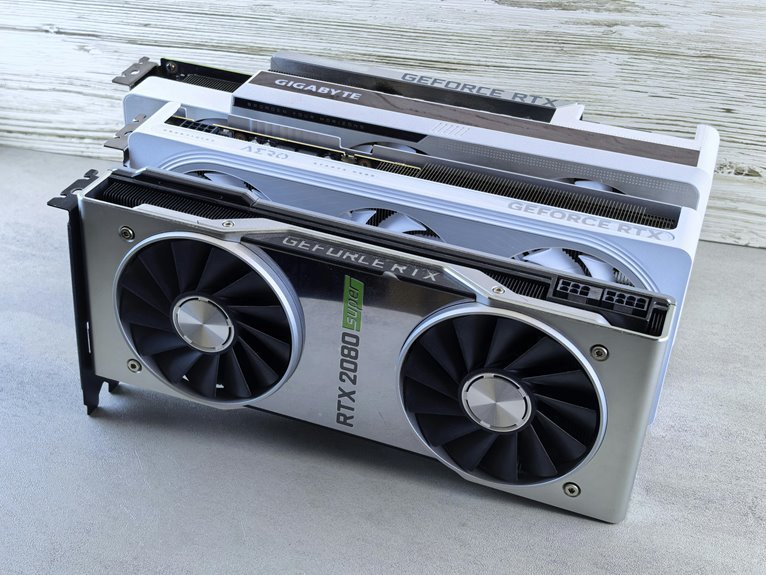


If you are setting up a small mining rig, a GPU like the ASUS Dual GeForce RTX 5060 8GB OC Edition can look tempting, but payback depends on more than raw speed. You need to weigh power draw, VRAM, cooling, and resale value before you buy.
Some cards quietly outperform pricier options over time, and a few older models still earn their keep when matched to the right coin.
| ASRock H110 Pro BTC+ 13GPU Mining Motherboard Cryptocurrency | 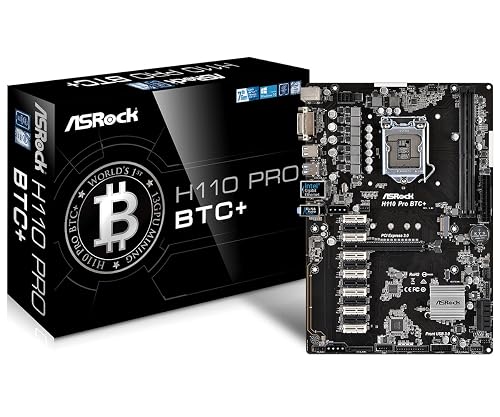 | Best Mining Motherboard | Product Type: Mining motherboard | GPU/Platform: Intel LGA1151 | Memory: DDR4 | VIEW LATEST PRICE | Read Our Analysis |
| GIGABYTE Radeon RX 9060 XT Gaming OC 16G Graphics Card | 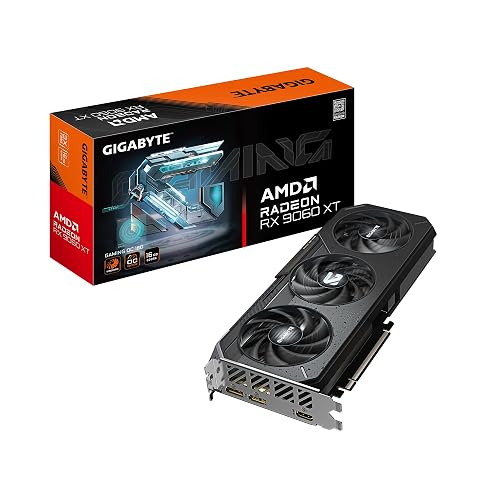 | Best Performance | Product Type: Graphics card | GPU/Platform: AMD Radeon RX 9060 XT | Memory: 16GB GDDR6 | VIEW LATEST PRICE | Read Our Analysis |
| maxsun GeForce GT 710 2GB Low Profile GPU | 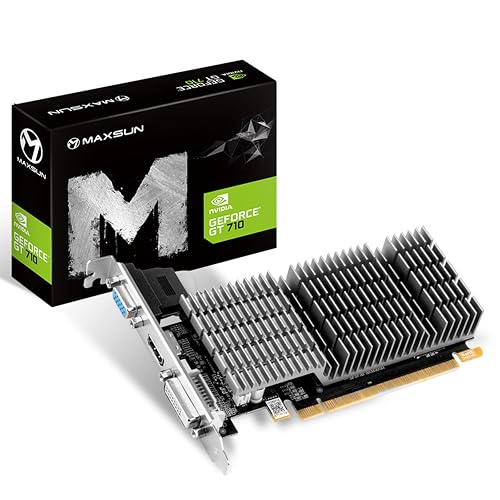 | Budget-Friendly Pick | Product Type: Graphics card | GPU/Platform: NVIDIA GeForce GT 710 | Memory: 2GB GDDR3 | VIEW LATEST PRICE | Read Our Analysis |
| Kingwin 8 GPU Miner Rig Case Frame | 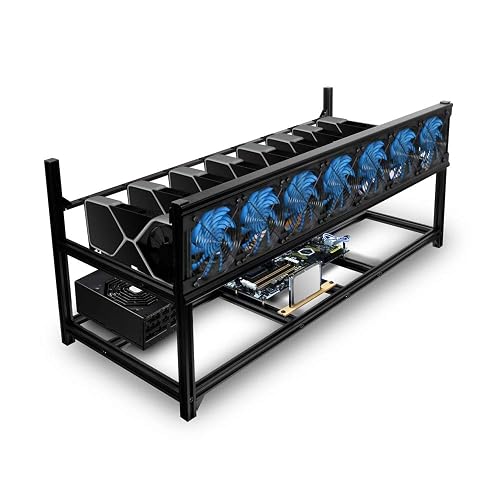 | Best Mining Frame | Product Type: Miner rig frame | GPU/Platform: Mining frame | Memory: N/A | VIEW LATEST PRICE | Read Our Analysis |
| ASUS Prime GeForce RTX 5070 Graphics Card | 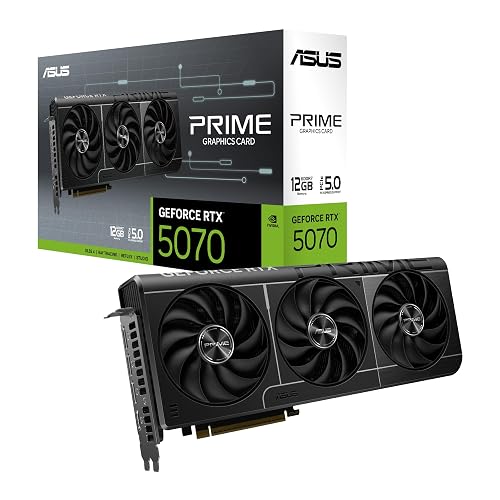 | Premium Pick | Product Type: Graphics card | GPU/Platform: NVIDIA GeForce RTX 5070 | Memory: 12GB GDDR7 | VIEW LATEST PRICE | Read Our Analysis |
| MOUGOL Radeon RX 580 8GB Gaming Graphics Card | 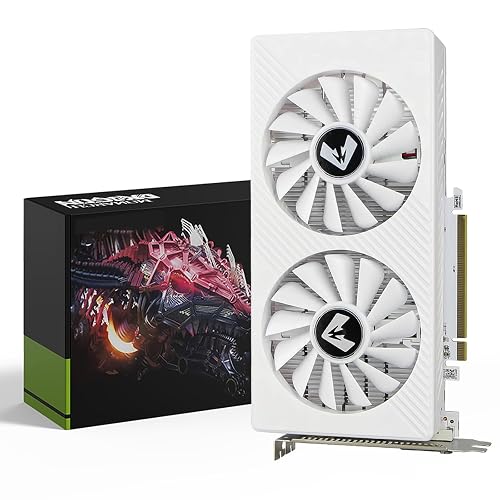 | Best Midrange Card | Product Type: Graphics card | GPU/Platform: AMD Radeon RX 580 | Memory: 8GB GDDR5 | VIEW LATEST PRICE | Read Our Analysis |
| ASUS Dual GeForce RTX 5060 8GB OC Edition | 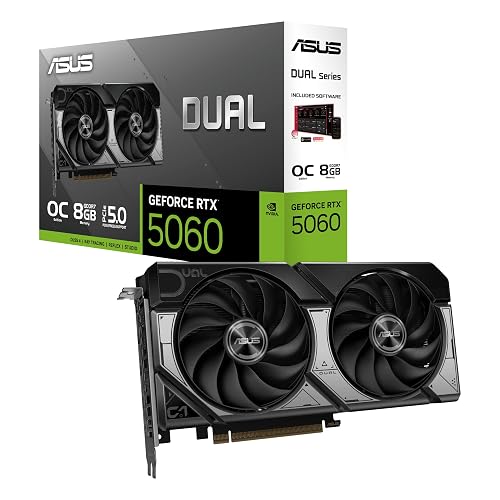 | Best Efficient Upgrade | Product Type: Graphics card | GPU/Platform: NVIDIA GeForce RTX 5060 | Memory: 8GB GDDR7 | VIEW LATEST PRICE | Read Our Analysis |
More Details on Our Top Picks
ASRock H110 Pro BTC+ 13GPU Mining Motherboard Cryptocurrency
If you are building a serious crypto mining rig, the ASRock H110 Pro BTC+ stands out with support for up to 13 GPUs, making it a strong pick for miners who want maximum expansion in a single motherboard. You can pair it with 6th or 7th Gen Intel CPUs in an LGA 1151 socket, DDR4 memory up to 32 GB, and 24-pin power. It provides one PCIe 3.0 x16 slot and 12 PCIe 2.0 x1 slots, four SATA3 ports, one M.2 SATA3 slot, seven USB ports, and 1 Gb Ethernet. ASRock’s Super Alloy design adds durability.
- Product Type:Mining motherboard
- GPU/Platform:Intel LGA1151
- Memory:DDR4
- Interface:PCIe slots
- Cooling:Motherboard cooling support
- Form Factor:ATX
- Additional Feature:13 GPU support
- Additional Feature:12 USB ports
- Additional Feature:1-year warranty
GIGABYTE Radeon RX 9060 XT Gaming OC 16G Graphics Card
The GIGABYTE Radeon RX 9060 XT Gaming OC 16G is designed for miners and power users who need 16GB of GDDR6 memory, RDNA 4 performance, and efficient WINDFORCE cooling in a PCIe 5.0-ready card. It delivers a 2,700 MHz GPU clock and 20,000 MHz memory speed, enabling smooth handling of demanding workloads. Its Hawk Fan design and server-grade thermal gel keep temperatures under control during long sessions. It is also suitable for gaming, AI acceleration, and creative work, while RGB styling and a 3-year warranty add extra appeal.
- Product Type:Graphics card
- GPU/Platform:AMD Radeon RX 9060 XT
- Memory:16GB GDDR6
- Interface:PCIe x16
- Cooling:WINDFORCE cooling
- Form Factor:Full-size card
- Additional Feature:20,000 MHz memory
- Additional Feature:WINDFORCE cooling
- Additional Feature:3-year warranty
maxsun GeForce GT 710 2GB Low Profile GPU
Maxsun’s GeForce GT 710 2GB Low Profile GPU suits miners who need a tiny, quiet card for a compact rig or a basic desktop setup. It uses passive 0 dB cooling, so it stays silent and runs cool in cramped ITX or SFF cases. Its low profile design and PCIe x16 compatibility make installation easy. HDMI, DVI-D, and VGA outputs let you use it as a spare display card as well. With 2GB GDDR3, CUDA, and DirectX 12 support, it handles light workloads, not serious mining. You also get a 3 year warranty and 1080p output.
- Product Type:Graphics card
- GPU/Platform:NVIDIA GeForce GT 710
- Memory:2GB GDDR3
- Interface:PCIe x16
- Cooling:Passive cooling
- Form Factor:Low profile
- Additional Feature:Fanless passive cooling
- Additional Feature:Multi-monitor support
- Additional Feature:3-year warranty
Kingwin 8 GPU Miner Rig Case Frame
Built with premium aluminum and supporting up to 8 GPUs, the Kingwin 8 GPU Miner Rig Case Frame is ideal for miners who need a durable, space-saving enclosure with improved heat dissipation. The sturdy frame accommodates expanded mining setups without crowding components. Optimized airflow helps prevent overheating and keeps temperatures steady during long runs. Assembly is straightforward, so you can set it up quickly and start mining sooner. You can also use the frame as a test bench. The sleek, compact design looks professional and saves desk or floor space.
- Product Type:Miner rig frame
- GPU/Platform:Mining frame
- Memory:N/A
- Interface:GPU frame
- Cooling:Airflow design
- Form Factor:Open-air frame
- Additional Feature:Premium aluminum build
- Additional Feature:Optimized airflow design
- Additional Feature:Quick setup assembly
ASUS Prime GeForce RTX 5070 Graphics Card
If you want a modern mining GPU that balances efficiency, cooling, and compatibility, the ASUS Prime GeForce RTX 5070 (PRIME-RTX5070-12G) is a strong fit for desktop rigs. You get NVIDIA’s Blackwell-based RTX 5070 with 12GB of GDDR7 memory, a 2542 MHz core clock, and PCIe 5.0 support for broad platform flexibility. Its 2.5-slot, SFF-ready design helps you fit it into tighter builds. Three Axial-tech fans, phase-change thermal padding, and a carefully arranged heatsink improve airflow and heat control. You also get DisplayPort 2.1b, HDMI 2.1b, a three-year warranty, and included setup accessories.
- Product Type:Graphics card
- GPU/Platform:NVIDIA GeForce RTX 5070
- Memory:12GB GDDR7
- Interface:PCIe x16
- Cooling:Triple-fan cooling
- Form Factor:2.5-slot
- Additional Feature:3x DisplayPort 2.1b
- Additional Feature:Phase-change thermal pad
- Additional Feature:Includes adapter cable
MOUGOL Radeon RX 580 8GB Gaming Graphics Card
The MOUGOL Radeon RX 580 8GB Gaming Graphics Card is a practical choice if you want an affordable GPU that handles both entry-level mining setups and everyday gaming. It includes 8GB of Samsung GDDR5 memory, a 256-bit bus, and 2048 stream processors, delivering solid performance at 1206 MHz. The dual-fan cooler and heat pipes help keep temperatures in check, and the backplate adds durability. You can connect HDMI, DisplayPort, or DVI displays, run triple monitors, and use AMD Adrenalin for tuning, recording, and optimization on Windows PCs.
- Product Type:Graphics card
- GPU/Platform:AMD Radeon RX 580
- Memory:8GB GDDR5
- Interface:PCIe 3.0 x16
- Cooling:Dual-fan cooling
- Form Factor:Standard card
- Additional Feature:2048 stream processors
- Additional Feature:Triple-monitor support
- Additional Feature:Requires 6-pin power
ASUS Dual GeForce RTX 5060 8GB OC Edition
ASUS Dual GeForce RTX 5060 8GB OC Edition is well suited for miners who want a compact, modern card with strong efficiency and easy fitment in smaller rigs. It features NVIDIA’s Blackwell GPU, 8GB of fast GDDR7 memory, and a 2565 MHz OC clock that helps sustain solid throughput. The PCIe 5.0 interface and SFF-ready 2.5-slot design, together with dual Axial-tech fans, keep heat under control while fitting tighter frames. You will also get 0dB behavior for quieter operation, DLSS 4 support, and ASUS’s 3-year warranty. For mining, it balances power, cooling, and practical size effectively.
- Product Type:Graphics card
- GPU/Platform:NVIDIA GeForce RTX 5060
- Memory:8GB GDDR7
- Interface:PCIe x16
- Cooling:Dual-fan cooling
- Form Factor:2.5-slot
- Additional Feature:623 AI TOPS
- Additional Feature:DLSS 4 support
- Additional Feature:0dB technology
Factors to Consider When Choosing Graphics Cards GPUs for Crypto Mining
When choosing a GPU for crypto mining, prioritize hashrate efficiency and power consumption first, as these determine overall profitability. Ensure the card has sufficient VRAM for the coins you plan to mine, and confirm it offers robust cooling to remain stable under sustained load. Finally, verify the GPU is compatible with your motherboard and system configuration to avoid installation or scaling problems.
Hashrate Efficiency
Hashrate efficiency is the key metric you should use to judge a GPU’s mining value, because it tells you how many hashes you get per watt of power consumed. Compare MH/s per watt for the exact algorithm you plan to mine, since memory-hard coins reward bandwidth while compute-heavy coins favor shader performance. Measure power at the wall or on the GPU rails under steady load, including system overhead, so your numbers reflect reality. You can often boost efficiency with better firmware, drivers, undervolting, and tuned memory timings; gains of 10 to 40 percent are common. Keep temperatures under control, too. Hotter cards age faster, and that can erode lifetime hashes per watt.
Power Consumption
Power consumption can make or break a mining rig’s profitability, because every extra watt cuts into your return. You should compare each GPU’s board power against its mining output, since watts per MH/s or GH/s tells you how efficiently it turns electricity into coins. Do not trust TDP alone; measure total draw from the wall while the rig is under load, including the CPU, fans, risers, and VRMs. You can often cut power by undervolting and tuning core and memory clocks, which trims wattage with little hashrate loss. Make sure your PSU and 12V rails have 20 to 30 percent headroom above peak demand, and keep airflow strong, because cooler cards run fans slower and use less energy.
VRAM Capacity
VRAM capacity is one of the biggest long-term filters for mining GPUs, because larger memory buffers let you handle bigger DAGs and datasets without running out of memory as algorithms grow. When you compare 4 GB and 8 GB cards, the larger option usually lasts longer and gives you more room for Ethash-derived coins and other memory-heavy algorithms. Aim for 6 to 12 GB or more if you want better future-proofing. Do not ignore VRAM type and bandwidth, either, GDDR6 and wider buses can move data faster and improve hash-rate efficiency. If you run multiple GPUs, make sure each card clears the algorithm’s minimum memory requirement. Also, when you tune memory clocks, watch for instability and rising error rates.
Cooling Performance
Cooling performance matters because a GPU that runs too hot will throttle, and once temperatures climb past roughly 70 to 80°C you will usually see hash rates and efficiency drop. Favor cards with strong heat sinks, multiple fans, and directed airflow, because they keep VRM and memory temperatures in check during 24/7 mining. Check the quality of the thermal paste and pads, since better contact between the cooler and the die or memory can cut temperatures by 5 to 15°C. Also look for a chassis or rig layout that lets air move freely, with higher CFM helping expel heat faster. Monitor fan curves and junction temperatures, and use extra case fans or open air cooling when needed to avoid throttling and damage.
Motherboard Compatibility
Motherboard compatibility is critical because the board must support the number of GPUs you plan to run, whether that means six cards or a dozen plus on risers. You need enough PCIe slots or reliable riser support so every card can connect without bottlenecks. Check that the CPU socket and chipset can handle the board’s load and mining-specific BIOS features. Look for UEFI options like 4G decoding and proper PCIe lane allocation, since these help all GPUs initialize correctly. Also confirm the board offers solid power delivery, with a 24-pin ATX connector and any needed auxiliary headers. Finally, make sure it includes enough SATA, M.2, and USB headers, and that its size fits your frame and cooling setup.
Frequently Asked Questions
How Does Crypto Mining Profitability Change With Electricity Costs?
Higher electricity costs reduce mining profits because you pay more per hour to run your GPU. If your power rate increases, you will need either higher hash rates or cheaper coins to remain profitable.
Which Mining Algorithms Favor GPU Efficiency Most?
You’ll usually see GPU efficiency shine on memory-bound algorithms like Ethash, KawPow, Autolykos, and ZelHash. They reward bandwidth and tuning, not brute force. When power is scarce, your cards can quietly outperform.
How Often Do GPU Mining Rewards Fluctuate?
You’ll see GPU mining rewards fluctuate constantly, sometimes hourly, because coin prices, network difficulty, and hash rate change quickly. Expect larger swings during market spikes, halvings, or when miners switch algorithms.
Can Mining Damage a Graphics Card Long Term?
Yes, mining can absolutely hammer your GPU like a marathon in a furnace, and if you ignore heat, dust, and poor power delivery you will shorten its life. You can avoid damage with proper cooling, regular cleaning, and sensible power and performance settings.
What Software Helps Monitor GPU Mining Performance?
You can monitor GPU mining performance with HiveOS, MSI Afterburner, GPU-Z, HWMonitor, and NiceHash Rig Manager. You can track hashrate, temperature, power consumption, fan speed, and errors, so you can optimize settings and detect problems quickly.