

You do not need pricey gear to fix weak laptop audio, because a small external sound card can give you cleaner sound, better mic input, and a smoother setup in minutes.
In 2026, the best picks range from the Vantec and Micolindun adapters to the 1Mii, SABRENT, StarTech, and Tendak models, so you can match your needs without guessing.
Some provide virtual 7.1 or 5.1 surround, while others add SPDIF or handy USB hub ports, and the right choice may surprise you.
| VANTEC USB External 7.1 Channel Audio Adapter |  | Best Surround Sound | Audio Channels: 7.1 surround | USB Connection: USB 2.0 | Plug and Play: Manual setup | VIEW LATEST PRICE | Read Our Analysis |
| Micolindun External Sound Card USB Audio Adapter | 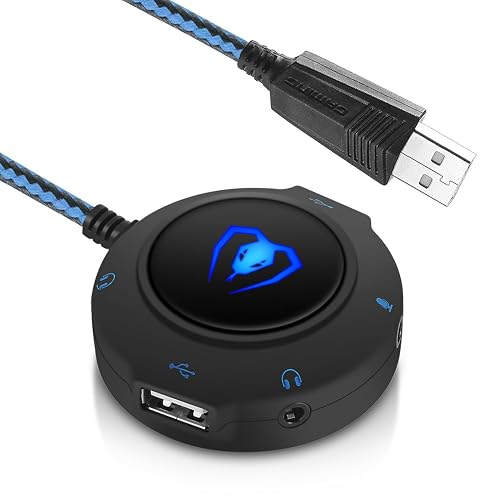 | Best USB Hub | Audio Channels: Stereo | USB Connection: USB | Plug and Play: Plug and play | VIEW LATEST PRICE | Read Our Analysis |
| 1Mii USB Sound Card with Virtual 7.1 Surround Sound | 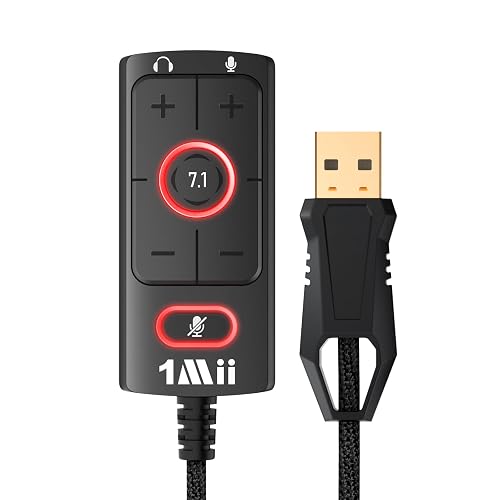 | Best for Gaming | Audio Channels: Virtual 7.1 surround | USB Connection: USB | Plug and Play: Plug and play | VIEW LATEST PRICE | Read Our Analysis |
| USB 2.0 External 5.1 Surround Sound Card Adapter | 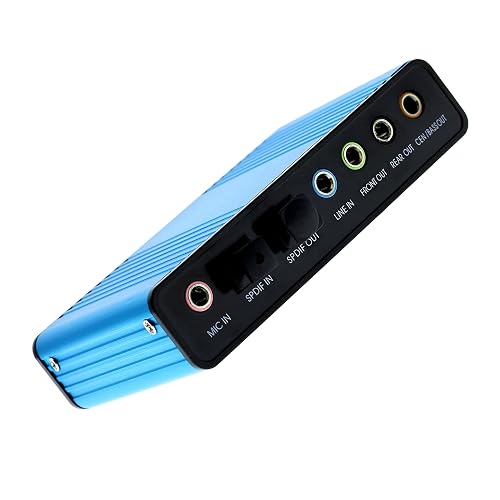 | Best 5.1 Audio | Audio Channels: 5.1 surround | USB Connection: USB 2.0 | Plug and Play: Not stated | VIEW LATEST PRICE | Read Our Analysis |
| StarTech.com USB Sound Card with SPDIF Output (ICUSBAUDIO2D) |  | Best Premium Pick | Audio Channels: 5.1 surround | USB Connection: USB | Plug and Play: Plug and play | VIEW LATEST PRICE | Read Our Analysis |
| SABRENT USB to 3.5mm Audio Adapter (AU-UCMA) | 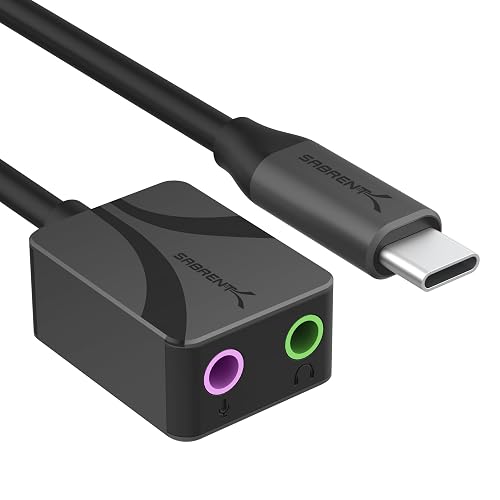 | Best USB-C Option | Audio Channels: 2-channel | USB Connection: USB Type-C | Plug and Play: Plug and play | VIEW LATEST PRICE | Read Our Analysis |
| Tendak USB Hub with Audio Adapter |  | Best Multiport Option | Audio Channels: 5.1 surround | USB Connection: USB 2.0 | Plug and Play: Plug and play | VIEW LATEST PRICE | Read Our Analysis |
More Details on Our Top Picks
VANTEC USB External 7.1 Channel Audio Adapter
The Vantec USB External 7.1 Channel Audio Adapter is a practical choice when you want room-filling sound without opening your laptop or creating a messy setup. Plug it into a USB 2.0 port; it is also compatible with USB 1.1, so you can get started quickly. Enjoy 7.1 channel surround sound for movies, music, and games. It supports 48 KHz and 44.1 KHz playback and recording. With SPDIF optical input and output, plus separate left and right microphone inputs, you can capture true stereo sound. Set it as your default sound device and follow the manual.
- Audio Channels:7.1 surround
- USB Connection:USB 2.0
- Plug and Play:Manual setup
- Mic Input:Dual mic inputs
- Headphone Support:Stereo output
- Portable Design:External adapter
- Additional Feature:SPDIF optical I/O
- Additional Feature:48 KHz support
- Additional Feature:Separate stereo mic inputs
Micolindun External Sound Card USB Audio Adapter
Micolindun External Sound Card USB Audio Adapter is a practical choice if you need a compact device to fix weak or broken laptop audio and add extra USB ports. It offers plug-and-play setup, so you can connect it quickly without installing drivers. It supports headphones, headsets, speakers, and microphones, including single-plug and dual-plug equipment. You also get two USB ports for a disk, mouse, keyboard, or fan. The 1.2 m textile cable and compact blue body make it easy to carry anywhere, including a pocket.
- Audio Channels:Stereo
- USB Connection:USB
- Plug and Play:Plug and play
- Mic Input:Microphone support
- Headphone Support:Headphones/headsets
- Portable Design:Compact, portable
- Additional Feature:2 USB hub ports
- Additional Feature:Frosted surface finish
- Additional Feature:Bright gaming light effects
1Mii USB Sound Card with Virtual 7.1 Surround Sound
Need a simple, plug-and-play way to upgrade your laptop sound without a messy setup? The 1Mii USB Sound Card provides virtual 7.1 surround sound, so you hear games, movies, and music with more depth. You can detect footsteps and nearby action more clearly, which helps you react faster. It works with Windows 10, 7, and XP, and with most 3.5 mm headphones and TRS or TRRS microphones. You also get easy volume controls, mic mute, and LED status lights. Its ABS body, braided cord, and no-driver setup make it light, sturdy, and travel friendly.
- Audio Channels:Virtual 7.1 surround
- USB Connection:USB
- Plug and Play:Plug and play
- Mic Input:Mic support
- Headphone Support:Headphones/headsets
- Portable Design:Lightweight, portable
- Additional Feature:Microphone mute button
- Additional Feature:LED status indicators
- Additional Feature:Braided cord
USB 2.0 External 5.1 Surround Sound Card Adapter
If you want a simple way to add full 5.1 surround sound to your laptop, a USB 2.0 external sound card adapter is a smart pick, because it gives you six-channel audio without opening your device or dealing with messy setup. You can plug it into a PC or laptop, and it works with older Windows systems too. It records and plays back digital and analog audio, so you get flexibility for calls, music, and games. For real 5.1, use DTS source files, passthrough mode, and a decoder or compatible amplifier. MP3s remain stereo, so manage expectations accordingly.
- Audio Channels:5.1 surround
- USB Connection:USB 2.0
- Plug and Play:Not stated
- Mic Input:Not stated
- Headphone Support:Not stated
- Portable Design:External adapter
- Additional Feature:32 KHz recording
- Additional Feature:S/PDIF input/output
- Additional Feature:AC3/DTS decoder support
StarTech.com USB Sound Card with SPDIF Output (ICUSBAUDIO2D)
The StarTech.com USB Sound Card with SPDIF Output (ICUSBAUDIO2D) is a smart pick when your laptop’s built-in audio feels weak, noisy, or simply limited. You get clean USB audio, plus S/PDIF out for a home theater receiver. It supports AC3 and DTS pass-through so your movies can sound fuller. You also get 96 kHz, 24-bit playback, 5.1 support, and a 91 dB signal-to-noise ratio. The compact black body adds volume control, an EQ boost, a mic input, and easy Mac or PC use.
- Audio Channels:5.1 surround
- USB Connection:USB
- Plug and Play:Plug and play
- Mic Input:Stereo mic input
- Headphone Support:Headphones/speakers
- Portable Design:Compact external box
- Additional Feature:96 kHz/24-bit audio
- Additional Feature:Bass/treble EQ switch
- Additional Feature:LED sampling display
SABRENT USB to 3.5mm Audio Adapter (AU-UCMA)
SABRENT’s AU-UCMA is ideal for anyone who wants a simple, portable way to add clean audio to a laptop, tablet, or phone without bulky gear. It uses a USB Type-C plug and play setup, so you can connect quickly and get back to work or play. It provides stereo output, mono mic input, and dual 3.5 mm jacks for headsets or recording equipment. With 96 kHz support, a 110 dB signal to noise ratio, and 16-bit or 24-bit audio, it delivers crisp sound. Its aluminum shell remains light, stays cool, and is easy to carry.
- Audio Channels:2-channel
- USB Connection:USB Type-C
- Plug and Play:Plug and play
- Mic Input:Mono mic input
- Headphone Support:Headsets/headphones
- Portable Design:Lightweight, portable
- Additional Feature:USB Type-C connector
- Additional Feature:Aluminum alloy shell
- Additional Feature:110 dB SNR
Tendak USB Hub with Audio Adapter
Tendak’s USB Hub with Audio Adapter is a smart pick when you want one small device to handle both extra ports and better sound. You get three USB 2.0 ports, so you can run a keyboard, mouse, card reader, or webcam together without juggling plugs. The built-in audio chip provides headphone, speaker, and microphone jacks with stereo output and 5.1 support. Volume and EQ controls help shape games, music, and movies. It is plug and play, hot swappable, and compatible with many Windows PCs, laptops, tablets, and other devices.
- Audio Channels:5.1 surround
- USB Connection:USB 2.0
- Plug and Play:Plug and play
- Mic Input:Microphone jack
- Headphone Support:Headphones/headsets
- Portable Design:Compact hub-adapter
- Additional Feature:3 USB 2.0 ports
- Additional Feature:Volume control button
- Additional Feature:EQ sound effects button
Factors to Consider When Choosing Laptop External Sound Cards
When choosing a laptop external sound card, first determine how many audio channels you need, as that affects the sound capabilities. Next, evaluate the USB connection type, the supported sample rates, and the available digital output options so your setup remains fast, clear, and adaptable. If you plan to record voice or have frequent chats, confirm the microphone input configuration is straightforward and reliable for your workflow.
Audio Channel Support
Audio channel support is one of the first things to check in a laptop external sound card, because it indicates how many audio paths the device can handle at once. If you mainly use headphones or a single microphone, a simple 2-channel adapter will suffice and keep setup straightforward. If you play games or watch movies, choose a device with 5.1 or 7.1 support to gain clearer directional cues and more immersive sound. Some devices offer virtual 7.1, which can mimic surround audio using fewer outputs. Verify whether a device provides true 5.1 or 7.1 output rather than stereo with marketing terminology, since that detail can prevent a setup that sounds fine but lacks depth.
USB Connectivity Type
USB connectivity type shapes how smoothly your laptop external sound card fits into your daily setup, so match the device to the ports you already have. Check for USB 2.0, USB 1.1 backward compatibility, or USB Type-C, since the connector must fit your laptop. Then review how the card powers itself. Many models run through a single USB connection, so you can plug in and start working without a separate adapter. If you want more flexibility, some units add USB hub ports while still using one laptop connection. A single USB cable can handle playback and recording at once, including mic input and stereo or surround output. For travel, choose a compact model with a short cable or a light body so it slips into your bag without fuss.
Sample Rate Quality
Sample rate quality can make a bigger difference than you might expect, because it shapes how clearly your laptop external sound card captures and plays sound. If you mostly listen to music or use voice apps, 44.1 kHz or 48 kHz usually does the job well. If you record, edit, or process audio at a higher level, 96 kHz or even 192 kHz can provide more detail. Check both playback and recording rates, since one side alone does not tell the full story. Also compare sample rate with bit depth, because a high rate will not help much if the rest of the signal path is weak. Some devices offer several rates, which gives you more flexibility later.
Digital Output Options
If you’ve already checked sample rate quality, the next thing to look at is how your laptop external sound card sends audio out to other gear. Look for a digital output such as S/PDIF, because it lets you feed a receiver or other digital device without touching analog jacks. Next, compare pass-through support. For true home theater sound, the card should pass PCM stereo, and possibly AC3 or DTS for 5.1 playback. Also check the maximum digital rate, since you may want 44.1 kHz, 48 kHz, or even 96 kHz at 24-bit. Then match the output to your setup, because some systems require a decoder or an amplifier with built-in decoding. If you need recording as well, confirm both digital input and output.
Mic Input Setup
A good mic setup can make your laptop sound card much more useful, because clear voice input matters as much as clean playback. Check for a dedicated mic jack or a headset port that fits your plug. Some units use TRS, others TRRS, and a few split left and right mic channels, so the wrong match can leave you silent. Next, verify recording support such as 44.1 kHz, 48 kHz, or 96 kHz, since higher rates can capture more detail. If you talk often, choose a model with mic volume control or a mute button. That makes adjustments quick and less annoying. Also make sure your laptop can use the input smoothly, so setup stays simple and stress free.
Driver-Free Compatibility
Driver-free compatibility can save you a lot of time and frustration, especially after you have already checked your mic setup and just want your laptop sound card to work right away. Look for plug-and-play models that say “no drivers needed” on the box or product page. That simple promise matters because you can connect the adapter and start listening fast, without hunting for downloads or fixing setup glitches. It also helps when you move between systems, since some devices work with Windows, macOS, Linux, Android, iOS, and iPadOS. If you need emergency backup audio, this matters even more. You can swap in a driver-free card and restore headphones, a headset, or a microphone through standard 3.5 mm ports, with less stress and fewer surprises.
Portability And Size
When you carry your laptop from place to place, size can make the difference between a handy tool and one more thing you dread packing. You will want a compact sound card that slips into your pocket, bag, or laptop sleeve without fuss. Models around 2 to 3 inches per side and only a few ounces feel much easier to live with on the go. Short cables help as well, because they cut clutter and keep your setup neat. Bus powered designs also travel better, since you do not need a separate power brick. Look for slim enclosures made from aluminum alloy or sturdy plastic, because they handle daily bumps well. If you move often, choose one that stays small while still providing the ports and controls you actually need.
Extra Hub Ports
If you keep a mouse, keyboard, card reader, USB disk, webcam, or fan plugged in, extra ports are very helpful. You can connect more devices without swapping them all the time. That makes plug-and-play setup feel smooth and calm. Keep in mind these ports are generally intended for basic peripherals, not high-speed storage. Prioritize convenience first and speed second to choose a hub that fits your routine.
Frequently Asked Questions
Can External Sound Cards Reduce Laptop Audio Latency for Gaming?
Yes, a good external sound card can reduce some audio lag, like clearing fog from a race track. However, the largest improvements typically come from adjusting game settings, updating drivers, and using low-latency headphones.
Do USB Sound Cards Work With Linux and macOS?
Yes. Many USB sound cards work with Linux and macOS because they often use class-compliant audio. Check for driver requirements, chipset compatibility, and supported features before buying.
Will an External Sound Card Improve Microphone Recording Quality?
Yes, if your laptop’s built-in audio is noisy, weak, or lacks clean gain, you will hear better recordings. You still need a good mic and setup, though; an external card cannot fix poor technique.
Can I Use a Sound Card While Charging My Laptop?
Yes, you can use a sound card while charging your laptop, and you will usually have no problem. Use a properly grounded charger, and avoid cheap USB hubs that might add noise or interference.
Are External Sound Cards Compatible With Consoles and Tablets?
Yes, some external sound cards work with consoles and tablets, provided those devices support USB audio or compatible adapters. Check compatibility, power requirements, and any device-specific limitations.