
If you’re looking to make a smart upgrade for data science work, the wrong laptop can quietly slow everything down.
In 2026 you have options that balance CPU speed, GPU support, memory, and battery life in very different ways, from Surface Copilot+ models to workstation-class Dell and high-RAM HP picks.
The best choice depends on how you work, and a few of these may surprise you.
| Microsoft Surface Pro 2-in-1 Laptop/Tablet (2024) | 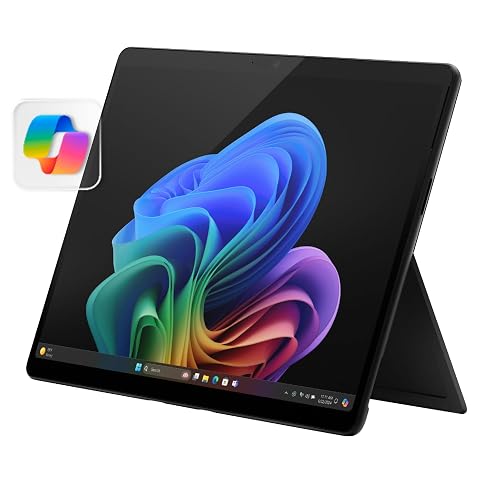 | Best AI Laptop | Processor: Snapdragon X Plus/X Elite | Memory: 16 GB RAM | Storage: 256 GB | VIEW LATEST PRICE | Read Our Analysis |
| Microsoft Surface Pro 2-in-1 Laptop/Tablet (2024) |  | Best Premium 2-in-1 | Processor: Snapdragon X Plus/X Elite | Memory: 16 GB RAM | Storage: 1 TB SSD | VIEW LATEST PRICE | Read Our Analysis |
| Microsoft Surface Laptop (2024) Copilot+ PC 1TB SSD | 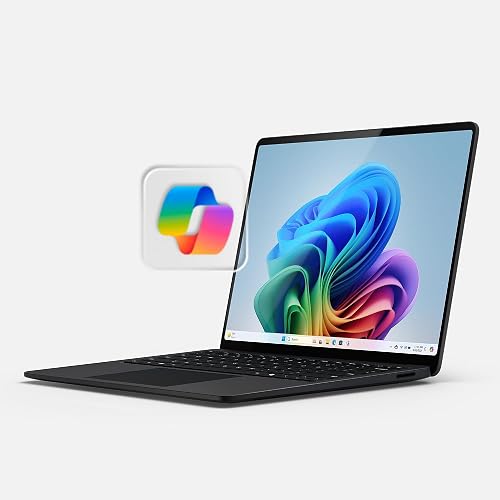 | Best Overall | Processor: Snapdragon X Elite | Memory: 32 GB RAM | Storage: 1 TB SSD | VIEW LATEST PRICE | Read Our Analysis |
| Dell Precision 3571 Workstation Laptop (Renewed) | 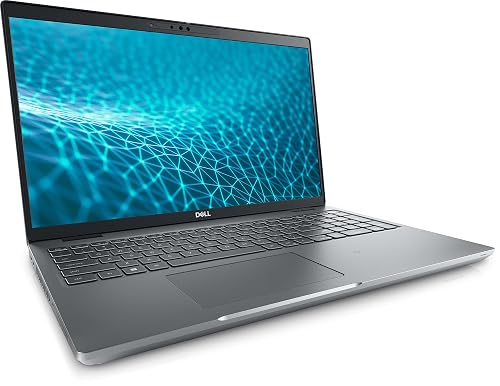 | Best Workstation | Processor: Intel Core i7-12700H | Memory: 16 GB RAM | Storage: 512 GB SSD | VIEW LATEST PRICE | Read Our Analysis |
| Dell 15 Laptop DC15250 15.6-inch FHD 120Hz Display | 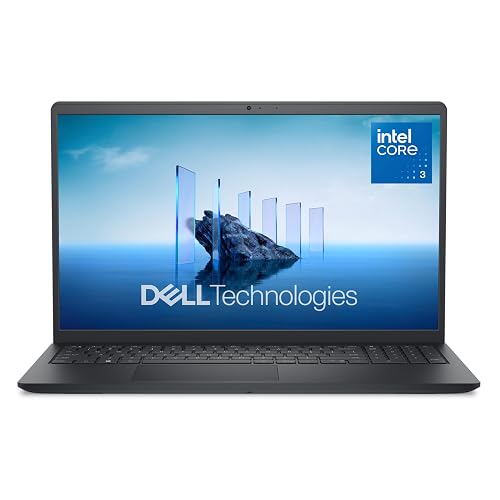 | Best Budget Pick | Processor: Intel Core 3 100U | Memory: 8 GB RAM | Storage: 512 GB SSD | VIEW LATEST PRICE | Read Our Analysis |
| HP 17 Laptop with 17.3″ Touchscreen i7 64GB RAM | 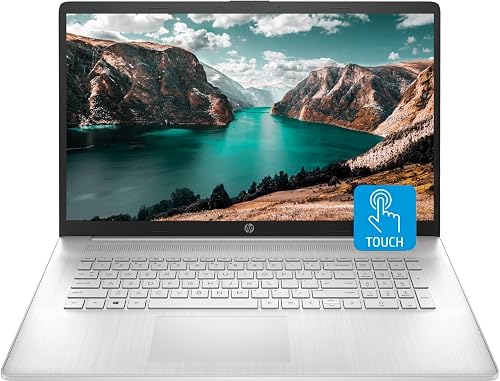 | Best Large Screen | Processor: Intel Core i7-1355U | Memory: 64 GB RAM | Storage: 2 TB SSD | VIEW LATEST PRICE | Read Our Analysis |
More Details on Our Top Picks
Microsoft Surface Pro 2-in-1 Laptop/Tablet (2024)
If you want a portable data science machine that can double as a tablet for note taking, sketching, and review, the Microsoft Surface Pro 2-in-1 Laptop/Tablet (2024) is a strong fit. You get a Windows 11 Copilot+ PC with Snapdragon X Plus or X Elite performance, plus a powerful NPU for AI tasks. Its 16 GB of RAM and 256 GB of storage handle everyday notebooks and datasets. The 13-inch OLED touchscreen offers rich contrast, and the kickstand supports tablet, laptop, and sketchbook modes. Add up to 14 hours of battery life, fast charging, and optional Flex Keyboard support, and you have a very flexible device.
- Processor:Snapdragon X Plus/X Elite
- Memory:16 GB RAM
- Storage:256 GB
- Screen Size:13-inch
- Touchscreen:Yes
- Operating System:Windows 11
- Additional Feature:Detachable Flex Keyboard
- Additional Feature:Built-in kickstand
- Additional Feature:65W fast charging
Microsoft Surface Pro 2-in-1 Laptop/Tablet (2024)
Microsoft Surface Pro 2-in-1 Laptop/Tablet (2024) is a strong pick for data science users who want a portable Windows 11 Copilot+ PC with serious AI support, especially if you work on the go and still need capable performance. You can choose Snapdragon X Elite or X Plus, and both pair with a powerful NPU for AI-heavy workflows. The 13-inch OLED touchscreen gives you sharp visuals and rich contrast. With 16 GB RAM, 1 TB SSD storage, up to 14 hours of battery life, and 65W fast charging, it stays ready for long analysis sessions and travel.
- Processor:Snapdragon X Plus/X Elite
- Memory:16 GB RAM
- Storage:1 TB SSD
- Screen Size:13-inch
- Touchscreen:Yes
- Operating System:Windows 11
- Additional Feature:1TB SSD storage
- Additional Feature:65W fast charging
- Additional Feature:Cinematic OLED display
Microsoft Surface Laptop (2024) Copilot+ PC 1TB SSD
For data science work that relies on on-device AI and portability, the 13.8-inch Microsoft Surface Laptop (2024) Copilot+ PC is a strong fit. It is especially suitable if you want 32 GB of RAM, a 1 TB SSD, and a Snapdragon X Elite processor in a slim 2.96 pound chassis. You get a 2304 x 1536 touchscreen, Wi-Fi 7, Bluetooth 5.4, and Copilot+ features for translations and Cocreator. The battery can last up to 20 hours, and the 39W charger is included. Its 12 core chip and Adreno graphics handle everyday modeling, coding, and analysis.
- Processor:Snapdragon X Elite
- Memory:32 GB RAM
- Storage:1 TB SSD
- Screen Size:13.8-inch
- Touchscreen:Yes
- Operating System:Windows 11 Home
- Additional Feature:Snapdragon X Elite
- Additional Feature:600-nit brightness
- Additional Feature:Wi-Fi 7
Dell Precision 3571 Workstation Laptop (Renewed)
The Dell Precision 3571 Workstation Laptop (Renewed) is a strong pick for data science work if you want a budget-conscious workstation with real processing muscle. You get an Intel Core i7-12700H, 16 GB of RAM, and a 512 GB SSD, so you can handle notebooks, datasets, and multitasking smoothly. The NVIDIA RTX T600 adds dedicated graphics for supported workloads. Its 15.6-inch 1080p display, Windows 11 Pro, WiFi, Bluetooth, and integrated webcam help you stay productive. At 8 pounds, it is not light, but you are buying workstation-grade reliability and renewed value.
- Processor:Intel Core i7-12700H
- Memory:16 GB RAM
- Storage:512 GB SSD
- Screen Size:15.6-inch
- Touchscreen:No
- Operating System:Windows 11 Pro
- Additional Feature:NVIDIA RTX T600
- Additional Feature:90-day warranty
- Additional Feature:Precision workstation
Dell 15 Laptop DC15250 15.6-inch FHD 120Hz Display
Dell 15 Laptop DC15250 pairs a 15.6-inch FHD 120Hz anti-glare display with a 12th Gen Intel Core i3 processor, making it a practical pick if you want a budget-friendly laptop for data science coursework, coding, and everyday analysis. You get 8 GB RAM, a 512 GB SSD, Wi‑Fi 6, Bluetooth 5.3, and Windows 11 Home for smooth day-to-day use. The roomy keyboard with a numeric keypad helps when you enter data or build models. You will also appreciate the 41 Wh battery, Express Charge, HDMI, and three USB ports. Its integrated graphics will not suit heavy workloads, but it handles light projects well.
- Processor:Intel Core 3 100U
- Memory:8 GB RAM
- Storage:512 GB SSD
- Screen Size:15.6-inch
- Touchscreen:No
- Operating System:Windows 11 Home
- Additional Feature:120Hz refresh rate
- Additional Feature:ComfortView blue-light reduction
- Additional Feature:Numeric keypad
HP 17 Laptop with 17.3″ Touchscreen i7 64GB RAM
If you want a data science laptop that provides serious memory headroom without moving up to a workstation, the HP 17 stands out with 64GB RAM, a 2TB NVMe SSD, and an Intel Core i7-1355U. You can load large notebooks, datasets, and many browser tabs without constant slowdowns. The 17.3 inch touchscreen gives you room to inspect charts, and the backlit keyboard with numpad helps with analysis and coding. Wi-Fi 6, USB-C, HDMI, and dual speakers add flexibility. At 5.3 pounds, it is portable enough for home or office use.
- Processor:Intel Core i7-1355U
- Memory:64 GB RAM
- Storage:2 TB SSD
- Screen Size:17.3-inch
- Touchscreen:Yes
- Operating System:Windows 11 Home
- Additional Feature:17.3-inch BrightView
- Additional Feature:Backlit keyboard
- Additional Feature:Supports 2 monitors
Factors to Consider When Choosing Laptops For Data Science
When choosing a laptop for data science, you need sufficient processing power to handle heavy workloads and perform fast analyses. You should also have ample memory, speedy storage, and a sharp display so work remains smooth and easy to read. Don’t forget battery life, especially if you must work away from an outlet.
Processing Power
Processing power sets the pace for everything you do in data science, so you will want a laptop with a multicore CPU, ideally six or more physical cores, plus strong single-thread performance for model training, preprocessing, and parallel workloads. You should also look for at least 12 MB of L3 cache and good memory bandwidth support, because these help large datasets move faster during feature engineering and batch jobs. If you work with optimized ML libraries, pick a processor with AVX or matrix-style instructions, or another built-in accelerator, to speed up linear algebra and inference. Do not ignore cooling; a chip that sustains boost clocks under long loads will keep training smooth. Finally, balance core count, clock speed, power draw, and chassis size so performance stays consistent.
Memory Capacity
After CPU speed, memory capacity becomes the next bottleneck to watch in data science laptops. You should target at least 16 GB of RAM if you are handling moderate datasets, using Jupyter notebooks, and doing everyday multitasking without constant slowdown. If you work with large in-memory data, train complex machine learning models, or run multiple virtual machines or containers, choose 32 GB or more. You will also benefit from faster RAM, such as LPDDR5x or dual-channel DDR4 or DDR5, because higher bandwidth helps data move smoothly and reduces processing stalls. If you use GPU-accelerated training, do not ignore system RAM; weak host memory can still cause paging even when VRAM is available. When possible, choose upgradeable SO-DIMM slots or a higher baseline capacity, since many thin laptops cannot be expanded later.
Storage Speed
Storage speed can make a bigger difference than you might expect, especially when you are loading large datasets, swapping memory, or saving model checkpoints. Favor an NVMe PCIe SSD over SATA, since NVMe can read and write at 1,500 to 7,000+ MB/s, instead of about 500 MB/s. That speed cuts dataset loads and checkpoint saves dramatically. Aim for at least 1 TB if you handle large raw files or multiple virtual environments, so you do not end up leaning on slow external drives. Also check random IOPS, because preprocessing and logging often involve many small files. If you train often, pick a drive with strong sustained writes and a solid TBW rating. Newer PCIe generations also give you more bandwidth and less contention.
Display Quality
Display quality matters more than you might think when you are working with large datasets, plots, and multiple code windows at once. Choose at least a 14-inch IPS or OLED screen with Full HD resolution or better so you can read spreadsheets, inspect charts, and keep code panes visible without constant zooming. Aim for strong color accuracy, ideally Delta E ≤ 2 or 95% sRGB coverage, if you build plots or analyze images. Brightness should reach at least 300 nits, with 400 to 600 nits preferred for HDR or OLED panels, so you can see details clearly. A matte or low-reflectivity finish helps cut glare, and wide viewing angles keep colors stable when you collaborate. Higher pixel density makes dense visuals easier to manage.
Battery Life
Battery life matters because data science work often stretches for hours, so you will want a laptop that can deliver at least 8 to 10 hours of mixed use for coding, notebooks, and light CPU or GPU tasks. Heavy training and large dataset processing can cut runtime by half or more, so do not rely on idle estimates. Check battery capacity too; 50 Wh or larger usually gives you better endurance for travel and long review sessions. Fast charging and 65 W or higher USB‑C Power Delivery help you recover quickly between meetings, or keep working while plugged in. Also watch power modes: balanced settings can shorten battery life, while power saving modes extend it but slow compute. Thermal throttling can further reduce real world runtime.
Frequently Asked Questions
Do Data Science Laptops Need Dedicated GPUS?
Not always. You can handle many data science tasks with integrated graphics, but you should choose a dedicated GPU if you train deep learning models, need faster processing for large datasets, or frequently use CUDA-optimized tools.
Is 16GB RAM Enough for Data Science Work?
Like a backpack for a weekend trip, 16GB RAM is sufficient for light data science work. If you handle large datasets, run many notebooks, or train models locally, consider 32GB.
Which Screen Size Is Best for Coding and Analysis?
You’ll usually want a 14- to 16-inch screen for coding and analysis, as it balances portability with sufficient workspace. If you multitask or use many windows, 16 inches feels better than 13.
Should I Choose Windows, macOS, or Linux?
Choose Windows if you want the widest hardware support, macOS if you value a smooth, polished experience, and Linux if you want complete control. You will do best when your tools fit your workflow, so pick the platform that matches your needs.
How Important Is Battery Life for Data Science Laptops?
Battery life is important if you work remotely, travel, or code in class. Aim for at least 8 hours for notebooks and data analysis. If you are usually plugged in, prioritize performance over battery.