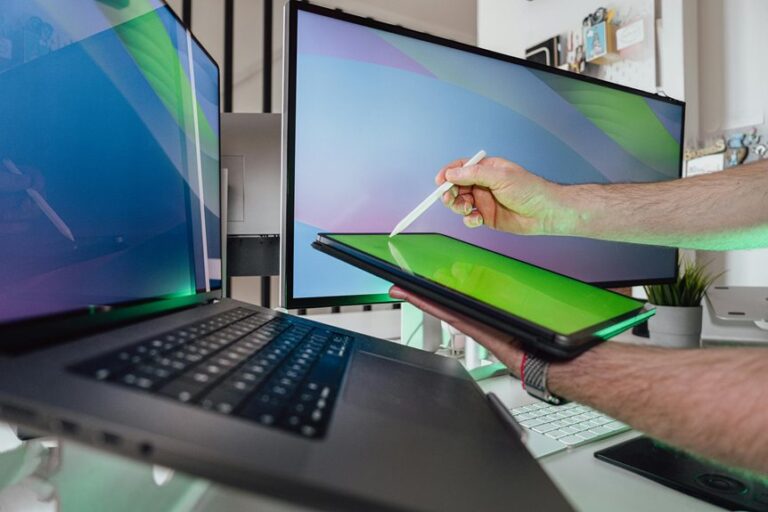

If you run Excel models on a Surface Pro during class and take notes between lectures, you already know how much the right laptop matters.
For economics students in 2026, you need a machine that can handle spreadsheets, research, and long battery life without slowing you down. The best options are not all expensive, and a few surprising picks may fit your workload better than you would expect.
| Microsoft Surface Pro 2-in-1 Copilot+ PC (2024) | 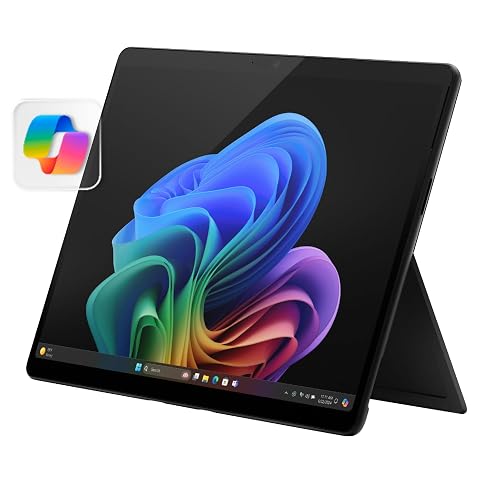 | Best Premium 2-in-1 | Form Factor: 2-in-1 detachable | Screen Size: 13-inch | Operating System: Windows 11 Copilot+ | VIEW LATEST PRICE | Read Our Analysis |
| Microsoft Surface Pro 2-in-1 Laptop/Tablet (2024) |  | Best Windows 2-in-1 | Form Factor: 2-in-1 detachable | Screen Size: 13-inch | Operating System: Windows 11 Copilot+ | VIEW LATEST PRICE | Read Our Analysis |
| Microsoft Surface Laptop (2024) Copilot+ PC 1TB SSD | 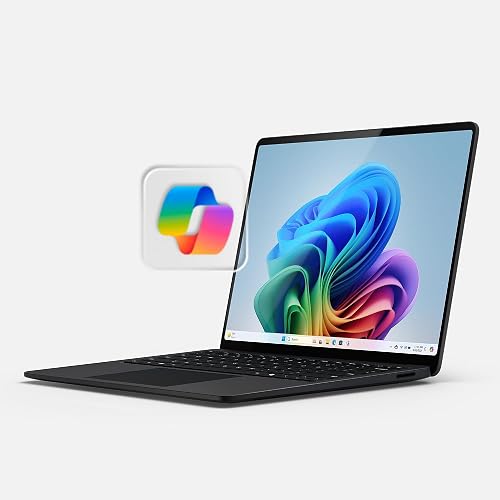 | Best High-Performance | Form Factor: Clamshell laptop | Screen Size: 13.8-inch | Operating System: Windows 11 Home | VIEW LATEST PRICE | Read Our Analysis |
| Lenovo IdeaPad 1 Student Laptop 12GB RAM 512GB SSD | 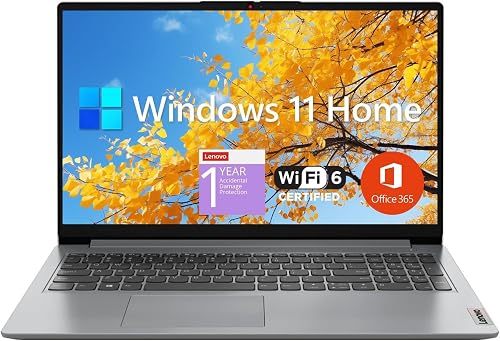 | Best Budget Student | Form Factor: Clamshell laptop | Screen Size: 15.6-inch | Operating System: Windows 11 Home | VIEW LATEST PRICE | Read Our Analysis |
| Auusda Business Laptop Computer with 15.6″ FHD Display | 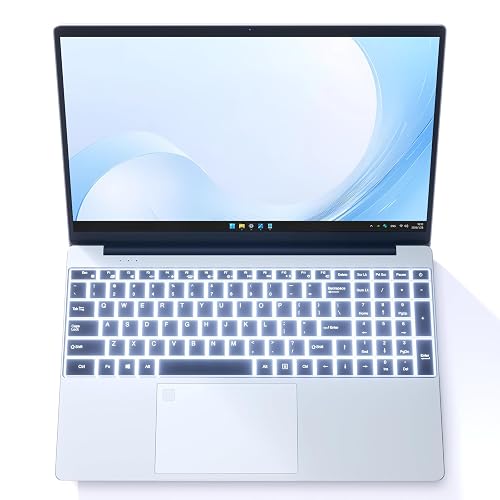 | Best Business Value | Form Factor: Ultra-portable laptop | Screen Size: 15.6-inch | Operating System: Windows 11 Pro | VIEW LATEST PRICE | Read Our Analysis |
| Samsung 14″ Galaxy Chromebook Go Laptop (XE340XDA-KA2US) | 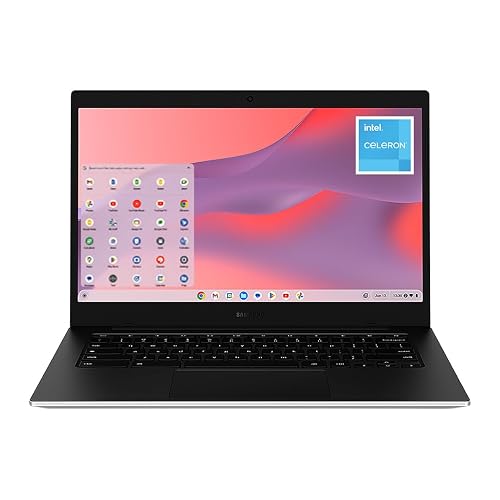 | Best Chromebook Choice | Form Factor: Chromebook | Screen Size: 14-inch | Operating System: Chrome OS | VIEW LATEST PRICE | Read Our Analysis |
More Details on Our Top Picks
Microsoft Surface Pro 2-in-1 Copilot+ PC (2024)
The Microsoft Surface Pro 2-in-1 Copilot+ PC (2024) is a smart pick for economics students who need a lightweight, flexible machine for classes, note-taking, and presentations. It has a 13-inch OLED touchscreen with a sharp 2560 x 1600 resolution, and a detachable design that functions as a tablet or a laptop. The Snapdragon X Elite chip, 16 GB of RAM, and a 256 GB SSD handle research, spreadsheets, and multitasking smoothly. Weighing just 895 grams, it is easy to carry all day. You will also get Wi-Fi 7, long battery life, and the optional Surface Pro Flex Keyboard for faster typing on assignments.
- Form Factor:2-in-1 detachable
- Screen Size:13-inch
- Operating System:Windows 11 Copilot+
- Processor:Snapdragon X Elite
- RAM:16 GB
- Storage:256 GB SSD
- Additional Feature:OLED PixelSense display
- Additional Feature:Wi‑Fi 7 connectivity
- Additional Feature:47.67 Wh battery
Microsoft Surface Pro 2-in-1 Laptop/Tablet (2024)
If you want a lightweight, highly portable option for economics classes, the Microsoft Surface Pro 2-in-1 (2024) stands out with its detachable 13-inch OLED touchscreen and Windows 11 Copilot+ PC support. You can take notes, analyze spreadsheets, and switch to tablet mode for reading reports or annotating PDFs. The Snapdragon X Elite chip, 16GB of RAM, and 1TB SSD keep your work responsive. The battery lasts up to 14 hours. You also get Wi-Fi 6, Bluetooth 5.4, USB-C connectivity, and support for up to three external displays with a dock.
- Form Factor:2-in-1 detachable
- Screen Size:13-inch
- Operating System:Windows 11 Copilot+
- Processor:Snapdragon X Elite
- RAM:16 GB
- Storage:1 TB SSD
- Additional Feature:Up to 3 displays
- Additional Feature:5G options available
- Additional Feature:Microsoft 365 apps
Microsoft Surface Laptop (2024) Copilot+ PC 1TB SSD
With 32GB of RAM, a 1TB SSD, and up to 20 hours of battery life, the Microsoft Surface Laptop (2024) Copilot+ PC is well suited for economics students who handle data-intensive coursework, research, and long study sessions. It is powered by a fast Snapdragon X Elite processor and features a sharp 13.8-inch 2304 x 1536 touchscreen. The lightweight 2.96-pound design is easy to carry. Wi-Fi 7, Bluetooth 5.4, and Copilot+ features help you stay connected and work more efficiently. The backlit keyboard, haptic touchpad, and Omnisonic speakers make note-taking and online classes more comfortable.
- Form Factor:Clamshell laptop
- Screen Size:13.8-inch
- Operating System:Windows 11 Home
- Processor:Snapdragon X Elite
- RAM:32 GB
- Storage:1 TB SSD
- Additional Feature:32GB LPDDR5x RAM
- Additional Feature:Omnisonic Dolby Atmos
- Additional Feature:20-hour battery
Lenovo IdeaPad 1 Student Laptop 12GB RAM 512GB SSD
Lenovo IdeaPad 1 (15IJL7) is a practical choice for economics students who need a budget-friendly Windows laptop that handles coursework, spreadsheets, and online classes reliably. It includes 12 GB of DDR4 RAM, a 512 GB PCIe NVMe SSD, and an additional 128 GB eMMC for ample storage. The 15.6-inch FHD IPS anti-glare display makes charts easy to read, and Wi-Fi 6 keeps you connected. Weighing 3.42 pounds, it is easy to carry. It also features a numeric keypad, HDMI, USB-C, and one year of Microsoft Office 365.
- Form Factor:Clamshell laptop
- Screen Size:15.6-inch
- Operating System:Windows 11 Home
- Processor:Intel Celeron N4500
- RAM:12 GB
- Storage:512 GB SSD + 128 GB eMMC
- Additional Feature:Numeric keypad included
- Additional Feature:Anti-glare FHD display
- Additional Feature:1-year Office 365
Auusda Business Laptop Computer with 15.6″ FHD Display
The Auusda Business Laptop Computer with a 15.6-inch FHD display is a strong choice for economics students who need a spacious screen, a numeric keypad for spreadsheets, and sufficient speed for multitasking in Windows 11 Pro. It includes 16 GB of RAM, a 1 TB NVMe SSD, and an Intel 4-core processor that can reach 3.4 GHz. The backlit keyboard, fingerprint reader, and 180-degree hinge provide added convenience. Its 15.6-inch IPS panel supports external monitors. Wi-Fi 5, Bluetooth 5, and USB 3.0 keep you connected. At 3.7 pounds, it remains portable.
- Form Factor:Ultra-portable laptop
- Screen Size:15.6-inch
- Operating System:Windows 11 Pro
- Processor:Intel 4-core mobile CPU
- RAM:16 GB
- Storage:1 TB SSD
- Additional Feature:Fingerprint reader unlock
- Additional Feature:Up to 3 displays
- Additional Feature:2-year warranty
Samsung 14″ Galaxy Chromebook Go Laptop (XE340XDA-KA2US)
Samsung’s 14″ Galaxy Chromebook Go is a smart pick if you want a lightweight, budget-friendly student laptop for economics work on the move. It weighs just 3.2 pounds, and its slim MIL-STD build helps it handle daily bumps. The 14-inch touchscreen, Wi-Fi 6, Bluetooth 5.1, and up to 12 hours of battery life keep you productive in class or at the library. Its Intel Celeron N4500, 4 GB RAM, and 64 GB SSD suit web apps, notes, and spreadsheets. You also get HDMI, three USB ports, and phone integration.
- Form Factor:Chromebook
- Screen Size:14-inch
- Operating System:Chrome OS
- Processor:Intel Celeron N4500
- RAM:4 GB
- Storage:64 GB SSD
- Additional Feature:MIL-STD durability
- Additional Feature:450-nit touchscreen
- Additional Feature:Phone control features
Factors to Consider When Choosing Laptops For Economics Students
When choosing a laptop for economics classes, begin with sufficient processing power to run spreadsheets, data analysis software, and research tools without lag. You will also want a sharp display, reliable battery life, the right ports for your devices, and a lightweight design that is easy to carry around campus.
Processing Power
For economics work, you will want at least a quad-core processor, ideally 4 cores and 8 threads or better, so your laptop can handle econometric software, data cleaning, regression runs, and many browser tabs without slowing down. Look for strong single-thread performance as well, since spreadsheets and many statistical tools still depend on it; a base clock around 2.5 to 3.0 GHz is a solid target. If you will run large simulations, panel estimations, or parallel workflows, step up to 6 to 8+ cores and ensure the laptop can cool them effectively. Do not chase NPUs unless your machine learning tools can use them. Otherwise, prioritize raw CPU speed and sufficient RAM. Also consider battery life and throttling, since faster chips can drain battery sooner and run hotter.
Display Quality
Once you have enough processing power, the next thing to look at is the screen, since you will spend hours reading tables, graphs, and regression output on it. Aim for at least a 13, 14 inch display with Full HD 1920×1080 resolution or higher, so you can view spreadsheets and multiple windows side by side. Choose a matte or low-reflectance panel with 300 nits or more to cut glare in classrooms and libraries. An IPS or OLED screen with wide viewing angles and strong color accuracy keeps charts and heatmaps consistent when you share your work. If you read dense PDFs often, higher pixel density, around 220 PPI or more, can reduce eye strain. Also make sure it supports USB-C or DisplayPort output for external monitors and projectors.
Battery Life
Battery life matters just as much as performance, because you will often be away from a charger through lectures, library sessions, and group work. Aim for a laptop that gives you at least 8 to 10 hours of mixed use, including browsing, spreadsheets, and statistical software, so it can last a full day. Check the battery rating too; 45 to 55 Wh usually signals better real-world endurance, though efficient CPUs and displays help a lot. Fast charging matters as well, since topping up to 50 to 80 percent in 30 to 60 minutes can save you between classes. Keep in mind that bright screens, heavy analysis, and background syncing drain power faster, so use power-saving features and compare manufacturer estimates with similar workloads.
Port Selection
Port selection matters because the right mix of ports keeps you productive in class, at the library, and during presentations. Prioritize at least one USB-C port with data and power delivery, ideally USB Power Delivery at 65 W or more, so you can charge, move files, and connect displays with one cable. Aim for two to three or more USB-A or USB-C ports, allowing you to use a mouse, keyboard, and external SSD at once without a hub. HDMI or DisplayPort, or USB-C with DisplayPort Alt Mode, makes projector and monitor hookups easy. A microSD or full-size SD slot helps you transfer datasets quickly. If possible, choose a Thunderbolt 4 or USB4 port for faster drives and multi-monitor docks, as they support smoother analysis.
Portability Matters
When you move from lectures to the library to a café, a laptop that is easy to carry makes a real difference. Aim for one that stays under about 3.5 pounds so your bag does not feel overloaded by midday. A 13 to 14 inch screen usually gives you enough room for spreadsheets, charts, and lecture notes without forcing you to wrestle with a bulky chassis. Thin designs around 0.6 to 0.8 inches also help, especially when you are squeezing the laptop into a packed backpack or under a seat. Look for a durable build, because daily transport can be rough. Strong battery life matters just as much; Wi‑Fi 6, Bluetooth, and USB-C keep you connected and charging with less hassle.
Budget And Storage
Your budget should cover more than just the laptop itself, so factor in essentials like a charger, protective case, and maybe an external drive before you set a price range. Aim for a realistic total that matches your workload: entry-level for basic coursework, mid-range for econometrics or software, and higher if you will run heavy data analysis. For storage, do not settle for less than a 256 GB SSD, and choose 512 GB if you handle large datasets or local virtual machines. If you can, pick an NVMe SSD for faster boots and smoother spreadsheet work. If money is tight, buy 256 GB internally and use a 1 TB external SSD or cloud storage. Also consider upgradeable storage or an extra M.2 slot to keep your laptop useful longer.
Frequently Asked Questions
Do Economics Students Need a Dedicated Graphics Card?
No, you usually do not need a dedicated graphics card. Think of it like a race car for grocery runs; it is overkill. Integrated graphics handle spreadsheets, statistics, and econometrics fine, unless you play games or run heavy simulations or 3D models.
Is a Touchscreen Useful for Economics Coursework?
Usually you will not need a touchscreen for economics coursework. You may find it useful for quick note taking, annotating PDFs, and presentations. You will get more value from battery life, keyboard quality, and portability than from touch support.
How Much Battery Life Is Enough for Campus Use?
A full day’s battery is your compass on campus. You will want 8 to 10 hours for lectures, study sessions, and commuting. If you dislike hunting for outlets or carrying chargers, aim for 12 hours or more.
Should I Choose Windows, Chromeos, or macOS?
You should choose Windows if you need flexibility, macOS if you want reliability, or ChromeOS if you mainly browse and write. You will avoid headaches by matching the system to your software, budget, and preferences.
Is 8GB RAM Enough for Economics Students?
Not really. You will feel cramped if you run Excel, Stata, and many browser tabs. For example, a student analyzing survey data can slow an 8GB laptop. You will be happier with 16GB, if possible.