
You might not realize that the best laptop for financial analysis is not always the fastest one. It is the machine that keeps pace with large models, multiple screens, and long workdays without slowing down.
In 2026, compare business-focused options that balance RAM, storage, battery life, and display quality in different ways, because the right pick can change how you work every day.
| Lenovo 2026 Business & Student Laptop i5 16GB 512GB SSD | 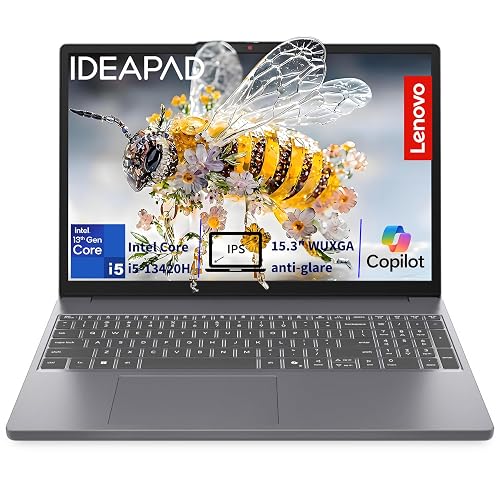 | Best Budget Pick | Processor: Intel Core i5-13420H | RAM: 16 GB DDR5 | Storage: 512 GB SSD | VIEW LATEST PRICE | Read Our Analysis |
| Samsung Galaxy Book4 2024 Business Laptop 15.6″ FHD | 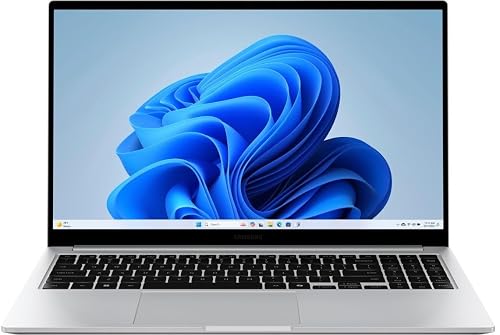 | Best Value | Processor: Intel Core 7 150U | RAM: 16 GB | Storage: 512 GB SSD | VIEW LATEST PRICE | Read Our Analysis |
| HP Essential 17t Business Laptop 17.3″ Touchscreen i7 64GB RAM 2TB SSD |  | Best for Power Users | Processor: Intel Core i7-1355U | RAM: 64 GB DDR4 | Storage: 2 TB SSD | VIEW LATEST PRICE | Read Our Analysis |
| Dell Inspiron 15.6″ Windows 11 Pro Laptop | 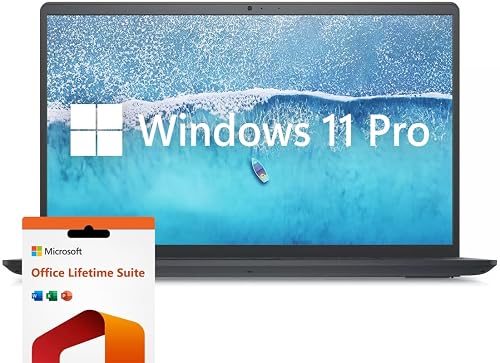 | Best for Business | Processor: Intel Core i7-1255U | RAM: 32 GB DDR4 | Storage: 1 TB SSD | VIEW LATEST PRICE | Read Our Analysis |
| Lenovo ThinkBook 16 G6 Laptop (i7-13700H 1TB SSD) | 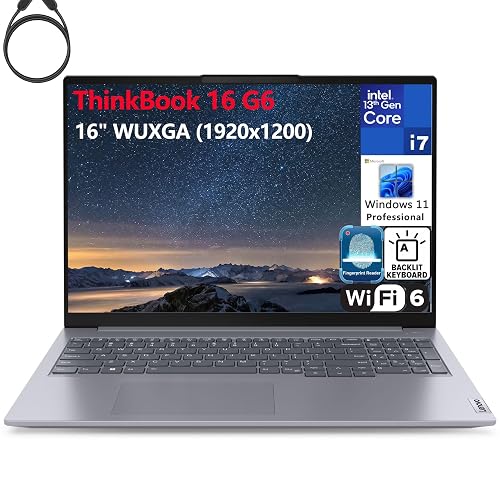 | Best Premium Option | Processor: Intel Core i7-13700H | RAM: 32 GB DDR5 | Storage: 1 TB SSD | VIEW LATEST PRICE | Read Our Analysis |
| Lenovo ThinkPad E16 AI Business Laptop (Ultra 5) | 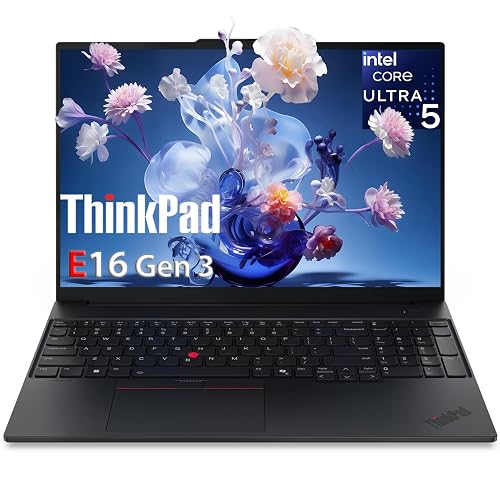 | Best for Professionals | Processor: Intel Core Ultra 5 225H | RAM: 16 GB DDR5 | Storage: 1 TB SSD | VIEW LATEST PRICE | Read Our Analysis |
More Details on Our Top Picks
Lenovo 2026 Business & Student Laptop i5 16GB 512GB SSD
If you are a financial analyst who needs a laptop that can handle spreadsheets, reports, video calls, and multitasking, the Lenovo IdeaPad Slim 3 15 is a strong option. It includes a 13th Gen Intel Core i5-13420H, 16GB of DDR5 memory, and a 512GB SSD, so you can switch between models, dashboards, and browser tabs without lag. The 15.3-inch WUXGA IPS display provides extra vertical space for sheets. WiFi 6, USB-C, HDMI, and a numeric keypad make daily work easier. It is light, durable, and built for all-day use.
- Processor:Intel Core i5-13420H
- RAM:16 GB DDR5
- Storage:512 GB SSD
- Display Size:15.3-inch
- Operating System:Windows 11 Home
- Weight:3.51 lbs
- Additional Feature:WUXGA IPS display
- Additional Feature:Dolby Audio speakers
- Additional Feature:Privacy shutter webcam
Samsung Galaxy Book4 2024 Business Laptop 15.6″ FHD
The Samsung Galaxy Book4 2024 Business Laptop is well suited for financial analysts who need a balance of portability, reliable performance, and spreadsheet-friendly comfort. It comes with an Intel Core 7 150U, 16 GB of memory, and a 512 GB NVMe SSD, so you can run models, multiple tabs, and dashboards without slowdowns. The 15.6-inch FHD IPS screen is anti-glare, bright, and color-accurate, which helps during long work sessions. You will also appreciate the full-size backlit keyboard with numpad, the fingerprint reader, Wi Fi 6E, and up to 12 hours of battery life.
- Processor:Intel Core 7 150U
- RAM:16 GB
- Storage:512 GB SSD
- Display Size:15.6-inch
- Operating System:Windows 11 Home
- Weight:3.46 lbs
- Additional Feature:100% sRGB display
- Additional Feature:Wi‑Fi 6E
- Additional Feature:Fingerprint reader
HP Essential 17t Business Laptop 17.3″ Touchscreen i7 64GB RAM 2TB SSD
With 64GB of RAM, a 13th Gen Intel Core i7, and a 2TB SSD, the HP Essential 17t Business Laptop is built for financial analysts who keep spreadsheets, dashboards, and multiple market tools open at once. You get a roomy 17.3-inch touchscreen, Wi-Fi 6, a fingerprint reader, and Windows 11 Home for fast, secure daily work. The Intel Iris Xe graphics, dual-array microphones, and a 720p webcam support meetings and presentations. USB-C, USB-A, HDMI, and Bluetooth 5.0 keep you connected. At 4.6 pounds, it is sizable, but it delivers serious multitasking power.
- Processor:Intel Core i7-1355U
- RAM:64 GB DDR4
- Storage:2 TB SSD
- Display Size:17.3-inch
- Operating System:Windows 11 Home
- Weight:4.6 lbs
- Additional Feature:17.3-inch touchscreen
- Additional Feature:64GB upgrade memory
- Additional Feature:Fingerprint reader
Dell Inspiron 15.6″ Windows 11 Pro Laptop
Built for analysts who need speed and serious multitasking, the Dell Inspiron 15.6″ Windows 11 Pro Laptop pairs a 12th Gen Intel Core i7-1255U with 32 GB of RAM and a 1 TB SSD, so you can juggle spreadsheets, market data, browser tabs, and office apps without slowing down. You also get Intel Iris Xe graphics, a 15.6-inch FHD 120 Hz anti-glare display, and a numeric keypad for faster data entry. With USB-A, HDMI, Wi-Fi, Bluetooth, and Windows 11 Pro, it fits your desk and travel workflow.
- Processor:Intel Core i7-1255U
- RAM:32 GB DDR4
- Storage:1 TB SSD
- Display Size:15.6-inch
- Operating System:Windows 11 Pro
- Weight:4.6 lbs
- Additional Feature:120Hz refresh rate
- Additional Feature:Microsoft Office lifetime
- Additional Feature:Windows 11 Pro
Lenovo ThinkBook 16 G6 Laptop (i7-13700H 1TB SSD)
If you are a financial analyst who needs a dependable Windows 11 Pro workstation for spreadsheets, modeling, and multitasking, the Lenovo ThinkBook 16 G6 stands out with its 13th Gen Intel Core i7-13700H, 32 GB of DDR5 RAM, and 1 TB SSD. You will appreciate its 16-inch WUXGA IPS display, full-size backlit keyboard with numeric keypad, and fingerprint reader for faster logins. Thunderbolt 4, HDMI 2.1, Ethernet, Wi Fi 6, and an SD card reader keep your workflow flexible. At 3.75 pounds, it is portable enough for office days and client meetings.
- Processor:Intel Core i7-13700H
- RAM:32 GB DDR5
- Storage:1 TB SSD
- Display Size:16-inch
- Operating System:Windows 11 Pro
- Weight:3.75 lbs
- Additional Feature:Thunderbolt 4 port
- Additional Feature:Fingerprint power button
- Additional Feature:HDMI 2.1 output
Lenovo ThinkPad E16 AI Business Laptop (Ultra 5)
The Lenovo ThinkPad E16 AI Business Laptop, Ultra 5 is a strong fit if you need a business-ready machine for financial analysis. It pairs an Intel Core Ultra 5 225H processor with 16 GB of DDR5 RAM, a 1 TB SSD, and Intel AI Boost for faster multitasking and AI assisted workflows. You will also appreciate the 16 inch WUXGA anti glare display, which gives you more vertical space for spreadsheets. The ThinkPad adds solid security, including a fingerprint reader and IR camera. With Thunderbolt 4, Wi Fi 6E, Ethernet, and support for triple 4K displays, it handles demanding office setups well.
- Processor:Intel Core Ultra 5 225H
- RAM:16 GB DDR5
- Storage:1 TB SSD
- Display Size:16-inch
- Operating System:Windows 11 Pro
- Weight:3.59-3.75 lbs
- Additional Feature:Intel AI Boost
- Additional Feature:Triple 4K support
- Additional Feature:Kensington Nano slot
Factors to Consider When Choosing Laptops for Financial Analysts
When choosing a laptop for financial analysis, you need sufficient processing power and memory to handle large spreadsheets and complex models without lag. Also choose a sharp, spacious display that makes data easier to read, and battery life that supports long work sessions away from an outlet. Do not overlook port selection, since the right connections make it easier to use external monitors, drives, and other essential tools.
Processing Power
Processing power should be a top priority because financial work often mixes heavy spreadsheet models, backtesting, and simulation tasks that stress both multi core and single thread performance. Choose a CPU with 6 to 14 cores, at least 8 threads, and boost speeds above 4.0 GHz so you can run complex models quickly. A modern architecture helps you crunch data, switch between Excel files, and keep virtual machines responsive. Aim for 12 to 24 MB of cache or more, since it reduces delays in repeated calculations and iterative algorithms. Also consider thermal headroom and TDP; sustained boost keeps long runs fast, and efficient chips preserve battery life. If you run local databases or AI inference, vector instructions or built in accelerators can save time.
Memory Capacity
Memory capacity matters just as much as CPU speed, because large Excel models, multi-tab workbooks, and database exports can quickly eat through RAM and slow everything down. You should target at least 16 GB if you handle typical financial models, since that helps prevent swapping and sluggish recalculations. If you run heavy models, multiple virtual machines, or in-memory analytics like large Power BI datasets or Python or R dataframes, 32 GB or more will keep paging low and computations faster. Choose a laptop with expandable RAM when you can, so you can move from 16 GB to 32, 64 GB as your workload grows. Also check memory generation and bandwidth; DDR5 can improve responsiveness. If you multitask heavily, leave 25 to 40 percent of RAM free for the OS and background services.
Spreadsheet Display
Once your laptop has enough RAM to keep large models moving smoothly, the next factor that affects daily productivity is the display. Choose at least a 1920×1200 WUXGA panel or higher so you can see more rows and columns with less scrolling. A 15 to 17 inch screen provides room for multiple panes, formulas, and side-by-side windows without constant zooming. Aim for 300 nits or more and an anti-glare finish so bright offices and stacked monitors do not wash out your sheets. An IPS or equivalent wide-angle panel keeps colors, contrast, and cell highlights readable from different viewing angles. When possible, prefer a 16:10 or 3:2 aspect ratio, since the extra vertical space shows more data and speeds review.
Battery Life
Battery life matters because you need a laptop that can keep up with full trading days, client meetings, and long stretches away from an outlet. Aim for 8 to 12+ hours of real-world runtime so you are not hunting for chargers between meetings. Check battery capacity in watt-hours; 50 to 70 Wh or more usually signals better endurance for spreadsheets, databases, and heavy browser use. Choose efficient CPUs and integrated graphics, since they draw less power than high-wattage chips or discrete GPUs. Your display also matters, lower brightness, 1080p resolution, and 60 Hz panels usually last longer than brighter, sharper, or faster screens. Fast charging and USB-C Power Delivery help you refill quickly, and battery health features can preserve capacity over years.
Port Selection
After thinking about battery life, the next thing to check is whether the laptop can actually connect to the setup you use every day. You will want at least one high-bandwidth USB-C or Thunderbolt 4 port, or USB-C with DisplayPort Alt Mode, so you can drive 4K monitors and move large files fast. A dedicated HDMI 2.0 or 2.1 port, or a DisplayPort output, helps you run external displays without adapters. Look for multiple USB-A ports for legacy peripherals, external drives, and quick transfers, plus an SD or microSD card reader for easy data import. If you handle heavy uploads or trading sessions, a wired Ethernet jack matters. Do not forget a combo audio jack and an extra USB port so your calls, keyboard, mouse, and docking needs stay connected.
Security Features
Security matters just as much as speed when you choose a laptop for financial work, especially if you handle client data, market reports, or sensitive internal models. Look for hardware-based protection such as a TPM 2.0 module and device encryption like BitLocker, so thieves cannot read data from a stolen drive. Choose biometrics, including a fingerprint reader or IR facial recognition, and secure boot to block unauthorized logins. Make sure the firmware supports firmware TPM, regular UEFI or BIOS security updates, and measured boot to spot tampering. Physical controls matter too, for example a webcam shutter, a microphone mute, and a Kensington lock slot to deter snooping and theft. Finally, verify MDM, full-disk encryption, and antivirus or EDR compatibility so your IT team can enforce policies and respond quickly.
Portability Balance
Portability is a real tradeoff for financial analysts, because you need a laptop you can carry every day without giving up usable screen space or endurance. Aim for under 4 pounds and thinner than 0.8 inches, so you can commute and travel comfortably without babying the machine. A 14 to 16 inch display usually hits the sweet spot; you will get enough spreadsheet room to work efficiently, and it will still fit in a shoulder bag. Do not ignore battery life. Expect 8 to 12 hours of mixed work so you are not hunting outlets all day. Also check for Wi-Fi 6 or 6E, Bluetooth 5.x, and USB-C charging. Finally, choose metal or reinforced builds with durability ratings, since you will handle the machine constantly.
Frequently Asked Questions
Which Laptop Best Handles Large Excel Models for Analysts?
You’ll get the best experience with a MacBook Pro with M3 Pro or a Dell XPS with Intel Core Ultra 7, 32 GB RAM, and a fast SSD. They will handle huge Excel models smoothly and reliably.
How Much RAM Do Financial Analysts Actually Need in 2026?
You’ll usually want 16 GB minimum, but 32 GB feels safer if you juggle huge Excel models, Power BI, browsers, and Teams. If you run multiple data tools, 64 GB can help.
Is a Dedicated Graphics Card Necessary for Financial Work?
Usually you do not need a dedicated graphics card for financial work. Your spreadsheets, models, and dashboards will run smoothly on integrated graphics. You only benefit from a dedicated card if you also game, edit video, or use heavy visualization software.
Which Laptop Offers the Best Battery Life for Travel?
You’ll get the best battery life from a MacBook Air, especially the M3 model. It lasts all day, stays light for travel, and you will not need to hunt for outlets during meetings or flights.
Should Analysts Choose 14-Inch or 16-Inch Laptops?
Choose a 14-inch laptop if you travel often; it is a Swiss Army knife for mobility. Choose a 16-inch laptop if you need more screen space for models and charts. You will trade portability for comfort and faster multitasking.