

Choosing the right student laptop in 2026 is not just about price. You need a machine that can keep up with classes, notes, projects, and downtime without slowing you down.
From slim Copilot+ PCs to budget-friendly Chromebooks and everyday Windows options, the best picks each solve a different need. The real question is which one fits your workload, battery expectations, and budget best.
| Microsoft Surface Pro 2-in-1 Copilot+ PC (2024) | 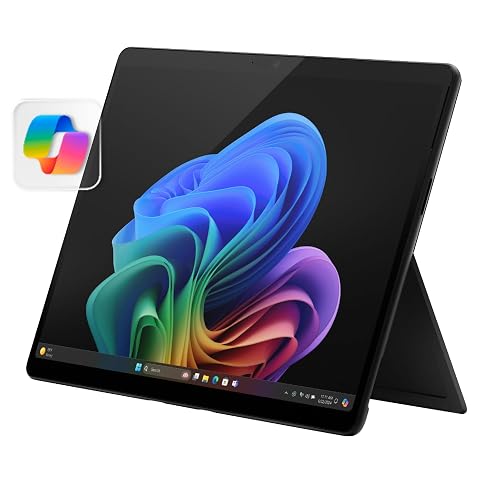 | Best Premium 2-in-1 | Form Factor: 2-in-1 tablet/laptop | Screen Size: 13-inch | Processor: Snapdragon X Elite/X Plus | VIEW LATEST PRICE | Read Our Analysis |
| Microsoft Surface Pro 2-in-1 Copilot+ PC (2024) |  | Best Storage Pick | Form Factor: 2-in-1 tablet/laptop | Screen Size: 13-inch | Processor: Snapdragon X Elite/X Plus | VIEW LATEST PRICE | Read Our Analysis |
| Microsoft Surface Laptop 2024 Copilot+ PC 1TB SSD | 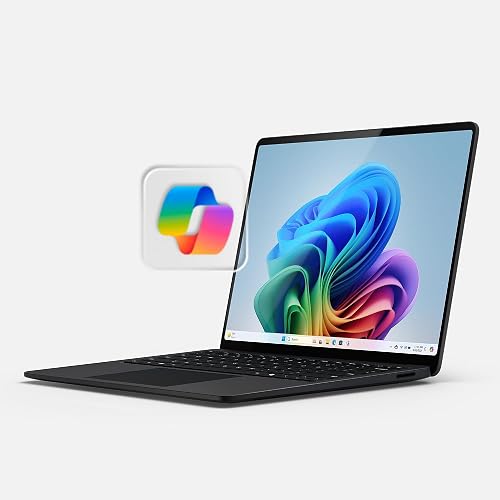 | Best Overall | Form Factor: Clamshell laptop | Screen Size: 13.8-inch | Processor: Snapdragon X Elite | VIEW LATEST PRICE | Read Our Analysis |
| HP Portable Laptop with 14″ HD Display | 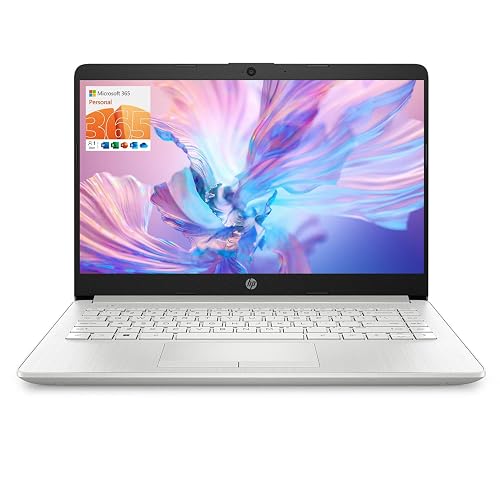 | Budget-Friendly Pick | Form Factor: Clamshell laptop | Screen Size: 14-inch | Processor: Intel Celeron N4120 | VIEW LATEST PRICE | Read Our Analysis |
| Samsung Galaxy Chromebook Go Laptop (XE340XDA-KA2US) | 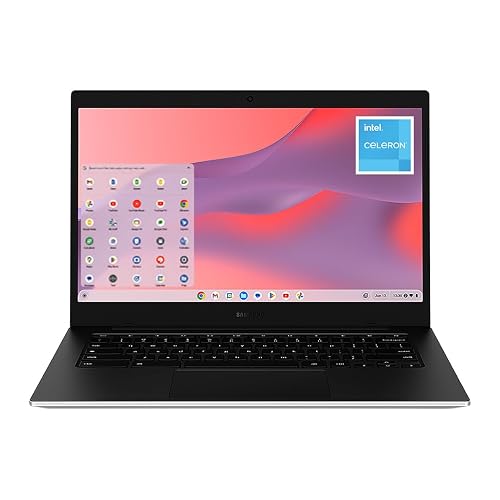 | Best Chromebook | Form Factor: Chromebook laptop | Screen Size: 14-inch | Processor: Intel Celeron N4500 | VIEW LATEST PRICE | Read Our Analysis |
| ASUS Vivobook Go 15.6″ Slim Laptop (E1504FA-AS54) | 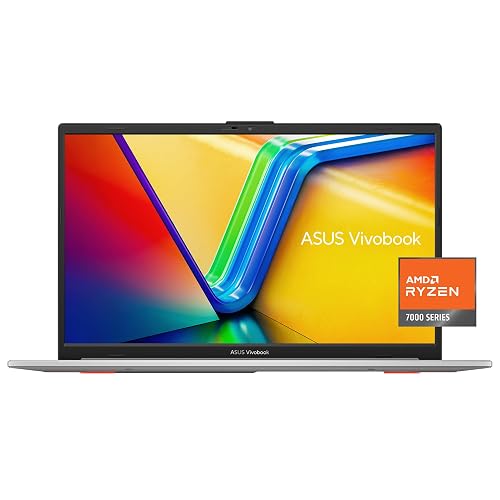 | Best Midrange Laptop | Form Factor: Slim laptop | Screen Size: 15.6-inch | Processor: AMD Ryzen 5 7520U | VIEW LATEST PRICE | Read Our Analysis |
More Details on Our Top Picks
Microsoft Surface Pro 2-in-1 Copilot+ PC (2024)
If you want a student laptop that can also handle note-taking, sketching, and classes on the go, the Microsoft Surface Pro 2-in-1 Copilot+ PC (2024) is a strong fit. You get a 13-inch OLED touchscreen, a built-in kickstand, and tablet, laptop, or sketchbook modes. Pair it with the detachable Surface Pro Flex Keyboard for more typing comfort. Inside, Snapdragon X Elite or X Plus chips, 16 GB of RAM, and AI-powered Copilot+ features help you work faster. It also offers up to 14 hours of battery life, 256 GB of storage, fast charging, and strong security.
- Form Factor:2-in-1 tablet/laptop
- Screen Size:13-inch
- Processor:Snapdragon X Elite/X Plus
- Memory:16 GB RAM
- Storage:256 GB
- Operating System:Windows 11 Copilot+ PC
- Additional Feature:13-inch OLED touchscreen
- Additional Feature:Built-in kickstand
- Additional Feature:65W fast charging
Microsoft Surface Pro 2-in-1 Copilot+ PC (2024)
The Microsoft Surface Pro 2-in-1 Copilot+ PC (2024) is a strong pick for students who want one device that can switch between laptop and tablet modes without sacrificing speed or battery life. You get a 13-inch OLED touchscreen with cinematic color and a 1,000,000:1 contrast ratio, so reading, sketching, and streaming look sharp. Choose Snapdragon X Elite or X Plus, and you will still have 16GB RAM and 1TB SSD storage for schoolwork. The built-in NPU helps Copilot+ features boost productivity, security, and privacy. Battery life lasts up to 14 hours, and fast charging keeps you moving.
- Form Factor:2-in-1 tablet/laptop
- Screen Size:13-inch
- Processor:Snapdragon X Elite/X Plus
- Memory:16 GB RAM
- Storage:1 TB SSD
- Operating System:Windows 11 Copilot+ PC
- Additional Feature:1,000,000:1 contrast
- Additional Feature:Built-in NPU
- Additional Feature:65W fast charging
Microsoft Surface Laptop 2024 Copilot+ PC 1TB SSD
Microsoft Surface Laptop (2024) Copilot+ PC is a strong fit for students who want a lightweight 13.8-inch touchscreen laptop with serious multitasking power, thanks to its Snapdragon X Elite chip, 32 GB of RAM, and 1 TB SSD. You will get a sharp 2304 x 1536 PixelSense Flow display, Wi Fi 7, Bluetooth 5.4, and up to 20 hours of battery life for long class days. At 2.96 pounds, it is easy to carry, and the haptic touchpad, backlit keyboard, and Omnisonic speakers make studying smoother. Copilot+ features add extra AI help.
- Form Factor:Clamshell laptop
- Screen Size:13.8-inch
- Processor:Snapdragon X Elite
- Memory:32 GB RAM
- Storage:1 TB SSD
- Operating System:Windows 11 Home
- Additional Feature:Wi‑Fi 7 support
- Additional Feature:Dolby Atmos audio
- Additional Feature:20-hour battery
HP Portable Laptop with 14″ HD Display
HP’s Portable Laptop TPN-Q221 is a smart pick for students who want a lightweight Windows 11 machine that handles everyday schoolwork without feeling bulky. You get a 14-inch HD BrightView screen, 16 GB of DDR4 RAM, and 64 GB eMMC storage for basic tasks, notes, and web browsing. Its Intel Celeron N4120 chip and UHD graphics will not crush heavy workloads, but they will cover everyday classes well. You can connect accessories through USB-C, USB-A, HDMI, Ethernet, and Bluetooth 5.0. With a 10.25-hour battery, you can study longer and carry less.
- Form Factor:Clamshell laptop
- Screen Size:14-inch
- Processor:Intel Celeron N4120
- Memory:16 GB RAM
- Storage:64 GB eMMC
- Operating System:Windows 11 Home
- Additional Feature:14-inch HD display
- Additional Feature:RJ-45 Ethernet
- Additional Feature:1 Year Office 365
Samsung Galaxy Chromebook Go Laptop (XE340XDA-KA2US)
If you want a lightweight student laptop that keeps schoolwork simple and portable, the Samsung 14″ Galaxy Chromebook Go (XE340XDA-KA2US) is a smart pick. You get a slim, 3.2-pound Chromebook with ChromeOS, a touchscreen, and Wi-Fi 6 for fast classwork and streaming. The Intel Celeron N4500, 4GB RAM, and 64GB SSD handle Docs, email, and web apps, and the 12-hour battery helps you study longer. You also get HDMI and USB ports, microSD expansion, Bluetooth 5.1, and a rugged build.
- Form Factor:Chromebook laptop
- Screen Size:14-inch
- Processor:Intel Celeron N4500
- Memory:4 GB RAM
- Storage:64 GB SSD
- Operating System:ChromeOS
- Additional Feature:Capacitive touchscreen
- Additional Feature:Wi‑Fi 6
- Additional Feature:Military tough
ASUS Vivobook Go 15.6″ Slim Laptop (E1504FA-AS54)
The ASUS Vivobook Go 15 (E1504FA-AS54) is a solid pick for students who want a lightweight 15.6 inch laptop that balances everyday performance with portability. It has a 1080p NanoEdge display, a 180 degree lay-flat hinge, and a privacy webcam shutter for classes and calls. Its Ryzen 5 7520U processor, 8 GB LPDDR5 memory, and 512 GB SSD handle notes, research, and streaming smoothly. Weighing 3.6 pounds, it is easy to carry, and military-grade durability adds confidence. Fast charging, Wi-Fi 5, Bluetooth 5.1, Windows 11 Home, and SonicMaster audio round out a practical student machine.
- Form Factor:Slim laptop
- Screen Size:15.6-inch
- Processor:AMD Ryzen 5 7520U
- Memory:8 GB RAM
- Storage:512 GB SSD
- Operating System:Windows 11 Home
- Additional Feature:Webcam privacy shutter
- Additional Feature:180° lay-flat hinge
- Additional Feature:Military grade durability
Factors to Consider When Choosing Laptops For Students
When choosing a laptop for school, balance budget and value with the features you actually need. Also consider portability, battery life, display quality, and performance, so the device fits your daily classes and workload. The right choice provides sufficient power without weighing you down or draining your wallet.
Budget And Value
Budget matters, but value matters more. Compare a laptop’s total cost of ownership by factoring in the purchase price, expected lifespan, warranty, and likely repair or replacement costs, then weigh that against what you actually need for school. You will get better value when the specs match your coursework instead of chasing extra power you will not use. For most students, 8 to 16 GB of RAM and an SSD handle multitasking, fast boot times, and quick file access without wasting money. Check whether the laptop offers user-replaceable storage or memory, since that can stretch its lifespan and cut upgrade costs later. Also review included software, accessories, and warranty or accidental damage coverage, because these perks can make a seemingly pricier laptop the smarter deal overall.
Portability And Weight
Portability can make or break a student laptop because you will carry it from class to class every day. Aim for a machine that weighs 3 pounds or less so it does not drag you down in a backpack. If you want a better balance between comfort and screen space, choose a 13 to 14 inch model; 15.6 inch laptops often add extra heft. Also check thickness and footprint, since a slim design under 0.8 inch slides more easily into tight bags and under desks. Do not ignore materials: lightweight aluminum or reinforced plastic helps keep weight low while still handling daily bumps. A compact, durable laptop feels easier to move, store, and use across campus without slowing you down or making every walk feel longer.
Battery Life
Battery life should be high on your list, because you need a laptop that can last through note taking, web research, and video lectures without hunting for an outlet. Aim for at least 8 to 10 hours of real world use so you can get through a full school day comfortably. Check the battery rating in watt hours; 40 Wh or more often helps, but efficiency matters too. Energy saving processors and well optimized components usually stretch runtime better than a bigger battery alone. Fast charging can also save you, letting you top up 50 to 80 percent in 30 to 60 minutes between classes. Do not trust marketing claims alone. Look for independent reviews or manufacturer notes that measure mixed workloads, such as browsing, streaming, and document editing, before you decide.
Display Quality
When you’re choosing a student laptop, the display should be clear, comfortable, and easy to carry around with you. Aim for a 13 to 15 inch screen with at least 1920×1080 resolution so you can read text easily and keep multitasking manageable without adding too much weight. A panel with 300+ nits of brightness and IPS or OLED technology helps you see better outdoors, and gives you wider viewing angles, which matters during long study sessions. If you edit photos, videos, or do design work, look for 100% sRGB or a wide color gamut. Choose anti-glare or matte finishes for bright classrooms, and consider a touchscreen for added flexibility; it can reflect more light and show fingerprints. Sixty hertz is fine for classes.
Performance Needs
Beyond the screen, you also need a laptop that can keep up with your coursework. Aim for at least a quad-core CPU with a base speed around 2.0 GHz, so you can multitask, stream lectures, and handle light creative work without lag. Match RAM to your needs: 8 GB works for basic web and office tasks, while 16 GB gives you more headroom for coding, heavier multitasking, or media projects. If you edit video, model in 3D, or run machine learning exercises, look for a capable dedicated GPU or strong integrated graphics. Also check battery life under typical use; you will want eight or more hours so you are not hunting for outlets between classes.
Storage Capacity
Storage capacity matters because you need enough room for your operating system, apps, and class files without slowing everyday use. For most student tasks, choose at least 256 GB of SSD storage, which provides a good balance of speed and space for notes, research, and streaming. If you edit video, work with high-resolution images, or use CAD, aim for 512 GB to 1 TB or more so you do not have to rely on constant cloud transfers or external drives. SSDs also boot faster and launch apps quicker than HDDs or eMMC. Remember that the OS and bundled software can use 20 to 30 percent of the listed space, so check usable capacity. If you pick a smaller drive, plan for expansion options as well.
Keyboard And Input
A comfortable keyboard and reliable input tools can make a big difference in how easily you get through classes and study sessions. Choose a laptop with a full-size keyboard, preferably with keycaps at least 15 by 15 mm and 1.5 to 2.0 mm of travel, so you can type longer without fatigue. A responsive scissor-switch or mechanical-like feel helps you avoid mistakes, while stable Backspace, Enter, and Shift keys keep typing accurate and fast. For research and document work, pick a precise multitouch trackpad at least 4 by 3 inches with Windows Precision or similar drivers. If you take handwritten notes, get a touchscreen with stylus support, low latency, and reliable palm rejection. A backlight, numeric keypad, and spill resistance can also make daily use easier.
Connectivity And Ports
Once you have a keyboard that feels good to use, the next thing to check is how well the laptop connects to everything else you need for class. Make sure it has at least one USB-C port with power delivery and DisplayPort Alt Mode, so you can charge it, use modern hubs, and hook up external monitors. A good student laptop also gives you a mix of ports, including USB-A, HDMI or USB-C video, and a 3.5 mm audio jack for flash drives, displays, and wired headsets. Built-in Wi-Fi 6 and Bluetooth 5.x help you stay fast and stable online. An SD card slot saves time, and Ethernet support helps when you need reliable wired speeds.
Frequently Asked Questions
How Long Do Student Laptops Usually Last?
Student laptops typically last about 4 to 6 years with careful use. You can extend that with good battery habits, regular updates, and timely repairs. Heavy workloads and intensive tasks will shorten their lifespan.
Are Student Laptops Good for Gaming Too?
About 70% of student laptops can handle casual games, but you should choose one with a dedicated GPU for smoother play. You can game on them, however they are generally better suited to schoolwork than to demanding titles.
Which Operating System Is Best for Students?
You’ll usually do best with Windows if you need flexibility, broad app support, and affordable options. Choose macOS if you value battery life and simplicity. Pick ChromeOS if you mainly work online.
Do Students Need a Touchscreen Laptop?
You do not need a touchscreen laptop, but it can feel like a magic wand for note taking and sketching. If you rarely use touch apps, you will save money and get better battery life.
Can These Laptops Handle Programming Classes?
Yes, you can use them for programming classes if they have a decent processor, sufficient RAM, and solid battery life. You will be able to code comfortably in Python, Java, or web technologies, though heavier projects may require more powerful hardware.