

If your last laptop felt like a backpack full of bricks, you are not alone.
In 2026, you have smarter picks that balance speed, storage, and ease without the stress.
The ASUS Vivobook Go, Samsung Galaxy Chromebook Go, Dell 15, and Apple MacBook Neo and MacBook Air each solve a different problem, from simple school work to long battery life and stronger privacy.
The real question is which one fits your day best, and that is where it gets interesting.
| ASUS Vivobook Go 15.6″ Slim Laptop (E1504FA-AB34) | 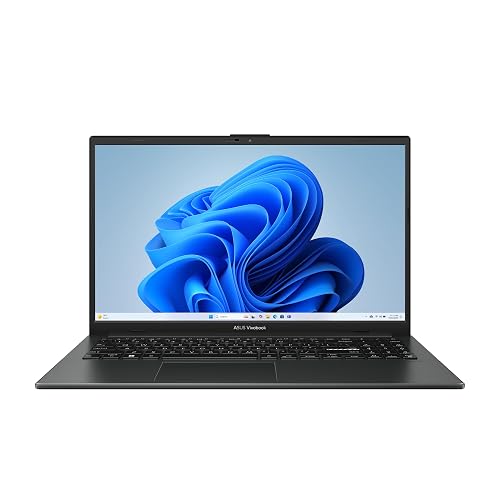 | Best Budget Windows | Screen Size: 15.6-inch | Display Type: FHD LED | Processor: AMD Ryzen 3 7320U | VIEW LATEST PRICE | Read Our Analysis |
| Samsung Galaxy Chromebook Go Laptop (XE340XDA-KA2US) | 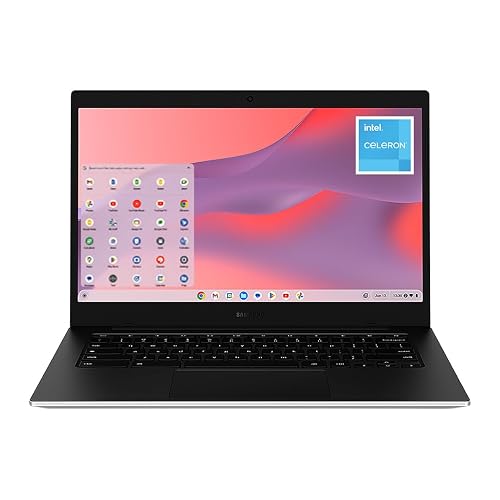 | Best Chromebook | Screen Size: 14-inch | Display Type: LCD | Processor: Intel Celeron N4500 | VIEW LATEST PRICE | Read Our Analysis |
| Dell 15 Laptop DC15250 with FHD Display | 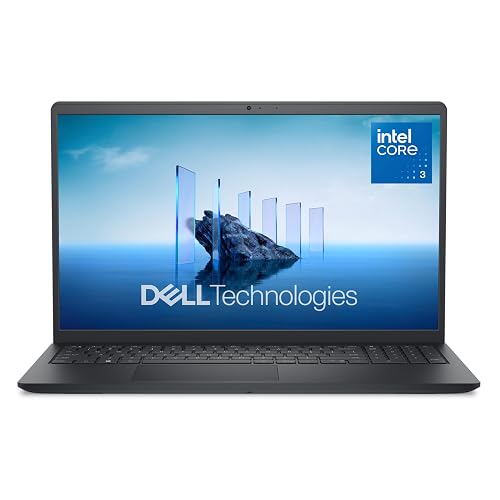 | Best Midrange Dell | Screen Size: 15.6-inch | Display Type: FHD LED | Processor: Intel Core 3 100U | VIEW LATEST PRICE | Read Our Analysis |
| Apple 2026 MacBook Neo 13-inch Laptop (A18 Pro) | 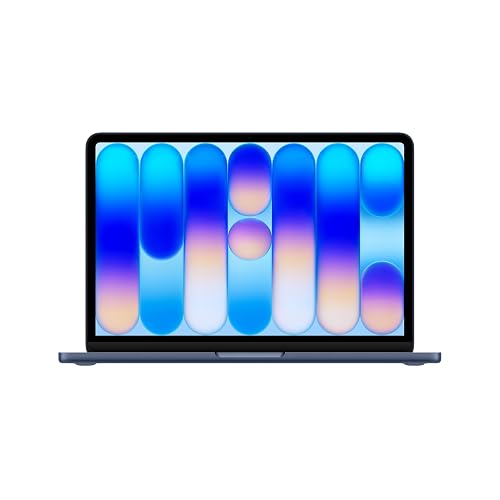 | Best AI Laptop | Screen Size: 13-inch | Display Type: Liquid Retina | Processor: Apple A18 Pro | VIEW LATEST PRICE | Read Our Analysis |
| Apple 2026 MacBook Neo 13-inch with A18 Pro Chip |  | Best Ultra-Light Mac | Screen Size: 13-inch | Display Type: Liquid Retina | Processor: Apple A18 Pro | VIEW LATEST PRICE | Read Our Analysis |
| Apple 2026 MacBook Neo 13-inch Laptop (A18 Pro) |  | Best MacBook Value | Screen Size: 13-inch | Display Type: Liquid Retina | Processor: Apple A18 Pro | VIEW LATEST PRICE | Read Our Analysis |
| Apple MacBook Air 13-inch Laptop with M5 chip | 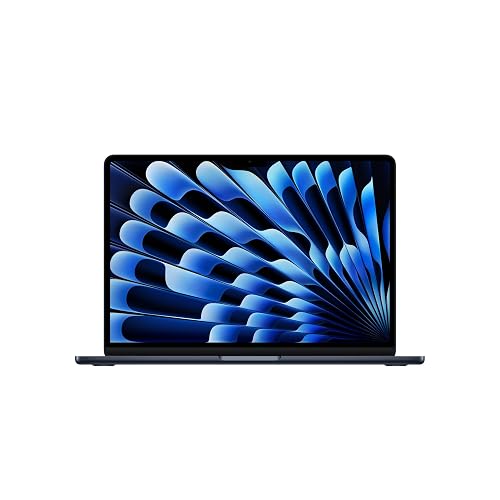 | Best Premium MacBook | Screen Size: 13.6-inch | Display Type: Liquid Retina | Processor: Apple M5 | VIEW LATEST PRICE | Read Our Analysis |
More Details on Our Top Picks
ASUS Vivobook Go 15.6″ Slim Laptop (E1504FA-AB34)
The ASUS Vivobook Go 15.6″ Slim Laptop is a smart pick if you want a light, everyday laptop that keeps things simple without feeling cheap. It features a 15.6-inch FHD display, a Ryzen 3 7320U processor, 8 GB of LPDDR5 memory, and a 256 GB SSD, so your schoolwork, browsing, and streaming stay smooth. The 720p IR camera has a privacy shutter, which helps you feel safer on calls. The 42 Wh battery supports fast charging. WiFi 5, Bluetooth 5.1, and three USB ports keep you connected. Its sturdy MIL-STD 810H build and 180 degree hinge add real confidence.
- Screen Size:15.6-inch
- Display Type:FHD LED
- Processor:AMD Ryzen 3 7320U
- RAM:8GB
- Storage:256GB SSD
- Operating System:Windows 11 Home
- Additional Feature:180° lay-flat hinge
- Additional Feature:Military-grade durability
- Additional Feature:Numeric keypad
Samsung Galaxy Chromebook Go Laptop (XE340XDA-KA2US)
The Samsung Galaxy Chromebook Go XE340XDA-KA2US is a smart pick if you want a light, durable student laptop that keeps up with busy days and does not feel fussy to use. It features a 14-inch touchscreen, a comfortable chiclet keyboard, and Chrome OS with Gmail, Docs, Photos, and YouTube built in. The Intel Celeron N4500 processor, 4 GB of RAM, and 64 GB SSD handle classwork and browsing well. Battery life reaches about 12 hours, and Wi-Fi 6, Bluetooth 5.1, and 4G support help you stay connected. At 3.2 pounds it is easy to carry, and the military-grade build provides added peace of mind.
- Screen Size:14-inch
- Display Type:LCD
- Processor:Intel Celeron N4500
- RAM:4GB
- Storage:64GB SSD
- Operating System:Chrome OS
- Additional Feature:Capacitive touchscreen
- Additional Feature:4G cellular support
- Additional Feature:450 nit brightness
Dell 15 Laptop DC15250 with FHD Display
Dell 15 Laptop DC15250 with FHD Display is a smart pick if you want a dependable everyday laptop that does not feel cramped or fussy. You get a 15.6-inch FHD screen with a matte anti-glare finish, so your eyes stay calmer during long work or class sessions. The Intel Core 3 100U, 8 GB of RAM, and 512 GB SSD keep tasks moving smoothly. Wi-Fi 6, Bluetooth 5.3, and three USB ports make connections easy. The lifted hinge, roomy keypad, and Windows 11 Home help you work more comfortably.
- Screen Size:15.6-inch
- Display Type:FHD LED
- Processor:Intel Core 3 100U
- RAM:8GB
- Storage:512GB SSD
- Operating System:Windows 11 Home
- Additional Feature:120Hz refresh rate
- Additional Feature:ComfortView blue light
- Additional Feature:Express Charge support
Apple 2026 MacBook Neo 13-inch Laptop (A18 Pro)
If you want a light 13-inch laptop that feels fast from the moment you open it, the Apple 2026 MacBook Neo with the A18 Pro chip is a smart fit for students, busy professionals, and everyday users who need speed without fuss. It has a durable aluminum body, four fresh colors, and a keyboard that matches. The Liquid Retina display looks sharp, and the 1080p camera, dual microphones, and spatial audio make calls clear. With up to 16 hours of battery life, Touch ID, 512 GB of storage, and smooth iPhone syncing, it keeps your day moving.
- Screen Size:13-inch
- Display Type:Liquid Retina
- Processor:Apple A18 Pro
- RAM:8GB
- Storage:512GB SSD
- Operating System:macOS
- Additional Feature:Touch ID unlock
- Additional Feature:iPhone Mirroring
- Additional Feature:500 nits brightness
Apple 2026 MacBook Neo 13-inch with A18 Pro Chip
Apple’s 2026 MacBook Neo 13-inch is a smart pick if you want a light laptop that still feels fast, modern, and easy to carry all day. It has a durable aluminum body, weighs 2.7 pounds, and comes in Silver, Blush, Citrus, and Indigo. Inside, the A18 Pro chip, 8 GB of unified memory, and a 16-core Neural Engine keep performance smooth for work and AI tasks. The 13-inch Liquid Retina display looks sharp, and the 1080p camera, strong microphones, and long battery life make calls and streaming effortless.
- Screen Size:13-inch
- Display Type:Liquid Retina
- Processor:Apple A18 Pro
- RAM:8GB
- Storage:512GB SSD
- Operating System:macOS
- Additional Feature:Hardware-accelerated ray tracing
- Additional Feature:3.5 mm jack
- Additional Feature:External 4K display
Apple 2026 MacBook Neo 13-inch Laptop (A18 Pro)
The Apple 2026 MacBook Neo 13-inch Laptop with the A18 Pro chip is an excellent choice for anyone who wants a lightweight, stylish Mac that is easy to carry and still handles daily work with confidence. It features a durable aluminum body, a bright 13-inch Liquid Retina display, and a comfortable color-matched keyboard available in Blush, Silver, Citrus, or Indigo. The A18 Pro keeps spreadsheets, photo edits, and Apple Arcade running smoothly. You also get long battery life, fast FaceTime video, Touch ID, iPhone Mirroring, and strong privacy features in macOS.
- Screen Size:13-inch
- Display Type:Liquid Retina
- Processor:Apple A18 Pro
- RAM:8GB
- Storage:512GB SSD
- Operating System:macOS
- Additional Feature:Dolby Atmos audio
- Additional Feature:Live Captions support
- Additional Feature:4K display support
Apple MacBook Air 13-inch Laptop with M5 chip
For students, travelers, and everyday users who want a light laptop that still feels fast and polished, the 13-inch MacBook Air with M5 makes a strong case. It has a 10-core CPU, a 10-core GPU, and 16 GB of unified memory, so apps open quickly and multitasking stays smooth. The 13.6-inch Liquid Retina display shows rich color, and the 12 MP Center Stage camera with a six-speaker system helps you look and sound clear on calls. With up to 18 hours of battery life, MagSafe charging, and 3.3-pound portability, it fits your day.
- Screen Size:13.6-inch
- Display Type:Liquid Retina
- Processor:Apple M5
- RAM:16GB
- Storage:512GB SSD
- Operating System:macOS
- Additional Feature:10-core GPU
- Additional Feature:Wi‑Fi 7
- Additional Feature:MagSafe 3 charging
Factors to Consider When Choosing Laptops
When choosing a laptop in 2026, start with what you need it to do, because strong performance matters more for heavy work than for basic browsing. Then evaluate display quality, battery life, port selection, and storage capacity, since these details determine how smooth and comfortable your day will be. Choose a laptop that fits your routine, not one that forces you to change your routine.
Performance Needs
Performance matters most when you want a laptop that keeps up with your day instead of slowing you down. Start with the processor, because more cores and faster boost speeds help you handle work, school, and creative tasks with less lag. If you only browse and stream, 4 cores and 8 threads can work, but 10-core chips with boosts up to 4.7 GHz give you more breathing room. Next, match memory to how you multitask. You can manage with 4 GB for basics, 8 GB feels better, and 16 GB or more makes heavy apps smoother. Then check storage, graphics, and battery life. A 512 GB drive, stronger GPU support, and efficient chips can keep you moving all day.
Display Quality
A laptop’s screen can make or break how much you enjoy using it, because you stare at it for hours every day. You want sharp detail, so choose at least 1920 × 1080; go higher if you edit photos or read tiny text often. Brightness matters too, especially if you work near windows. Around 500 nits stays clearer than dimmer 250 nit panels. Next, check color. A wider gamut or 1 billion colors gives you richer reds, deeper blues, and less washed-out video. If you scroll a lot, a 120 Hz display feels smoother than 60 Hz. Finally, pick the finish that fits your routine. Matte screens cut glare, while touchscreens add convenience, even if they can soften image clarity a bit.
Battery Life
Battery life matters most when you need your laptop to keep up with real life, not just a wall outlet. When you compare models, check the watt-hour rating first. A 42 Wh battery may last about 11 hours, while a larger 66.5 Wh pack can stretch close to 18 hours. That extra capacity can save you from hunting for a charger at the worst moment.
Next, look at the parts inside. Power-efficient processors, integrated graphics, and dimmer displays usually sip less energy during everyday work. If you move between classes, meetings, or trips, fast charging helps you top up quickly and get back to work. If you plan to stay unplugged for long stretches, choose both a strong rated battery life and a battery size that fits how hard you work.
Port Selection
How many ports do you really need, and which ones will save you from dongle chaos later? Start by counting the total ports, because some laptops give you only three USB spots, while others squeeze in four useful connections. You will want USB-C for charging and data, HDMI for your monitor, and a headphone jack for wired sound. If you plug in an external display, make sure the laptop can drive at least one 4K screen at 60 Hz, since that usually means the ports are truly capable. Also check for USB 3.2 Gen 1, Thunderbolt 4, or DisplayPort 1.4, because they boost speed and compatibility. Then look at Wi-Fi 6 or 7, and Bluetooth 5.1 or higher, so fewer gadgets crowd your desk.
Storage Capacity
Storage capacity determines how much you can keep on your laptop before you start juggling files like a circus act. For light use, 64 GB can work, but it fills fast. If you want room for school work, web apps, and everyday photos, 256 GB is a safer start. For most people, 512 GB feels more relaxed because it leaves space for apps, media, and files you want to keep. If you handle large photo sets, video clips, games, or many project folders, aim for at least 512 GB so you do not have to keep deleting things. SSD storage is worth choosing because it opens files and launches apps faster. Also check how much storage the system and preloaded software take on day one.
Memory Size
Once you’ve chosen enough storage for your files, memory size is the next factor that determines whether your laptop feels smooth or strained. You will notice the difference when you open several apps, switch between browser tabs, or keep background tasks running. For most everyday use, 8 GB is sufficient for web browsing, document editing, and streaming. Multitasking on 4 GB can feel cramped quickly. When you edit photos, manage large spreadsheets, or run multiple productivity apps, more memory helps significantly. Faster memory speeds and unified memory also improve responsiveness, because the processor and graphics can access data more efficiently. If you plan to keep your laptop for several years, opting for extra memory now can prevent headaches later.
Portability Factors
When you choose a laptop you will carry every day, portability can matter as much as speed. You will notice the difference immediately when a machine weighs 2.7 pounds rather than 5.5. A lighter body keeps your shoulder from complaining by noon. Thin designs also help, especially when the laptop is about 0.45 to 0.70 inches thick, because it slips into a bag without a fight. Screen size matters too; 13-inch and 14-inch models travel more easily than 15.6-inch ones. If you move around a lot, seek battery life between 11 and 18 hours so you can leave the charger behind. A compact chassis, for example 11.7 by 8.1 inches, also fits backpacks and cramped desks with less hassle.
Operating System
The operating system sets the tone for your whole laptop experience, almost like the front door to your digital life. You will feel it in every click, app, and update. Windows provides wide software support, solid file tools, and account controls, so it is a safe choice if you need many desktop programs. Chrome OS keeps things fast and simple, with quick startup, automatic updates, and smooth cloud use through Google services. macOS works best if you already use Apple devices, since it syncs messages, apps, and files with ease. It also includes privacy tools such as encryption and device finding. Before you choose, check which programs, cloud services, and security features matter most to your daily routine and other devices.
Frequently Asked Questions
Which Laptop Has the Best Battery Life for Travel?
For travel, you will get the best battery life from a MacBook Air with Apple silicon. It lasts all day, remains lightweight, and uses power efficiently. If you need Windows, choose an ultraportable with a battery capacity of 70 Wh or more.
Are These Laptops Good for Video Editing?
Yes, they are good for video editing if you choose one with a fast CPU, 16 GB or more of RAM, and a strong GPU. You will edit more smoothly on a color-accurate, high-resolution display, and SSD storage improves performance.
Which Model Is Easiest to Upgrade Later?
The hinge on your toolbox matters most: choose the model with user-accessible RAM, SSD slots, and an underside panel. You will find it much easier to upgrade later, while sealed ultrabooks trap your options behind polished walls.
Do Any Support Gaming Well in 2026?
Yes, some do. You will want a laptop with a discrete GPU, a high-refresh display, strong cooling, and at least 16 GB of RAM. Ultrabooks will not game well. Gaming and creator models should handle 2026 titles nicely.
Which Laptop Offers the Best Value Under $1000?
You’ll likely find the Lenovo Yoga 7i or ASUS Zenbook 14 your best value under $1000, sleek, fast, and versatile like a modern Swiss Army knife. You get strong performance, long battery life, and premium features.