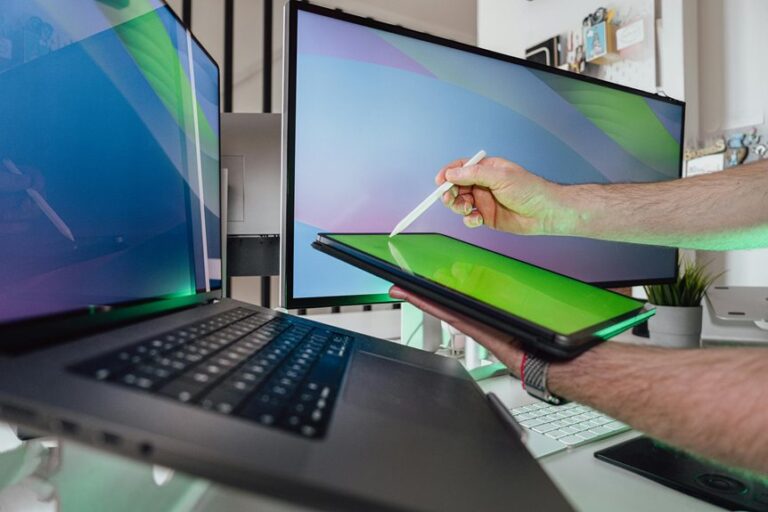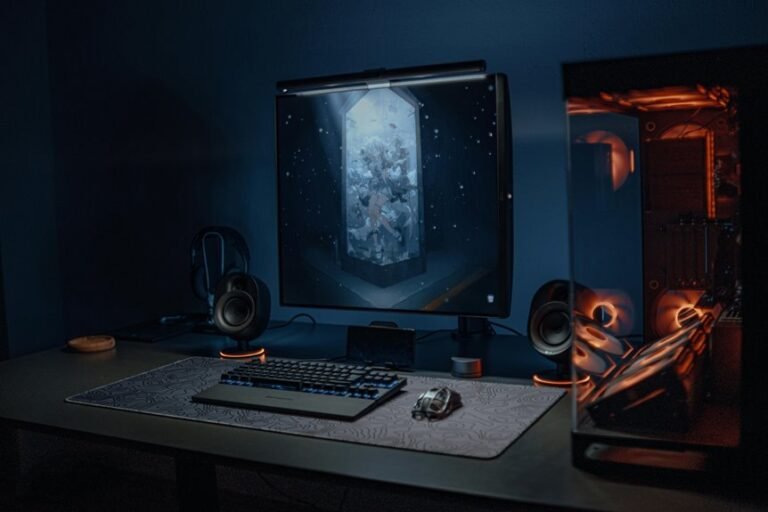


Laptop screens aren’t naturally bad at color, but many look off because the settings aren’t tuned well. A few simple calibration steps can make colors look more accurate and balanced. Things like brightness, gamma, contrast, and color temperature all play a big part. This guide shares eight easy ways to improve your laptop screen color without making the process feel complicated.
Check Your Screen in Neutral Light
Why does your screen sometimes look fine at night, then oddly blue or dull the next morning? Your eyes aren’t failing you. Your laptop is reacting to ambient conditions, and that shift can make colors seem off before you even change a setting.
Start with checking your display in neutral lighting, where sunlight, lamps, and wall colors don’t push your eyes toward warm or cool tones.
Sit in a space with soft, even light. Avoid harsh window glare, yellow bulbs, and very dark rooms, because each one changes how you judge whites, grays, and skin tones.
In case your laptop or a colorimeter can read room light, use it. That gives you a steadier starting point.
At the time you view your screen under balanced light, you join the group that trusts what they see.
Set Brightness Before You Calibrate
Before you touch gamma or color sliders, set your screen brightness to a level that lets you see shadow detail without making the display feel harsh on your eyes.
This step matters because brightness initially gives every later adjustment a better starting point.
When the screen is too bright, dark areas disappear and colors can feel thin.
When it’s too dim, you might miss fine contrast and strain your eyes.
Use Your Built-In Calibration Tool
Now that your brightness is in a comfortable range, you can open your laptop’s built-in calibration tool and start shaping the screen more carefully. If you use Windows, search Calibrate display color to launch the windows calibration wizard. This built in display tool guides you step by step, so you won’t feel lost.
| Step | What you do | Why it helps |
|---|---|---|
| Open tool | Search Windows settings | Starts guided setup |
| Check contrast | Keep bright areas clear | Preserves detail |
| Balance colors | Make grays look neutral | Reduces color cast |
| Compare screens | Review before and after | Builds confidence |
As you move through each screen, trust your eyes and take your time. You’re joining the same careful process many people use to make photos, videos, and everyday browsing feel more natural and welcoming.
Adjust Gamma for Better Midtones
Since the built-in calibration tool already showed you sample patterns, gamma is the next setting to fine-tune because it controls how bright or dark the middle tones look on your screen. When gamma is off, photos can seem flat, muddy, or oddly harsh, even though black and white areas look fine.
To fix that, use the gamma slider and watch the center dots in the sample boxes. You want them to fade so they barely stand out. That sweet spot creates better gamma midpoint balance and helps your screen feel more natural to your eyes.
As you adjust, pay attention to faces, clouds, and fabric, since these reveal midtone tonal correction clearly. Take your time. Small changes matter, and with a careful tweak, your display starts looking like it truly belongs with the rest.
Set Contrast and Color Temperature
While gamma shapes your midtones, contrast and color temperature decide whether the whole image looks crisp and natural or harsh and oddly tinted.
Start with a neutral image mode, then raise contrast until bright areas stay clean and textured, not blown out. That gives you better contrast balance without making whites look sharp enough to bite.
Next, set color temperature near Default or 6500K, which usually gives your screen a natural look. When it shifts too warm, faces can look sunburned. When it runs too cool, whites can turn icy blue.
As you test, image:
- white clouds with soft detail
- skin tones that feel real and welcoming
- black fabric with visible folds
A small change in color warmth can make your screen feel more like home, and your edits feel shared and trusted.
Choose the Right Color Profile
Now that you’ve set contrast and color temperature, you need a color profile that fits how you use your laptop.
Choose an accurate ICC profile so your screen shows colors the way they should, whether you edit photos, watch videos, or handle everyday work.
When the profile matches your real use, you’ll get a display that feels more natural, balanced, and far less frustrating.
Select Accurate ICC Profiles
Although your screen can look “better” after a few quick tweaks, the right ICC profile is what helps it look correct, and that matters whenever you want colors to stay faithful across apps, photos, and devices.
To get there, check profile compatibility initially, because a profile built for another panel can make skin tones drift or shadows clog. Just as crucial, protect ICC source trust. Download profiles from your laptop maker, panel maker, or a measured calibration tool, not random forum uploads.
Picture the difference:
- A sunset keeps its soft peach glow, not neon orange.
- A gray hoodie looks neutral, not blue or pink.
- A family photo feels natural on screen and in print.
That way, you join a workflow you can rely on, and your edits feel confidently shared everywhere.
Match Profile To Usage
Getting the right ICC profile on your laptop is only half the job, because you also need to match that profile to how you actually use the screen.
When you edit images, choose photo editing profiles that target neutral whites, accurate skin tones, and steady gamma. That helps your work look right everywhere, so you feel confident sharing it with your creative circle.
When you mostly play games, a gaming display profile makes more sense. It can keep shadow detail visible, highlights clear, and colors lively without pushing them too far.
For movies, a balanced profile with 6500K often feels natural and easy on your eyes.
As your needs change, switch profiles instead of forcing one setup to do everything. That simple habit helps your screen fit your world, not fight it daily.
Use a Hardware Calibrator if Needed
Should you want the most accurate colors possible, a hardware colorimeter is the tool that makes the biggest difference. It clips onto your laptop screen and works with software to guide hardware calibration using real measurements, not guesswork.
That means stronger colorimeter accuracy than built in tools alone, especially whenever you want dependable RGB results.
You don’t need to be a color expert to use one, and that’s the good part. It helps you feel in control and part of the creative crowd that values true color.
- You place the sensor on the screen like a small eye.
- The software reads light in your room and on the display.
- It builds a profile that brings skin tones, skies, and shadows into balance.
Tools like Spyder and ColorMunki make this process simple and trustworthy.
Recheck Your Screen Calibration Often
Regularly rechecking your screen calibration keeps your laptop display honest, because color can drift over time as lighting changes, settings shift, and the panel ages.
Even a solid setup won’t stay perfect forever.
That’s why you should revisit calibration every few weeks, especially if you edit photos, stream, game, or work near windows.
As ambient changes move through your day, your eyes adapt, and that can hide small problems.
A quick check helps you catch screen drift before it affects skin tones, shadows, or whites.
When you use Windows or macOS tools, rerun them when your room light changes a lot.
Whenever you own a hardware colorimeter, use it on a schedule for steadier results.
Staying consistent helps you trust what you see, and that confidence helps you feel part of the creative crowd.
Frequently Asked Questions
Can Screen Protectors Affect Laptop Color Accuracy During Calibration?
Yes. A screen protector can change calibration results by affecting brightness, contrast, reflections, and color balance. For the most accurate outcome, calibrate the laptop with the protector already applied so the display is adjusted for the way you actually view it.
Does Battery Saver Mode Change Display Colors on Laptops?
Yes, battery saver mode can change how colors look on a laptop because it often lowers brightness, affects contrast, or turns off HDR. For more accurate and consistent color calibration, switch battery saver mode off first.
Should I Calibrate My Laptop Screen for Gaming Separately?
Calibrate your laptop screen separately for gaming if you want visuals that match how games are designed to look. Use a gaming focused color profile for stronger contrast and more vivid scenes, but adjust refresh rate settings on their own so motion stays smooth and input response remains reliable.
Why Do Two Identical Laptops Show Slightly Different Colors?
Two matching laptops can still display slightly different colors because each screen leaves the factory with small panel differences. To bring them closer, calibrate both displays, set the white point to 6500K, and adjust gamma, brightness, and contrast until the image looks more consistent.
Can External Monitors Use the Same Calibration Profile as My Laptop?
No. An external monitor should not use your laptop’s calibration profile. Different panels render color, brightness, gamma, and white point differently, so sharing one ICC profile can cause inaccurate color and tonal shifts. Calibrate each display on its own and save a separate ICC profile for each one.