

A focused workspace starts with fewer distractions and a setup that feels easy to use. Clear the room, cut extra noise, and keep only what supports the task in front of you. Simple changes to your desk, screen, and phone can help your mind stay steady longer. Build that calm foundation, and work starts to feel lighter and more manageable.
Start With a Distraction-Free Workspace Setup
As your space feels busy, your brain has to work harder than it should, so the initial step is to build a setup that calms your mind before you even start.
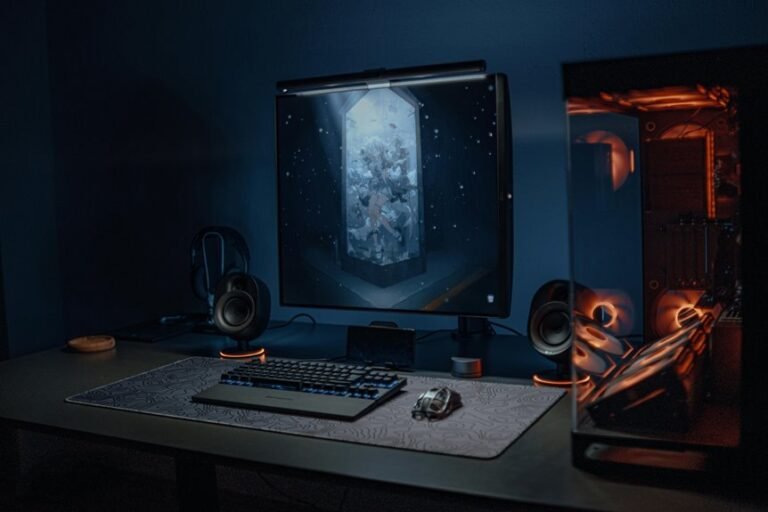
You deserve a desk that feels like yours, not a catchall for clutter. Start with workstation inspiration that keeps only what you use most, then add storage for the rest. Keep your monitor at eye level, and place tools within easy reach so you stay in a steady flow.
Next, cut visual noise with a clean surface, soft lighting, and one simple spot for notes instead of phone checks. This productivity mindset helps you settle in faster, feel more at home, and protect your focus without turning work into a chore.
Choose the Right Workspace Location
The right workspace location can make a huge difference in how calmly you consider and how long you can stay on task. You’ll feel more settled once you pick a quiet spot away from busy paths, doorways, and chatter.
Do a quick workspace location audit, then listen for what travels through the room. A room acoustics check helps you notice echoes, hums, and thin walls before they wear you down.
Next, choose a place where you can settle in and feel part of the workday without extra noise pulling at you.
In case you share space, aim for a corner that supports your rhythm and respects others too. Small shifts in location can help you stay grounded, focused, and quietly confident.
Cut Visual Clutter From View
When your eyes keep catching piles, cables, and random bits on the desk, your brain has to work harder than it should. You can ease that strain through cutting visual clutter from view.
Start with desk minimalism: keep only the tools you use today within sight. Then move extras into drawers, boxes, or a shelf. Next, tuck cords behind the desk or along the wall so they stop pulling your attention.
You’ll also feel calmer upon papers live in one tray instead of spread around like tiny rebels. Finally, clear the screen edge and nearby surfaces, because small objects still compete for focus. With less visual clutter, you make room for steady attention, and your workspace feels more like a place where you belong.
Block Noise Before It Breaks Focus
You can cut a lot of noise before it reaches your ears through choosing a quieter spot and sealing small gaps around the door.
Should your space still feels busy, try white noise or a steady fan to soften sharp sounds and help your mind settle.
Even a few simple changes can make your workspace feel calmer and easier to trust.
Seal Door Gaps
Even a tiny gap under or around your door can let in a surprising amount of noise, so sealing it can make your workspace feel calmer fast. You don’t need a full remodel to feel part of a quieter, more focused crew.
Start with weatherstripping options that match your door, then check door seal materials like foam, rubber, or silicone for a snug fit. Add a sweep at the bottom if light still shows through.
Next, press along the frame and listen for air leaks, because where air slips, sound often follows. If your door rattles, tighten the hinges too. Small fixes can help you settle in, stay steady, and feel less pulled by hallway chatter.
Use White Noise
If sealing the door still leaves your space feeling busy, white noise can help soften the edges of the room. You don’t have to fight every tiny sound alone. A steady fan, app, or machine gives you ambient sound masking, so voices and hallway bumps fade into the background. That’s one of the best white noise benefits: your brain stops jumping at every little cue.
| Option | Effect |
|---|---|
| Fan | Gentle hum |
| App | Custom volume |
| Machine | Stable tone |
| Rain track | Calm texture |
Try a low setting firstly, then adjust until it feels smooth, not harsh. Whenever the sound blends in, you can settle faster and stay with your work longer. It’s a small shift, but it can make your desk feel like your own little team.
Choose Quiet Zones
While noise keeps sneaking in, the smartest move is to place your work in the quietest part of the room. You’ll feel more at ease whenever quiet room selection guides your setup. Look for a corner away from doors, printers, and chatty paths, because low traffic area planning helps protect your attention before it slips away.
Whenever you share the space, pick a spot that feels calm and respectful, not awkward or concealed. Then face your desk toward a wall or a calm view so sudden movement won’t pull your eyes off task.
Add a screen, plant, or curtain whenever sound still leaks through. Small changes can make your workspace feel like your team, your pace, and your focus all belong together.
Use Lighting That Supports Focus
Good lighting can make your workspace feel calm, clear, and much easier to focus in, and that’s a big deal whenever your brain is already juggling a lot. Use task lighting to brighten the spot where you read, write, or type, so you don’t strain your eyes.
Then choose a color temperature that matches your work: cooler light can help you stay alert, while softer light works better whenever you need a calmer feel. If you share space, adjust your lamp so it lights your area without blasting everyone else.
You’ll feel more settled whenever the room looks steady, not harsh. Also, avoid glare on screens by moving your light a little higher or to the side. Small changes like these help you fit in and stay on track.
Arrange Your Desk for Deep Work Focus
A well-set desk can make deep work feel a lot less like a fight and more like a steady flow. You’ll feel that calm faster once you clear away extras and keep only what you use most.
Good desk ergonomics matter, so adjust your chair, keyboard, and arm height until your body feels supported, not tense. Next, set monitor placement so the screen sits at eye level and about an arm’s length away. That small shift helps your neck relax and keeps your attention on the task.
Then place your notebook, pen, and water within easy reach, so you don’t break your rhythm. Once your desk feels open, ordered, and yours, you can settle in with less effort and more confidence.
Set Up Digital Focus Zones
Now that your desk feels calm and ready, it helps to protect that same focus on your screen and devices too. You can build digital focus zones that match how you work, so your tools feel like allies, not traps. Start with app specific workspaces for writing, research, and planning. Then use browser tab grouping to keep one project in view at a time.
| Zone | What you do |
|---|---|
| Writing | Open one doc and close extras |
| Research | Keep sources in one grouped set |
| Planning | Use one app for tasks |
| Review | Check only finished items |
| Reset | Clear clutter before switching |
These small boundaries help you feel part of a steady rhythm, and that sense of order makes it easier to stay with your team, your task, and your pace.
Control Notifications During Work Hours
Whenever you keep notifications under control during work hours, your mind gets a real chance to settle in and stay there. You’re not being rude whenever you protect your attention; you’re protecting your best work.
Start with notification scheduling so alerts arrive only whenever you choose, not whenever an app feels chatty. Then use alert prioritization to keep only the messages that truly need your response. Mute the rest, and check them during planned breaks.
That way, you stay connected without feeling pulled in ten directions. Also, tell your team whenever you’ll reply, so they know your quiet time still belongs to the group. With a few clear settings, you can work with less stress and more confidence, and your day starts to feel a lot more manageable.
Use Focus Tools That Reduce Distractions
Once your notifications stop tugging at your attention, your focus tools can do their best work.
You can lean on focus timer apps to break big tasks into calm, doable sprints. As you set a clear timer, you give yourself a finish line, and that makes starting feel less lonely.
Next, use distraction blocking tools to shut out noisy websites and tempting tabs before they pull you off track. These tools help you stay with your team’s shared goal, even as your brain wants a quick detour.
You can also pair timers with gentle reminders that keep your pace steady.
Together, they create a workspace that feels more supportive, less scattered, and easier to trust. That sense of control can make focused work feel like home.
Adopt Habits That Protect Deep Work Time
You can protect deep work by blocking your best hours initially, then treating that time like a real appointment you don’t move around.
Keep notifications on a tight leash so your phone doesn’t hijack your attention just as you’re getting into flow.
Set clear deep work boundaries with the people around you, and you’ll make it much easier to stay focused without feeling rude or stressed.
Time Blocking Rituals
How do you protect deep work whenever the day keeps trying to pull you off course? You lean on time blocking rituals that turn your calendar into a calm promise.
Initially, mark one or two focus blocks whenever your mind feels sharpest. Then pair them with shift ritual planning, like clearing your desk, filling water, and closing loose tabs before you start.
Next, tell your team whenever you’re in that block so they know you’re not being distant, just devoted. After each block, give yourself a short reset so you can return without mental drag.
Whenever you repeat this rhythm, you build trust with yourself and the people around you. That steady pattern helps you feel grounded, included, and ready for real work.
Notification Guardrails
Even the best time block can slip away as pings, pop-ups, and buzzing phones keep tugging at your attention.
You can protect your deep work via building a clear notification hierarchy. Let urgent calls and direct messages rise to the top, while social apps, news alerts, and promo badges stay silent. Then use alert prioritization on your phone and laptop so only real deadlines break through. You’ll feel calmer upon each app has a purpose, not a loud opinion.
Next, check alerts at set moments instead of grazing them all day. Small tweaks help you stay in the group of people who finish strong, not the group that loses twenty minutes to one cheerful ding. With a few firm choices, you keep your focus steady and your work moving.
Deep Work Boundaries
Whenever deep work matters, your space has to help you protect it. You need boundary setting that feels calm, not harsh, so your team knows whenever you’re in focus mode. That kind of attention protection starts with clear habits and a few simple signals.
- Put a sign, screen, or headphones in place so others see you’re unavailable.
- Block your calendar for deep work and treat it like a real meeting.
- Tell coworkers whenever you’ll reply, so they don’t guess.
- Use one device, one tab, and one task to keep your mind steady.
Then keep your workspace quiet and uncluttered, because small cues help you stay in your lane.
With these habits, you can belong to the flow, not the noise.
Maintain Your Focus-Friendly Setup
A focus-friendly setup only works provided you keep it that way, so it helps to check it often and make small fixes before clutter, noise, or screen fatigue creep in.
You can build simple workspace maintenance habits by clearing your desk each day, returning supplies to their spots, and wiping your screen so it stays easy on your eyes.
Then, protect your long term concentration routines by testing your chair height, lighting, and monitor position each week. If something feels off, adjust it right away.
Also, keep headphones, timers, and notes close so you don’t break flow hunting for them.
When your space stays calm and ready, you feel more settled, and that makes it easier to join your own focus rhythm without fighting your room.
Frequently Asked Questions
How Do I Choose Between a Private Office and Open-Plan Workspace?
Choose a private office when your work requires confidentiality, quiet, or long periods of concentration. Choose an open plan workspace when quick conversations, easy access to coworkers, and shared energy help you work better. Pick the setting that fits how you focus, how much stimulation you can handle, and how your team works together.
What’s the Best Chair Height for Long Focus Sessions?
Adjust your chair so your feet stay flat on the floor, your knees form a right angle, and your elbows line up with the desk; this chair height supports ergonomic seating, reduces strain, and makes long focus sessions easier.
How Can I Reduce Distractions When Working From Home With Family?
Set clear work hours with your family and agree on simple signals, such as a closed door or headphones, to show when you should not be interrupted. This makes it easier for everyone to know what to expect and helps you stay focused during the day.
Should I Use Music or Silence for Better Concentration?
Your best focus setting depends on how your mind responds. Compare silence with a simple soundscape and notice which one keeps you calm, alert, and grounded. If you use audio, choose something quiet, consistent, and free of lyrics or sudden changes.
How Often Should I Reset My Workspace for Sustained Focus?
Reset your workspace every 60 to 90 minutes, or at the end of each focus session, to support clear thinking and steady attention. Put items back in place, remove clutter, and pause for one slow breath. This brief reset can make your space feel easier to return to and help you continue with less friction.