

If you want faster boot times, smoother file transfers, and better value, the right SSD can deliver all three. Match your device first, M.2 2280 for supported systems or 2.5-inch SATA for older bays.
Then weigh speed, capacity, and warranty. From fanxiang’s NVMe option to Patriot’s budget SATA pick, each drive presents different tradeoffs, and one of them may suit your setup better than you expect.
| fanxiang S501Q 1TB NVMe M.2 SSD | 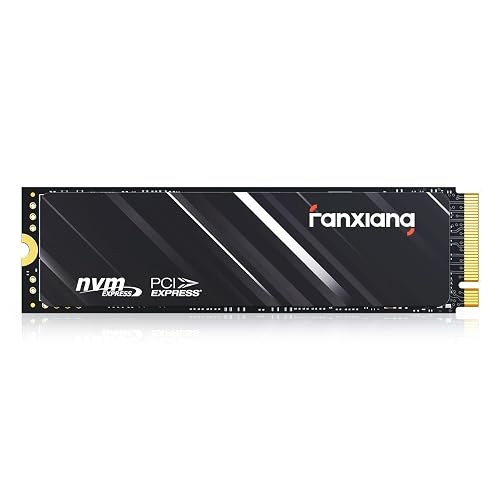 | Best Budget NVMe | Storage Capacity: 1TB | Form Factor: M.2 2280 | Interface: PCIe 3.0 x4 | VIEW LATEST PRICE | Read Our Analysis |
| Bestoss 1TB SATA III SSD for PC/Laptop | 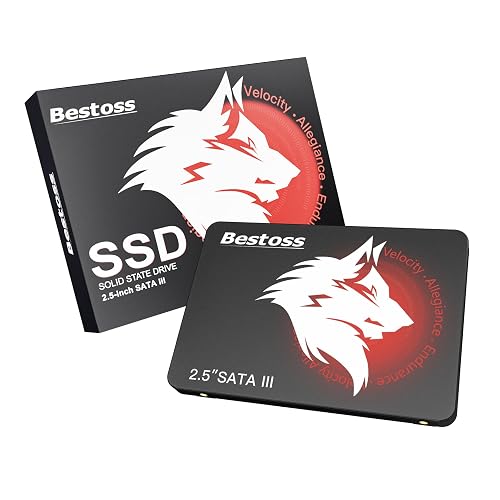 | Best SATA Pick | Storage Capacity: 1TB | Form Factor: 2.5-inch | Interface: SATA III | VIEW LATEST PRICE | Read Our Analysis |
| MOVE SPEED 256GB External SSD with USB-C Dual Ports | 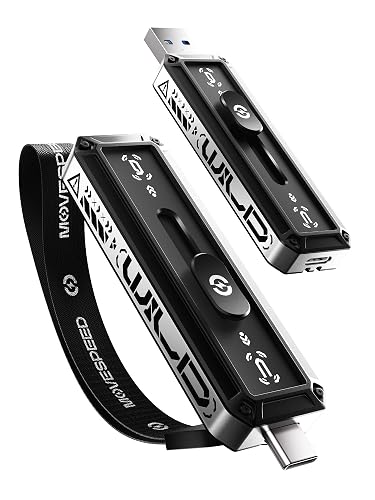 | Best Portable SSD | Storage Capacity: 256GB | Form Factor: Portable USB drive | Interface: USB-C/USB-A | VIEW LATEST PRICE | Read Our Analysis |
| 512GB PCIe Gen3 NVMe M.2 SSD (GM328) | 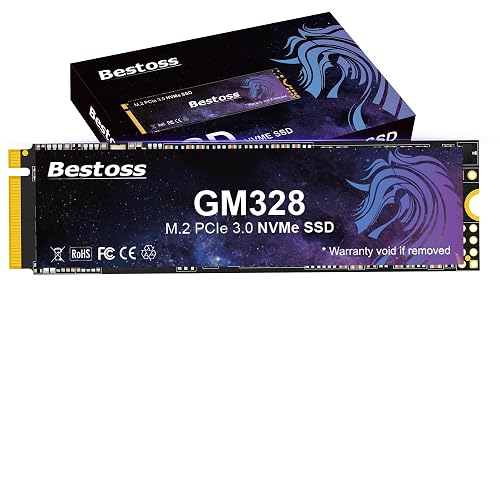 | Best Entry-Level NVMe | Storage Capacity: 512GB | Form Factor: M.2 2280 | Interface: PCIe Gen3 NVMe | VIEW LATEST PRICE | Read Our Analysis |
| Kingston NV3 1TB M.2 NVMe SSD (SNV3S/1000G) | 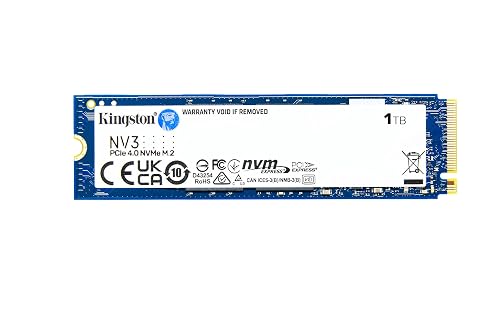 | Best Performance Pick | Storage Capacity: 1TB | Form Factor: M.2 2280 | Interface: PCIe 4.0 x4 | VIEW LATEST PRICE | Read Our Analysis |
| Patriot P210 128GB SATA SSD (P210S128G25) | 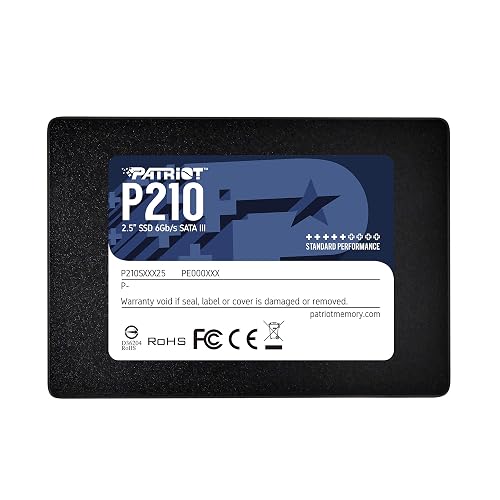 | Best Ultra-Budget SSD | Storage Capacity: 128GB | Form Factor: 2.5-inch | Interface: SATA 3 | VIEW LATEST PRICE | Read Our Analysis |
More Details on Our Top Picks
fanxiang S501Q 1TB NVMe M.2 SSD
If you need a low-cost NVMe drive for a laptop, desktop, or game console, the fanxiang S501Q 1TB is a solid choice. It uses a PCIe 3.0 x4 interface and delivers up to 3200 MB/s read speeds with up to 1750 MB/s write speeds. The M.2 2280 form factor makes installation straightforward, and the drive includes SLC cache and 3D NAND for responsive everyday performance. Graphene heat stickers help manage temperatures, and a shock-resistant design improves durability. It is compatible with Windows and Mac systems. The package includes screws, a screwdriver, and a 3-year warranty.
- Storage Capacity:1TB
- Form Factor:M.2 2280
- Interface:PCIe 3.0 x4
- Read Speed:3200 MB/s
- Write Speed:1750 MB/s
- Warranty:3 years
- Additional Feature:SLC cache technology
- Additional Feature:Graphene heat dissipation stickers
- Additional Feature:320TBW endurance
Bestoss 1TB SATA III SSD for PC/Laptop
The Bestoss 1TB SATA III SSD is a strong budget pick for anyone who wants a simple, plug-and-play speed boost for a PC, laptop, or NAS. You get a 2.5-inch internal drive with SATA III 6 Gb/s speeds and up to 550 MB/s read performance. Your system boots at least 50% faster than with an HDD. It uses TLC chips for better write endurance, plus TRIM, NCQ, SMART, and AHCI optimization. You can also install it in SATA II or SATA I systems. Backed by a 3-year warranty and lifetime support, it is practical and dependable.
- Storage Capacity:1TB
- Form Factor:2.5-inch
- Interface:SATA III
- Read Speed:550 MB/s
- Write Speed:Not listed
- Warranty:3 years
- Additional Feature:TLC chips
- Additional Feature:NCQ/SMART support
- Additional Feature:Backward SATA compatibility
MOVE SPEED 256GB External SSD with USB-C Dual Ports
MOVE SPEED’s 256GB External SSD stands out for anyone who wants fast, plug-and-play storage in a tiny, cable-free package, especially iPhone 15, 16, and 17 users and anyone juggling files across Mac, Android, and PCs. It includes USB-A and USB-C dual ports, 520 MB/s read speeds, 450 MB/s write speeds, and a 1 GB transfer in about 2 seconds. The cap-free, three-stage push-pull design keeps connections secure while protecting the connector. Its zinc alloy shell, SSD-grade chip, and heat-dissipating construction handle dust, drops, heat, and interference. Use it for backups, photos, games, or Windows To Go.
- Storage Capacity:256GB
- Form Factor:Portable USB drive
- Interface:USB-C/USB-A
- Read Speed:520 MB/s
- Write Speed:450 MB/s
- Warranty:Lifetime support
- Additional Feature:USB A plus C
- Additional Feature:Zinc alloy casing
- Additional Feature:Windows To Go
512GB PCIe Gen3 NVMe M.2 SSD (GM328)
For a budget-friendly PCIe Gen3 NVMe M.2 SSD, the GM328 delivers up to 3500 MB/s read and 2300 MB/s write speeds, making it a smart pick for students, office users, and gamers who want faster boot times, quick app launches, and smoother multitasking without paying for a premium drive. You also get HMB and Dynamic SLC Cache for responsive performance, plus TLC NAND for better endurance than QLC. The 512GB model provides room for apps, games, and media. Shock resistance, strict testing, and a 3-year warranty add confidence.
- Storage Capacity:512GB
- Form Factor:M.2 2280
- Interface:PCIe Gen3 NVMe
- Read Speed:3500 MB/s
- Write Speed:2300 MB/s
- Warranty:3 years
- Additional Feature:HMB dynamic cache
- Additional Feature:TLC NAND flash
- Additional Feature:Strict endurance testing
Kingston NV3 1TB M.2 NVMe SSD (SNV3S/1000G)
The Kingston NV3 1TB M.2 NVMe SSD is a solid budget-friendly upgrade that still delivers fast PCIe 4.0 performance, with sequential read speeds up to 6000 MB/s and write speeds up to 5000 MB/s. It is a slim M.2 2280, single-sided drive that fits most desktops and laptops. Low power consumption and reduced heat improve system efficiency. With 1TB of capacity, you can store apps, games, photos, and videos comfortably. Kingston provides a 3-year warranty for added peace of mind.
- Storage Capacity:1TB
- Form Factor:M.2 2280
- Interface:PCIe 4.0 x4
- Read Speed:6000 MB/s
- Write Speed:5000 MB/s
- Warranty:3 years
- Additional Feature:Single-sided design
- Additional Feature:Low power consumption
- Additional Feature:Reduced heat
Patriot P210 128GB SATA SSD (P210S128G25)
The Patriot P210 128GB SATA SSD is a solid pick if you want a cheap, no-frills upgrade for an older laptop or desktop, especially when you just need faster boot times and everyday responsiveness. You get 128GB in a standard 2.5-inch SATA 3 drive, so it is easy to fit into many systems. It can read up to 450 MB/s and write up to 350 MB/s, with decent 4K random write performance as well. Patriot adds SmartECC, end-to-end data path protection, and thermal throttling. You also get a 3-year warranty and support for Windows 7 through 10.
- Storage Capacity:128GB
- Form Factor:2.5-inch
- Interface:SATA 3
- Read Speed:450 MB/s
- Write Speed:350 MB/s
- Warranty:3 years
- Additional Feature:End-to-end protection
- Additional Feature:SmartECC technology
- Additional Feature:Thermal throttling technology
Factors to Consider When Choosing Budget SSDs
When choosing a budget SSD, match the capacity to your storage needs and confirm that the interface is compatible with your system. Compare read and write speeds, select the appropriate form factor, and check the endurance rating to ensure long-term reliability. By weighing these factors together, you can find an SSD that delivers the best value without overspending.
Capacity Needs
Storage capacity should match what you actually plan to keep on the drive, from your operating system and apps to games, photos, and videos. One hundred twenty-eight gigabytes can fill up fast, while one terabyte gives you far more breathing room for everyday use. If you only browse the web, handle office work, and store a few files, a smaller SSD can work, but it will leave less room for updates and media. If you keep lots of games, high-resolution photos, or video projects, choose a larger drive so you do not run out of space quickly. Think ahead as well, since storage needs usually grow over time. Buying extra capacity now can save you from upgrading later and help you balance price with convenience.
Interface Type
Interface type is one of the biggest factors in budget SSD performance because it determines how the drive connects to your system. You need to match the SSD to your motherboard’s supported slot and protocol before you shop. A 2.5-inch SATA SSD needs a SATA port, while an M.2 drive can use SATA or NVMe, depending on the model. SATA III tops out at 6 Gb/s and usually delivers 450 to 550 MB/s, so it is a solid budget choice for basic upgrades. If your system supports NVMe over PCIe 3.0 or PCIe 4.0, you can tap much higher bandwidth. PCIe generation also matters. A PCIe 4.0 x4 NVMe drive can roughly double the throughput of a PCIe 3.0 x4 drive.
Read Write Speed
Read and write speeds determine how responsive a budget SSD feels, especially when loading large apps, copying files, or installing software. Read speeds typically range from about 450 MB/s on basic SATA drives to 3,500 MB/s or more on NVMe models, while write speeds often lag behind. That gap matters when you save projects, move folders, or install games, because a drive with fast reads but slow writes can still feel sluggish. Check both sequential read and write numbers, not just one, if you transfer large files often. Also remember that cache features, such as SLC cache or host memory buffer (HMB), can boost short bursts, but sustained write speed may drop once the cache fills. Compare real world performance, not peak claims alone, before you buy.
Form Factor
When you choose a budget SSD, start with the form factor your device actually supports, because the drive must fit both the physical bay and the connector type. Most systems take either an M.2 2280 stick or a 2.5 inch drive, so check your laptop or desktop before you buy. M.2 SSDs slide straight onto the motherboard and work well in thin laptops and small desktops because they save space and reduce cable clutter. 2.5 inch SSDs use a larger rectangular enclosure and usually connect with SATA cables. Do not assume every M.2 drive works everywhere; your system may support NVMe M.2, SATA M.2, or only SATA. Match the format and interface, and you will install the drive correctly.
Endurance Rating
Endurance rating matters because it tells you how much data you can write to an SSD before wear starts to add up, and it is usually shown as TBW, or terabytes written. When you shop on a budget, a higher TBW usually means the drive can handle more frequent writes from game installs, file transfers, or content creation. If you can, favor TLC-based models over QLC-based ones, since TLC generally lasts longer under heavy writing. Also check capacity carefully, smaller SSDs often post lower endurance because fewer memory cells absorb the workload. Finally, compare TBW with the warranty. A 3-year warranty is common in this price range, so you will want endurance that matches your write habits and gives you some breathing room.
Device Compatibility
Before you buy a budget SSD, make sure it actually fits your system. Check the interface first, since a PCIe 3.0 x4 NVMe drive requires an M.2 slot with NVMe support, while a SATA III SSD requires a 2.5-inch bay or a SATA-capable connector. Then match the form factor to your device, whether that is M.2 2280 for many laptops and desktops, or a 2.5-inch drive for a SATA bay. Verify operating system support as well, because some models work only with Windows 7, 8, 10, 11, macOS 10.9 and later, or Windows and Linux. Confirm the drive fits your device type too, since some SSDs target laptops and desktops, while others support NAS units or game consoles. If you use an enclosure or adapter, it can reduce performance, so keep the host connection compatible.
Warranty Coverage
Once you’ve confirmed a budget SSD fits your system, check the warranty next. A 3-year warranty gives you more protection against early failures and helps you avoid replacement costs. Read the terms closely, because some warranties only cover defects in materials and workmanship, not every problem. Make sure you know whether support is limited or full coverage, and see if the manufacturer offers direct help or lifetime assistance during the warranty period. That can make troubleshooting and claims easier. Also compare the warranty with endurance ratings like TBW, since a higher endurance drive often holds up better over time. Finally, verify whether accessories, mounting hardware, or user damage are excluded, because many warranties cover only the SSD itself.
Frequently Asked Questions
How Much Does SSD Firmware Affect Real-World Speed?
Firmware can change your SSD’s real-world speed by 5 to 20 percent, and sometimes more during sustained heavy writes. You will notice snappier boot times, steadier transfer rates, and fewer slowdowns, because firmware controls cache, error handling, and wear leveling.
Do Budget SSDS Slow Down When Nearly Full?
Yes, budget SSDs typically slow down when nearly full because they lose free cache and spare space. To avoid this, keep 10 to 20% free, and move large files off regularly.
Is DRAM Important for Everyday SSD Performance?
Yes, you will notice DRAM mainly when you juggle lots of small files or perform heavy multitasking. For everyday browsing, streaming, and office work, a DRAM-less SSD still feels fast enough and often saves you money.
Can a Budget SSD Improve Gaming Load Times?
Yes, a budget SSD can significantly reduce gaming load times, and you will notice much faster level, texture, and menu loading. It will not provide large FPS improvements, but overall responsiveness and loading speed will be greatly improved.
How Long Do Budget SSDS Typically Last?
Budget SSDs typically last three to five years for most users, and often longer with light use. You will usually reach the drive’s write limit before the hardware fails, so everyday gaming and browsing should not wear it out quickly.