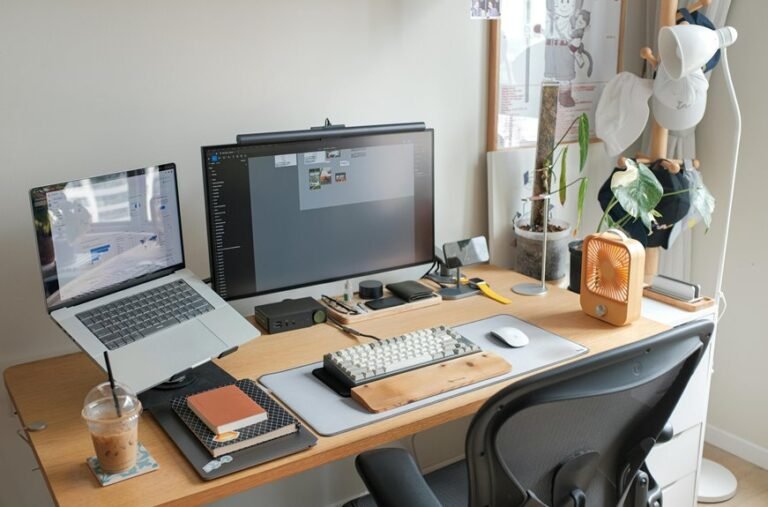

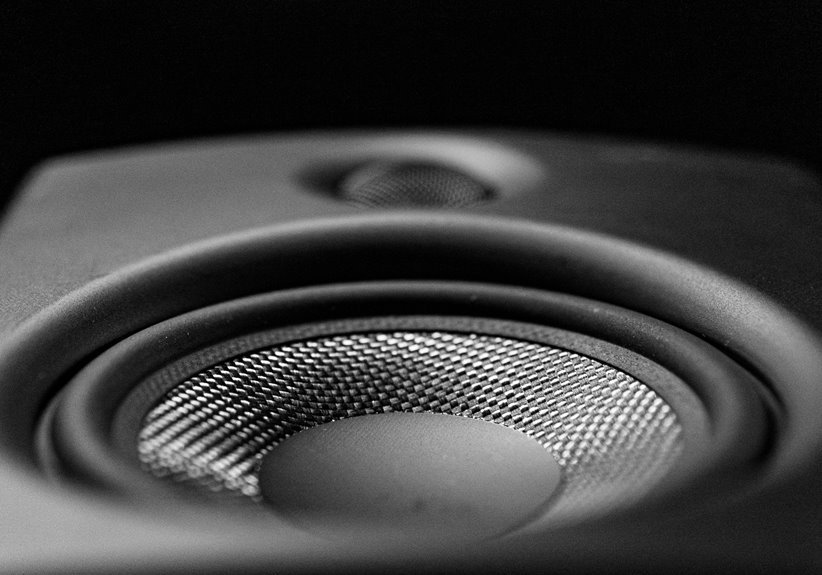

Good speaker placement can do more for sound quality than expensive gear. The best start is your listening seat, then placing both speakers so they form an even triangle with your ears. Give them space away from walls, corners, and shelves to keep the sound clear and balanced. Small changes in angle and height can sharpen vocals, tighten bass, and make the whole room sound better.
Why Speaker Placement Affects Sound Quality
When your speakers sit in the right spot, they don’t just sound louder, they sound clearer, fuller, and more real.
That’s because speaker acoustics shape how sound reaches you, and room reflections can either support or smear what you hear.
When you place speakers well, you guide energy toward your ears instead of letting it bounce around the room.
As a result, voices feel centered, instruments separate better, and bass stays tighter.
Whenever you’ve ever felt music sound flat or muddy, the placement likely fought the room, not the gear.
Set the Listening Position First
Start with choosing where you’ll sit, because that spot sets the whole speaker layout.
You want the left and right speakers to form a listening triangle with your head, and your ears should line up close to seated ear height for the cleanest sound.
Measure the distance from your seat to the front wall and speakers next, so you can place everything with purpose instead of guessing like a tired game of musical chairs.
Define Listening Triangle
The listening position is the anchor of your whole speaker setup, so define that seat first before you move a single speaker. Sit where you naturally relax, then visualize a clean triangle geometry with your two front speakers.
Keep the speaker spacing even, so each speaker sits the same distance from you as they do from each other. That balance helps sound arrive together, which makes voices lock in and music feel centered.
Should one side feel closer, shift both speakers in small, equal steps until the shape feels right. You’re not chasing perfection alone; you’re building a space that welcomes you in.
Once the triangle feels steady, your room starts working with you, not against you, and every track gets a fair, open chance to breathe.
Center Ear Height
Now that you’ve set the listening triangle, bring your attention to ear height, because that’s what lets the setup feel centered and natural. Sit where you usually relax, then check that your ears line up with each ear level tweeter.
Since the sound seems to drift up or down, change the speaker stand or chair before you tweak anything else. Your seated height matters because it tells the speakers where to aim their cleanest details. A slight mismatch can make voices feel thin or overly bright, and that can pull you out of the room.
Measure Seating Distance
A good speaker layout begins with one simple move: choose your listening seat initially. Then grab a tape measure and check the distance from that seat to each front speaker spot. This gives you room measurements you can trust, not guesses that drift your sound off center.
Keep your seating clearance in mind too, so you can sit naturally without crowding a wall, table, or backrest. Next, mark the sweet spot where your head will stay when you relax. From there, you can set equal speaker spacing and angle them toward you with confidence.
When your seat shifts, measure again before moving anything else. That small step helps you feel settled in the room, and your system starts working with you, not against you.
Create the Ideal Stereo Triangle
Getting your stereo speakers into the right triangle can make music feel alive instead of flat, and it’s often easier than it sounds.
Place each speaker the same distance from your seat, then keep the speakers the same distance from each other. That simple shape helps you hear voices, drums, and guitars where they belong.
Next, turn each speaker slightly inward until the sound meets at your listening sweet spot. This speaker toe in balance can sharpen detail without making the room feel cold.
Should the image shift to one side, make tiny moves and listen again. You’ll know you’re close once the center feels solid and the sound wraps around you naturally.
Small changes can help you feel like you’re in the band.
Keep Speakers Away From Walls and Corners
Speakers sound their best whenever they breathe a little. You’ll hear tighter bass and cleaner mids when you give them solid wall clearance, because nearby surfaces can smear detail. Start with at least 2 feet from the back wall, then adjust in small steps. When one speaker sits in a corner, the low end can boom and crowd the room. Use this quick guide:
| Place | Effect |
|---|---|
| 2 to 3 feet out | Reduces reflections |
| Near a corner | Adds too much bass |
| Balanced spacing | Improves corner bass control |
That little gap helps your system feel calmer and more welcoming, like it belongs in your space. When your room is tight, move them forward earlier, then listen again. You don’t need perfection, just enough room for sound to open up.
Angle Speakers for Better Stereo Imaging
As you angle your speakers the right way, the stereo image can snap into place and feel much more real. You don’t need a fancy room to get there.
Start by aiming each speaker toward your listening seat, then make small changes to the speaker toe in angles. As you listen, notice where voices and instruments land. Once both speakers point at the same center point, you often find the imaging sweet spot, where details feel locked in and balanced.
Should the sound feel too narrow, ease the angle back a little. Should it feel blurry, turn them in more. You’re not chasing perfection alone. You’re building a setup that feels inviting, clear, and made for you.
Adjust Speaker Height and Distance
You want your speakers at a height that lines up with your seated ears, because that keeps the sound clear and natural.
Then you can fine-tune the distance so both speakers reach you evenly, which helps the stereo image stay centered and stable.
Should one side sit too far ahead or behind, the sound can feel lopsided, so small shifts can make a big difference.
Optimal Listening Height
How high should your speakers sit for the best sound? You want the tweeters lined up with your seated ear level, so voices feel natural and clear. Check your head position first, then match speaker height to your chair height.
Should you sink too low, raise the speakers. Should you sit tall, lower them a little. This small tweak helps you feel like you’re in the room, not outside it. Keep both speakers level, too, because a tilted cabinet can blur detail and make the sound feel off.
Whenever you dial in this height, your listening spot becomes more welcoming, and music opens up with a warm, steady balance. It’s a simple change, but it can make your setup feel like home.
Balanced Speaker Distance
| Check | What you want |
|---|---|
| Tweeter height | Level with your seated ears |
| Left and right gap | Even on both sides |
| Wall distance | Kept similar for each speaker |
| Listening spot | In the middle of the triangle |
Then move each speaker a little at a time and listen. Should one side feel closer, shift it back. You’ll notice the room feels friendlier, and your soundstage will seem to welcome you right in.
Fix Common Speaker Placement Problems
If your speakers still sound muddy, lopsided, or strangely thin, the fix is often right in the room, not in the gear. You can spot the usual trouble fast, and you don’t need to guess. Start with this simple check list:
- Move both speakers so they face you evenly.
- Keep them away from corners and crowded shelves.
- Use speaker vibration isolation to cut buzz and wobble.
- Hide loose cords with cable management solutions so nothing tugs or rattles.
Next, match tweeters to your seated ear height and keep each speaker level.
Then listen again with a song you know well. Small changes can make your setup feel more natural, and that helps you settle in with sound that feels clear, balanced, and yours.
Tune Placement for Your Room Shape
Every room shapes sound a little differently, so your speaker placement has to work with the space you actually live in, not some perfect one on paper. Start by noticing the room’s longest wall, its open corners, and any odd alcoves. Then use room specific asymmetry to guide small shifts, because one side may need more distance from a wall than the other.
If your layout is narrow, try irregular layout compensation by nudging the speakers outward or slightly forward so sound stays balanced. Keep left and right speakers matched as closely as you can, but trust the room first. A hallway, staircase, or extra window can change the feel fast, so treat those features like teammates, not trouble. With a few calm changes, you can make the space feel more like yours.
Test the Setup and Make Final Tweaks
Now that your speakers are in place, it’s time to listen with a clear ear and make the small moves that turn a good setup into a great one. Use final testing with a familiar song or movie scene, because your ears already know how it should feel. Then make subtle refinement, one step at a time.
- Play the same clip after each change.
- Move each speaker 5 to 10 cm, not more.
- Check toe-in for sharp imaging or a wider stage.
- Listen for bass that feels full, not bloated.
If voices drift or cymbals sting, shift the speakers and test again. Keep the setup balanced so your room feels welcoming, not stubborn. You’ve got this, and your system will reward patience with sound that feels made for you.
Frequently Asked Questions
How Do I Place Surround Speakers in a 5.1 Setup?
Place the surround speakers just to the sides of your seat or a little behind it, lined up with your listening position and pointed toward your ears. Use a balanced surround angle so effects wrap around you without feeling too close. If you cannot place them at the sides, set them behind you and tilt them toward your seat.
What Height Should Center Channel Speakers Be Mounted At?
Mount your center channel so the tweeter lines up with ear level from your main seat, or a little higher if placement demands it, to keep voices locked to the screen. Position it directly in line with the display for precise dialogue and a more convincing front soundstage.
Should Tower Speakers Use Spikes or Rubber Feet?
Tower speakers generally perform better with spikes on carpet because the cabinet stays stable and bass notes sound more controlled. On hardwood, tile, or other solid surfaces, rubber feet are usually the better choice because they limit vibration transfer into the floor and help the speaker stay planted.
How Far Should Atmos Speakers Be From the Listening Position?
Place Atmos speakers 70 to 90 degrees from the main listening position to support proper overhead effects. Keep both speakers evenly spaced, then make small adjustments based on how clearly overhead sounds lock into place.
Can I Use Front Ports When Speakers Are Close to Walls?
Front ports can make wall placement easier because they usually react less strongly to rear wall proximity. Bass can still change when the speaker is close to a wall, so leave some space and listen for the cleanest result.