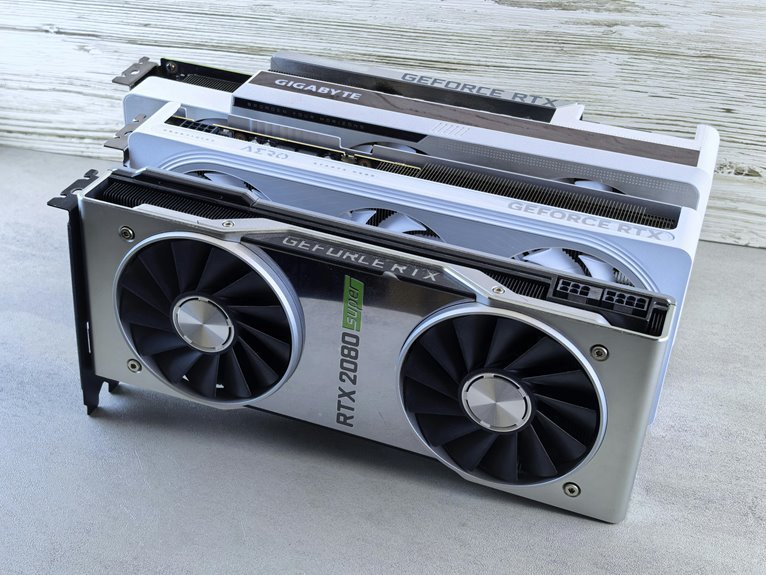


If you’ve been shopping for a GPU and just happened to compare today’s lineup with last year’s, you’ll notice how much the gap has shifted.
You can now choose between cards that push 4K, strong 1440p options, and compact budget picks that still make sense for everyday use.
The real question is which one fits your build, your games, and your power limits, and that is where the choice gets interesting.
| GIGABYTE Radeon RX 9060 XT Gaming OC 16G Graphics Card | 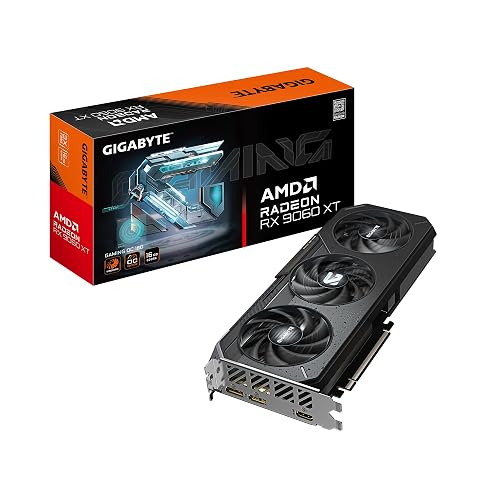 | Best Overall | GPU Model: AMD Radeon RX 9060 XT | Memory: 16 GB GDDR6 | PCIe Interface: PCIe 5.0 x16 | VIEW LATEST PRICE | Read Our Analysis |
| PNY NVIDIA GeForce RTX 5070 Epic-X ARGB OC Graphics Card |  | Best Performance | GPU Model: NVIDIA GeForce RTX 5070 | Memory: 12 GB GDDR7 | PCIe Interface: PCIe 5.0 x16 | VIEW LATEST PRICE | Read Our Analysis |
| ASUS Prime GeForce RTX 5070 Graphics Card | 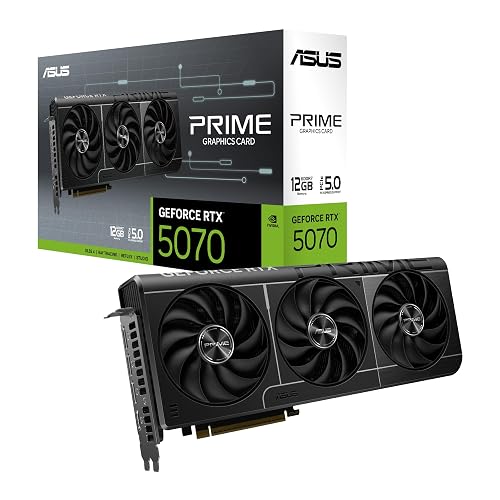 | Best Premium Pick | GPU Model: NVIDIA GeForce RTX 5070 | Memory: 12 GB GDDR7 | PCIe Interface: PCIe 5.0 | VIEW LATEST PRICE | Read Our Analysis |
| MOUGOL AMD Radeon RX 580 Gaming Graphics Card | 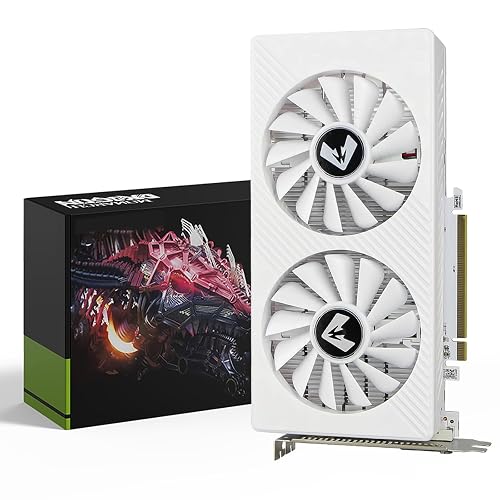 | Best Budget | GPU Model: AMD Radeon RX 580 | Memory: 8 GB GDDR5 | PCIe Interface: PCIe 3.0 x16 | VIEW LATEST PRICE | Read Our Analysis |
| ASUS TUF GeForce RTX 5070 Ti Graphics Card |  | Best Enthusiast | GPU Model: NVIDIA GeForce RTX 5070 Ti | Memory: 16 GB GDDR7 | PCIe Interface: PCIe 5.0 x16 | VIEW LATEST PRICE | Read Our Analysis |
| MSI GeForce GT 1030 4GB Graphics Card (GT 1030 4GD4 LP OC) | 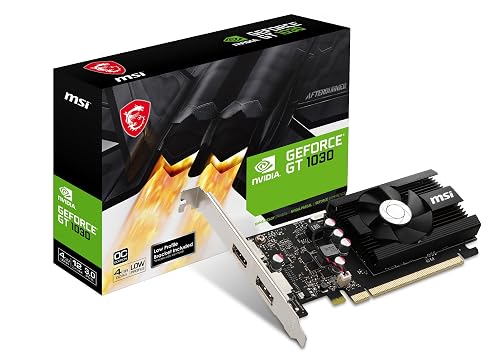 | Entry-Level Pick | GPU Model: NVIDIA GeForce GT 1030 | Memory: 4 GB DDR4 | PCIe Interface: PCIe x16 | VIEW LATEST PRICE | Read Our Analysis |
| ASRock Intel Arc B580 Challenger 12GB OC Graphics Card | 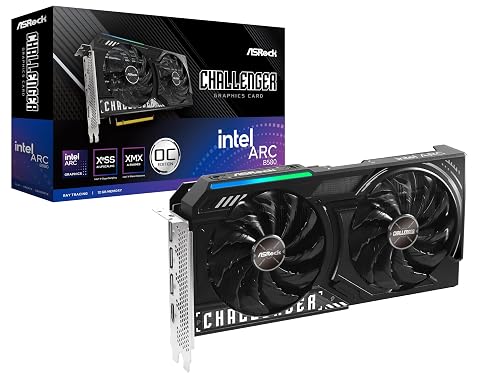 | Best 1440p Choice | GPU Model: Intel Arc B580 | Memory: 12 GB GDDR6 | PCIe Interface: PCIe 4.0 x8 | VIEW LATEST PRICE | Read Our Analysis |
More Details on Our Top Picks
GIGABYTE Radeon RX 9060 XT Gaming OC 16G Graphics Card
If you want a strong 16GB gaming GPU with modern RDNA 4 performance, the GIGABYTE Radeon RX 9060 XT Gaming OC 16G is a smart pick. It features AMD’s Radeon RX 9060 XT with 16GB of GDDR6 memory, a 2700 MHz boost clock, and PCIe 5.0 compatibility, making it a capable desktop upgrade. The card supports DisplayPort and HDMI and reaches 7680 x 4320 resolution. It uses GIGABYTE’s WINDFORCE Cooling System with a Hawk Fan and server-grade thermal conductive gel. RGB lighting adds style, while AI acceleration improves gaming and creative tasks.
- GPU Model:AMD Radeon RX 9060 XT
- Memory:16 GB GDDR6
- PCIe Interface:PCIe 5.0 x16
- Max Resolution:7680 x 4320
- Cooling:WINDFORCE cooling
- Display Outputs:DisplayPort, HDMI
- Additional Feature:WINDFORCE cooling system
- Additional Feature:Hawk Fan
- Additional Feature:RGB lighting
PNY NVIDIA GeForce RTX 5070 Epic-X ARGB OC Graphics Card
PNY’s NVIDIA GeForce RTX 5070 Epic-X ARGB OC Triple Fan is a strong pick for gamers and creators who want a fast, modern GPU with plenty of headroom for 1440p and 4K play. It offers 6,144 CUDA cores, 12GB of GDDR7 memory, and Blackwell features such as DLSS 4, fifth-generation Tensor Cores, and fourth-generation ray tracing cores. The card boosts to 2.685 GHz, uses PCIe 5.0 x16, and includes DisplayPort 2.1b and HDMI 2.1b outputs. The triple-fan, 2.4-slot design keeps it SFF-ready.
- GPU Model:NVIDIA GeForce RTX 5070
- Memory:12 GB GDDR7
- PCIe Interface:PCIe 5.0 x16
- Max Resolution:7680 x 4320
- Cooling:Triple fan
- Display Outputs:3x DisplayPort, 1x HDMI
- Additional Feature:DLSS 4 support
- Additional Feature:16-pin adapter included
- Additional Feature:NVIDIA Reflex
ASUS Prime GeForce RTX 5070 Graphics Card
The ASUS Prime GeForce RTX 5070 Graphics Card is a strong pick for builders who want Blackwell-powered performance in a compact, easy-to-fit design. It includes 12GB of GDDR7 memory, PCIe 5.0 support, and DLSS 4 for smoother gameplay and sharper frame delivery. Its SFF-ready 2.5-slot build helps it fit more systems without sacrificing cooling. ASUS uses Axial-tech fans and a phase-change thermal pad to push heat out efficiently and keep temperatures low. You also get HDMI and DisplayPort 2.1 outputs, plus Dual BIOS for extra flexibility and backup options.
- GPU Model:NVIDIA GeForce RTX 5070
- Memory:12 GB GDDR7
- PCIe Interface:PCIe 5.0
- Max Resolution:7680 x 4320
- Cooling:Axial-tech fans
- Display Outputs:HDMI, DisplayPort
- Additional Feature:SFF-ready design
- Additional Feature:Dual BIOS
- Additional Feature:Phase-change thermal pad
MOUGOL AMD Radeon RX 580 Gaming Graphics Card
MOUGOL’s AMD Radeon RX 580 Gaming Graphics Card is a smart pick for budget-minded gamers who want solid 1080p performance without giving up modern features. You get 8GB of Samsung GDDR5 on a 256-bit bus, a 1206 MHz core clock, and DirectX 12, Vulkan, and OpenGL 4.6 support. Its dual-fan cooler and heat pipes help keep temperatures in check, and the durable backplate adds confidence. You can run triple displays through HDMI, DisplayPort, and DVI, and AMD Adrenalin lets you tune, record, and stream. It is a practical upgrade for Windows PCs. It comes with a 1-year warranty.
- GPU Model:AMD Radeon RX 580
- Memory:8 GB GDDR5
- PCIe Interface:PCIe 3.0 x16
- Max Resolution:7680 x 4320
- Cooling:Dual-fan
- Display Outputs:DisplayPort, HDMI, DVI
- Additional Feature:2048 stream processors
- Additional Feature:Triple-display support
- Additional Feature:6-pin power connector
ASUS TUF GeForce RTX 5070 Ti Graphics Card
The ASUS TUF GeForce RTX 5070 Ti OC Edition is a durable, high-end GPU for a desktop build with strong 4K-ready output support. You get 16GB of GDDR7 memory, PCIe 5.0 compatibility, and a 2610 MHz OC boost clock for demanding games and creative work. It outputs through three DisplayPort 2.1a ports and two HDMI 2.1b ports, driving up to 7680 x 4320 resolution. ASUS backs it with three Axial-tech fans, a phase-change thermal pad, military-grade components, and GPU Tweak III for tuning.
- GPU Model:NVIDIA GeForce RTX 5070 Ti
- Memory:16 GB GDDR7
- PCIe Interface:PCIe 5.0 x16
- Max Resolution:7680 x 4320
- Cooling:Three Axial-tech fans
- Display Outputs:3x DisplayPort, 2x HDMI
- Additional Feature:Military-grade components
- Additional Feature:PCB protective coating
- Additional Feature:GPU Tweak III
MSI GeForce GT 1030 4GB Graphics Card (GT 1030 4GD4 LP OC)
If you need a compact, low-profile GPU for basic gaming, 4K display output, or everyday PC acceleration, the MSI GeForce GT 1030 4GB DDR4 LP OC is a practical choice. It features NVIDIA’s Pascal-based GT 1030 with 4GB DDR4, a 1430 MHz boost clock, and a 64-bit memory interface. The card fits into a PCIe x16 desktop system and stays cool with a single fan. It supports DirectX 12 and HDCP. You can connect via DisplayPort 1.4a or HDMI 2.0b, and it drives resolutions up to 3840 x 2160. MSI provides a three-year warranty.
- GPU Model:NVIDIA GeForce GT 1030
- Memory:4 GB DDR4
- PCIe Interface:PCIe x16
- Max Resolution:3840 x 2160
- Cooling:Single fan
- Display Outputs:1x DisplayPort, 1x HDMI
- Additional Feature:Pascal architecture
- Additional Feature:HDCP support
- Additional Feature:GeForce Experience
ASRock Intel Arc B580 Challenger 12GB OC Graphics Card
The ASRock Intel Arc B580 Challenger 12GB OC is a strong pick if you want a 1440p-ready GPU with modern AI features without jumping to a higher price tier. It uses Intel’s Arc B580 Xe2-HPG GPU, includes 12GB of GDDR6 on a 192-bit bus, and ships with a 2740 MHz factory overclock. Intel XeSS 2 and XMX boost performance in supported games and AI tasks. ASRock pairs dual axial fans with 0dB cooling, adds a metal backplate, and provides three DisplayPort 2.1 ports plus HDMI 2.1a. Make sure your case fits its 2-slot, 249 mm frame, and verify your PSU has an 8-pin connector.
- GPU Model:Intel Arc B580
- Memory:12 GB GDDR6
- PCIe Interface:PCIe 4.0 x8
- Max Resolution:7680 x 4320
- Cooling:Dual axial fans
- Display Outputs:3x DisplayPort, 1x HDMI
- Additional Feature:Intel XeSS 2
- Additional Feature:0dB silent tech
- Additional Feature:Metal backplate
Factors to Consider When Choosing Graphics Cards GPUs Currently
When choosing a graphics card today, first evaluate the GPU architecture and VRAM capacity, as they determine performance and future-proofing. Also check power requirements and cooling design so the card fits your build and runs reliably. Finally, verify display output support, since it determines which monitors and refresh rates you can use.
GPU Architecture
GPU architecture matters because it determines how much raw rendering, compute, and AI work a card can do, from its shader cores and ray tracing units to its tensor engines and cache design. Look at how many execution units a GPU packs, how its memory controllers and cache hierarchy feed them, and whether the design favors higher clocks or better efficiency. Newer architectures often deliver stronger performance per watt and cooler operation. You will also want features like hardware ray tracing, AI accelerators, AV1 and HEVC encode and decode, and variable rate shading, since they affect gaming and creative work. Driver support and software optimization can boost real world results, so do not judge specs alone.
VRAM Capacity
Memory capacity is one of the fastest ways to judge whether a graphics card will keep up with your games and workloads. More VRAM lets the card hold larger textures, higher resolution assets, and demanding compute data on board with less stutter. For 1080p gaming, 4 to 8 GB usually works, while 1440p benefits from 8 to 12 GB. If you play at 4K, edit video, render 3D scenes, or use AI tools, aim for 12 to 16 GB or more. Do not stop at capacity alone; faster memory such as GDDR6 or GDDR7 and higher bandwidth can improve how quickly the card uses that VRAM. For future proofing, choose at least one tier above today’s needs, and check your specific game engines, ray tracing settings, and texture packs.
Power Requirements
Power requirements can make or break a graphics card upgrade, so check the GPU’s TDP in watts and match it with a PSU that has enough headroom. Add about 30 to 50 percent above that rating so your CPU, storage drives, and brief load spikes do not push the system too far. Next, verify the power plugs the card needs, whether that is one or two 8-pin connectors or a newer 16-pin lead, and make sure your PSU supports them directly or with the right adapter. You should also confirm the 12V rail can deliver enough amperage for peak draw. Finally, choose a quality unit with at least 80 PLUS Bronze efficiency and solid transient response to keep your PC stable under GPU load.
Cooling Design
Cooling design can be the difference between a quiet, stable card and one that runs hot under load. Favor cards with multiple fans and wide fin arrays, because they move more air and shed heat better during long gaming sessions. Heat pipes or a vapor chamber help pull heat from the GPU die into the heatsink faster, and a full coverage chamber usually cools better than a basic plate. Thickness matters too. A 2.5 or 3 slot card often fits a larger cooler and runs quieter than a slim 2 slot model. Check fan controls like 0dB mode, PWM curves, and dual BIOS options. Also do not ignore memory and VRM cooling; strong thermal pads and extra sinks improve stability and lifespan.
Display Output Support
Display outputs can make or break how well a GPU fits your setup, so check them before you buy. Match the card’s ports to your monitor’s needs, whether that means DisplayPort 2.1, DisplayPort 1.4, HDMI 2.1 or 2.1b, or HDMI 2.0. Make sure it can drive your target resolution and refresh rate, such as 4K at 120 Hz or 8K at 60 Hz, without compromise. If you use several screens, confirm how many displays it supports at once; some cards handle three or four. Look for DSC, UHBR, VRR pass-through, and proper HDR metadata handling if you want the best image quality. Also check output spacing and connector layout so your cables and adapters actually fit your setup.
Form Factor Fit
A GPU’s physical footprint can be as important as its performance, so make sure it actually fits your build before you buy. Check the card’s slot width first; a 2-slot, 2.5-slot, or 3.125-slot cooler can crowd adjacent bays if your case is tight. Then measure your case’s internal length and compare it with the GPU, since many cards stretch 9 to 13+ inches and can hit drive cages or front fans. Also confirm bracket height and rear I/O alignment so the card matches your chassis. Look at motherboard slot placement too, because a bulky cooler may cover nearby connectors or M.2 slots. Finally, verify your power supply cable length and routing so the connector reaches cleanly without blocking airflow.
Warranty Coverage
Warranty coverage can matter just as much as raw performance, so check how long the manufacturer backs the card, often 1 to 3 years, and whether that protection includes both parts and labor if something fails. You should also read the exclusions carefully, because physical damage, liquid spills, overclocking, and third party mods usually void support. Ask whether normal wear or thermal degradation counts as a covered defect. Before you buy, verify the service process. You will likely need proof of purchase, an RMA, and may pay shipping, with turnaround times varying. If you are buying used, see whether the warranty transfers and if regional limits apply. Finally, compare extra protection like extended coverage, accidental damage plans, or retailer return windows for added peace of mind.
Frequently Asked Questions
Which GPU Is Best for 4K Gaming Right Now?
The RTX 4090 is the clear king of 4K, delivering top-tier performance across modern games. If you prefer to spend less, the RTX 4080 Super still provides excellent 4K performance.
How Much VRAM Do Most New Games Need?
You will usually want 8 GB for most new games at 1080p. Twelve GB provides safer headroom for higher settings and future titles. Some demanding games already use 16 GB, especially at 1440p and 4K.
Are Used Graphics Cards Worth Considering?
Yes, consider used graphics cards if you are budget-conscious and can test them first. You will often save money, but you will also face higher risk, shorter warranties, and possible mining wear or hidden damage.
What Power Supply Do I Need for a High-End GPU?
You will typically need a quality 750W to 1000W power supply for a high-end GPU, depending on the GPU model and the CPU. Choose an 80 Plus Gold unit, ensure you have enough PCIe power connectors, and allow some headroom for power spikes.
How Do I Check if a GPU Fits My Case?
Measure your case’s GPU clearance and compare it with the card’s length, height, and thickness. Allow extra room for power cables and front fans. Check your case specifications before buying.