

Yes, a standing desk can support better posture, steadier energy, and sharper focus during the workday. It helps reduce neck and back strain by keeping your screen and keyboard at a healthier height. It can also cut down on long hours of sitting, which often leaves the body feeling stiff and tired. Used well, a standing desk can make your daily work setup feel more comfortable and balanced.
What Is a Standing Desk Setup?
So, what exactly is a standing desk setup? You use one to work while standing, and you can switch between standing and sitting as needed. It’s a simple way to shape your day around better desk ergonomics without losing comfort or focus.
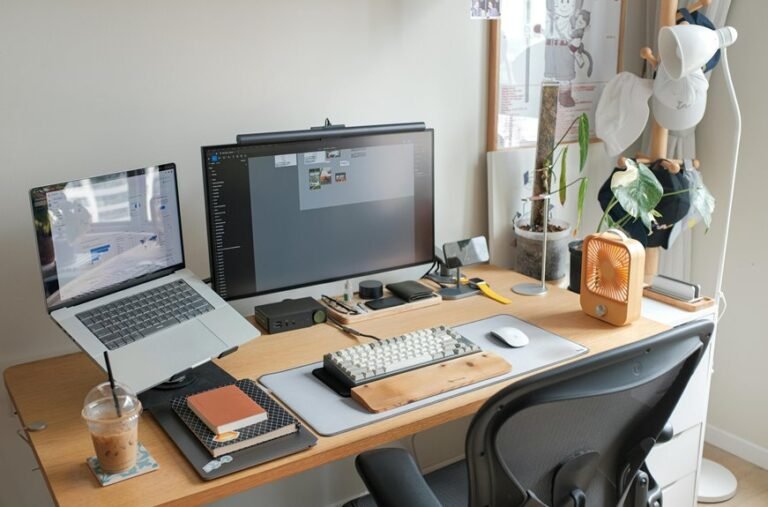
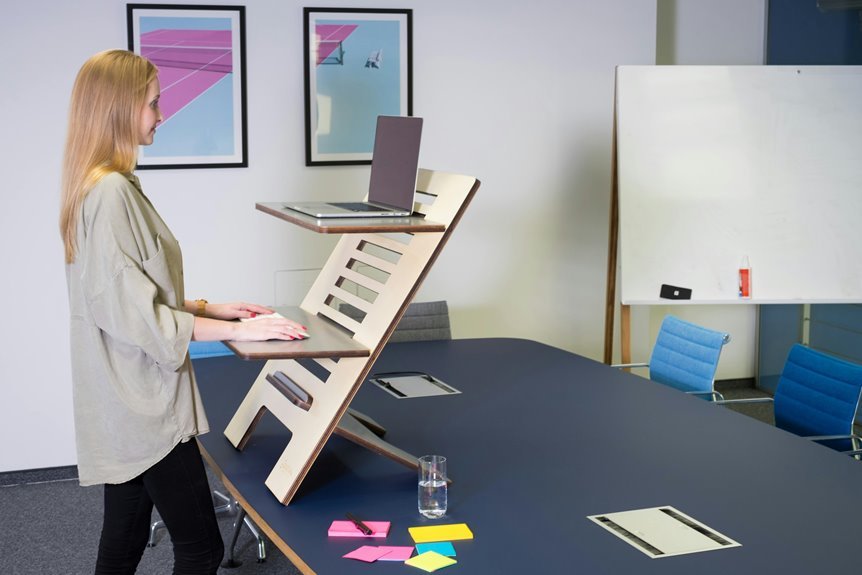
Your setup usually includes a desk, a stable surface, and workspace essentials like a monitor, keyboard, and mouse at the right height. You’re not chasing perfection; you’re creating a space that fits you and helps you feel settled.
With the right arrangement, your shoulders relax, your wrists stay neutral, and your body feels less cramped. Because your work area is yours, you can adjust it to match your pace, your tasks, and your style.
How Standing Desk Setups Improve Health
A standing desk setup can support your health in several real, everyday ways, and the biggest change often starts with less sitting. As you stand more during the day, you keep your body engaged and your blood moving. That can help you feel more awake, steady, and ready to focus.
You may also notice that simple activity breaks come easier, because standing reminds you to shift, stretch, and reset. Over time, that can support better energy and a lighter mood at work. In a workplace wellness setting, this matters because small habits can build a stronger routine.
You’re not trying to turn your day upside down. You’re just giving your body more chances to move, which helps you feel more connected to your work and team.
How a Standing Desk Helps Back Pain
When your back starts to ache from long hours at a desk, standing more often can give it a real break. You don’t have to stand all day. Just shifting between sitting and standing eases pressure on your lower spine and helps you find steadier spinal comfort.
As you change positions, your muscles stay more active, so they don’t clamp down as hard. That can support back pain relief, especially whenever you often feel stiff after sitting too long. A good standing desk also helps you stay aware of your posture, which can keep you from slumping without trying too hard. With a simple setup, you can join others who work with less strain and feel better through the day.
How a Standing Desk Boosts Energy
If your workday leaves you feeling heavy, foggy, or drained, a standing desk can help bring some life back into your routine. You’re not just changing posture; you’re giving your body a gentle signal to stay awake and engaged.
Upon standing, your blood moves more freely, your muscles stay lightly active, and you can feel a real energy lift without reaching for another snack or cup of coffee. That steady movement also helps your afternoon alertness, so the slump after lunch doesn’t hit as hard.
Because you feel more alive, you can join the workday with more ease and confidence. Small shifts like this can make you feel like part of a more active, upbeat crew, even on long days.
How a Standing Desk Improves Focus
When you stand at your desk, your posture often improves, and that can help your body feel less tense and your mind stay on task.
You might notice fewer aches, fewer small distractions, and a sharper attention span as your energy stays steadier.
Over time, that can help you focus longer and get more done without feeling as worn out.
Better Posture, Sharper Attention
A standing desk can do more than change the way you sit or stand, because it can also help your body feel steadier and your mind stay more alert. When you stand with better posture alignment, you open your chest, stack your spine, and give your head a clearer place to rest.
That small shift can support your attention span during long work sessions, so you’re less likely to drift when tasks feel dull. As your body feels more balanced, you may find it easier to stay present with one screen, one call, or one idea.
You’re not chasing perfect posture here. You’re building a work rhythm that helps you feel part of your day, not dragged by it.
Reduced Discomfort, Fewer Distractions
As discomfort eases, your focus usually gets a little help too, because pain has a sneaky way of stealing attention. Whenever you stand and shift often, you can keep neck, shoulder, and back strain from building up. That means fewer little aches pulling your mind away from the task in front of you.
Your comfort shifts can make it easier to stay with one thought, one email, or one call. You also gain better distraction control, since you’re not constantly adjusting for soreness. Over time, that calmer body feeling can help you settle into your workday with less fuss.
Should you’ve ever felt your desk turning into a nagging coworker, you’re not alone. A standing setup helps you feel more at ease, and that shared ease supports steadier attention.
More Energy, Longer Focus
That steady switch from sitting to standing can do more than ease strain, because it often gives your mind a fresh burst of energy too. You could feel more awake, less stuck, and ready to lean into the next task.
As your body changes position, your circulation picks up, and that can support sharper awareness. Those small energy lifts help you stay with your work longer without drifting off.
You’re not forcing focus; you’re giving it room to grow. Over time, this rhythm can build sustained attention, so you can read, write, and solve problems with a steadier pace.
Should you like feeling part of a workday that flows better, this setup can help you stay engaged, connected, and more capable from morning to afternoon.
How a Standing Desk Improves Posture
A standing desk can help you hold a more neutral spine, so your back and neck don’t have to fight against a bent-over posture.
When you stand with your screen at the right height, you’re less likely to slouch, and that can ease strain in your shoulders and lower back. It also gets your core working a bit more, which helps you stay upright without feeling stiff or forced.
Neutral Spine Alignment
While you stand with the right setup, your spine can settle into a more natural line, which helps your body feel less strained during the workday. Good desk ergonomics supports spinal alignment through keeping your ears, shoulders, and hips stacked. You fit in better with your team as you can stand tall and steady.
| Checkpoint | What to feel | Quick cue |
|---|---|---|
| Head | Balanced | Chin level |
| Shoulders | Relaxed | No shrugging |
| Hips | Centered | Weight even |
You can adjust the monitor, keyboard, and desk height so your back stays calm and your chest stays open. Small shifts matter. As your frame lines up, you look more confident, and your work space starts to feel like yours.
Reduced Slouching Strain
When you stand at your desk with the right setup, you can cut down on the slouching that often builds up during long work hours.
You’ll feel more at ease when your screen sits at eye level and your keyboard stays close, because your body won’t keep reaching forward.
That small change gives you real slouching relief and helps your shoulder alignment stay steady instead of hunching inward.
As a result, your upper back can relax, and your neck won’t work so hard to hold you up.
You also feel more connected to the room around you, like you belong in a workspace that supports you.
With a better stance, you can move through tasks with less strain and more comfort.
Better Core Engagement
Even small posture shifts can wake up your core more than you might expect, and that matters whenever you use a standing desk the right way.
When you stand with your screen at eye level and your feet grounded, your body can’t coast the way it does in a chair. Instead, your abs, hips, and lower back share the load, which builds core stability without making you feel like you’re doing a workout at your desk.
That steady muscle activation helps you stay upright, reduces collapse through your middle, and supports better posture over time. You’ll likely feel more balanced, less wobbly, and more aware of how you carry yourself.
And as your core joins the job, you often move with more confidence, comfort, and ease.
How a Standing Desk Supports Circulation
A standing desk can help circulation because it keeps your body moving more than a chair does. When you stand, your blood circulation gets a gentle increase, and that can help your legs stay engaged instead of staying still for hours.
You might notice less heaviness in your lower body, especially provided you shift your weight, bend a knee, or take a few steps during calls. That small leg movement matters because it helps blood travel more smoothly through your body.
As a result, you can feel more comfortable and less stuck in one position. You’re not chasing a workout here, just giving your body a better rhythm. With that steady flow, your workday can feel more balanced and easier to get through.
How Standing Desks Support Movement and Calorie Burn
Standing instead of sitting keeps your body doing small, useful work throughout the day, and that steady movement can support both activity and calorie burn. You shift your weight, engage your legs, and stay a little more alert without forcing a big workout. That matters because your body adds up these tiny efforts, raising calorie expenditure in a gentle way.
When you stand, you also create natural movement breaks. You may stretch, step aside, or pace during a call, and those moments help you avoid feeling stuck.
Over time, that extra motion can make your day feel more active and less drained. Should you like feeling part of a healthier routine, a standing desk can fit right in and help you keep moving with less effort.
How to Set Up Your Standing Desk
To get the most from your standing desk, you need more than a good idea and a tall surface, because the setup itself shapes how your body feels all day. Initially, set the desk height so your elbows rest near 90 degrees and your wrists stay relaxed.
Then, place your screen at eye level, so you’re not craning your neck. Keep your keyboard close, and leave room for natural arm movement.
- A bright monitor sitting like a calm horizon
- Your feet rooted on the floor, steady and easy
- A clean cable management setup tucked out of sight
- A chair nearby for quick sit breaks
- Small desk items lined up within a friendly reach
With this layout, you’ll feel more included in your workday rhythm.
Common Standing Desk Mistakes to Avoid
Whenever you use a standing desk, poor posture can still sneak in and undo a lot of the comfort you want. You may lean forward, lock your knees, or hunch your shoulders, and that can bring back neck, back, and shoulder pain.
You also shouldn’t stand all day, since too much standing can leave you just as stiff and tired as sitting too long.
Poor Posture Habits
Poor posture can sneak up on you fast at a standing desk, especially assuming you lock your knees, lean too far forward, or let your shoulders round toward the screen.
With posture awareness, you can catch these habits at an earlier stage and feel more in control.
Habit correction works best whenever you make small, kind adjustments that fit your day.
You’re not trying to stand like a statue; you’re building a setup that helps you belong in your work without strain.
- Feet planted like roots
- Screen at gentle eye level
- Shoulders soft, not curled
- Hips stacked over ankles
- Chin relaxed, not jutting
Whenever you check in often, your body thanks you with less tension and steadier focus.
Overstanding All Day
Standing all day could feel like the “right” desk move, but overstanding can quietly wear you down whenever you never give your body a break.
You might start with good posture, yet standing fatigue can creep in fast, especially in your feet, calves, and lower back. That’s why all day balance matters. Shift your weight, bend one knee, and use a footrest or anti fatigue mat to ease pressure. Then sit for short breaks so your muscles can reset.
You’ll stay more alert, and your focus won’t fade as quickly. Small changes help you feel like part of a healthier work rhythm, not stuck in a hard-to-win office contest. As soon as you mix movement with rest, you protect your energy and keep your setup working for you.
Best Standing Desk Habits for Productivity
A smart standing desk routine can help you get more done without feeling drained until midday. You can build productivity through using task batching, so you handle similar work in one stretch and keep your mind steady. Pair that with focus rituals, like stretching, setting your timer, and taking three deep breaths before you start. Then stand for your hardest tasks once your energy feels strong, and sit once you need a short reset.
- A tidy desk with your notebook beside you
- A bright screen at eye level
- A water glass within easy reach
- Your feet shifting on a soft mat
- A calm room where teammates feel close
These habits help you feel like part of a focused crew, and they make it easier to stay alert, finish work, and leave less tension behind.
Frequently Asked Questions
Can Standing Desks Help Reduce Neck and Shoulder Pain?
Standing desks can help reduce neck and shoulder pain by improving posture and lowering muscle strain. When adjusted to the right height, they support better alignment, increase comfort, and make it easier to work without added tension.
How Much Sitting Time Can a Standing Desk Actually Reduce?
A standing desk can reduce sitting time by about 17% after three months, and that lower level often continues for up to a year. Tracking sitting duration and adding movement breaks during the workday can support higher energy, more activity, and a stronger sense of involvement.
Do Standing Desks Improve Productivity Over Time?
Yes, many people find they work more effectively over time. A standing desk will not transform your abilities, but changing posture and varying how you work can support focus, energy, and a stronger sense of productivity, which may help you feel less confined, more involved, and better able to manage tasks.
Can Standing Desks Support Better Concentration for ADHD?
Yes, a standing desk can help if you pay attention to when your focus drops or your attention starts to drift. Changing position, moving more often, and using short resets between tasks may make it easier to stay alert, stay engaged, and keep your concentration more consistent.
Are Standing Desk Benefits Sustained After One Year?
Yes. After a year, many people still notice benefits. If you use a setup like Maya’s, you may develop lasting habits, adjust your workstation more naturally, spend less time sitting, feel more comfortable, and maintain steadier focus throughout the day.