


Loud places wear kids out fast. A monster truck rally, a long flight, even a busy classroom can push sensitive ears past their limit, and the right pair of kids noise cancelling headphones changes that in seconds. This list covers two very different tools: electronic headphones that play audio while trimming background noise, and passive ear muffs that simply seal sound out. You’ll find options for toddlers, school-age kids, and children with sensory sensitivities, each matched to the situations where it earns its keep.
A Quick View Of The Lineup

JBL JR 460NC Kids Headphones (White)

cumunebula 28dB SNR Kids Ear Muffs

iClever BTH26 Active Noise Cancelling Kids Headphones

iClever BTH26 Active Noise Cancelling Kids Headphones

iClever BTH26 Active Noise Cancelling Kids Headphones

MelonArt 27dB Kids Ear Protection Earmuffs
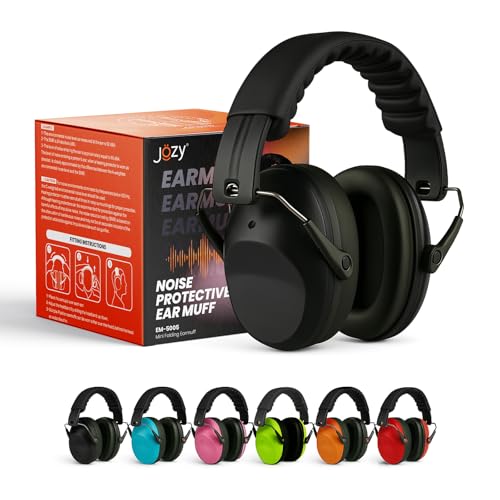
Jozy SNR 26dB Sensory Ear Muffs for Kids

ZOHAN 030 Kids Noise Cancelling Headphones
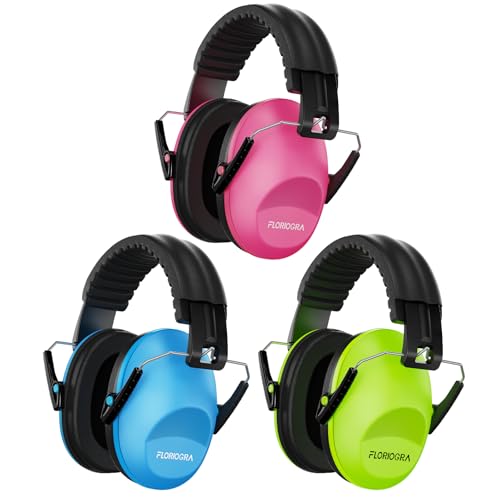
Floriogra 3 Pack Kids Ear Protection Earmuffs

A Breakdown Of The Leading Choices
This is the only pick here that does both jobs at once: it quiets cabin or classroom hum with active cancellation while still playing music, shows, and audiobooks. JBL tunes its sound below 85dB, a volume ceiling widely recommended for young listeners, so you’re not policing every tap of the screen.
The over-ear design suits daily carry in a backpack, and the white finish looks grown-up enough that older kids won’t fight wearing it. Battery life is rated around 20 hours, which realistically means a charge lasts most of a school week.
A Strong Showing
- Active noise reduction trims engine and HVAC drone without muting everything
- Volume stays under 85dB, easing worries during unsupervised listening
- Roughly 20 hours per charge covers a full week of commutes
- Child-friendly materials hold up better than adult models to drops
- Optional damage coverage handles spills and broken parts after purchase
Things To Consider
- Earpads collect grime over months of use and need occasional wiping
- No wired-only fallback mentioned, so a dead battery means silence
Feature Snapshot
Who Will Love This
School-age kids who want real music quality on flights, car rides, and homework sessions, with parents who care about volume limits.
Where A Sibling Pick Shines
Toddlers too small for powered headphones do better with the HOIGRBOM 2-in-1 Baby Ear Muffs, which need no battery at all.
SNR stands for Single Number Rating, a measure of how many decibels a muff blocks on average. At 28dB, this is the strongest listed reduction in the lineup, ahead of the MelonArt’s 27dB and the Jozy’s 26dB. That margin sounds small on paper, yet at a fireworks show every point counts.
The design targets children with autism and heightened auditory sensitivity, sealing the ear completely rather than filtering selectively. Foam cushioning does the work, and there’s nothing to charge, break electronically, or update.
Useful Highlights
- 28dB SNR offers the deepest listed noise cut of any pick here
- Passive design means zero batteries, cables, or charging routines
- Full seal suits sensory-sensitive kids overwhelmed by sudden loud sounds
- Adjustable band grows with your child across several years
Small Caveats
- Blocks all sound, so spoken instructions get muffled at events
- Foam cushions compress over time; periodic replacement keeps the seal tight
- No audio playback, which some kids miss on long trips
Right Fit For
Parents of sensory-sensitive children heading into fireworks displays, races, or other environments with sharp, unpredictable noise spikes.
Swap It Out When
Kids who also want to hear their own shows should step up to the JBL JR 460NC instead, since it plays audio while softening background noise.
iClever built the BTH26 around one headline number: up to 36dB of combined active and passive noise reduction. Active Noise Cancellation (ANC) uses microphones to cancel low rumble electronically, while passive padding blocks higher frequencies physically. Together they turn a noisy living room into something closer to a library corner.
Voice prompts guide kids through toggling modes with a single ANC button, a nice touch for younger users who fumble menus. The claimed 60-hour playtime dwarfs the JBL JR 460NC’s roughly 20 hours, though real-world results depend heavily on how often ANC runs.
Why It Works Well
- Combined ANC plus passive reduction reaches up to 36dB
- One-button mode switching keeps operation simple for small hands
- Listed 60-hour playtime stretches across weeks of typical use
- Bluetooth wireless frees kids from tangled cords at desks
Potential Sticking Points
- ANC switches off when using a wired connection, per the manufacturer
- Owners commonly report Bluetooth pairing takes a moment on first setup
Quick Facts
Made For
Elementary and middle-school students who need sustained focus during homework, online classes, or study sessions in shared spaces.
Another Choice May Suit
Households wanting a recognized audio brand and tighter volume governance may prefer the JBL JR 460NC over iClever’s feature-first approach.
This listing is the same BTH26 platform in a different colorway, and that matters more than it first appears. Kids develop strong opinions about gear color early, and a headset they refuse to wear protects nobody. Matching the hardware to your child’s taste removes that friction entirely.
Everything from the previous review carries over: up to 36dB of layered noise reduction, an ANC button with voice guidance, and a stated 60-hour battery. The over-ear cups sit fully around the ear rather than pressing on it, which tends to matter during multi-hour study blocks.
What Helps Most
- Identical 36dB combined noise reduction as the primary BTH26 listing
- Alternate colorway gives style-sensitive kids a version they’ll actually wear
- Long listed battery life suits weekly school routines without recharging
Points To Note
- No ANC over a wired cable, so plane seatback jacks lose that benefit
- Color availability shifts often; confirm stock before committing
The Right Fit
Families whose child has already rejected a first pair over appearance, or siblings who each want a distinct look.
Look Elsewhere When
Budget-conscious shoppers who don’t care about colorways will find the third BTH26 variant, covered next, a more economical door into the same hardware.
Third verse, same song: this is another colorway of the BTH26, frequently positioned at the friendlier end of its price range. For a family buying their child’s first pair of cancelling headphones, it lowers the cost of finding out whether ANC actually helps your kid focus.
The spec sheet matches its siblings exactly, up to 36dB of combined reduction and a 60-hour listed runtime. One honest caution: with three near-identical listings on the market, double-check the ASIN and color before ordering to avoid mix-ups between variants.
Strong Points
- Same 36dB ANC-plus-passive performance as pricier BTH26 listings
- Low-commitment way to trial active cancellation for a focus-needy child
- Wireless freedom plus voice-guided controls suit independent users
Less Ideal Details
- Nearly identical listings make ordering the intended variant easy to fumble
- Entry-level build won’t survive abuse as gracefully as premium brands
Who Should Grab It
First-time buyers of kids’ ANC headphones, especially families testing whether noise reduction improves homework focus before spending more.
Reach For A Different Pick When
When durability outranks price, the JBL JR 460NC’s brand-backed construction is the sturdier long-term bet for heavy daily use.
MelonArt approaches ear protection like safety equipment, because that’s exactly what it is. Solid ABS plastic cups, the same tough thermoplastic used in tool housings, surround high-density acoustic sponge inside. The result feels closer to workshop gear than a toy, and it shrugs off being tossed in a truck bed or stroller basket.
At 27dB SNR it sits just under the cumunebula’s 28dB, close enough that the difference fades in practice. The sizing range extends beyond kids into adults, handy when a parent wants to borrow a pair at the same race track.
A Few Strong Suits
- Rigid ABS cups resist cracks far better than thin consumer shells
- 27dB SNR blocks monster trucks, concerts, and shooting ranges effectively
- Adult-compatible sizing lets one pair serve the whole family
- No electronics to fail in heat, dust, or rain
Things To Weigh Up
- Sturdier shells add weight compared with softer toddler-focused muffs
- Clamping pressure may feel firm on very small heads initially
Whose Shelf It Belongs On
Outdoor-event families, motorsport fans, and rural households needing rugged protection that survives seasons of rough storage.
Consider Something Else When
All-day indoor comfort for sensory-sensitive kids usually favors the lighter Jozy muffs reviewed next, which trade some toughness for gentleness.
Jozy aims squarely at the sensory-support crowd, and the 26dB SNR rating reflects a deliberate choice: enough reduction to calm overwhelming environments without the claustrophobic total silence some children resist. Concerts, assemblies, and crowded hallways become tolerable rather than terrifying.
Compared with the MelonArt’s industrial build, this pair leans lighter and softer, the kind of muff a child forgets they’re wearing. That matters enormously for autistic kids who reject headgear on feel alone; comfort often decides whether protection gets used at all.
Notable Gains
- 26dB SNR calms loud venues without complete sensory shutdown
- Lightweight frame encourages longer wear among texture-sensitive kids
- Passive design works instantly with no pairing or charging steps
- Compact profile slips easily into a school backpack side pocket
Honest Caveats
- Two decibels shy of the cumunebula’s ceiling for extreme noise events
- Softer padding flattens faster with daily use than rigid-cup rivals
Who Should Grab It
Children with autism or auditory sensitivity who need calm in classrooms, concerts, and everyday noisy spaces, prioritized over raw blocking power.
Where Another Pick Suits Better
For maximum reduction at fireworks and air shows, the cumunebula 28dB muffs edge it out by a meaningful margin.
ZOHAN has sold hearing protection for years, and the 030 carries that pedigree into the kids’ sensory market. Where flashier newcomers chase specs, this model sticks to what families actually report needing: a consistent seal, an adjustable band, and cushions that stay comfortable through a whole afternoon.
It occupies sensible middle ground in this list, less aggressive than the MelonArt’s hard shell, more established than the Jozy. The exact SNR figure isn’t published in the source data, so treat its strength as proven daily reliability rather than record-breaking numbers.
Everyday Wins
- Long-standing earmuff brand with a track record in hearing protection
- Adjustable headband accommodates growth from toddler years onward
- Battery-free simplicity means it always works, everywhere
- Comfortable enough for extended reading and rest sessions
Details To Watch
- No published SNR figure makes side-by-side comparison harder
- Ear cushion covers attract lint and benefit from regular cleaning
Best Suited To
Parents who value a dependable, no-drama daily muff for sensory support at home and school over chasing the highest dB rating.
Not Your Match When
Shoppers wanting documented noise-reduction numbers should compare the MelonArt 27dB or cumunebula 28dB models instead.
Three muffs, three bright colors: pink, blue, and green. Floriogra clearly designed this pack for households with multiple children, ending the argument over whose turn it is. High-visibility shades also help at crowded events, where spotting your kid in a sea of people gets easier when their headgear glows.
Beyond events, the maker positions these for concentration work too, reading, studying, and rest in busy homes. Each pair adjusts independently, so a five-year-old and a ten-year-old can share the pack comfortably.
Everyday Perks
- Three separate muffs eliminate sharing disputes entirely
- Bright colors improve visibility in crowds and playgrounds
- Independent adjustment fits a range of ages and head sizes
- Doubles as a focus aid for reading and homework in noisy homes
Trade Offs To Consider
- Per-pair build quality sits below dedicated single-muff specialists
- Losing one of three pieces is likelier than misplacing a lone pair
Who Should Grab It
Parents of two or more children, daycare settings, and grandparents stocking a house multiple grandkids visit regularly.
Where A Sibling Pick Shines
Single-child homes wanting one premium pair will get better longevity from the ZOHAN 030 than from splitting attention across three budget muffs.
Every other pick here assumes a child old enough to adjust a band. The HOIGRBOM starts earlier, sized for babies whose ears are still developing and who can’t tell you a venue is too loud. Its 2-in-1 framing suggests dual configurations, adapting as your infant grows toward toddler territory.
Think airplane cabins, weddings, and stadium outings with a baby in tow. A soft, lightweight muff that stays put on a sleeping infant is genuinely hard to find, and this fills that gap the rest of the list leaves open.
Key Advantages
- Sized specifically for infant heads smaller than any rival here
- Two-in-one configuration adapts as your baby grows
- Lightweight build avoids disturbing naps during travel days
Softer Spots
- Detailed noise-reduction figures aren’t published in the source material
- Straps and fabric require gentle hand cleaning rather than machine washing
Built With In Mind
Parents traveling with infants under two, attending loud ceremonies, flights, or sporting events where tiny ears need shielding.
Skip It When
Once your child passes toddler age, graduate them to the cumunebula 28dB muffs, which offer stronger documented reduction for bigger heads.
What Matters Most Before Choosing Kids Noise Cancelling Headphones
Electronic Versus Passive Protection
Start with this fork in the road. Electronic headphones such as the JBL JR 460NC and iClever BTH26 play audio while actively reducing low-frequency drone, making them ideal for flights and study sessions. Passive muffs like the MelonArt and cumunebula simply seal sound out, which suits fireworks, races, and sensory overload better.
Choosing wrong wastes money either direction. A muff can’t stream a movie; ANC headphones can’t match a 28dB seal at a monster truck rally.
Fit And Age Range
Head size decides more than any spec sheet. Infant muffs, toddler bands, and youth-sized cups all differ materially, and a poor clamp either hurts or leaks sound. Measure loosely against your child’s current size and allow adjustment room for two years of growth.
Noise Reduction Numbers Explained
SNR ratings express average decibel reduction across frequencies. Higher isn’t automatically better for every child; some sensory-sensitive kids find deep silences unsettling. Match the number to the environment, not the marketing.
Battery And Durability Realities
Powered models live and die by runtime and charging habits. The iClever’s 60-hour claim versus the JBL’s 20-hour figure translates directly into how often charging becomes your problem. Passive muffs sidestep this entirely but sacrifice playback.
Key Considerations Across These Picks
Where Shoppers Go Wrong
The most common slip is buying ANC headphones expecting earmuff-level silence, then returning them disappointed. The second is ignoring head size, since an ill-fitting band turns even great hardware into a drawer ornament. Check the return window and try the fit early.
The Upgrade Payoff
Spending more typically buys brand engineering, verified volume limits, and tougher materials rather than louder marketing claims. The JBL’s sub-85dB tuning and damage-plan option illustrate what premium pricing actually delivers for daily-use families.
Frequently Asked Questions
Do kids noise cancelling headphones block all sound?
No, neither type achieves total silence. Electronic models reduce low-frequency background noise, while passive muffs attenuate overall volume by their SNR rating.
Are passive ear muffs safer than ANC headphones for young ears?
Both protect hearing when used appropriately, just differently. Passive muffs reduce all incoming sound, while ANC headphones require parental attention to playback volume levels.
What SNR rating suits fireworks and racing events?
For sharp impulse noises, look toward the upper range available, meaning 27dB or 28dB models. Those figures correspond to the cumunebula and MelonArt picks above.
Can toddlers use active noise cancelling headphones?
Most ANC models target school-age children, and battery-powered gear adds complexity for very young users. Infants and toddlers are generally better served by passive baby muffs like the HOIGRBOM.
How long do kids’ earmuff cushions last?
With regular use, foam and leatherette cushions commonly compress within a year or two. Replacement keeps the acoustic seal effective, so inspect them seasonally.
Wrap Up
Your child’s age, sensitivity, and favorite noisy activities should drive this decision more than any ranking. Audio-loving school-age kids have strong options in the JBL JR 460NC and the iClever BTH26 trio, while event-going and sensory-sensitive families will lean toward the cumunebula, MelonArt, or Jozy muffs. Multi-child homes save real money with the Floriogra pack, and infant travelers have the HOIGRBOM cornered. Start from the scenario, not the spec sheet, and the right pair becomes obvious quickly.
