


Virtual reality puts different demands on a setup than ordinary desktop use. You need the right mix of processing power, display support, storage, comfort, and, for some setups, cable compatibility or a headset that stands alone without a tower.
This roundup focuses on practical fit, not hype. Some picks suit someone who wants a self-contained headset for the couch, while others make more sense beside a gaming desk, a flight sim rig, or a PS4 corner that already has the right hardware.
The Shortlist At A Glance
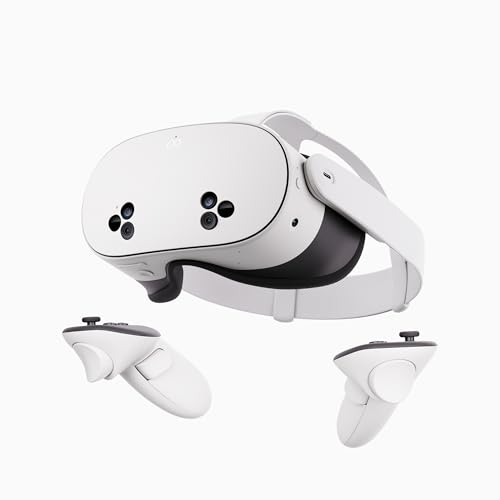
Meta Quest 3S 128GB | VR Headset

Oculus Quest 2 Advanced All-in-One Virtual Reality Headset 128GB, White

Sony Computer Entertainment VR Worlds Bundle

Oculus Quest 2 Advanced All-in-One Virtual Reality Headset 128GB
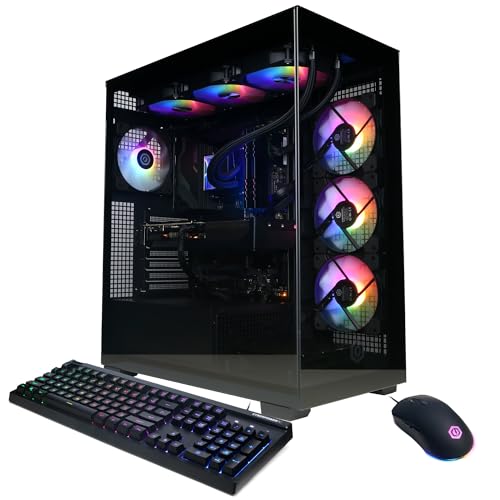
CyberPowerPC Gamer Xtreme VR Gaming PC, Intel Core i9-14900KF, RTX 5070, 32GB DDR5

Virtual Reality Technology: The Future of Gaming, Education, Healthcare
Beyond 2e Ultra-Light PC VR Headset 108g
More Details On Our Top Picks
Standalone VR keeps this pick simple, and that matters for anyone who wants to move from room to room without a cable trail. The renewed premium angle also makes sense for a home setup that values lower friction over a long parts list.
Compared with the heavier desktop route later in this roundup, Meta Quest 3S asks much less of your space. The honest read is that you’re trading raw PC expansion for easier setup and fewer moving parts, which suits commuters, apartment setups, and family rooms.
Strong Points
- Self-contained design keeps setup lean.
- Works well for living rooms with limited space.
- Renewed premium condition can suit value-focused shoppers.
- Useful for casual sessions that move around the house.
Things To Consider
- Standalone hardware still depends on headset battery routines.
- Anyone wanting full desktop flexibility should look elsewhere.
Feature Snapshot
Who It Suits Best
It suits you best if you want approachable VR in a small space and prefer less cable management.
Where A Sibling Pick Shines
CyberPowerPC Gamer Xtreme VR Gaming PC fits you better if you want a desktop that can anchor a broader PC VR setup.
This white Quest 2 keeps the all-in-one approach familiar, which helps in households that want a straightforward VR entry point. The 128GB storage matters more than the box art suggests, because it gives you room for a modest library without constant tidying.
Compared with Meta Quest 3S above, this one reads as the more established, plainspoken choice. You’ll likely appreciate it most for casual gaming and occasional setup swaps, though the trade-off is that it feels less forward-looking than the newest gear.
What We Like
- All-in-one design keeps the footprint simple.
- 128GB storage supports a practical game library.
- White finish looks clean beside a console or TV cabinet.
- Good fit for casual VR sessions at home.
Room For Improvement
- Older-generation hardware won’t suit every power user.
- Storage can still fill quickly with larger titles.
- White surfaces usually ask for a little more upkeep.
Who Will Love This
You fit this best if you want a straightforward headset and prefer a setup that doesn’t demand a separate tower.
A Better Fit Elsewhere
Beyond 2e Ultra-Light PC VR Headset 108g suits sim fans who want a lighter headset with more PC-focused ambitions.
This bundle fits the person who already lives in a PlayStation 4 setup and wants a simple path into VR. The plug-in approach is the selling point, because the headset and PlayStation Camera slot into a system you already understand.
Compared with the standalone Quest picks, this one is more about compatibility than portability. That makes it a sensible bridge for console households, though it won’t suit someone looking for a headset they can carry from room to room.
Highlights
- PS4-based setup keeps the path familiar.
- Bundle format reduces guesswork around basic compatibility.
- Good match for console-first homes.
Minor Gripes
- It depends on PlayStation 4 hardware.
- Less flexible than standalone headsets.
- Best suited to a fixed entertainment area.
Made For
You should look here if your entertainment center already revolves around PS4 and you want VR without adding a PC tower.
Another Choice May Suit
Oculus Quest 2 Advanced All-in-One Virtual Reality Headset 128GB, White fits you better if portability matters more than console integration.
The bundled link cable changes the shape of this headset, because it can move from standalone play toward PC-connected use. That matters for anyone who wants one device to serve both casual room-scale sessions and desk-based PC VR.
Compared with the plain Quest 2 above, this version has a more technical edge. The trade-off is that a cable introduces more desk planning, yet that same cable is the reason simulation fans and tinkerers may find it easier to build around.
Bright Spots
- Touch controllers are included.
- 128GB storage keeps the headset practical for everyday use.
- 90 Hz refresh rate support helps motion feel more fluid.
- Link cable expands PC VR possibilities.
Points To Note
- Cable routing adds clutter around a desk.
- Account setup requirements may not suit everyone.
Core Details
The Right Fit
This suits you best if you want one headset that can pivot between standalone play and PC-connected sessions.
Look Elsewhere When
Meta Quest 3S 128GB | VR Headset fits you better if you want a cleaner, more self-contained setup with less cable planning.
For desktop VR, this is the most straightforward performance-heavy path in the list. The Intel Core i9-14900KF, RTX 5070 12GB, 32GB of DDR5 memory, and 2TB PCIe 4.0 SSD point to a machine built for large game installs and demanding headset workloads.
Compared with the headset-only picks, you’re buying a full PC rather than a self-contained device. That means more desk space and more setup, yet it also gives simulation fans and multi-display users a stronger base to build around.
Upsides
- Strong CPU and graphics pairing for PC VR.
- 32GB DDR5 suits heavier multitasking.
- 2TB SSD helps with large game libraries.
- Multiple video outputs support flexible monitor layouts.
- Liquid cooling suits a performance-focused tower.
Softer Spots
- Takes more space than any headset-only option.
- Desktop ownership usually brings more cable management.
- WiFi 5 and Bluetooth 4.2 are serviceable, not flashy.
Feature Rundown
Best Suited To
You fit this best if you want a desktop anchor for PC VR, sims, and general high-performance gaming.
Skip It When
Meta Quest 3S 128GB | VR Headset is the easier route if you want VR without committing to a full tower.
Not every VR-related purchase has to be hardware, and this short book fills the gap for anyone who wants context before spending on gear. It sits better beside a headset or PC than in place of one, because it helps you understand the category before you commit.
Compared with the device-heavy picks above, this is the calmest entry in the list. You’ll get the most value from it as a quick primer for work, school projects, or a family member who wants to know what VR actually covers.
Best Bits
- Easy way to learn the category basics.
- Works as a giftable digital title.
- Can be read on any device.
- Fits research, study, or casual curiosity.
Small Caveats
- It does not replace hands-on hardware use.
- Short-form reading may feel light for advanced hobbyists.
Whose Shelf It Belongs On
You fit this best if you want a quick VR overview before choosing hardware or helping someone else understand the basics.
Right Fit For
CyberPowerPC Gamer Xtreme VR Gaming PC suits you better if your next step is a complete desktop setup rather than background reading.
Weight is the first thing that stands out here, because 108 grams is unusually light for a PC VR headset. That matters during long sim sessions, especially for flight and racing setups where comfort can shape how long you stay inside the headset.
Compared with the Meta and Oculus standalones, the Beyond 2e leans hard into specialist PC use. The micro-OLED panels, 2560 by 2560 per eye resolution, 116-degree field of view, and eye tracking point toward a sharper, more focused experience, though the setup is less casual than a wire-free headset.
Reasons To Buy
- Very light frame reduces front-heavy strain.
- Micro-OLED displays suit image-conscious sim use.
- High per-eye resolution supports fine detail.
- 116-degree field of view feels generous in cockpit use.
- Eye tracking adds a more advanced control layer.
Areas To Watch
- PC dependency means more setup than standalone headsets.
- Specialist design may be overkill for casual sessions.
- Sharing the fit can take a little adjustment.
Details At A Glance
Built With In Mind
You fit this best if long PC VR sessions, cockpit sims, and low headset weight matter more than plug-and-play simplicity.
Swap It Out When
Oculus Quest 2 Advanced All-in-One Virtual Reality Headset 128GB makes more sense if you want a simpler standalone headset for everyday mixed use.
What Matters Before You Choose A VR Computer
Common Shopping Slip Ups
Storage gets overlooked fast in VR, especially with modern game installs and headset add-ons. You also want to match the hardware to your setup, because a standalone headset, a console bundle, and a desktop tower solve different problems.
Where The Extra Money Goes
Higher-tier gear usually pays for sharper displays, stronger graphics, lighter frames, or more flexible connectivity. That upgrade makes sense for sim rigs, heavy multitaskers, and anyone spending long stretches inside a headset.
A Quick Reality Check
Hidden Buying Traps
Compatibility is the easy part to miss, especially with PlayStation-only bundles or PC-dependent headsets. Storage, cable length, and room space matter too.
The Upgrade Payoff
More expensive options usually buy comfort, resolution, or system headroom rather than magic. That matters most for long sessions and demanding game libraries.
Frequently Asked Questions
What kind of computer works best for VR?
A desktop with a strong graphics card and enough memory gives you the most headroom. The CyberPowerPC Gamer Xtreme VR Gaming PC shows the kind of parts that make sense for that job.
Do standalone headsets replace a gaming PC?
They can cover a lot of casual use without a tower. PC VR still gives you more room for advanced headsets and simulation-heavy setups.
How much storage matters for VR?
More storage helps once your game library grows beyond a few titles. That matters most on headsets and PCs that are meant to hold several large installs.
Is a lighter headset actually worth paying for?
For longer sessions, yes, especially in flight and racing sims. The Beyond 2e makes that trade-off easy to see with its 108g frame.
Should you choose a bundled cable or standalone use?
That depends on whether you want flexibility or a cleaner setup. A cable helps PC-linked play, while a standalone headset keeps the room simpler.
