


Arranger keyboards earn their keep when you want backing styles, guided learning, and a layout that lets you make music without building a full studio around it. This roundup focuses on portable 61-key models, one weighted 88-key piano, and a compact MIDI controller, so you can match the tool to your space, skill level, and practice habits.
You’ll see clear differences in key action, sound libraries, learning aids, and control depth. That matters in a living room, a small apartment, or a first home setup, because the right pick should fit your routine instead of fighting it.
The Shortlist At A Glance

Arturia KeyLab Essential mk3 49 Key USB MIDI Keyboard Controller
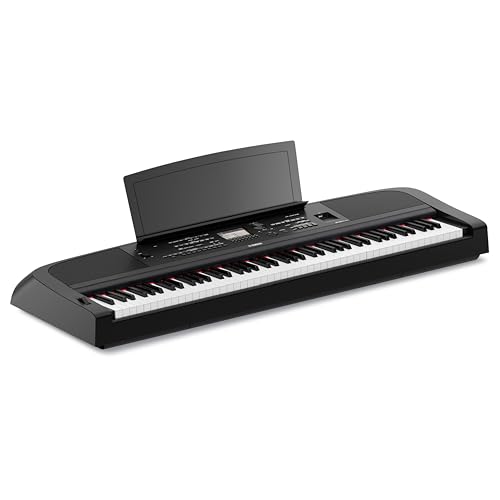
Yamaha DGX-670B 88-Key Weighted Digital Piano Black

Donner Mini MIDI Keyboard N-25 25 Key MIDI Controller

Yamaha 61 Touch Sensitive Keys Portable Keyboard PSR-E383

Yamaha 61-Key Portable Keyboard PSRE283

Casio CT-X3000 61-Key Portable Arranger Keyboard 800 Tones USB-MIDI

Yamaha 61-Key Portable Keyboard YPT280

Korg 61-Key Keyboards & Pianos EK50
More Details On Our Top Picks
For a desk setup, this controller makes more sense than a full arranger keyboard because it centers on software control rather than built-in sound generation. The 49-key layout gives you enough room for chords and lead parts without taking over the table, and the bundled Analog Lab V library adds a large preset bank for quick sketching.
Scale Mode, Chord Mode, and the arpeggiator are the useful extras here, especially for songwriting sessions where speed matters more than deep menu work. The trade-off is clear, though, you’re leaning on a computer or DAW, so this suits studio-minded players more than anyone who wants an all-in-one standalone instrument.
Strong Points
- 49 keys give you a workable range for parts that go beyond simple one-hand lines.
- Scale and chord tools help shape ideas fast during sketch sessions.
- Analog Lab V brings a broad preset pool for quick sound browsing.
- DAW-focused scripts suit common production workflows better than basic MIDI boards.
Things To Consider
- It depends on external software, so it is less self-contained than an arranger keyboard.
- 49 keys can feel tight for extended piano passages.
Who It Suits Best
Music makers building tracks at a computer get the most from this layout and control set.
Where Another Pick Suits Better
Yamaha DGX-670B 88-Key Weighted Digital Piano Black suits home pianists who want a more acoustic-style touch and a broader keyboard span.
This one moves closest to a traditional piano feel, which is why it stands apart from the lighter 61-key options above. The weighted action is heavier in the lower notes and lighter higher up, so the keyboard responds more like an acoustic instrument during daily practice or family-room playing.
The CFX Stereo Sampling voice is the headline feature, and that matters because it aims to capture the concert grand character Yamaha is known for. You still get a digital setup with far less room demand than a real piano, though the 88-key footprint makes it a serious piece of furniture rather than a quick grab-and-go board.
Upsides
- Weighted keys support more piano-centered technique.
- 88 keys give you the full span used in standard repertoire.
- CFX Stereo Sampling adds a grand-piano voice with richer internal resonance.
- Home players get a strong practice anchor without the upkeep of an acoustic upright.
- The black finish keeps the look understated in a living room or music room.
Room For Improvement
- The full-size layout asks for more floor space than the portable 61-key models.
- It suits piano study more than quick songwriting on a couch or desk.
Whose Shelf It Belongs On
Serious home pianists and families who want an acoustic-style feel will benefit most here.
Look Elsewhere When
Casio CT-X3000 61-Key Portable Arranger Keyboard 800 Tones USB-MIDI fits better for players who want lighter portability and more arranger-style flexibility.
The small footprint is the whole story here, and that makes the N-25 a neat fit for a bedroom desk or travel bag. Its 25 mini keys are velocity-sensitive, meaning they respond to how hard you press, so you can still shape parts with some dynamics instead of punching in flat notes.
That beginner-friendly layout is backed by simple controls, four user-programmable banks, and extras like arpeggiator, sustain, octave, and transpose. The honest read is that 25 keys is limiting for full arrangements, but for sketching hooks and learning basic MIDI workflow, it stays approachable.
Positives
- Mini size makes it easy to keep on a crowded desk.
- Velocity sensitivity helps your parts feel less mechanical.
- Programmable banks let you store a few go-to settings.
- The compact layout helps new producers focus on note entry and simple editing.
Points To Note
- 25 keys are cramped for two-hand playing.
- Mini keys can feel small for larger hands.
- It is more of a sketchpad than a full performance instrument.
Built With In Mind
New producers and students working at a laptop get the most value from this size.
Swap It Out When
Yamaha 61-Key Portable Keyboard YPT280 is a better fit for someone who wants built-in songs and a broader learning setup.
The PSR-E383 lands in a practical middle ground, with 61 touch-sensitive keys and a portable shape that works well in a starter setup. Touch sensitivity means the keys respond to playing force, so quieter and louder notes come through more naturally than on plain non-sensitive boards.
You also get a music rest and power adapter in the box, which matters for home practice because it lowers the number of extras you need to source separately. Compared with the leaner PSR-E283 below, this one feels like the more rounded starting point for someone who wants a little more playability without stepping up to a bigger piano-style instrument.
Highlights
- Touch-sensitive keys help build better control from the start.
- 61 keys give you enough range for lessons and simple songs.
- Portable size suits bedrooms, study tables, and shared spaces.
- Music rest and adapter make first setup easier.
Softer Spots
- 61 keys still leave less room than a full 88-key piano.
- It is aimed more at learning and casual playing than advanced arrangement work.
Right Fit For
First-time players who want a keyboard that feels responsive without becoming complicated will like this one.
Where A Sibling Pick Shines
Yamaha DGX-670B 88-Key Weighted Digital Piano Black is the smarter step for pianists who want a fuller, heavier keybed.
The PSR-E283 keeps the formula simple, which is exactly why it belongs in a beginner roundup. Its 61-key layout and included learning tools are built for getting hands on the keys without a long setup routine, and the music rest plus power adapter make the first day less fiddly.
Compared with the PSR-E383, this model sounds like the more straightforward entry point, while still giving you enough room to learn basic songs at home. One thing worth considering is that the simpler approach suits lesson time and casual practice better than anyone chasing deep arranger features.
Bright Spots
- Learning tools support first steps without overwhelming the interface.
- 61 keys keep the size manageable for a bedroom or apartment.
- Included music rest and adapter help reduce extra purchases.
- Its straightforward layout works well for younger beginners and adult starters alike.
Areas To Watch
- It is a leaner learning board, so advanced players may outgrow it quickly.
- Storage space still matters, since 61-key keyboards take more room than mini controllers.
The Right Fit
New home learners who want a clean, simple keyboard setup should feel comfortable here.
Another Choice May Suit
Yamaha 61 Touch Sensitive Keys Portable Keyboard PSR-E383 is better for someone who wants touch response from the start.
This is the most arranger-minded pick in the lineup, and the appeal starts with the sound count: 800 tones plus USB-MIDI support. That gives you a wide palette for home composing, backing styles, and computer-connected workflow, so it fits players who want the keyboard to do more than just sit on a stand.
The trade-off is that more features usually mean a steeper learning curve, especially for casual players who just want a few simple voices. Still, for someone who likes exploring styles and building full songs from the keyboard itself, the CT-X3000 has enough breadth to feel busy in a good way, like a packed workbench.
What We Like
- 800 tones open up a broad sound library for arranging and layering parts.
- USB-MIDI helps connect the keyboard to software without a complicated rig.
- 61 keys keep it more portable than a full-size piano format.
- It suits style-based playing better than plain practice boards.
Worth Noting
- The feature set can feel dense for first-time keyboard users.
- You’ll spend more time learning menus than on the simpler Yamaha starter models.
Who Should Grab It
Arranger-focused hobbyists and song builders get the most from the broad tone library.
Reach For A Different Pick When
Korg 61-Key Keyboards & Pianos EK50 is the better route for someone who wants style-heavy accompaniment with a different brand character.
The YPT280 leans hard into learning support, and that makes it a natural fit for a home practice corner. Built-in songs and quiz mode give you a structured path through the keyboard, so the experience feels more guided than the basic starter boards.
That matters in a busy household, where a clear practice routine helps the keyboard get used instead of collecting dust. The trade-off is that you’re paying for the learning layer as much as the instrument itself, so seasoned players may want something with more arranger depth or a heavier key feel.
Best Bits
- Built-in songs give you material to practice right away.
- Quiz mode adds a structured learning loop.
- 61 keys are enough for lessons and simple right-hand plus left-hand work.
- Music rest and adapter support a tidy first setup.
Small Caveats
- It is aimed squarely at beginners, so advanced players may want more control.
- The learning-first layout can feel less flexible for composition-heavy use.
Made For
New students who benefit from guided practice and built-in exercises should get on well with this one.
Where Shoppers Go Wrong
Casio CT-X3000 61-Key Portable Arranger Keyboard 800 Tones USB-MIDI suits players who care more about arranger depth than lesson structure.
The EK50 sits in the part of the category where style support matters as much as the notes themselves. Korg lists 702 sounds and 280 styles, so you get a deep pool for accompaniment-driven playing, songwriting, and casual performance at home.
The split function adds another layer of usefulness because it lets different sounds live on each side of the keyboard. That creates more flexibility than the simpler beginner boards, though the interface and style library may feel like more to manage than a first-time player really needs.
Reasons To Buy
- 702 sounds create a broad palette for arranging and practice.
- 280 styles support rhythm-backed playing without extra gear.
- Split mode helps you layer roles across the keyboard.
- It suits hobbyists who want more variety than a plain practice keyboard.
Honest Caveats
- The style library can take time to learn.
- It asks for more menu attention than the simpler Yamaha starter models.
- Casual beginners may not need this much flexibility right away.
Perfect Match For
Songwriters and home hobbyists who want accompaniment options without jumping to a full workstation will appreciate it.
A Better Fit Elsewhere
Yamaha 61 Touch Sensitive Keys Portable Keyboard PSR-E383 is easier to live with for a first keyboard in a small room.
What To Weigh Before Choosing Arranger Keyboards
Key Action And Key Count
61 keys suit portable practice, casual arranging, and smaller rooms. Weighted 88-key boards fit pianists who want a more acoustic-style touch and full-range study.
Learning Tools Versus Sound Depth
Built-in songs, quiz modes, and lesson helpers shorten the ramp for beginners. Broader tone libraries and style engines matter more once you start building full arrangements.
Space, Power, And Daily Setup
Desk-friendly controllers and compact keyboards are easier to keep ready. Larger boards reward you with realism, but they ask for more space and a more permanent spot.
A Quick Reality Check
Wrong Turns To Avoid
Shoppers often chase feature counts without checking the key feel first. A crowded sound list won’t help much if the board is too small for the way you play.
The Upgrade Payoff
Higher-tier models usually cost more because of better key action, richer sound engines, and deeper accompaniment control. That upgrade pays off for home pianists, arrangers, and anyone who wants fewer compromises in day-to-day use.
Frequently Asked Questions
What Makes An Arranger Keyboard Different From A Plain Keyboard?
An arranger keyboard usually adds automatic accompaniment, style patterns, and more performance-oriented controls. That gives you a fuller backing sound without needing extra instruments.
Are 61 Keys Enough For Beginners?
Yes, 61 keys cover most starter lessons and many common songs. They can feel tight for advanced piano pieces or wide two-hand parts.
Should You Choose Weighted Keys?
Weighted keys make the board feel closer to an acoustic piano. They also take some adjustment, so absolute beginners may prefer lighter action at first.
Do Built-In Lessons Actually Matter?
They matter a lot for new players who want structure and quick wins. Lesson tools can keep practice moving because the keyboard itself gives you a path forward.
Is USB-MIDI Useful For Home Use?
USB-MIDI helps connect the keyboard to music software for recording or composing. It matters most once you start working with a computer, tablet, or DAW.
