


Battery life matters most when your gaming laptop leaves the desk and starts living in backpacks, carry-ons, dorm rooms, and conference halls. You need enough stamina for class, commutes, and long flights, but you also need the graphics muscle to make modern games look and feel right.
This roundup focuses on the mix that actually matters, screen quality, processor class, graphics tier, memory, storage, and everyday portability. Some picks lean hard into performance, while others make a smarter case for all-day use and lighter carry.
Quick Look At Our Shortlist

ASUS ROG Strix G16 (2025) Gaming Laptop 16″ FHD+ 165Hz
ASUS ROG Strix G16 (2025) Gaming Laptop 16″ 2.5K 240Hz

Acer Nitro V 16S AI Gaming Laptop Ryzen 7 260

ASUS TUF Gaming F15 15.6″ 144Hz

GEEKOM GeekBook M16 Laptop Ultra 9
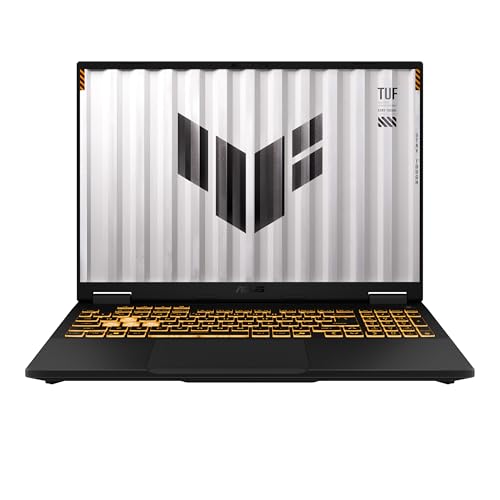
ASUS TUF Gaming F16 16.0″ WUXGA

MALLRACE Laptop 17.3-Inch FHD Display
Gaming Laptop AMD Ryzen 7 H255
More Details On Our Top Picks
For a gamer who wants a fast panel without jumping to the very top tier, this Strix keeps the essentials tightly aligned. The 16:10 aspect ratio gives you a taller workspace, which helps in strategy titles, schoolwork, and side-by-side windows.
The RTX 5060, Core i7-14650HX, 16GB of DDR5 memory, and 1TB Gen 4 SSD form a strong mid-to-upper build for modern play and quick loading. The honest trade-off is weight and power draw, because a machine like this rewards outlet access more than a coffee-shop marathon.
Strong Points
- 165Hz panel with a 3ms response target keeps motion clean in fast shooters.
- Intel Core i7-14650HX gives you plenty of headroom for gaming plus background apps.
- 1TB Gen 4 SSD leaves room for a large game library and faster installs.
- Wi-Fi 7 suits a crowded home network better than older wireless gear.
Things To Consider
- The performance class points more toward plugged-in use than all-day wandering.
- 16GB memory is fine for most play, though heavy creation work can ask for more.
Feature Rundown
Who It Suits Best
Serious gamers who want a balanced performance laptop for home, dorm, or travel days will get the most from it.
Where Another Pick Suits Better
GEEKOM GeekBook M16 Laptop is a better fit for long desk-free stretches, especially for commuters and frequent flyers who care more about endurance than peak graphics headroom.
This Strix sits above the RTX 5060 model and makes the jump obvious: the 2.5K panel is sharper, and the 240Hz refresh rate is better suited to very fast play. That extra screen pace matters most in competitive titles, where frame pacing and motion clarity can feel like a clean lane instead of traffic.
32GB of DDR5 memory and an Intel Core Ultra 9 275HX put it in a different lane for multitasking, creative work, and heavier game libraries. The trade-off is that this tier makes more sense for performance-first setups than for a carry-everywhere routine.
What We Like
- 240Hz 2.5K display gives you sharper detail and smoother movement than the 165Hz model.
- 32GB memory helps during streaming, editing, and heavy multitasking.
- Core Ultra 9 275HX gives the machine a stronger ceiling for demanding workloads.
- 1TB SSD keeps boot times and game launches brisk.
- Wi-Fi 7 is well matched to a fast home network.
Points To Note
- The higher-end parts make this more of a desk anchor than a casual travel companion.
- That sharper panel is welcome, though it also raises the bar for the rest of your setup.
- The cooling system will matter more here, so regular dust care helps long term reliability.
Best Suited To
Competitive players and power users who want a sharper screen plus more memory will get the most value from it.
A Better Fit Elsewhere
ASUS ROG Strix G16 (2025) Gaming Laptop 16″ FHD+ 165Hz suits you better when you want a similar chassis with a gentler load on the budget and less emphasis on top-end panel speed.
Portability is the headline here, and that changes the whole conversation. A slim gaming laptop like this can fit the routine of a student, commuter, or frequent traveler much better than a thicker desktop replacement, especially when you still want an RTX 5060 class GPU.
The 16-inch WUXGA IPS screen at 180Hz lands in a practical middle ground: plenty smooth, not overly demanding, and easier to keep moving than a huge panel. With 32GB DDR5, a 1TB Gen 4 SSD, and Wi-Fi 6, it looks like the sort of machine that handles long workdays and after-hours matches without feeling overbuilt.
Upsides
- Slimmer profile makes daily carrying easier than the bulkier ROG options.
- 180Hz display gives you a quick feel without pushing into extreme refresh territory.
- 32GB memory is generous for multitasking and light creative work.
- 1TB storage leaves room for multiple large installs.
Small Caveats
- Wi-Fi 6 trails the newer wireless standard used on the ASUS Strix models.
- The thinner build usually asks for more care in a packed bag.
- The screen resolution is practical, though it is not as sharp as the 2.5K Strix panel.
Who Will Love This
Gamers who travel, switch rooms often, or split time between play and classwork should find this shape especially useful.
Swap It Out When
ASUS TUF Gaming F16 16.0″ WUXGA is the better call for you when you want a more traditional gaming frame with newer-core parts and a sturdier desktop-first stance.
This older TUF model still makes sense for someone who wants a sturdier-feeling gaming laptop without chasing the newest silicon. The 144Hz IPS-type panel is a sensible step up from standard office screens, and the RTX 3050 Ti keeps esports and lighter AAA play within a familiar envelope.
Compared with the newer RTX 5060 and RTX 5070 Ti machines above, it asks for more compromise in graphics headroom, but that also keeps the setup straightforward. The dual self-cleaning fans and anti-dust design are practical touches for long-term ownership, especially in a room that sees a lot of daily use.
Bright Spots
- MIL-STD-810H construction gives the chassis a sturdier, workhorse feel.
- 144Hz panel is a clear upgrade over basic 60Hz displays.
- 16GB RAM and a 512GB SSD cover everyday gaming and general use well.
- Self-cleaning fans can help reduce routine maintenance pressure.
Areas To Watch
- RTX 3050 Ti sits well below the newer GPUs in this roundup.
- 512GB storage can fill quickly once you start installing larger games.
- The older platform makes sense for value, not for chasing the latest settings headroom.
Made For
Practical gamers, students, and everyday users who care more about steady value than cutting-edge performance should feel at home here.
Look Elsewhere When
ASUS ROG Strix G16 (2025) Gaming Laptop 16″ FHD+ 165Hz fits you better once you want a bigger graphics jump and a newer overall platform.
Battery-first laptops are rare in a gaming roundup, so this one earns attention fast. The stated up-to-24-hour runtime and 55W sustained power point to a machine built for long stretches away from a charger, which is exactly where many gaming laptops fall short.
That focus changes the fit. You would choose this less for raw frame-rate bragging rights and more for a long-haul flight, a full workday, or a mix of meetings and lighter play where endurance matters more than max graphics output.
Best Bits
- Very strong battery-life claim for a 16-inch notebook.
- 55W sustained power suggests a steadier performance profile under load.
- Ultraportable focus suits travel and desk hopping.
- GEEKOM’s broader notebook push gives it a different lane from the heavier ASUS picks.
Honest Caveats
- Gaming performance details are sparse here, so the balance leans toward endurance first.
- Long runtime claims often depend heavily on brightness, apps, and wireless use.
- You may want a stronger graphics spec if your main goal is demanding modern games.
Whose Shelf It Belongs On
Frequent travelers, mobile professionals, and light gamers who value unplugged time more than brute force will get the most from it.
Where A Sibling Pick Shines
ASUS ROG Strix G16 (2025) Gaming Laptop 16″ 2.5K 240Hz is the better match for you when the day revolves around competitive play and higher frame targets.
The newer TUF F16 sits in a useful middle zone, with a 14th Gen Core i7-14650HX, 16GB of DDR5 memory, and 1TB of PCIe 4.0 storage. That combination gives you a modern-feeling base for gaming, school, or content work without moving all the way into the premium ASUS Strix tier.
RTX 5050 graphics is the key limiter, though, and that is the honest read. For everyday gaming, it makes sense, but it won’t carry the same long-term graphics headroom as the RTX 5060 or RTX 5070 Ti models above.
Highlights
- 14th Gen Intel Core i7 keeps the platform current.
- 1TB PCIe 4.0 SSD gives you decent room and quick load behavior.
- 16GB DDR5 is a sensible baseline for modern play.
- 16-inch WUXGA screen offers extra vertical room for browsing and productivity.
Minor Gripes
- RTX 5050 is the least powerful graphics option among the ASUS gaming picks here.
- Non-touch display keeps things simple, though it may feel plain next to richer panels.
- Owners who install many large games will still want to manage storage carefully.
The Right Fit
Students and everyday gamers who want a current CPU, solid storage, and a sensible screen size should find this easy to live with.
Another Choice May Suit
ASUS ROG Strix G16 (2025) Gaming Laptop 16″ FHD+ 165Hz suits you better when you want a stronger GPU and a more overt performance edge.
The 17.3-inch screen is the whole story here, and it will feel roomy for media, web work, and lighter games. A larger panel like this can feel as welcoming as a desk lamp in a dim room, though it also means you are carrying more laptop, not less.
Its N95 processor, 16GB of RAM, 256GB of storage, and 6000mAh battery point to a modest machine aimed at basic tasks rather than intense gaming. That makes it a reasonable fit for casual use, but it sits far below the ASUS and Acer picks for graphics ambition.
Reasons To Buy
- Large 17.3-inch display gives you plenty of screen space.
- 16GB memory helps with everyday multitasking.
- 6000mAh battery is a notable hardware detail for a budget-leaning laptop.
- Simple spec sheet makes it easy to understand what you are getting.
Room For Improvement
- N95-class silicon is fine for basics, not for demanding gaming.
- 256GB storage fills quickly once apps and media pile up.
- The large chassis is less convenient for daily commuting than smaller picks above.
Perfect Match For
Casual users who want a big screen for light gaming, movies, and general home use are the best fit here.
Skip It When
Acer Nitro V 16S AI Gaming Laptop Ryzen 7 260 is the better choice for you once gaming performance and portability matter more than sheer screen size.
This MALLRACE model leans into processor speed and memory rather than chasing the flashiest screen claims. A Ryzen 7 H255, 24GB of DDR5, and a 512GB NVMe SSD make it sound well suited to split-time use, where gaming shares space with browsing, schoolwork, and heavier multitasking.
The spec mix is attractive for practical ownership because it gives you more memory than some mainstream gaming laptops in this group. The trade-off is storage capacity, which asks you to be more selective with installs once your game library starts spreading out.
Positives
- Ryzen 7 H255 offers strong core count and modern Zen 4 positioning.
- 24GB DDR5 is a generous amount for multitasking.
- 512GB NVMe SSD should feel quick for boot and launch tasks.
- Works well as a hybrid machine for work and play.
Worth Noting
- 512GB storage is the main constraint once larger games stack up.
- Graphics details are not spelled out here, so the overall gaming ceiling is harder to judge.
- For heavier travel, a more clearly portable model like the Acer Nitro V 16S may feel easier to carry.
Built With In Mind
Gamers who also need a practical everyday notebook should find the memory and processor balance appealing.
Reach For A Different Pick When
GEEKOM GeekBook M16 Laptop is the better fit for you when battery life and time away from a charger outrank raw hardware capacity.
What Matters Before You Choose A Battery Life Gaming Laptop
Common Shopping Slip Ups
Many people focus on the GPU first and ignore the panel, memory, and weight. That usually leads to a laptop that plays well at a desk but feels awkward everywhere else.
Battery claims also deserve context, since brightness, refresh rate, and app load can change the real-world result a lot.
What The Higher Tier Buys
More expensive models usually bring a faster display, a stronger graphics chip, and extra memory. They also tend to pair that with better cooling and larger SSDs, which matters once game installs start piling up.
The upgrade makes sense for competitive play, streaming, or long-term use. Casual gaming and schoolwork do not always need that extra spend.
Things Worth Knowing First
Mistakes Worth Dodging
Do not treat a big battery as a full answer to unplugged use. A power-hungry laptop can still drain quickly once the screen stays bright and the game load rises.
Also avoid oversizing storage needs. A 256GB or 512GB drive can feel tight much sooner than expected.
When Paying More Pays Off
Higher-tier gaming laptops often give you better motion handling, faster load times, and more breathing room for heavy multitasking. That matters most for esports, creative work, and a main machine used all day.
For lighter play, a midrange model usually keeps more money in your pocket without giving up the basics.
Frequently Asked Questions
How much battery life should you expect from gaming laptops?
It depends heavily on screen settings, workload, and graphics load. Gaming laptops with stronger chips usually need power sooner than office-focused notebooks.
Does a higher refresh rate hurt battery life?
Usually, yes, because the panel works harder to push more frames. A 240Hz display is great for motion clarity, but it can be less efficient than a slower screen.
Is 16GB of memory enough for gaming in 2026?
For many games, yes. You may want 32GB for streaming, heavy multitasking, or larger creative projects.
Which matters more for battery life, the processor or the graphics chip?
The graphics chip often has the bigger effect during games. The processor still matters, especially when you run a lot of apps at once.
What screen size works best for a portable gaming laptop?
A 16-inch model usually lands in a sensible middle ground. It gives you enough room to play and work without becoming as awkward as a larger 17-inch machine.
