


Budget mic preamps matter most when your mic sounds thin, noisy, or simply too quiet for the next stage in the chain. You feel the difference in a home studio, a podcast desk, a turntable setup, or a small gig rig, where clean gain and the right connections matter more than flashy extras.
These eight picks cover that range without drifting into overkill. Some are built for vinyl playback, some for live vocals, and some for desktop recording, so you can match the hardware to the way you actually work.
The Shortlist At A Glance

PROZOR Pre Amplifier for Turntable Audiophile M/M Phono Preamp

Yamaha MG06 6-Input Compact Stereo Mixer


Fluance PA10 High Fidelity Phono Preamp

MAONO AME2 Audio Interface Mixer

Wireless Microphone for iPhone, iPad, and Android Phone 2 Pack

BOMGE mini 2 Channel USB Audio Interface
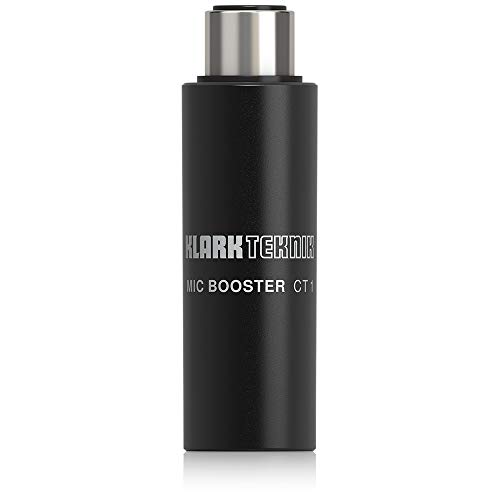
Klark Teknik MIC BOOSTER CT 1 Compact Dynamic Microphone Booster
More Details On Our Top Picks
For a basic turntable chain, this PROZOR unit keeps the job narrow and clear. It takes phono output into a stereo system or headphones, and the RCA plus 3.5 mm layout gives you two common paths from the same box.
The 63 dB maximum gain is the headline detail, and that matters most in setups where the source signal feels shy. The trade-off is obvious: this is focused on vinyl playback, not a general studio hub, so home listeners and casual record users get more value than multi-input creators.
Strong Points
- RCA and 3.5 mm output paths support flexible playback routing.
- 63 dB maximum gain gives weak turntable signal more room to breathe.
- Small footprint suits tight shelves or a simple hi-fi stack.
- Easy to place near a record player without adding clutter.
Things To Consider
- It stays centered on phono use, so it won’t replace a mixer or interface.
- Separate cables are part of the setup, which matters in a cramped cabinet.
- The plain housing is serviceable, not something you pick for desk appeal.
Feature Rundown
Who It Suits Best
You get the most from this one when you want a straightforward preamp for a record player, a stereo, or a pair of headphones.
A Better Fit Elsewhere
Fluance PA10 High Fidelity Phono Preamp suits vinyl listeners who want a more polished phono-specific stage, especially in a system built around MM turntables.
Compared with the PROZOR, this Yamaha shifts from a single-purpose phono stage into a compact mixing desk. That makes sense for lectures, small performances, or recording setups where you need several sources under one roof, not just one turntable path.
The D-PRE preamps are the key differentiator here, because they’re the front end that shapes mic tone before the rest of the chain. XLR outputs and EQ add control, though the trade-off is a little more setup work than a simple plug-in preamp.
What We Like
- Six inputs give you room for mics and sources without immediate outgrowth.
- D-PRE preamps support a cleaner capture path for spoken word or music.
- XLR outputs make it easier to connect to recorders or powered systems.
- EQ helps you make small corrections in a live room or a podcast corner.
Room For Improvement
- It asks more of your cable plan than a simple one-input phono box.
- The compact format is useful, though hands-on control can feel tight on busy desks.
- Some setups only need a preamp, so the extra mixing range may be more than necessary.
Core Details
Who Will Love This
You suit this best when you need a compact mixer for speaking events, small rehearsals, or a desk that handles more than one source.
Another Choice May Suit
rolls VP29 Phono Preamp is the better match for vinyl-only setups that need a simpler signal path and less front-panel complexity.
The rolls VP29 stays nicely focused, which helps in a system that only needs phono-to-line conversion and nothing extra. RIAA equalization, meaning the standard tonal correction used for vinyl playback, is the real job here, and it keeps the turntable signal in the right shape for ordinary line-level gear.
RCA input and output connections keep it familiar, and the included adapter lowers the hassle for first-time setup. The trade-off is clear: you gain simplicity, but you also give up the broader feature set found on the Yamaha MG06 and MAONO AME2.
Upsides
- RIAA handling makes it a direct fit for turntable playback chains.
- RCA in and out keeps the wiring straightforward.
- Included adapter helps reduce one extra accessory purchase.
- Its no-frills layout suits a shelf system that stays put.
Points To Note
- It stays single-purpose, so it won’t cover broader audio routing.
- The plain approach is useful, though not especially flexible for future expansion.
- You’ll want to keep the cabling tidy, since compact phono stacks can get messy fast.
Right Fit For
You fit this best when your record player needs a small, direct preamp for a living room system or a desktop audio chain.
Where A Sibling Pick Shines
Fluance PA10 High Fidelity Phono Preamp suits vinyl listeners who want a more refined phono stage with a similar turntable-first purpose.
For MM turntable systems, this Fluance unit reads like the more deliberate option beside the rolls VP29. Its whole purpose is phono equalization and line-level conversion, and that narrow focus usually suits vinyl stacks where you care more about signal quality than extra controls.
The RIAA stage is the important piece, because it restores the playback curve expected from records before the signal reaches a receiver or integrated amp. One thing worth considering is that this is a dedicated phono preamp, so it won’t pull double duty the way a mixer or interface can.
Bright Spots
- RIAA equalization keeps the playback chain aligned with vinyl needs.
- MM turntable support makes it a direct match for many common record players.
- High-fidelity intent points to a more careful signal path than bare-bones budget boxes.
- Simple use keeps day-to-day setup easy once the wiring is in place.
Softer Spots
- It stays specialized, so it won’t cover recording or mixing tasks.
- Owners with dense component racks may want to plan cable routing first.
Details At A Glance
Best Suited To
You fit this best when your setup is centered on a moving-magnet turntable and you want a dedicated stage for vinyl playback.
Skip It When
Yamaha MG06 6-Input Compact Stereo Mixer suits you better when the job includes microphones, lectures, or multi-source control.
This MAONO unit sits closer to a compact podcast console than a plain preamp, and that distinction matters. The built-in preamps, 48V phantom power, Bluetooth, and 11 sound pads give you control over a desktop show or live stream without stacking extra boxes.
The 3-level mic gain and low-noise gain up to 60 dB are useful details for spoken-word work, especially with dynamic XLR mics that need more lift. The catch is that this kind of feature density asks for a little learning, so it suits a creator who wants control rather than a set-and-forget stage box.
Reasons To Buy
- Built-in preamps give you a centered starting point for mic work.
- 48V phantom power supports condenser mics that rely on external power.
- Bluetooth and sound pads add useful desktop production options.
- 3-level gain control helps shape input for different voice setups.
- Good fit for streaming desks where several functions need to live in one unit.
Areas To Watch
- The control set is richer than a simple budget mic preamp, so setup takes more attention.
- It makes less sense for a vinyl-only rig.
- The added features can be wasted in a quiet room that only needs one clean input.
Feature Card
Who Should Grab It
You suit this best when you record podcasts, host streams, or want one desktop unit to manage voice and effects.
Look Elsewhere When
Klark Teknik MIC BOOSTER CT 1 Compact Dynamic Microphone Booster suits you better when your only problem is getting more clean gain from a low-output dynamic mic.
For mobile recording, this two-pack makes a lot of sense because the setup stays almost invisible. The receiver plugs in, the mics pair automatically, and you avoid Bluetooth menus or app clutter, which is exactly what you want during a quick interview or a vlog shoot.
The battery story is practical rather than flashy: up to 5 hours after about 1.5 hours of charging, plus phone charging through the receiver during use. The trade-off is that this is aimed at phone-based content, so studio desks and camera rigs with more complex routing will outgrow it fast.
What We Like
- No-app setup keeps it friendly for fast shoots.
- Two mics support interviews, split speaking roles, or backup use.
- Built-in charging support helps keep a phone alive during longer sessions.
- Noise reduction and mute options help you manage everyday spoken-word clips.
Minor Gripes
- Phone-first design limits its place in a broader studio chain.
- Recharge timing matters before longer recording days.
- Small accessories can be easy to misplace in a travel bag.
Quick Facts
Made For
You fit this best when your main recording device is a phone and you need a clean lapel setup for travel or street-level content.
Reach For A Different Pick When
BOMGE mini 2 Channel USB Audio Interface suits you better for desk-based recording, especially with a computer and XLR mic chain.
Compared with the MAONO AME2, this BOMGE interface looks stripped down in a useful way. It’s aimed at recording, streaming, and podcasting, and the two-channel layout with XLR and 48V phantom power keeps it pointed at basic desktop production.
That makes it a good fit for a first interface or a spare unit for a small studio corner. The honest read is that it gives you the essentials rather than a pile of extras, so creators who need pads, Bluetooth, or deeper mixer control will want something broader.
Standout Traits
- Two-channel design keeps the interface easy to understand.
- XLR input support handles common mic setups for voice work or guitar.
- 48V phantom power supports condenser microphones.
- USB connection suits a simple computer-based recording desk.
Small Caveats
- It stays focused on essentials, so larger projects may outgrow it.
- Less control means less room for live performance tricks.
- A tidy desk helps, since small interfaces can disappear under cable clutter.
The Right Fit
You fit this best when you want a simple USB interface for voice, guitar, or starter podcast work at a computer.
Where Another Pick Fits Better
Yamaha MG06 6-Input Compact Stereo Mixer suits you better for live lectures or small events that need more input flexibility.
This Klark Teknik booster is the specialist’s answer in the list. It adds up to 25 dB of gain to dynamic or passive ribbon microphones, and because it runs on phantom power, it doesn’t ask for a separate supply in the middle of a live rig.
That extra gain can matter in quiet speaking setups or on stage with microphones that need a stronger front end. The trade-off is that it only makes sense where the mic type matches, so it’s a smart upgrade for specific rigs rather than a broad budget preamp replacement.
Best Bits
- Up to 25 dB of clean gain helps lift quieter dynamic microphones.
- Phantom-powered operation keeps the setup tidy.
- Works with many dynamic and passive ribbon mics.
- Rugged build suits travel cases and stage use.
Honest Caveats
- It solves a narrow problem, so it won’t replace a full interface or mixer.
- Mic compatibility matters, which means it rewards careful system matching.
- The small form factor can get lost in a packed bag, so storage takes a little attention.
Feature Snapshot
Whose Shelf It Belongs On
You fit this best when your dynamic mic feels too quiet in a live or studio chain and you want a dedicated gain boost.
Swap It Out When
MAONO AME2 Audio Interface Mixer suits you better when you need a broader desktop control center with Bluetooth and sound pads.
What Matters Most Before Choosing Budget Mic Preamps
Connection Type Comes First
Match the preamp to the gear already on your desk. A phono preamp belongs with a turntable, while a USB interface or mixer makes more sense for microphones, instruments, or computer recording.
Gain Should Match The Mic
Low-output dynamic and ribbon mics often need more lift than casual desktop models. A booster like the Klark Teknik CT 1 solves that narrow problem cleanly, while a mixer or interface covers broader work.
Think About Workspace Size
A small shelf system benefits from a compact box with simple jacks. A busy recording desk can justify extra controls, but only when you’ll use them regularly.
A Quick Reality Check
Wrong Turns To Avoid
Don’t buy a phono stage for a podcast desk or a stream console for a turntable rack. That mismatch wastes money and leaves you with the wrong connectors.
The Case For Spending Up
Higher-tier units usually pay for better gain control, cleaner input stages, and more flexible routing. That matters most in louder rooms, multi-mic sessions, and setups you expect to expand.
Frequently Asked Questions
What does a budget mic preamp actually do?
It raises a weak microphone or phono signal to a level the next device can use properly. The right model also shapes how easily you connect to a mixer, interface, receiver, or speaker chain.
Do you need phantom power for every microphone?
No, phantom power is mainly for condenser mics and some active devices. Dynamic mics usually do not need it, while ribbon mic compatibility depends on the gear in the chain.
Is a phono preamp the same as a mic preamp?
No, a phono preamp is built for turntable signals and RIAA correction. A mic preamp is meant for microphone gain, so the use cases are different.
What matters more, gain or connectors?
Both matter, but the connector match comes first because it decides whether the unit fits your gear at all. After that, gain determines whether the signal arrives at a healthy level.
Which pick works best for a simple home desk?
BOMGE mini 2 Channel USB Audio Interface is the cleanest starter choice for a computer-based desk. For vinyl playback, Fluance PA10 High Fidelity Phono Preamp is the more focused fit.
