


Carbon fiber filament makes sense when you need parts that hold shape, shrug off flex, and look cleaner than standard matte plastic. That matters for brackets, housings, machine parts, and prototypes that live in a busy workshop instead of a display shelf.
The eight picks below span PETG-CF, nylon-CF, and PLA-CF, so you can match strength, ease of printing, and printer compatibility to your setup. You’ll see where a heavier-duty spool earns its keep and where a lighter-touch option is the smarter move.
Quick Look At Our Top Picks

IEMAI Carbon Fiber PETG Filament 1.75mm, PETG-CF Matte Black 1kg

FLASHFORGE Carbon Fiber PETG Filament 1.75mm, 1KG Black Spool

SUNLU PA6-CF 20% Carbon Fiber Nylon 1.75mm 3D Printing Filament, Black 1KG
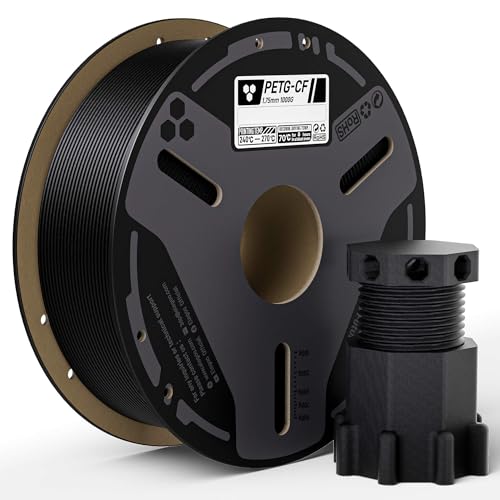
ELEGOO PETG-CF 3D Printer Filament 1.75mm Black 1KG

Polymaker Fiberon PA612-CF15 Filament Black 1.75mm 0.5KG

Creality PLA Carbon Fiber Filament 1.75mm, Hyper PLA-CF Matte Finish
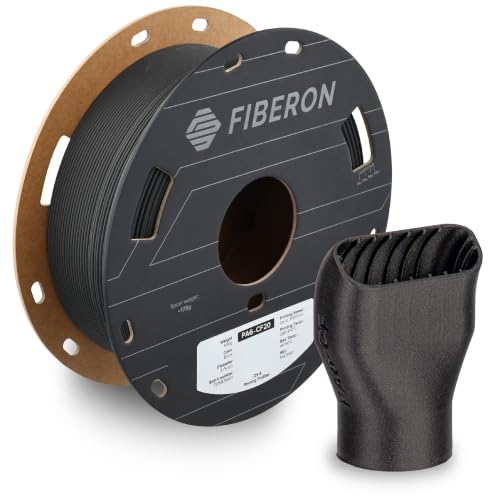
Polymaker Fiberon PA6-CF20 Filament Black 1.75mm 0.5KG

FLASHFORGE Carbon Fiber PETG Filament 1.75mm Black, Reinforced 1kg
More Details On Our Top Picks
IEMAI sits in the practical middle ground of PETG-CF, where you want more stiffness than plain PETG without jumping straight into a more demanding nylon blend. The matte black finish also suits parts that live in view, like mounts, housings, and workshop fixtures.
The 1 kg spool format makes sense for regular jobs, and the reported diameter precision points to steadier feeding on well-tuned printers. The trade-off is the usual one for carbon-filled filament, it’s less forgiving than standard PETG, so your profile and cooling need to be in shape.
Strong Points
- Carbon-fiber reinforcement adds helpful rigidity for brackets and load-bearing shapes.
- Matte black parts tend to hide layer lines better than glossy filament.
- 1 kg spool size fits everyday workshop use without feeling oversized.
- Good fit for jigs, mounts, and functional enclosures.
Things To Consider
- Carbon-filled PETG is less forgiving than basic PETG, so tuning matters.
- You may want a wear-resistant nozzle for longer use.
- Surface finish can be excellent, but it still depends on print settings and part geometry.
Who It Suits Best
You benefit most here if you print functional PETG parts and want a sturdier feel without moving into an advanced nylon workflow.
Where A Sibling Pick Shines
FLASHFORGE Carbon Fiber PETG Filament 1.75mm, 1KG Black Spool suits you better for tighter diameter control and a more dialed-in repeatable setup.
FLASHFORGE leans into the details that matter to someone chasing consistent output, starting with its tighter diameter tolerance and PETG base. That combination is useful in a home shop where you want clean, repeatable parts without babysitting every pass.
Compared with IEMAI, this one feels a touch more precision-minded on paper, while still keeping the familiar PETG-CF balance of rigidity and impact resistance. The caveat is that carbon-filled filament still rewards a tuned machine, so this is better for a printer you already know well.
What We Like
- Tight diameter accuracy supports steadier extrusion.
- PETG-based blend keeps the material familiar for many setups.
- Useful for parts where surface quality and rigidity both matter.
- 1 kg spool is a comfortable size for regular projects.
Worth Noting
- The material still benefits from careful printer tuning.
- Carbon-filled filament can be tougher on standard nozzles over time.
Made For
You fit this pick well if you want PETG-CF for functional printing and care about dimensional consistency as much as strength.
A Better Fit Elsewhere
Creality PLA Carbon Fiber Filament 1.75mm, Hyper PLA-CF Matte Finish suits fast prototype work better, especially on printers set up for easier PLA-style handling.
SUNLU moves into a tougher class of material with PA6-CF, where nylon provides a stronger base than PETG and the carbon fiber content pushes stiffness higher. That makes sense for mechanical parts that need a more serious structure, not just a cleaner look.
For equipment brackets, tooling, and parts that see repeated load, this kind of filament usually earns attention fast. The trade-off is the familiar nylon reality, it asks more from drying, storage, and printer setup than the PETG choices above.
Best Bits
- PA6 nylon base supports demanding functional parts.
- Carbon fiber content helps with stiffness and structure.
- Good fit for engineering-style prints and hardware-adjacent work.
- 1 kg spool gives enough material for real projects.
Small Caveats
- Nylon blends usually need more careful moisture handling.
- Printer settings matter more than they do with PETG.
- This is less forgiving than PLA-CF for casual use.
Best Suited To
You’ll get the most from this choice in a workshop, lab, or garage setup where strength matters more than easy printing.
Another Choice May Suit
Polymaker Fiberon PA612-CF15 Filament Black 1.75mm 0.5KG fits better for experimentation on a smaller spool before you commit to a bigger nylon job.
ELEGOO’s PETG-CF lands in a familiar spot for functional printing, with the carbon fiber blend aimed at extra stiffness and a sturdier finished part. In a busy workshop, that mix works well for brackets, organizers, and outdoor-adjacent housings that need more than decorative plastic.
Compared with SUNLU’s nylon-based option, this one stays closer to standard PETG behavior, which usually makes setup less intimidating. The honest read is that you still need decent print tuning, but the overall learning curve should feel gentler than with the nylon blends.
Highlights
- Good middle ground between ease and strength.
- Useful for functional parts with some impact exposure.
- Black finish suits utilitarian parts and visible hardware.
- 1 kg spool is practical for ongoing jobs.
Areas To Watch
- Still less forgiving than plain PETG or PLA.
- Carbon-filled material can call for nozzle attention over time.
Who Should Grab It
You suit this pick well if you want a steadier PETG-CF path without the extra setup burden of nylon.
Look Elsewhere When
FLASHFORGE Carbon Fiber PETG Filament 1.75mm, 1KG Black Spool is the stronger fit for you if tighter dimensional control matters more than broad compatibility.
Polymaker’s smaller spool is useful in a different way than the full-size PETG-CF options above, because it lets you sample a high-performance nylon composite without committing to a larger roll. That matters for niche parts, short runs, and setup checks on a machine you’re still tuning.
PA612 is a nylon family material, so you get the durability profile many technical projects want, while the 15% carbon fiber content helps control flex. The catch is that a 0.5 kg spool goes quickly, so this is better for focused work than for production-style printing.
Upsides
- Smaller spool size is easier to store and test.
- Good fit for short engineering runs.
- Carbon-fiber reinforcement supports firmer parts.
- Polymaker’s Fiberon line targets performance-minded printing.
Softer Spots
- Half-kilo capacity limits larger projects.
- Nylon-based materials usually need more careful moisture control.
- Better as a specialty roll than a daily workhorse.
Whose Shelf It Belongs On
You fit this spool best if you print technical samples, one-off parts, or smaller batches and want a compact roll to match.
Skip It When
SUNLU PA6-CF 20% Carbon Fiber Nylon 1.75mm 3D Printing Filament, Black 1KG suits you better for larger nylon jobs that need more material on hand.
Creality’s PLA-CF is the most approachable option in this group for fast mockups and visible prototypes, because it keeps the PLA workflow while adding a carbon-filled matte look. In a home office or classroom-style workspace, that can save time and reduce setup friction.
It differs from the PETG-CF and nylon picks by staying closer to familiar PLA handling, which is useful for shorter jobs and faster turnarounds. The trade-off is that PLA-based material is usually better for general structural tasks than for harsher thermal or mechanical environments.
Reasons To Buy
- Good for quick prototypes and appearance models.
- Matte finish helps parts look more finished out of the printer.
- High-speed print focus suits fast-turn workflows.
- More approachable than nylon-based composite filaments.
Points To Note
- PLA-based filament is less suited to demanding heat exposure.
- Structure-focused jobs may call for PETG-CF or nylon-CF instead.
The Right Fit
You suit this pick best for fast prototypes, mockups, and visual parts where speed matters as much as the final look.
Where Another Pick Suits Better
FLASHFORGE Carbon Fiber PETG Filament 1.75mm, 1KG Black Spool is the better route for you if your parts need more general-purpose durability.
Feature Rundown
This is the more aggressive Polymaker option, with PA6 nylon and 20% carbon fiber pushing toward firmer, more load-ready prints. Compared with the PA612-CF15 spool above, it’s the stronger play when you care more about rigidity than convenience.
That makes it attractive for mechanical parts, but the trade-off is familiar to anyone who works with technical nylon blends: drying, handling, and printer tuning all matter. In a garage shop or prototype lab, that’s reasonable; in a casual setup, it can feel like more material than you need.
Best Bits
- Higher carbon load supports firmer printed parts.
- Good fit for brackets and technical components.
- Smaller spool helps limit waste on focused projects.
- Useful when plain PETG no longer feels stiff enough.
Honest Caveats
- Nylon care steps matter more than with PETG or PLA blends.
- Half-kilo capacity is limiting for larger builds.
- Better suited to tuned printers than casual plug-and-play jobs.
Built With In Mind
You fit this pick best if you print technical parts and want a compact spool of stronger nylon composite material.
Swap It Out When
Polymaker Fiberon PA612-CF15 Filament Black 1.75mm 0.5KG is the friendlier route for smaller experiments and less demanding nylon work.
FLASHFORGE closes the list with a PETG-CF spool that aims at strength without turning the printing process into a project of its own. That makes it appealing for workshop parts, brackets, and upgrades where you want a stronger material but still value a smoother PETG-style workflow.
Compared with the nylon picks, this one should feel less demanding day to day, and compared with plain PLA-CF, it offers a more serious structural profile. The catch is the same one that follows carbon-filled materials everywhere, you still want a printer setup that’s steady and a nozzle plan that respects abrasive filament.
Positives
- Good balance of strength and ease.
- Useful for load-bearing parts and functional upgrades.
- Black finish suits utilitarian prints well.
- 1 kg spool gives a practical amount for ongoing work.
Minor Gripes
- Carbon-filled material is still less forgiving than plain PETG.
- Long-term use may call for nozzle awareness.
Perfect Match For
You suit this pick best if you want a sturdy PETG-CF spool for everyday functional printing.
Reach For A Different Pick When
SUNLU PA6-CF 20% Carbon Fiber Nylon 1.75mm 3D Printing Filament, Black 1KG fits better for harder mechanical loads and more technical nylon work.
Feature Snapshot
What Matters Most Before Choosing Carbon Fiber Filaments
Common Shopping Slip Ups
Many filament problems start with printer mismatch, not the spool itself. Match the material family to your machine, then check nozzle wear and storage habits before you commit.
What The Higher Tier Buys
Higher-end blends usually spend more on resin choice, carbon loading, and tighter consistency. That extra cost makes sense for parts that carry load, need cleaner dimensions, or need a more stable print profile.
A Quick Reality Check
Hidden Buying Traps
Thin claims about strength can hide a material that still needs careful tuning. Look for the base polymer, carbon content, and diameter accuracy so the spool matches your use case.
The Upgrade Payoff
Spending up helps when a part has to hold shape under stress or sit in service for a while. For casual mockups, plain PLA-CF can be enough, but technical parts usually justify the better composite.
Frequently Asked Questions
What makes carbon fiber filament different from standard filament?
It blends chopped carbon fiber into a base polymer such as PETG, PLA, or nylon. That usually increases stiffness and gives parts a drier, more technical look.
Is carbon fiber filament harder to print?
Usually, yes, because the material can be less forgiving than basic filament. A tuned profile, solid bed adhesion, and a suitable nozzle matter more here.
Which base material is easiest for everyday use?
PLA-CF tends to feel the most approachable for fast mockups and visual parts. PETG-CF is the next step up when you want more durability without jumping to nylon.
Why do some carbon fiber spools cost more than others?
The price difference often reflects the base resin, carbon loading, and consistency of the spool. Smaller specialty runs can also carry a higher per-kilo cost.
Do carbon fiber filaments need special storage?
Nylon-based blends benefit the most from dry storage because moisture affects handling and print results. PETG-CF and PLA-CF are less demanding, but dry storage still helps keep results steady.
