


Steam gaming pushes a laptop harder than casual use, so you need a machine that matches your play habits, not just a flashy spec sheet. The right pick depends on how demanding your library is, how often you travel, and whether you care more about screen smoothness, GPU headroom, or battery-friendly everyday use. These eight options cover that spread, from faster RTX 5060 models to leaner budget-minded builds that still handle a Steam-heavy routine.
Quick Look At The Shortlist

ASUS ROG Strix G16 (2025) Gaming Laptop
ASUS TUF Gaming F16 (2025) Gaming Laptop

Acer Nitro V Gaming Laptop

Acer Nitro V 16S AI Gaming Laptop

NIMO 15.6″ FHD Light-Gaming-Laptop
ASUS TUF Gaming F16 Gaming Laptop

NIMO 15.6” IPS FHD Laptop
Gaming Laptop with AMD Ryzen 7 H255
More Details On Our Top Picks
The Strix G16 leans into fast-screen, fast-chip territory, so it fits Steam players who keep a queue of demanding titles installed. A 16:10 display gives you a little more vertical space than a plain 16:9 panel, which is handy in menus, strategy UIs, and desktop work between sessions.
Compared with the TUF F16 below, this one is the sharper fit for someone who wants more headroom from the RTX 5060 and Core i7 class hardware. The honest read is that the 1TB SSD and 16GB DDR5 memory suit a broad game library, though storage-hungry collectors may still want an external drive later.
What We Like
- 165Hz refresh and 3ms response support smooth motion in fast-paced games.
- RTX 5060 gives you more room for heavier Steam releases and higher settings.
- 1TB SSD leaves practical space for a sizeable install list.
- Wi-Fi 7 helps in homes with newer routers and crowded networks.
Points To Note
- The stronger parts add cost and usually mean more fan noise under load.
- Its gaming focus makes it less relaxed for simple couch-side laptop use.
Feature Snapshot
Who It Suits Best
You fit this pick best if Steam is your main gaming hub and you want a machine that can keep pace with newer releases without feeling compromised.
Where A Sibling Pick Shines
ASUS TUF Gaming F16 (2025) Gaming Laptop suits you better if you want a leaner price-to-spec balance and can live with a step down in graphics muscle.
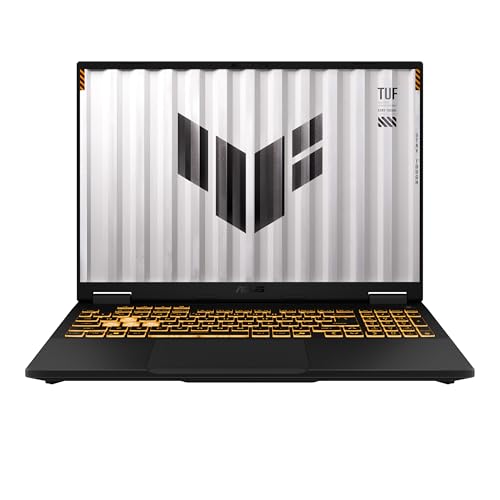
This TUF F16 sits in the sweet spot for many Steam setups, especially yours if you want a 16-inch frame without jumping to the Strix tier. The 165Hz panel matters because it keeps desktop scrolling and fast games feeling responsive, not just the action on screen.
Against the Strix G16, you give up some headroom, but the payoff is a more tempered parts mix with the RTX 5050 and Core i5-13450HX. That trade works well for long evenings of mixed play, where the machine also handles downloads, chats, and browser tabs without turning into a hot mess.
Highlights
- 16:10 display ratio gives you useful vertical space for games and general use.
- RTX 5050 is a sensible starting point for current Steam titles.
- 16GB DDR5 keeps multitasking reasonable for launchers and background apps.
- Wi-Fi 6E helps in busier wireless environments.
Softer Spots
- 512GB storage fills faster than you may like with modern game installs.
- The Core i5 tier is fine for most play, though heavier workloads have less margin.
Who Should Grab It
You fit this model best if you want a familiar gaming shape, strong enough parts, and a display that feels comfortable for daily Steam use.
A Better Fit Elsewhere
ASUS ROG Strix G16 (2025) Gaming Laptop suits you better if you want more performance headroom and are happy to step up in class.
The Nitro V is the straightforward choice in this group, and that simplicity helps. With a 15.6-inch IPS panel, you get wide viewing angles, meaning the screen holds up better than a basic TN panel when you shift position at a desk or on a tray table.
Compared with the TUF and ROG picks, this one clearly sits a step lower in graphics muscle and memory, but it still covers Steam comfortably for less demanding titles. The 8GB DDR5 base makes it the first model here that really benefits from sensible upgrade planning, so keep that in mind before you load a giant library.
Bright Spots
- RTX 4050 handles everyday Steam gaming without feeling stripped down.
- 165Hz refresh keeps motion cleaner in fast shooters and racing games.
- IPS display improves viewing comfort for shared use or angled setups.
- Backlit keyboard helps in dim rooms and late sessions.
Things To Consider
- 8GB memory is the tightest configuration in this roundup.
- 512GB SSD leaves less room once several modern games are installed.
- The compact spec mix works best for lighter libraries and careful multitasking.
Feature Rundown
Best Suited To
You fit this laptop best if you want an accessible first gaming machine for Steam and can keep your install list disciplined.
Another Choice May Suit
ASUS TUF Gaming F16 (2025) Gaming Laptop suits you better if you want a more rounded mix of memory and storage from the start.
The 16S AI feels tuned for gamers who move around more often, since its slimmer body aims at portability without dropping into ultra-light territory. A 180Hz WUXGA panel, meaning a sharper-than-FHD 16:10 screen with a higher refresh rate, gives you more room for both play and desktop work.
Compared with the ROG Strix G16, this Acer puts 32GB DDR5 front and center, which is a serious plus for multitaskers, streamers, and anyone juggling game launchers plus browser tabs. The trade-off is simple, it looks built for motion and capacity rather than flashy desktop presence, and that suits some setups better than others.
Upsides
- 32GB memory supports heavy multitasking without constant tab management.
- RTX 5060 gives you stronger room for demanding Steam games.
- 180Hz panel helps motion look cleaner in fast action.
- Slimmer build makes it easier to carry than bulkier gaming rigs.
Areas To Watch
- Portable gaming designs often run warmer than thicker chassis.
- Wi-Fi 6 is solid, though it trails newer wireless standards.
Who Will Love This
You fit this laptop best if you want stronger memory capacity and a travel-friendly frame for regular Steam use on the move.
Look Elsewhere When
ASUS ROG Strix G16 (2025) Gaming Laptop suits you better if you want the more aggressive performance-first stance and newer Wi-Fi 7 support.
This NIMO is the least aggressive gaming option here, but that doesn’t make it irrelevant. With a Ryzen 7 Pro 6850U and Radeon 680M graphics, it suits lighter Steam play, indie titles, and older games while staying comfortable for work, study, and streaming.
The 32GB LPDDR5 memory and 1TB SSD make it feel more roomy than many entry gaming laptops, especially for daily carry. The honest read is that this works better as a versatile laptop that can also game, not a hard-edged performance machine like the Acer Nitro or ASUS ROG picks.
Reasons To Buy
- 32GB LPDDR5 memory helps with multitasking and long browser sessions.
- 1TB SSD gives you practical room for games and files.
- 100W Type-C charging support is useful for simpler desk setups.
- Fingerprint sign-in adds a quick, tidy login step.
Small Caveats
- Integrated Radeon 680M graphics suit lighter Steam use more than demanding releases.
- The light-gaming angle makes it less compelling for high-refresh competitive play.
Core Details
Right Fit For
You fit this model best if you split your time between Steam, schoolwork, office tasks, and general use.
Where A Sibling Pick Shines
Acer Nitro V Gaming Laptop suits you better if your Steam library leans toward more demanding games and you want a dedicated graphics path.
This TUF F16 is the sort of machine that makes sense for consistent nightly Steam use without chasing the most expensive tier. A 144Hz IPS-level display keeps motion smooth enough for action games, and the 16:10 format leaves a bit more room for menus and desktop work.
Compared with the RTX 5050 TUF above, this one is slightly more restrained on the display side but still lands in a dependable middle lane. It suits gamers who value a sensible chassis, a familiar keyboard layout, and enough internal muscle for mainstream titles without constant tinkering.
Standout Traits
- Core 5 210H gives you a current Intel platform for everyday gaming.
- RTX 4050 keeps the entry point honest for Steam play.
- 16GB DDR5 is a more comfortable baseline than 8GB systems.
- Wi-Fi 6 is stable and common for home setups.
Room For Improvement
- 144Hz is smooth, though it trails the 165Hz and 180Hz panels above.
- 512GB storage is enough to start, not enough to forget about.
Built With In Mind
You fit this laptop best if you want a straightforward, no-drama gaming machine for regular Steam sessions and daily tasks.
Swap It Out When
Acer Nitro V 16S AI Gaming Laptop is the better move if you want a higher-refresh panel and more memory for heavier multitasking.
This NIMO is aimed more at daily computing than hard gaming, and that clarity helps set expectations. The Ryzen 5 and 16GB RAM pairing is enough for lighter Steam titles, emulation, and everyday work, while the 180° hinge is handy for shared viewing on a desk or kitchen counter.
Compared with the more gaming-focused ASUS and Acer models, you give up graphics strength, but you gain a simpler setup for school, office work, and general travel. The 65W Type-C charging support keeps the desk cable situation cleaner, which is a small thing until you live with the laptop for a few weeks.
Best Bits
- 16GB memory is a solid starting point for everyday use.
- Fingerprint login keeps sign-in quick and tidy.
- Backlit keyboard helps in low-light environments.
- 2-year warranty support is longer than the usual one-year pattern.
Honest Caveats
- Light-gaming hardware is better for indie and older Steam titles.
- 512GB storage fills fast once a few games and files pile up.
Whose Shelf It Belongs On
You fit this laptop best if you want an affordable everyday machine that can also handle lighter Steam play.
Another Choice May Suit
Acer Nitro V Gaming Laptop suits you better if your Steam library leans into newer, more graphics-heavy releases.
The H255 model is the most stripped-back listing here in terms of details, yet the core formula still makes sense for light-to-moderate Steam use. A Ryzen 7 H255 with 24GB DDR5 gives you a roomy memory base for multitasking, so the laptop should feel comfortable for gaming alongside chat apps and browser tabs.
Against the NIMO light-gaming option, this one gives you more memory and a newer AMD chip class, which should appeal to shoppers who value a cleaner performance floor. The catch is that the source does not spell out the display or graphics model, so you should treat it as a flexible spec-first choice rather than a clearly defined gaming specialist.
Plus Points
- Ryzen 7 H255 gives you an 8-core base for demanding everyday use.
- 24GB DDR5 is generous for multitasking and launcher-heavy routines.
- 512GB NVMe SSD keeps load times and system response brisk.
Worth Noting
- The graphics section is not specified in the provided details.
- Without display details, fit depends more on the rest of the listing than the panel.
The Right Fit
You fit this laptop best if you want a newer Ryzen 7 platform and plenty of memory for mixed-use Steam play.
Reach For A Different Pick When
ASUS ROG Strix G16 (2025) Gaming Laptop is the smarter move if you want a clearly stated graphics path and a more complete gaming spec sheet.
What Matters Most Before Choosing Gaming Laptops For Steam
Screen Smoothness And Resolution
Steam makes display choices easy to feel. A 165Hz or 180Hz panel matters most for shooters, racers, and fast scrolling, while 144Hz is still plenty for many mainstream games. A 16:10 screen gives you more vertical room, which helps in strategy menus, inventory screens, and everyday browsing.
Graphics Power And Memory
GPU strength decides how far you can push game settings, and system memory decides how gracefully the laptop handles open launchers, voice chat, and browser tabs. RTX 5060-class parts sit above RTX 4050 and RTX 5050 options in room to grow, while 8GB memory is the one configuration here that calls for caution. For a Steam-heavy machine, 16GB is the practical baseline.
Storage And Carrying Comfort
Modern installs eat space quickly, so 512GB feels tight once your library grows. 1TB gives you more breathing room, especially for bigger single-player games. Portability also matters, because a slimmer chassis is easier to move, but thicker builds often stay calmer under load.
Key Trade-Offs Across These Picks
Common Shopping Slip Ups
A lot of Steam shoppers focus only on the graphics name and miss memory, storage, and display quality. That leads to cramped installs or a machine that feels less comfortable after a month of use. A balanced spec sheet usually ages better than a flashy single headline.
The Upgrade Payoff
Higher-tier models cost more because they pair stronger graphics with better displays, larger storage, and more memory headroom. That pays off most for heavier libraries, higher settings, and longer ownership. For lighter play and schoolwork, the extra spend makes less sense.
Frequently Asked Questions
What Specs Matter Most For Steam Gaming?
Graphics and memory usually matter first. A smoother display and enough SSD space come right after.
Is 8GB Memory Enough?
It works for lighter play and simple multitasking. A 16GB system feels more comfortable for most Steam-heavy use.
Do You Need A 1TB SSD?
You do not need it on day one, but it helps a lot with larger libraries. 512GB fills up quickly once several modern games are installed.
Are 165Hz And 180Hz Panels Worth It?
They matter most in fast games and during everyday scrolling. The difference is less important in slower, story-driven titles.
Which Pick Fits Mixed Work And Gaming Best?
NIMO 15.6″ FHD Light-Gaming-Laptop is the easiest blend of study, work, and lighter Steam play. ASUS TUF Gaming F16 (2025) Gaming Laptop is better once gaming performance becomes the priority.
