


Gaming on a laptop is always a balance of speed, screen quality, heat control, and how much weight you want to carry. This roundup focuses on seven machine families that fit different gaming habits, from desktop-style power in a backpack to simpler rigs for night-after-night play. You’ll also see where each one makes sense for school, content work, or a cramped desk setup. The goal is to help you match the hardware to your routine, not just the spec sheet.
The Shortlist At A Glance

ASUS ROG Strix G16 (2025) RTX 5060

ASUS ROG Strix G16 (2025) RTX 5050

ASUS ROG Strix G16 (2023) RTX 4060
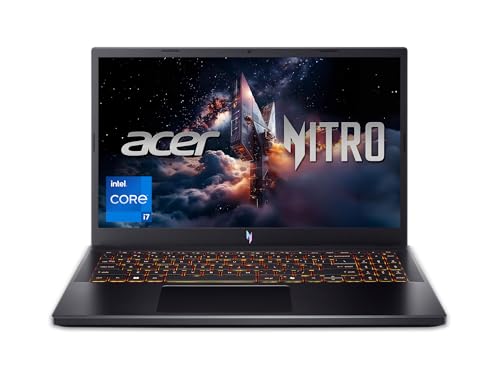
Acer Nitro V i7 RTX 4050


Alienware 16 Aurora RTX 5050
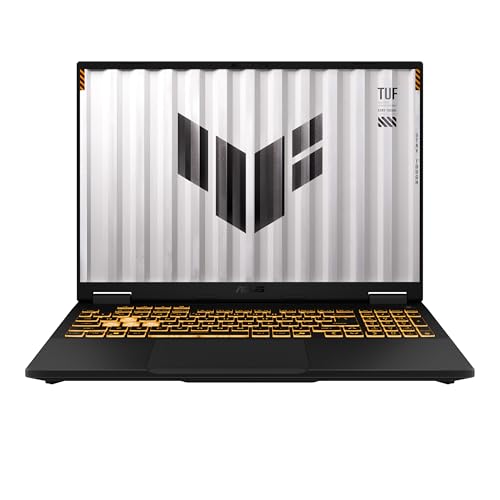
ASUS TUF Gaming 16 RTX 5050
More Details On Our Top Picks
The ROG Strix G16 with the Core i7-14650HX and RTX 5060 sits in the part of the market that suits long gaming sessions and heavier multitasking. The 16-inch 16:10 screen gives you a little more vertical room than a standard 16:9 panel, which helps in strategy games, creative apps, and general browsing.
Its 165Hz refresh rate and 3ms response time matter most in fast shooters and action games, where motion blur gets annoying quickly. You also get 16GB of DDR5 memory, a 1TB Gen 4 SSD, and Wi-Fi 7, so it fits a setup where you jump between large installs, voice chat, and school or work files without constant cleanup.
Strong Points
- RTX 5060 gives you more headroom for modern games at 1080p.
- 165Hz panel keeps motion looking smooth in quick-moving matches.
- 1TB Gen 4 SSD leaves room for several big installs.
- Wi-Fi 7 is handy for crowded home networks and fast routers.
Things To Consider
- The stronger parts usually mean more fan noise under load.
- Its larger 16-inch frame is less friendly for tight backpack space.
Feature Card
Who It Suits Best
Competitive gamers and all-round PC players who want a stronger mid-to-high tier laptop will get the most from this setup.
Where A Sibling Pick Shines
ASUS ROG Strix G16 (2025) RTX 5050 is the better fit for a more restrained budget and lighter gaming habits.
Compared with the RTX 5060 version above, this Strix G16 trims the graphics tier but keeps the same 16-inch 165Hz, 3ms display format. That makes it easier to justify for school days, lighter streaming, and game libraries that lean more toward popular competitive titles than demanding cinematic releases.
The Core i5-13450HX, 16GB of DDR5-5600 memory, and 1TB PCIe Gen 4 SSD create a balanced setup that handles everyday gaming without feeling stripped down. The honest read is that this one gives up some ceiling for the sake of a friendlier entry point, and that trade-off makes sense for many setups.
Upsides
- Keeps the same fast panel as the stronger Strix model.
- 1TB SSD helps you avoid juggling installs too often.
- DDR5-5600 memory supports quick app switching and game loading.
- Works well for a mix of play and classwork.
Minor Gripes
- RTX 5050 leaves less room for heavier visual settings.
- The more modest processor is a step down for heavy creator work.
At A Glance
Made For
Students and casual gamers who want a fast-feeling laptop without stepping all the way up to the stronger RTX 5060 tier fit this well.
Another Choice May Suit
ASUS ROG Strix G16 (2025) RTX 5060 makes more sense for you if heavier games and higher settings matter more than price balance.
This older Strix model still earns attention because the RTX 4060 and Core i7-13650HX pairing remains a useful gaming combo. With 16GB of DDR5 and a 512GB PCIe SSD, it suits you best when the plan is to play first and keep the rest of the install list lean.
Against the newer G16 options, the main compromise is storage headroom and a generation older platform. The upside is that a smaller SSD can keep the price structure calmer, and the 165Hz FHD panel still gives you the quick feel that fast-action games need.
Positives
- RTX 4060 still handles many current games well.
- Core i7-13650HX gives the system plenty of pace.
- 165Hz display suits fast, twitchy gameplay.
Points To Note
- 512GB storage fills faster than the 1TB options in this roundup.
- Wi-Fi 6E trails the newer Wi-Fi 7 picks.
- It makes more sense for a tighter game library.
Whose Shelf It Belongs On
You’ll appreciate this one most if you want a capable gaming laptop and don’t mind trimming storage-heavy habits.
Reach For A Different Pick When
ASUS ROG Strix G16 (2025) RTX 5060 is the smarter step-up for you if you keep many large games installed at once.
The Nitro V takes a more straightforward route than the Strix machines, and that keeps it easy to understand. A 15.6-inch IPS panel with 165Hz refresh fits fast games nicely, while the Core i7-13620H and RTX 4050 cover a broad middle ground for play, homework, and lighter creative work.
The 1TB Gen 4 SSD is a welcome touch here, because a smaller gaming laptop can still end up carrying large installs and project files. You may find the 15.6-inch size easier to carry daily, though the smaller chassis usually leaves less room for the kind of thermal breathing room the bigger ASUS models enjoy.
Highlights
- 15.6-inch size is easier to move around town.
- 165Hz IPS panel suits fast motion and clean viewing angles.
- 1TB Gen 4 SSD gives you solid storage headroom.
- Backlit keyboard helps in dim rooms.
Areas To Watch
- RTX 4050 is a lighter graphics tier than the other options above it.
- Smaller chassis can run warmer under longer play sessions.
Core Details
Best Suited To
Daily commuters and first-time gaming laptop shoppers who want something simpler to carry will appreciate this format.
Swap It Out When
ASUS TUF Gaming 16 RTX 5050 is a better fit for you if you want a sturdier-feeling larger chassis with a newer GPU tier.
This Nitro V 16S AI leans into a modern mix of graphics power and memory headroom. The RTX 5060, 32GB of DDR5, and 1TB Gen 4 SSD make it better suited to heavy multitasking, larger project files, and long gaming libraries than the 16GB models in this list.
The 16-inch WUXGA IPS display runs at 180Hz, so fast movement has a little more room to breathe than on the 165Hz panels above. That combination makes sense for you if you game, keep many apps open, and want one laptop to handle both play and a busy workday without feeling cramped.
Best Bits
- 32GB memory gives you extra breathing room for multitasking.
- 180Hz display suits quick action and smoother motion.
- RTX 5060 brings stronger graphics headroom than RTX 4050 or 5050 options.
- 1TB storage keeps a large game library within reach.
Small Caveats
- The memory and screen upgrades can make this feel more like a full-time desk machine.
- Its fuller spec mix may be more than light gamers need.
Details At A Glance
Who Will Love This
Power users who game often and keep a lot open at once will get the most from this configuration.
Look Elsewhere When
Acer Nitro V Gaming Laptop i7 RTX 4050 makes more sense if you want a simpler, lighter-spec laptop for casual play.
Alienware leans harder into design polish than the cheaper gaming lines above it, and that shows in the anodized aluminum lid and the cleaner overall styling. The 16-inch WQXGA display gives you more pixels than the FHD panels, which helps text look sharper and makes games and creative work feel a bit more spacious.
The RTX 5050 and Intel Core 7 240H point this machine toward balanced play rather than brute-force max settings. For most desk setups, that mix feels sensible, especially when you care about the look of the laptop as much as the frame rate.
Bright Spots
- Anodized aluminum lid gives it a more premium feel.
- WQXGA resolution adds detail for games and general use.
- 16-inch panel size works well for a home desk.
Softer Spots
- RTX 5050 is not the strongest graphics tier in this list.
- The sharper screen can be more machine than you need for casual play.
Key Specs
The Right Fit
You’ll like this most if you want a gaming laptop that feels polished on a desk and still handles everyday play well.
Another Choice May Suit
ASUS ROG Strix G16 (2025) RTX 5060 is the stronger call for you if raw gaming speed matters more than styling.
The TUF 16 feels built for rougher daily handling than the sleeker Alienware above it, and that matters more than people expect. With a 16-inch WUXGA non-touch display, Core i7-14650HX, 16GB of memory, and a 1TB SSD, it lands in the sweet spot for gamers who also carry the laptop around a lot.
The RTX 5050 keeps the graphics side practical rather than extravagant, so the real draw here is the mix of size, storage, and a sturdier-minded design approach. You may find it especially useful in a busy dorm room or shared home office where durability and a full-size screen matter more than flashy styling.
Plus Points
- 16-inch WUXGA screen gives you extra vertical room.
- 1TB SSD provides comfortable storage for games and documents.
- Core i7-14650HX helps with demanding workloads and play.
- TUF line styling usually appeals to practical, carry-everywhere setups.
Honest Caveats
- RTX 5050 is best viewed as a sensible mid-tier graphics option.
- Non-touch panel keeps the experience straightforward, not fancy.
Built With In Mind
Students, commuters, and anyone who wants a tougher-feeling gaming laptop for daily movement fit this model well.
Where A Sibling Pick Shines
Alienware 16 Aurora RTX 5050 is the better match for you if display polish and case finish matter more than the TUF’s tougher posture.
What Matters Before You Choose A Gaming Laptop
Display And Graphics Balance
A fast panel only pays off when the graphics chip can keep up. For smoother play, match refresh rate, resolution, and GPU tier instead of chasing one big number.
Memory, Storage, And Carry Time
16GB memory suits many gaming setups, while 32GB helps when you stream, edit, or keep many apps open. A 1TB SSD is easier to live with than 512GB once your library grows, and smaller chassis usually trade convenience for heat and fan noise.
Quick Checks That Save Regret Later
Wrong Turns To Avoid
Don’t focus only on the display rate and ignore the graphics tier behind it. A thin laptop can sound great on paper, then feel cramped in real use.
The Upgrade Payoff
Higher-tier models usually cost more because of faster GPUs, stronger processors, larger memory pools, and better panels. The extra spend makes sense when you want fewer compromises in new games or a machine that doubles as a work rig.
Frequently Asked Questions
What matters most in a gaming laptop screen?
Refresh rate, response time, and resolution shape how smooth and clear games feel. A good GPU still matters, because a fast screen without enough graphics power leaves performance on the table.
Is 16GB memory enough for gaming?
For many current games, 16GB is workable and still common. You’ll want more headroom when streaming, editing, or juggling many apps at once.
Do you really need a 1TB SSD?
A 1TB SSD gives you more room for larger games and fewer uninstall decisions. It also feels calmer for everyday use because files, launchers, and project folders stay in one place.
Which GPU tier fits casual gaming best?
RTX 4050 or RTX 5050 class graphics fit casual and mainstream play well. RTX 5060 makes more sense when you want more room for demanding titles or a longer useful span.
What makes a laptop easier to carry every day?
Smaller screens, lower weight, and a simpler chassis usually help. The trade-off is less thermal space, so a more portable model may run louder under load.
Closing Thoughts
You’ve got seven solid routes here, and the right one depends on how hard you plan to push the machine. The ASUS ROG Strix G16 with RTX 5060 is the clearest step-up for serious play, while the Acer and TUF models make more sense for a balanced daily setup. Choose the one that matches your game library, your desk space, and how often you carry it around.
