


Cords get a bad rap these days, but there’s real freedom in never charging your headphones again. Whether you’re stocking a classroom, replacing a pair your kid snapped in half, or just want something cheap enough to lose without heartache, wired earbuds and over-ear sets under twenty dollars still do honest work every day. This roundup covers ten options that keep spending low while covering three very different needs: pocketable earbuds, mic-equipped school headphones, and bulk classroom packs.
The Picks In Brief

JVC HAFX5D Gumy Plus Inner Ear Headphones (Orange)

JVC HAFX5P Gumy Plus Inner Ear Headphones (Pink)
JVC HAFX7R Gumy In-Ear Earbud Headphones (Red)

KVIDIO Wired Headphones with Mic, Volume Control (Black)
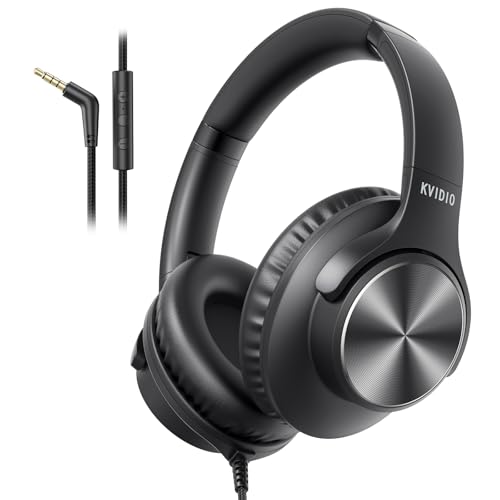
KVIDIO Over-Ear Corded Headphone with Mic (Black)
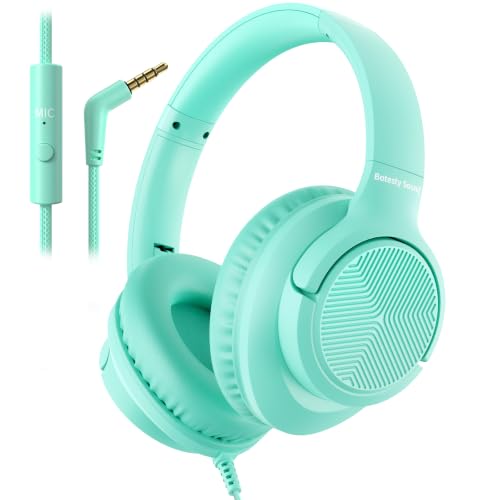
Botesty Sound Corded Headphones with Mic (Green)

Botesty Sound Corded Headphones with Mic (Pink)

Gaosen GS857 Classroom Headphones Bulk 6 Pack

Konohan 32 Pack Bulk Classroom Headphones

Koss KPH7 Lightweight Portable Headphone
What Each Pick Brings To The Table
The Gumy Plus takes JVC’s classic soft-bud formula and adds an inner-ear shape, which means the tip actually seals inside your ear canal instead of resting at its edge. That seal matters more than you’d think at this price, since it blocks a fair slice of background noise on buses and in open offices.
This listing ships as a two-pack in bright orange, which makes it easy to spot in a backpack or desk drawer. For most people buying a spare pair to toss in a gym bag, that’s exactly the job description.
The Case For It
- Rubber-bodied buds feel gentler against the ear than hard plastic shells during long listening stretches
- The inner-ear seal improves isolation, so you can run lower volumes in noisy surroundings
- Two pairs per purchase means one lives in your bag while the other stays home
- Vivid orange housing is genuinely hard to misplace
Things To Consider
- Inner-ear tips need occasional cleaning of wax buildup, and the rubber surface attracts lint in pockets
- Fit is one-size out of the box, so very small or very large ears may find the seal imperfect
Who Should Grab It
Anyone who wants a throw-it-in-the-bag backup pair that still isolates reasonably well.
Reach For A Different Pick When
Listeners who want stronger bass response should look at the JVC HAFX7R Gumy instead.
This pink variant carries the exact same hardware as the orange Gumy Plus above: a squishy rubber body, an inner-ear profile, and a two-per-order setup. The only meaningful difference is cosmetic, but cosmetics matter when the person wearing them is twelve and has opinions.
In practice, these suit students who share lockers and households where everyone’s gear looks identical. A distinct color cuts down on the “those are mine” arguments considerably.
Everyday Wins
- Soft elastomer construction sits comfortably against the ear canal for podcast-length sessions
- Some passive noise blocking comes free with the sealed inner-ear design
- Pack-of-two value keeps a backup ready before the first pair wears out
- The cheerful pink shell doubles as easy identification in shared spaces
Softer Spots
- No inline remote or mic, so phone calls mean pulling the buds out
- Cord tangles are a common gripe with thin budget cables, so loose coiling helps longevity
Made For
Kids, teens, and color-conscious listeners who want affordable daily buds with a bit of personality.
A Better Fit Elsewhere
Students who take frequent calls will prefer the KVIDIO wired headphones with their built-in microphone.
JVC’s newer Gumy generation steps up from the two models above with neodymium drivers, a magnet type known for strong output relative to size. Translation: deeper bass and clearer treble than you’d expect from a bud this inexpensive. The red elastomer shell stays true to the family’s soft-touch feel.
You also get small, medium, and large silicone tips in the box, which the older Gumys don’t include. Fitting the right tip size is what turns decent sound into good sound, since a poor seal bleeds away bass first.
Where It Excels
- Neodymium drivers deliver punchier low end than the standard Gumy Plus models earlier in this list
- Three silicone tip sizes let you dial in a secure, isolating fit
- A gold-plated 3.5mm plug resists corrosion and keeps the connection clean over years of plugging and unplugging
- The roughly 3.3-foot cord reaches a jacket pocket or desk PC without excess slack
Honest Caveats
- Silicone tips should be wiped down regularly, and they’re small enough to lose if not stored on the buds
- No microphone or controls, which limits phone use to music only
Key Specs
Who Will Love This
Budget music fans who prioritize bass and fit customization over call features.
Another Choice May Suit
Callers and online learners should step up to the KVIDIO over-ear model reviewed next.
Here’s where the list shifts from earbuds to full-size headphones, and the KVIDIO makes the jump with two features the JVC buds lack entirely: a built-in microphone and an inline volume rocker. Students hopping between video lessons and music will notice the difference immediately.
One practical note worth flagging before anything else. The inline volume button doesn’t work on desktop computers and some laptops, so on those devices you’d adjust loudness through the system settings instead. Phones handle the control fine.
What Stands Out
- Inline mic handles hands-free calls clearly enough for everyday voice chats
- Volume rocker on the cable saves constant fumbling for your phone mid-lesson
- Standard 3.5mm plug works with tablets, phones, and school Chromebooks alike
- Over-ear cups block some room noise passively without clamping hard
Points To Note
- The volume control is incompatible with desktop PCs and certain laptops, a limitation many owners discover only after setup
- Devices without a headphone jack require a separate 3.5mm adapter you’ll need to buy yourself
Right Fit For
Phone-first students and commuters who want cable-based volume and calling in one cheap package.
Swap It Out When
Desktop users chasing richer audio should consider the KVIDIO 40mm-driver model coming up next.
This sibling to pick four trades the volume rocker for bigger 40mm drivers, the round speaker components inside each ear cup. Larger drivers move more air, which is why podcasts sound fuller and bass notes land with actual weight here compared with the smaller KVIDIO above.
The trade-off is subtle but real. You give up cable-based volume adjustment and rely on your device instead, though the built-in mic stays for calls and meetings. For most study sessions, that’s a fair exchange.
A Favorable Mix
- 40mm drivers produce balanced stereo with crisp highs and a satisfying low end
- Over-ear padding spreads pressure around the ear rather than on it, easing long homework marathons
- Inline microphone keeps video calls and voice notes simple
- Works across phones, tablets, and any device with a 3.5mm jack
What To Weigh
- No inline volume control, unlike its smaller sibling, so adjustments happen on the device itself
- Jack-less phones and laptops need an adapter purchased separately
- Full-size cups take up more bag space than any earbud on this list
Feature Rundown
Who It Suits Best
Students and remote workers wanting fuller sound than earbuds provide at a similar price point.
Skip It When
Anyone needing on-cable volume tweaks will be happier with the KVIDIO volume-control version above.
The green Botesty set positions itself squarely at students and professionals living on video calls. Its microphone sits along the cable, close enough to your mouth to capture speech cleanly even with background chatter around you, which is the trickiest part of cheap-headphone calling.
An MFB button, short for multi-function button, handles call answering and playback on phones and tablets. Worth knowing upfront, though, that it doesn’t offer volume control, and the button only responds on mobile devices.
The Value In It
- Cable-positioned mic picks up voices clearly in moderately noisy rooms
- Handles online learning, meetings, and casual listening with one connected device
- The fresh green finish stands apart from the sea of black school headphones
- Standard 3.5mm corded design means zero battery management
Practical Considerations
- The MFB button works only on phones and tablets, not computers
- No volume control anywhere on the headset itself
- Cable mics can pick up rustle noise if the wire brushes against clothing while talking
Built With In Mind
Busy students and remote workers whose day revolves around calls and virtual meetings.
Not Your Match When
Classroom coordinators equipping many kids at once will get more mileage from the Gaosen six-pack below.
Same hardware story as the green Botesty above, wrapped in pink instead. The over-ear cups rest gently rather than clamping, which matters during back-to-back classes or long study blocks where cheaper headbands start to pinch behind the ears.
The mic placement along the cable remains the headline feature here. Voice clarity holds up well in typical home environments, though a very loud household may still push it, as with any budget inline mic.
Everyday Advantages
- Soft over-ear fit stays comfortable through extended online lessons
- Inline microphone delivers clear voice pickup for calls and recordings
- Pink colorway appeals to kids and teens tired of generic black gear
- Plug-and-play simplicity with any 3.5mm-equipped device
Small Caveats
- MFB call button is limited to phones and tablets, leaving computer users to answer via software
- No onboard volume adjustment, so loudness lives on the source device
- Fabric dust collects on padded cups over months, and a damp cloth wipe keeps them fresh
Whose Shelf It Belongs On
Online learners and younger students who want a friendly color with dependable call quality.
Look Elsewhere When
Music-first listeners craving stronger bass should pick the JVC HAFX7R Gumy earbuds instead.
Bulk packs change the math entirely. Six colorful on-ear sets in one order covers a reading group, a small tutoring pod, or a family with several kids, and the adjustable headbands stretch from toddler heads up through adult sizes. That range is rarer than you’d expect in this price bracket.
Gaosen upgraded the cabling with thicker wire, addressing the number-one failure point on classroom headphones: cords yanked out at the cup. The four-foot leads reach a laptop or tablet comfortably at a desk.
Points In Its Favor
- Six mixed-color units serve small groups without per-student purchases
- Adjustable bands fit children, teens, and grown-ups on the same set
- Thicker upgraded wiring stands up better to daily classroom handling
- Lightweight frames stay comfortable for younger wearers
- Handy beyond schools, including libraries, hotels, and clinic waiting rooms
A Few Limitations
- No microphone on any unit, so they’re listen-only by design
- On-ear pads on shared sets benefit from regular wiping between users
Product Snapshot
The Right Fit
Teachers, tutors, and parents outfitting a handful of kids at once with durable basics.
Consider Something Else When
Whole-classroom deployments call for the Konohan 32-pack covered next.
Thirty-two units in four colors, eight of each: light blue, orange, blue, and black. That’s a full classroom roster with spares left over, and the color coding lets teachers assign headphones by group or table without labels. Compared with the Gaosen six-pack, this is the whole-room solution rather than the small-group one.
The ABS plastic shells keep weight down, and adjustable headbands accommodate adults as easily as kids. These are utility units, plain and simple, built to be handed out and handed back hundreds of times.
Useful Highlights
- Thirty-two pieces cover an entire class plus replacements for lost or broken units
- Four-color assortment simplifies grouping and reduces mix-up disputes
- Adjustable headbands span toddler through adult head sizes
- ABS plastic construction shrugs off drops that crack pricier shells
Details To Watch
- Sound quality sits at functional rather than fun, which is normal for disposable-tier classroom stock
- Storage matters: a labeled bin keeps thirty-two cords from becoming a single hopeless knot
- No microphones, so speaking activities need a different solution
Perfect Match For
Teachers, testing coordinators, and media-center staff equipping large groups on tight budgets.
Where A Sibling Pick Shines
Solo listeners after better fidelity should go straight to the Koss KPH7 below.
Koss has been building headphones in Milwaukee since the late fifties, and the KPH7 distills that history into a featherweight on-ear design that folds into almost nothing. At 32 ohms impedance, a measure of how much power a headphone demands, it plays plenty loud straight from a phone without any amplification.
The published frequency response runs 80 Hz to 18,000 Hz with a bass-leaning character, and the four-foot cord suits jacket-pocket use. This listing includes two units, echoing the two-pack value of the JVC earbuds at the top of the list.
Notable Upsides
- Extremely light frame disappears on your head during commutes
- Low 32-ohm impedance means phones and tablets drive it easily
- Deep-bass tuning gives music warmth that flat-sounding budget sets lack
- Adjustable headband secures a comfortable fit across head sizes
- Two-per-pack coverage mirrors the JVC bundles’ spare-in-the-bag logic
Trade Offs To Consider
- The 80 Hz floor rolls off sub-bass, so electronic genres lose their deepest rumble
- Open-feeling on-ear pads leak sound slightly in quiet train cars
- Minimal padding means multi-hour sessions may press on the ears
The Numbers That Matter
Best Suited To
Commuters and travelers wanting a nearly weightless spare that still sounds like real headphones.
Where Another Pick Suits Better
Call-heavy users should choose the Botesty Sound pink model for its built-in microphone.
What Matters Most Before Choosing Inexpensive Wired Headphones
Fit Type First
Earbuds slip inside the ear canal and travel well, while over-ear and on-ear cups spread pressure differently and generally sound fuller. Match the format to the setting: buds for commuting and pockets, cups for desks and classrooms. Kids under ten usually do better with lightweight on-ear designs than with in-ear tips.
The Features You’ll Actually Use
A built-in microphone only matters if calls or virtual classes fill your week, and inline volume controls work inconsistently across devices, as several picks above show. Verify compatibility with your specific phone, tablet, or computer before committing. Everything else at this price is sound quality and durability.
Durability Signals
Thicker cables, gold-plated plugs, and replaceable silicone tips all extend lifespan meaningfully. For shared environments, bulk packs with adjustable bands beat single premium units, because loss and breakage are statistical certainties with groups of kids.
Buying For Groups Versus Yourself
Solo shoppers should spend their whole budget on one better-sounding pair. Teachers and parents equipping several people do the opposite: quantity, color coding, and easy cleaning win every time.
Key Considerations Across These Picks
Traps First Timers Fall Into
The biggest mistake is assuming an inline button works everywhere. Several models here restrict their controls to phones and tablets, and jack-less laptops need adapters nobody mentions until checkout. Read the compatibility notes carefully.
What Separates Premium From Basic
Spending more buys larger drivers, memory-foam padding, detachable cables, and sturdier hinges. Casual listeners rarely miss those things; anyone wearing headphones four hours daily probably will.
Frequently Asked Questions
Are cheap wired headphones reliable?
Modern budget models hold up well for casual daily use, especially ones with reinforced cabling. Expect a year or more of solid service with reasonable handling.
Do wired headphones need charging?
No, they draw power directly from your device through the 3.5mm connection. That’s their core advantage over wireless alternatives.
Will these work with my iPhone?
Recent iPhones lack a headphone jack, so you’d need a USB-to-3.5mm adapter sold separately. Older models and most Android phones connect directly.
Are bulk classroom packs hygienic?
They’re safe for shared use with basic care. Wiping the ear pads between users with a soft cloth keeps them fresh.
Is sound quality noticeably worse at low prices?
Somewhat, mainly in bass depth and detail at high volumes. For podcasts, calls, and casual music, most listeners find budget sets entirely adequate.
Closing Remarks
Every option here solves the same problem from a different angle: dependable audio without financial stress. Match the format to your routine, double-check device compatibility, and any of these ten will earn its keep. Your ears, and your wallet, will get along just fine.
