Anyone who has mixed a live show knows the problem: the room is loud, the monitor wedge is fighting you, and you need to hear what’s actually in the mix. A good pair of live mixing headphones cuts through that chaos and tells you the truth about your levels before the audience hears a mistake. This roundup gathers ten wired options built for soundchecks, booth work, podcast rigs, and home studios, from German-made studio monitors to budget-friendly starter sets. Whether you’re running FOH at a small venue or tracking vocals in a bedroom setup, there’s a fit here for your ears and your budget.
The Main Contenders
PickWhy We Picked ItBest ForAction

Editor’s Choice
beyerdynamic DT 770 Pro X Studio Headphones (48 Ohm)
German-built critical listening clarity
Serious mix engineers

Value Pick
MAONO MH700 Closed-Back Studio Headset
Balanced sound at friendly cost
Podcasters and creators

Traveler’s Choice
OneOdio A71D Wired DJ Studio Headphones
Foldable with swivel cups
Gigging DJs
Design Standout
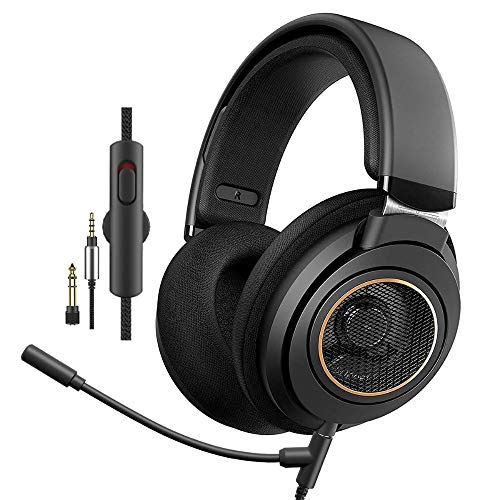
PHILIPS SHP9600MB Open-Back Studio Headphones
Detachable mic adds versatility
Streamers and gamers

Budget Friendly
syndesmos Over-Ear Studio Monitor Headphones
Big drivers, light frame
First-time buyers

Solid All-Rounder
syndesmos Wired Over-Ear Mixing Headphones
Covers recording and DJ duty
Home studio owners
Beginner Friendly
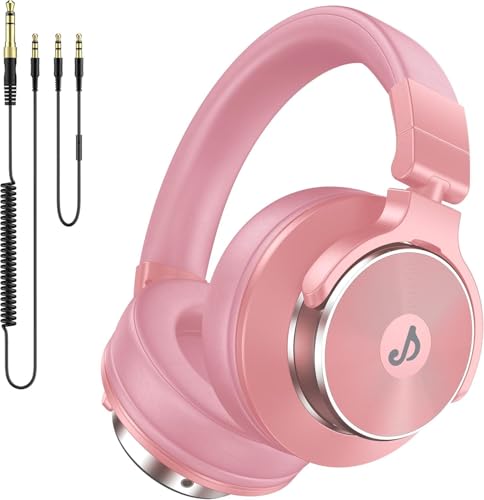
syndesmos Over-Ear DJ Monitoring Headphones
Simple plug-and-play operation
Newcomers learning mixing

Professional Pick
Sennheiser HD 300 PRO Broadcast Headphones
Strong isolation for loud rooms
Live stage engineers
Multi-Use Pick
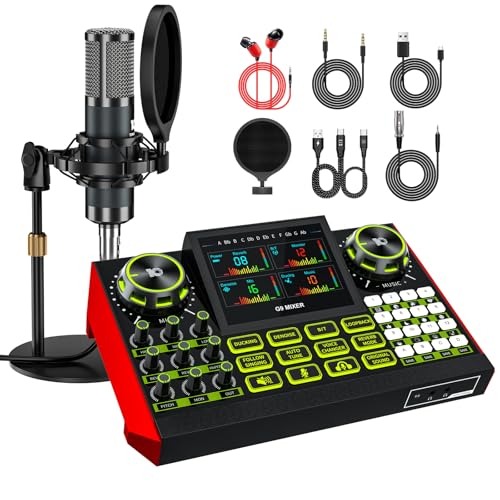
TENLAMP G9 Audio Mixer Bundle with Microphone
Complete streaming kit included
Karaoke and stream setups

Comfort Choice
New Bee 50mm Driver Studio Headphones
Dual jacks suit any amp
Piano and guitar practice
Meet The Standout Selections
The 48-ohm impedance here is the detail that matters most for live work: it’s low enough to drive properly straight from a mixer or audio interface without a separate headphone amp. Beyerdynamic assembles these closed-back monitors by hand in Germany, and that heritage shows in the reputation they’ve earned among engineers who need to catch sonic flaws mid-mix.
In a loud venue booth, the sealed earcup design keeps stage bleed out of your reference signal. That isolation is why this model has stayed a control-room staple for decades.
What Works In Its Favor
- ✓Handmade German construction tends to survive years of road cases and cable yanks.
- ✓Closed-back design blocks ambient noise, so you hear the mix rather than the room.
- ✓48-ohm rating pairs easily with mixers, interfaces, and laptop outputs.
- ✓Tuning leans toward revealing detail, which helps you spot problems before the show.
Things To Consider
- •Earpads are a wear item; plan on replacing them after heavy touring use.
- •Detail-focused tuning can feel unforgiving with poorly recorded source material.
Key Specs
| | Feature | Specification | Why It Matters |
|---|
| Impedance | 48 Ohm | Drives well from standard mixer outputs without extra amplification |
| Design | Closed-back over-ear | Passive isolation keeps stage noise out of critical listening |
| Origin | Handmade in Germany | Consistent build quality across production runs |
Who It Suits Best
Mix engineers and producers who want a reference-grade tool that doubles as a live monitoring workhorse.
A Better Fit Elsewhere
Streamers who also take calls should look at the PHILIPS SHP9600MB instead, since its detachable boom mic handles voice duties.
Check on Amazon
Where the beyerdynamic above targets working professionals, the MH700 speaks to people building their first serious setup. The large 50mm dynamic drivers push a frequency response spanning 20Hz to 20kHz, which covers the full audible range, meaning nothing in your mix hides below or above what these cups reproduce.
The included 3.5mm-to-6.35mm adapter matters more than it sounds. One moment you’re plugged into a laptop for podcast editing, the next into a guitar amp or keyboard rig, and no extra shopping trip is needed.
Useful Highlights
- ✓50mm drivers deliver balanced highs, mids, and lows with minimal distortion at normal listening levels.
- ✓Dual jack compatibility covers computers, amps, keyboards, and mixers out of the box.
- ✓Closed-back housing suits vocal tracking, keeping backing tracks from bleeding into the mic.
- ✓Full-range response makes it easier to judge bass content accurately.
Points To Note
- •Driver size alone doesn’t equal pro tuning; critical engineers may notice less refinement than pricier options.
- •Long sessions can warm up the padded cups depending on room temperature.
Right Fit For
Podcasters, students, and home recordists upgrading from earbuds who want honest sound without a big investment.
Reach For A Different Pick When
Frequent travelers will prefer the foldable OneOdio A71D, which packs down smaller for gig bags.
View Latest Price
DJs have one habit that shapes headphone design: listening with one cup off the ear while cueing the next track. The A71D answers that with earcups that swivel 90 degrees, letting you rest one side against your shoulder and keep the other on your ear. It’s a small mechanical detail that changes how usable a pair feels behind the decks.
The folding hinge adds a second practical win. Folded flat, these slip into a backpack or record bag alongside cables and a controller, which matters when you’re hauling gear between venues every weekend.
Strong Points
- ✓40mm drivers produce deep bass, clear mids, and crisp highs suited to beatmatching.
- ✓90-degree swiveling cups make single-ear monitoring natural during transitions.
- ✓Foldable frame travels light compared with rigid studio models like the DT 770 Pro X.
- ✓Softly padded earmuffs and an adjustable band reduce fatigue through long sets.
Small Caveats
- •Hinges and joints are moving parts; gentle handling keeps them tight over time.
- •Smaller drivers than the MAONO or New Bee mean slightly less low-end authority.
Made For
Mobile DJs and gigging performers who need reliable monitoring that survives being packed and unpacked constantly.
Swap It Out When
Studio-bound mixers who never travel should consider the syndesmos Over-Ear Studio Monitor Headphones for their larger drivers instead.
Check Latest Price
Open-back means air flows through the driver housing, trading isolation for a wider, more natural stereo image. That makes the SHP9600MB a poor match for loud stages but a genuinely pleasant option for quiet-room mixing, editing, and long listening sessions where ear fatigue builds slower than with sealed designs.
The twist here is the detachable boom mic. Clip it on and the same headphones become a voice-capable headset for calls, streaming, or gaming, then come off again when you want pure music playback.
Notable Gains
- ✓50mm tuned drivers cover 6Hz to 35kHz, extending beyond the audible range for detailed reproduction.
- ✓Open-back airflow creates a spacious presentation many listeners find less tiring.
- ✓Detachable mic converts instantly between studio use and communication duty.
- ✓Wide frequency span captures sub-bass content smaller drivers miss.
Less Ideal Details
- •Sound leaks both ways, so quiet venues and shared spaces aren’t its territory.
- •No isolation means stage monitoring duty goes to a closed-back model instead.
- •The mic attachment point deserves careful handling during repeated swaps.
Feature Snapshot
| | Feature | Specification | Why It Matters |
|---|
| Frequency Response | 6Hz to 35kHz | Extended range reveals detail at both extremes of a mix |
| Driver Size | 50mm | Larger diaphragms move more air for fuller bass |
| Mic | Detachable boom | Adds voice capability without a second headset |
| Acoustic Design | Open back | Natural imaging for critical listening in quiet rooms |
Who Will Love This
Streamers, editors, and hybrid work users mixing in private spaces who also want one headset for calls and games.
Another Choice May Suit
Anyone mixing near a drum kit needs the isolation of the Sennheiser HD 300 PRO rather than this open design.
View on Amazon
Starting out shouldn’t require a four-figure gear list, and this entry from syndesmos proves the point. The 50mm drivers inside run the standard 20Hz to 20kHz range, delivering punchy bass and clear vocals at a level that makes first mixes sound genuinely listenable rather than thin.
The lightweight frame is the second half of the appeal. Beginners often wear headphones longer than pros do during practice sessions, and a heavy clamp becomes miserable within the hour. Owners commonly describe these as easy to forget they’re wearing, though lighter builds generally trade away some long-term durability.
What Makes Sense
- ✓Large 50mm drivers give beginners real bass response for judging low-end balance.
- ✓Lightweight design stays comfortable through extended practice and study sessions.
- ✓Full 20Hz to 20kHz coverage means no part of your track disappears.
A Few Limitations
- •Build materials reflect the accessible price point; treat the headband gently.
- •Refinement trails the beyerdynamic for critical mastering decisions.
The Right Fit
Students, hobbyists, and anyone assembling a first bedroom studio on a modest budget.
Consider Something Else When
Vocal-focused creators get more flexibility from the MAONO MH700 thanks to its dual-jack connectivity.
Check on Amazon
This sibling pick shares the same 50mm driver platform as item five but positions itself squarely at the crossover crowd: people who record in the evening and spin tracks on weekends. The tuning aims for dynamic bass with precise treble, a signature that flatters both a vocal take and a house set.
For a home studio owner who doesn’t want two pairs hanging on the wall, covering both jobs with one purchase is the whole argument here.
Real Benefits
- ✓50mm drivers reproduce clear vocals and immersive stereo across the full 20Hz to 20kHz range.
- ✓Balanced tuning handles both recording monitoring and DJ practice credibly.
- ✓Wired connection removes latency concerns entirely, which matters for timing-critical mixing.
Practical Considerations
- •Generalist tuning won’t satisfy specialists wanting a strictly neutral reference curve.
- •Cable management matters; coiling loosely after each session protects the wiring.
Core Details
| | Feature | Specification | Why It Matters |
|---|
| Drivers | 50mm units | Strong bass output and vocal presence for mixing tasks |
| Frequency Range | 20Hz to 20kHz | Full audible spectrum coverage |
| Connection | Wired | Zero-latency monitoring for timing accuracy |
Whose Shelf It Belongs On
Multi-purpose home studios where one pair must serve recording, mixing, and casual DJ sets equally well.
Not Your Match When
Dedicated stage engineers get tougher construction and better isolation from the Sennheiser HD 300 PRO.
View Latest Price
Learning to mix is mostly learning to listen, and the third syndesmos variant keeps that process simple. Plug in, press play, and the familiar 50mm driver layout presents powerful bass and crisp vocals without menus, pairing modes, or charging routines getting in the way.
Compared with the OneOdio A71D earlier in this list, this one skips the folding hinges and swivels in favor of straightforward durability, which suits someone still deciding whether mixing is a passing interest or a lasting pursuit.
Reasons It Performs
- ✓Simple wired operation works with any mixer, amp, or interface immediately.
- ✓Large drivers give newcomers an honest sense of low-end energy.
- ✓Immersive stereo presentation makes practice sessions engaging rather than clinical.
Details To Watch
- •No folding mechanism means bulkier storage in crowded gig bags.
- •Ear pads benefit from occasional wiping to stay fresh with daily use.
Built With In Mind
Complete newcomers taking first steps in mixing who value simplicity over advanced features.
Look Elsewhere When
Podcasters needing amp and computer compatibility in one package will find the MAONO MH700’s dual jacks more convenient.
Check Latest Price
Broadcast engineers face the harshest listening environments in the business: camera crews, crowd noise, and PA bleed all competing with the program feed. Sennheiser built the HD 300 PRO specifically for those conditions, using passive closed earcup construction to attenuate surrounding noise aggressively while keeping the monitoring signal linear and accurate.
Replaceable cables deserve special mention. In professional settings, cables fail before drivers do, and a swap takes seconds instead of ending the unit’s life. Long-wear padding rounds out a package clearly designed around eight-hour shifts rather than thirty-minute listening breaks.
A Few Highlights
- ✓Superior passive attenuation keeps loud environments from contaminating your reference.
- ✓Accurate, linear reproduction lets you trust what you hear during critical cues.
- ✓Exchangeable cables turn a common failure point into a minor inconvenience.
- ✓Comfortable padding supports extended broadcast and rehearsal sessions.
- ✓Durable materials hold up under the rough handling typical of live production.
Factors To Consider
- •Professional positioning places it above casual-listening budgets.
- •Utilitarian styling prioritizes function over fashion.
Technical Highlights
| | Feature | Specification | Why It Matters |
|---|
| Acoustic Design | Closed passive earcups | Strong ambient noise attenuation in loud venues |
| Sound Signature | Accurate and linear | Reliable monitoring decisions under pressure |
| Cable | Exchangeable | Quick field replacement extends service life |
Best Suited To
Working broadcast and live-stage engineers whose shifts run long and whose environments refuse to cooperate.
Where A Sibling Pick Shines
Budget-conscious home users will find the syndesmos Over-Ear Studio Monitor Headphones covers basic monitoring at a friendlier cost.
View on Amazon
Every other entry here is a single product; this one is a complete signal chain in a box. The G9 bundle combines an audio mixer with a 3.5mm condenser microphone plus the accessories needed to connect everything, aimed squarely at streaming, karaoke nights, podcasting, and casual recording rather than concert-level mixing.
Built-in noise reduction processing helps vocals sit cleaner in the output, which is a genuine convenience for creators recording in untreated rooms. Think of it as a starter kit that removes the guesswork of matching components yourself.
Key Advantages
- ✓All-in-one packaging eliminates component-matching research entirely.
- ✓Smart noise reduction improves vocal clarity in echo-prone spaces.
- ✓Handles streaming, singing, gaming, and recording from one desk footprint.
- ✓Condenser microphone captures voice detail suitable for content creation.
Things That May Matter
- •Bundled microphones rarely match dedicated studio mics for nuance.
- •Mixer controls carry a learning curve for absolute first-timers.
- •Cable routing around a desk takes some initial tidying effort.
Perfect Match For
Streamers, karaoke hosts, and family entertainers building a first complete audio setup in one purchase.
Skip It When
Pure headphone shoppers already owning a mixer should go straight to the New Bee studio headphones instead.
Check on Amazon
Instrument players have their own headphone needs, and New Bee designed this pair with them in mind. The dual jack arrangement, offering both 6.35mm and 3.5mm connections, plugs directly into guitar amps, keyboards, and audio interfaces without adapters rattling loose mid-song.
The 90-degree swiveling cups support single-side monitoring too, handy for pianists checking one hand against a backing track. An adjustable headband lets different household members share the same pair comfortably, which families practicing together will appreciate more than any spec sheet number.
Strengths Worth Knowing
- ✓50mm drivers deliver dynamic bass and crisp vocals for immersive practice sessions.
- ✓Dual 6.35mm and 3.5mm jacks connect to amps, keys, and interfaces natively.
- ✓Swiveling earcups enable one-ear monitoring during layered playing.
- ✓Adjustable headband accommodates multiple users comfortably.
Worth Bearing In Mind
- •Swivel mechanisms deserve gentle treatment to stay firm over years.
- •Enthusiast-grade tuning isn’t the goal here; casual accuracy is.
Product At A Glance
| | Feature | Specification | Why It Matters |
|---|
| Drivers | 50mm | Full-bodied sound for instrument practice and mixing |
| Jacks | 6.35mm and 3.5mm | Direct connection to amps and consumer devices alike |
| Earcups | 90-degree swivel | Single-side monitoring for instrumentalists |
Who Should Grab It
Piano students, guitarists, and multi-instrument households wanting one comfortable pair for silent practice and light mixing.
Where Another Pick Suits Better
Stage-focused engineers will get the rugged isolation they need from the Sennheiser HD 300 PRO instead.
View Latest Price
What Matters Most Before Choosing Live Mixing Headphones
Isolation Comes First
A closed-back design seals sound inside the earcup, blocking outside noise from reaching your ears and keeping your mix from leaking out. Live environments demand it: drum kits, crowd chatter, and PA systems all fight for attention during a soundcheck. Open-back alternatives sound airier but belong in quiet rooms only.
Impedance And Your Gear
Impedance measures how much electrical resistance the drivers present, expressed in ohms. Lower ratings, like the 48-ohm rating on the beyerdynamic, pull enough power from ordinary mixers and laptops to play loudly. High-impedance studio cans often need a dedicated headphone amplifier, adding cost and bulk to a mobile rig.
Driver Size And Frequency Range
Larger drivers, typically 40mm to 50mm in this category, move more air and generally produce fuller bass. Frequency response tells you the span of pitches reproduced; a 20Hz to 20kHz range covers everything human hearing detects. Neither spec guarantees quality alone, but together they set expectations for what a pair can reveal.
Comfort For Long Sessions
Mixing sessions and broadcasts routinely stretch past two hours. Padding density, clamping force, and total weight decide whether hour three feels fine or punishing. Swappable cables matter just as much for frequent users, since a failed cable shouldn’t retire an otherwise healthy pair of headphones.
Key Considerations Across These Picks
Traps First Timers Fall Into
Chasing the biggest driver number is the classic error; tuning quality shapes sound far more than raw millimeters. Skipping the impedance check causes another headache, leaving buyers with headphones their phone can’t drive. Finally, ignoring comfort specs leads to pairs that live in a drawer after week two.
When Paying More Pays Off
Higher-tier models earn their cost through materials, replaceable parts, and refined tuning rather than louder volume. The Sennheiser HD 300 PRO exemplifies this: exchangeable cables and durable padding translate directly into years of professional service. Casual listeners rarely feel that difference, but anyone mixing daily will.
Frequently Asked Questions
QCan I use regular consumer headphones for live mixing?
Consumer pairs usually color the sound with boosted bass and treble, hiding mix flaws. Dedicated monitoring models aim for a flatter response so your judgments transfer to other sound systems.
QDo I need a headphone amplifier?
Most 32 to 80-ohm headphones drive adequately from standard mixer and interface outputs. Higher-impedance models benefit from a dedicated amp to reach proper listening levels.
QWhy does wired beat wireless for mixing?
Wireless transmission introduces compression and slight delay that distort timing perception. A wired connection delivers the signal untouched, which matters when cueing or balancing tracks.
QHow long do studio headphones typically last?
Well-maintained professional pairs often serve five to ten years, with earpads and cables as the usual replacement items. Treat hinges and headbands gently to reach the upper end of that range.
QAre open-back headphones ever right for live work?
Rarely, since they leak sound in both directions and offer almost no isolation. Reserve open-back designs for quiet studio environments and critical listening at home.
Closing Remarks
Choosing the right pair comes down to honesty about where you’ll actually use them. Loud stages call for the isolation of the Sennheiser HD 300 PRO or the beyerdynamic DT 770 Pro X, while bedroom producers get excellent results from the MAONO MH700 or syndesmos options. Match the tool to the room, prioritize comfort for your session length, and your mixes will thank you. Happy listening, and enjoy the search.



