


EDM lives or dies on low end. If you mix, produce, or just listen to bass-heavy sets at home, a pair of over ear headphones built for electronic music makes every kick drum and sub-bass line land the way the artist intended. The wrong pair flattens everything into mush; the right one lets you hear where the drop actually starts.
This roundup covers ten wired and wireless options spanning pro DJ monitors, studio workhorses, and commuter-friendly picks. Some are built to survive booth abuse, others lean toward comfort on long listening sessions. Each entry breaks down what works, what doesn’t, and who should reach for it.
The Essentials At A Glance

Audio-Technica ATH-PRO5XBK DJ Monitor Headphones

Syndesmos Over-Ear Studio Monitor Headphones
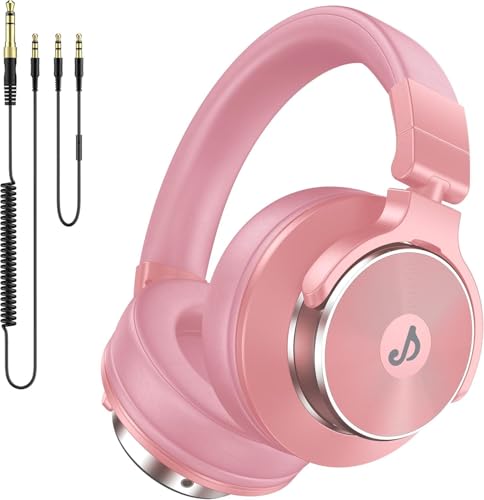
Syndesmos Studio Mixing DJ Headphones

OneOdio A71D Hi-Res DJ Studio Headphones

Audio-Technica ATH-M20xBTWH Wireless Headphones (White)

Syndesmos 50mm Driver Studio Headphones

Yealink BH78 Bluetooth Noise Cancelling Headset

Yo-Tronics YTH-880 Studio Monitor Headphones (Black)

OneOdio A70 Bluetooth DJ Studio Headphones (Black)

OneOdio A70 Bluetooth DJ Studio Headphones (Red)
Meet The Standout Selections
This is the pick for anyone who actually plays out. Audio-Technica’s PRO5X line is aimed squarely at working DJs, with a lightweight frame that survives being stuffed into a record bag night after night. Closed-back design means sound stays in your ears and bleed stays off your microphone.
The interchangeable cable setup is the detail worth paying attention to here. A coiled cable stretches roughly four to ten feet depending on how far you roam from the mixer, while a straight option suits tighter setups. Locking connectors matter more than they sound; cables that pop loose mid-set end careers at open decks.
The Helpful Details
- Two included cables cover both booth freedom and desk-bound mixing without buying extras.
- The locking mechanism keeps connections secure through energetic sets and cable snags.
- Lightweight construction reduces neck fatigue across hour-long performances.
- Closed-back isolation helps you cue tracks over loud house systems.
Things To Consider
- Earpad foam compresses with heavy use, so plan on replacing pads after a year of regular gigs.
- Wired only, which rules it out for casual wireless listening between sets.
Key Specs
Who It Suits Best
Gigging DJs and mobile performers who need dependable wired monitoring that shrugs off travel wear.
Where Another Pick Suits Better
Listeners who want wireless freedom at home will get more from the Audio-Technica ATH-M20xBTWH below.
Where the ATH-PRO5XBK targets professionals, this Syndesmos model aims at people building their first home setup. The headline spec is a large 50 mm driver, the component that converts electrical signal into sound. Bigger drivers generally move more air, which translates into bass you feel rather than merely hear.
A 20 Hz to 20 kHz frequency range covers the full audible spectrum, so sub-bass content in EDM tracks isn’t simply cut off. For bedroom producers checking mixes late at night, that matters. The honest read is that these won’t match a dedicated studio reference in neutrality, but they deliver far more low-end presence than most headphones near this level.
Why It Works Well
- Large 50 mm drivers give kick drums and basslines real physical weight.
- Full-range response means nothing in an EDM track disappears from the mix.
- Wired connection adds zero latency, useful when recording or beatmatching.
Minor Gripes
- Being tethered by cable limits movement compared with the wireless options later in this list.
- Long-term pad durability is a common question mark at this tier, so gentle storage helps.
Made For
Newcomers assembling a first home studio who want genuine bass authority without stretching their budget.
Reach For A Different Pick When
Anyone needing single-ear cueing will find the swiveling cups of the OneOdio A71D more practical.
This sibling listing shares much of its DNA with the previous Syndesmos entry, including the 50 mm drivers and full 20 Hz to 20 kHz range. Where it earns separate space is emphasis: comfort and light weight get top billing, making it the easier wear across marathon production sessions.
Vocal clarity is another strength worth flagging. Balanced mids mean vocals sit forward rather than drowning under synth pads, which helps anyone layering toplines over a beat. In our view, this is the more forgiving choice for someone still learning what a balanced mix sounds like.
The Good Stuff
- Lightweight build keeps pressure off your head during multi-hour sessions.
- Clear midrange presentation flatters vocals and melodic elements.
- Immersive stereo imaging helps you place effects and pans accurately.
Small Caveats
- Comfort-focused tuning can soften transients that critical listeners want razor sharp.
- No swiveling ear cup, so one-sided DJ monitoring is awkward compared with the OneOdio A71D.
The Right Fit
Beginner producers and vocalists tracking at home who prioritize comfort during long takes.
Another Choice May Suit
DJs practicing transitions will prefer the OneOdio A71D’s rotating ear cups for cueing.
Swiveling ear cups are the trick here, and once you’ve mixed with them, going back feels strange. Rotate either cup ninety degrees and press it against one ear while the other side rests around your neck. That’s classic single-side monitoring, the technique DJs use to cue the next track while the current one plays out loud.
Inside sit 40 mm drivers tuned toward deep bass with clear mids and crisp highs, a balance that suits EDM’s wide dynamic swings. The foldable hinge and padded headband make it easy to toss in a backpack. Owners commonly report the plush ear cushions hold up well with routine care.
Where It Delivers
- Ninety-degree swivel enables proper one-ear cueing at the deck.
- Foldable design packs down small for gig bags and commutes.
- Ultra-soft padding keeps fatigue away through extended practice blocks.
- Adjustable band accommodates different head sizes comfortably.
Points To Note
- Wired operation means no battery worries but also no cordless convenience.
- Fold hinges add moving parts, so treat them gently when packing up.
Quick Facts
Who Will Love This
Bedroom DJs learning to beatmatch who need affordable hardware with real cueing ergonomics.
Swap It Out When
Commuters wanting untethered listening will suit the Audio-Technica ATH-M20xBTWH better.
Battery anxiety ends here. Sixty hours per charge means most users plug in twice a month, not twice a week, which changes how casually you grab these on the way out the door. The white finish also stands apart from the sea of black cans everyone else wears.
The lineage is worth knowing: these descend from Audio-Technica’s widely used M20x studio headphone, adapted for Bluetooth with enhanced low-frequency output from 40 mm drivers. Multipoint pairing lets the headphones stay connected to two devices at once, handy for jumping between laptop and phone. A built-in mic handles calls without reaching for earbuds.
What Stands Out
- Roughly sixty hours of battery covers weeks of typical commuting.
- Multipoint pairing switches between two devices without re-pairing.
- Studio-derived tuning gives music more fidelity than typical travel cans.
- Lightweight frame stays comfortable through long flights.
Worth Bearing In Mind
- Bluetooth adds slight latency, so critical mixing still favors a wired alternative like the ATH-PRO5XBK.
- White earcups show grime faster; regular wiping keeps them presentable.
Details At A Glance
Right Fit For
Commuters and frequent flyers who want studio-flavored sound without a cable in the way.
Look Elsewhere When
Booth DJs needing zero-latency wired monitoring will be happier with the ATH-PRO5XBK.
Third time’s the charm for Syndesmos on this list, and this variant leans hardest into recording work. The listing highlights accurate vocal self-monitoring, meaning what you hear through the cups closely matches what’s being captured. Singers overdubbing parts will appreciate hearing themselves honestly rather than through flattering coloration.
The massive 50 mm dynamic drivers return here alongside that familiar wide frequency span, delivering punchy bass without smothering detail. Portability gets attention too, with a lightweight frame suited to mobile recording rigs. Compared with the earlier Syndesmos picks, this one tilts slightly toward precision over pure comfort.
The Practical Payoff
- Honest vocal reproduction helps singers nail takes without endless retakes.
- Wide frequency range keeps hi-hats and sub-bass both clearly audible.
- Light build travels easily between home and rehearsal spaces.
Less Ideal Details
- As with its siblings, no wireless option exists for casual everyday listening.
- Pad wear over months of heavy session use is worth budgeting for.
Built With In Mind
Vocalists and podcast creators recording on modest budgets who need truthful monitoring.
Not Your Match When
Drummers needing a long cable will find the Yo-Tronics YTH-880 far more convenient.
Not every EDM lover spends all day in the studio; plenty burn through playlists during the workday. This Yealink headset bridges both worlds. Adaptive noise cancellation automatically adjusts cancellation depth to your surroundings, blocking up to 98% of background distractions whether you’re in a café or a cubicle.
Call quality gets serious engineering: a four-microphone array paired with an AI chip suppresses wind noise, so calls stay clear even walking outside. Comfort details run deep too, with breathable replaceable leatherette cups and a headband offering ten adjustment positions. It’s less a DJ tool than a daily companion that happens to play your library well.
Useful Strengths
- Adaptive cancellation tunes itself to changing environments automatically.
- Four-mic array with AI processing keeps voices clear in wind and noise.
- Replaceable ear pads extend usable life considerably.
- Ten-point headband adjustment dials in a precise fit.
Some Limits To Know
- Call-first tuning won’t satisfy listeners chasing reference-grade bass depth.
- Leatherette surfaces need occasional cleaning to stay fresh with daily wear.
Whose Shelf It Belongs On
Remote workers who fill silence with electronic music and jump onto calls throughout the day.
A Better Fit Elsewhere
Purely musical listeners will find richer sound in the OneOdio A70 covered shortly.
Electronic drummers, this one’s for you. A generous 9.8-foot cable reaches from a module across a kit without yanking the headphones off mid-fill, something shorter cords make miserable. Dual jacks covering both 3.5 mm and 6.3 mm sizes plug straight into drum modules, keyboards, and audio interfaces without adapters.
Under the hood sit 50 mm neodymium drivers with a CCAW voice coil, a winding material prized for accurate transient response. Specs include 24 ohm impedance and 93 dB sensitivity, numbers that indicate easy driving from portable gear. The stated 10 Hz to 45 kHz range extends beyond hearing, promising headroom for airy cymbals and deep kicks alike.
What Makes Sense
- Nearly ten feet of cable liberates drummers and keyboard players from sitting close.
- Dual jack sizes connect directly to instruments and interfaces.
- Low impedance pairs easily with phones, modules, and laptops alike.
- Extended high-frequency ceiling preserves shimmering synth textures.
Trade Offs
- A very long cord needs coiling discipline or it becomes a floor hazard.
- Bass-forward character suits performance more than critical mixing reference work.
Core Details
Who Should Grab It
Electronic drummers and keyboardists practicing at home who need reach, punch, and easy connectivity.
Consider Something Else When
Desk-bound producers wanting wireless flexibility will prefer the OneOdio A70 instead.
Dual-mode design solves a problem most hybrids ignore: what happens when the battery dies mid-session? Seventy-two hours of wireless playtime rarely runs dry, yet plugging in one of the two included cables keeps these working indefinitely, powered entirely by your source device. Dead batteries simply stop being an issue.
The hardware behind the sound includes custom aluminum fascia panels and 40 mm neodymium drivers pushing powerful bass with detailed stereo separation. Two cables ship in the box, one running 3.5 mm to 6.35 mm for mixers and amps, the other 3.5 mm to 3.5 mm for everyday devices. That flexibility makes this a strong bridge between couch listening and actual booth work.
Notable Upsides
- Up to seventy-two hours of wireless playback between charges.
- Wired fallback means the headphones never become unusable.
- Two included cables cover mixers, amps, phones, and laptops.
- Aluminum fascia adds durability beyond typical plastic builds.
Points To Keep In Mind
- Bluetooth mode still carries minor latency for time-critical cueing.
- Carrying two spare cables requires a small pouch habit.
Feature Breakdown
Who It Suits Best
Hybrid users splitting time between casual wireless listening and wired practice at the decks.
Where A Sibling Pick Shines
Listeners who love the concept but crave bolder styling should check the red A70 variant next.
Everything said about the black A70 applies here, because underneath the paint this is the same headphone. Same 40 mm neodymium drivers, same aluminum fascia, same dual-mode design with up to seventy-two hours of wireless runtime and a wired path that never runs out of power. The difference is purely visual, and it’s not a trivial one.
That red finish reads differently on stage and in photos, which matters to creators filming sets or streaming. Stage presence aside, choosing between the two comes down to taste alone. Anyone prioritizing discretion picks black; anyone enjoying a bit of personality wears red.
Well-Handled Touches
- Identical dual-mode flexibility: wireless freedom plus unlimited wired backup.
- Neodymium drivers and aluminum fascia deliver strong, durable sound.
- Distinctive color stands out in streams, photos, and crowded booths.
Softer Spots
- Bold color won’t suit professional environments calling for understated gear.
- Shared platform means shared quirks, including slight wireless latency.
The Right Fit
Streamers, mobile DJs, and expressive listeners who want proven hardware with visible personality.
Another Choice May Suit
Minimalists preferring quiet styling should stick with the black A70 reviewed above.
What Matters Most Before Choosing Over Ear Headphones For Edm
Driver Size And Bass Response
Driver size, measured in millimeters, describes the diameter of the speaker inside each cup. Larger drivers such as 50 mm move more air, producing the physical low-end presence that EDM demands, while 40 mm designs often trade some weight for tighter accuracy. Neither is objectively superior; the right choice depends on whether you mix critically or listen for impact.
Wired Versus Wireless
Cables remain the standard for DJ work because Bluetooth introduces slight latency, a delay between signal and sound that disrupts beatmatching. Wireless wins everywhere else: commutes, flights, and casual listening benefit enormously from cutting the cord. Hybrid models like the OneOdio A70 offer both paths, which explains their popularity among multi-use owners.
Comfort For Long Sessions
Mixing a set or producing a track routinely means ninety minutes or more of continuous wear. Look for padded headbands, breathable ear cushions, and adjustable fit points. Replaceable pads extend lifespan significantly, since cushions compress and flake before electronics ever fail.
Durability And Cable Design
Booth gear takes abuse: bag stuffing, cable tugs, accidental drops. Locking connectors, foldable hinges, and metal accents separate headphones that last years from those replaced each season. Coiled cables grant freedom of movement, while extra-long straight cables serve stationary instrument players best.
Key Considerations Across These Picks
Wrong Turns To Avoid
Chasing driver size alone leads many shoppers astray; a big driver in a poorly tuned enclosure still sounds muddy. Skipping the wired requirement for DJ use causes regret later, since latency sabotages live cueing. Ignoring pad replacement costs is another trap, as worn cushions degrade both comfort and isolation quietly over months.
When Paying More Pays Off
Higher-tier models justify cost through materials and engineering: aluminum housings, neodymium magnets, adaptive processing, and replaceable components. The upgrade proves worthwhile once usage becomes frequent or professional. Casual listeners gain little from premium builds, while anyone performing weekly will recoup the difference in avoided replacements.
Frequently Asked Questions
Do I need closed-back headphones for EDM?
Closed-back designs isolate external noise and prevent sound bleeding outward, which helps in booths and shared spaces. Open-back alternatives offer wider staging but leak audio noticeably.
Is Bluetooth acceptable for mixing?
For casual listening, yes. For beatmatching or production, wired mode remains preferable because wireless transmission adds a small delay that disrupts timing.
How long do ear pads typically last?
With daily use, pads commonly compress within six to twelve months. Regular cleaning and careful storage stretch that timeline considerably.
What does impedance mean for my setup?
Impedance measures electrical resistance; lower values around 24 ohms drive easily from phones and laptops, while higher values may need an amplifier for full volume.
Are larger drivers always better?
Larger 50 mm drivers usually deliver stronger bass presence, though tuning quality matters more than raw size. A well-designed 40 mm driver can outperform a mediocre larger one.
Closing Thoughts
Matching headphones to your actual routine beats chasing any single spec. Booth DJs should lean wired and rugged, commuters should chase battery life, and home producers belong somewhere in between. Start with how you’ll use them most days, then let the details above narrow the field. Your ears, and your mixes, will thank you for the thought.
