


Good headphones shouldn’t cost a week’s rent. Whether you’re a student drowning in lecture recordings, a commuter who needs something foldable for a crowded train, or someone who just wants decent bass while doing dishes, this list has you covered. Every option here sits comfortably in the budget bracket, from simple wired sets to wireless pairs with battery life measured in days rather than hours. You’ll find honest trade-offs spelled out too, because no sub-$50 headphone does everything well.
A Closer Look At The Lineup

RORSOU R10 Over-Ear Headphones with Microphone (Grey)

RORSOU R10 Over-Ear Headphones with Microphone (Pink)
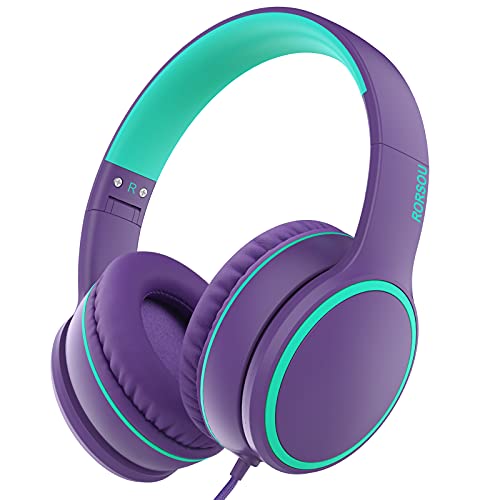
RORSOU R10 Over-Ear Headphones with Microphone (Purple)

AMORNO Bluetooth Over Ear Headphones 68H Playtime

DOQAUS Bluetooth Over Ear Headphones 70H, 3 EQ Modes

YUMONDEAR Bluetooth Headphones Over Ear, 80H Playtime, Deep Bass EQ
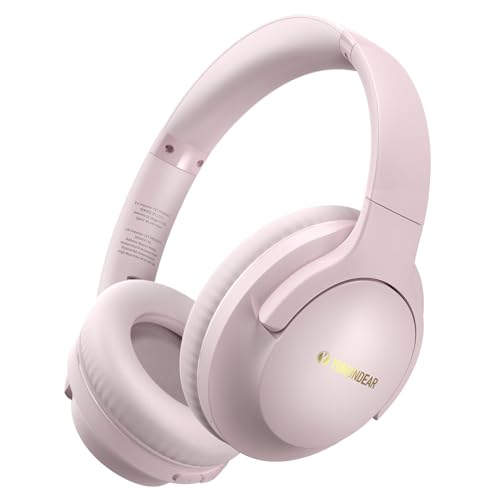
YUMONDEAR Wireless Headphones Over Ear, 80H Playtime, 3EQ Mode

ZIHNIC Bluetooth Over-Ear Headphones, Micro SD/TF, FM (Black/Orange)
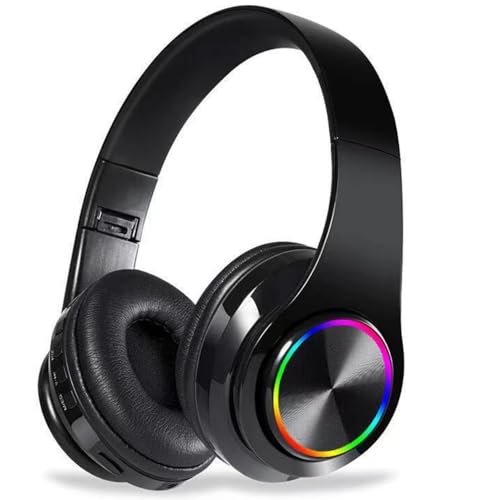
MGHOAQFRS Noise Reduction Wireless Over Ear Headphones LED
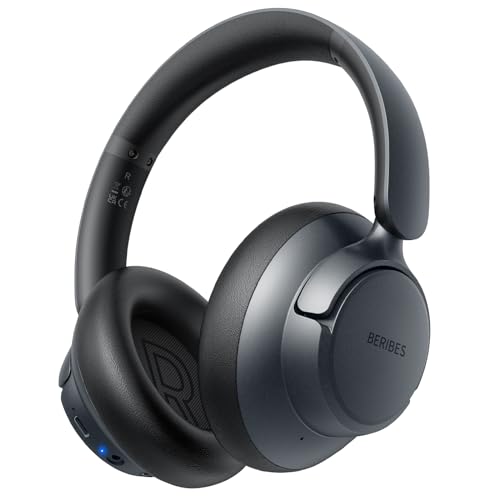
BERIBES Hybrid Active Noise Cancelling Headphones 70Hours
More On The Choices That Made The List
Wired headphones have quietly become the sensible choice again. There’s no battery to babysit, no pairing screen to fight with, and nothing to recharge before class or a long study session. The RORSOU R10 leans into that simplicity with a folding frame and a 1.5-meter cable designed not to knot up in a bag.
Inside each ear cup sits a 40mm driver, which is the speaker component that actually moves air to create sound. At this size, you get fuller bass than most tiny earbuds can manage. Students, kids, and anyone who leaves headphones plugged into a desktop will find this an easy set to live with.
Why It Works Well
- The 40mm drivers deliver clear stereo sound with bass that holds up against pricier wired sets.
- A padded headband and soft cushions keep long listening sessions comfortable instead of fatiguing.
- The folding design slips into backpacks and drawers without eating much space.
- Plug-and-play operation works instantly with phones, tablets, computers, and MP3 players.
Things To Consider
- The fixed cord means one more wire crossing your desk, and owners commonly report the cable needs gentle handling at the plug over time.
- Passive isolation only, so noisy buses will bleed through.
Who It Suits Best
Students and casual listeners who want dependable sound without ever thinking about charging.
Where A Sibling Pick Shines
The AMORNO Bluetooth Over Ear Headphones 68H Playtime suits frequent travelers better, since its wireless freedom removes the cord entirely.
This is the grey R10 from our first entry wearing a friendlier coat of paint. Everything functional carries over: the 40mm drivers, the folding hinges, the built-in mic for calls, and the 1.5-meter no-tangle cable. What changes is who reaches for it.
In practice, color matters more than people admit. A bright pair is easier to spot in a shared dorm room or a crowded gym locker, which means fewer lost headphones. For teens, younger students, or anyone tired of black-on-black gear, this pink version makes the same solid hardware feel a bit more personal.
Well-Handled Touches
- Same 40mm driver setup as the grey model, so audio quality stays consistent with rich low end.
- The lightweight build disappears on your head during homework marathons or video calls.
- An inline mic handles calls without fumbling for your phone.
- The vivid finish stands out in bags, lockers, and shared spaces.
Worth Noting
- Cushions on budget wired sets tend to compress after months of daily wear, so occasional fluffing keeps them comfortable.
- Only three colorways exist across the family, so choices stay limited.
Made For
Teens, students, and everyday listeners who want cheerful styling alongside straightforward wired performance.
Consider Something Else When
Anyone wanting wireless convenience should look at the YUMONDEAR Wireless Headphones Over Ear, 80H Playtime, 3EQ Mode instead.
Rounding out the RORSOU trio is the purple variant, and honestly, it’s the easiest recommendation of the three for first-time headphone shoppers. Nothing to configure, nothing to charge, nothing to update. You plug it in and it plays.
The hardware matches its siblings exactly: 40mm drivers tuned for warm bass, soft ear cushions, a padded band, and that same folding frame with the tangle-resistant cord. Compared with the pink model’s playful energy, the deep purple reads slightly more understated while still standing apart from generic black. For a spare pair in a glovebox or a backup for travel days when your wireless cans die, it earns its spot cheaply.
The Practical Payoff
- Zero setup friction makes it ideal for grandparents, young kids, or loaner duty.
- Deep bass response gives movies and playlists more body than typical earbuds.
- Folding hinges and light weight make storage nearly effortless.
Trade Offs
- Sound tuning favors bass, so detail-focused genres like classical may sound less crisp to trained ears.
- As with any wired set, the cable is the usual failure point, so avoid yanking it out by the cord.
Right Fit For
First-time buyers and households wanting an inexpensive spare that just works every single time.
Not Your Match When
Commuters needing noise control will get far more from the BERIBES Hybrid Active Noise Cancelling Headphones 70Hours further down this list.
Here’s where the list goes wireless. The AMORNO runs Bluetooth 5.3, the current-generation standard that pairs faster, drops connections less often, and sips power compared with older versions. It also connects to two devices at once, letting you hop between a laptop and a phone without re-pairing.
That dual-device trick is the headline for real workdays. Take a call from your phone mid-meeting, then slide back to your laptop playlist afterward. With up to 68 hours of playtime claimed, a weekly charge covers most routines, and the white finish plus foldable frame travels cleanly.
Real-World Strengths
- Bluetooth 5.3 brings lower latency, which keeps video lips in sync during streaming.
- Multipoint pairing to two devices removes constant reconnecting between work and personal gadgets.
- Up to 68 hours per charge means roughly a month of typical commuting before the next top-up.
- Built-in mic supports hands-free calls and video meetings.
Small Caveats
- No active noise cancellation listed, so engine drone on flights stays audible.
- White shells show scuffs and grime faster than darker finishes, so regular wiping helps.
Key Specs
Who Will Love This
Remote workers and travelers juggling a phone and laptop throughout the day.
Look Elsewhere When
Listeners who tweak their sound constantly may prefer the DOQAUS Bluetooth Over Ear Headphones 70H, 3 EQ Modes and its switchable profiles.
Most budget headphones give you one sound signature, take it or leave it. The DOQAUS hands you three EQ modes, preset equalizer profiles that reshape bass, mids, and treble at the press of a button. Bass-heavy playlists, vocal podcasts, and acoustic tracks each get a setting that suits them.
The endurance story is strong too: around 70 hours per charge, plus a quick-charge function where ten plugged-in minutes buys roughly three extra listening hours. An ENC mic, short for environmental noise cancellation, filters background chatter during calls. An included AUX cable keeps music alive even past empty batteries, which puts it ahead of the AMORNO on flexibility.
Notable Gains
- Three EQ modes let you retune the sound for music, podcasts, or calls without an app.
- Quick charging turns a coffee-break plug-in into hours of playback.
- The bundled AUX cable doubles battery life into effectively unlimited sessions.
- ENC call filtering helps your voice cut through cafés and open offices.
Room For Improvement
- EQ cycling happens through button presses, so finding your preferred mode takes a few taps.
- Owners of lightweight budget models sometimes report hinge creaks after heavy folding, worth handling gently.
At A Glance
The Right Fit
Listeners who care how their music is tuned and want options without spending more.
Another Choice May Suit
Maximum-battery seekers should compare the YUMONDEAR Bluetooth Headphones Over Ear, 80H Playtime, Deep Bass EQ next.
Battery anxiety ends somewhere north of seventy hours, and this YUMONDEAR pushes the number to eighty. That’s a full month of daily hour-long sessions, or several long-haul flights back to back, before you see a charger. For gym-goers and commuters who forget to plug things in, that headroom alone justifies a look.
The tuning leans warm, with a dedicated Deep Bass EQ mode that adds weight to hip-hop, EDM, and movie scores. HiFi stereo output keeps vocals from turning muddy underneath all that low end, though purists may notice the emphasis tilts fun rather than neutral. Like the DOQAUS above it, an AUX cable provides wired fallback when the charge finally runs dry.
Practical Pluses
- Eighty hours of rated playback outlasts nearly everything else in this price tier.
- Deep Bass EQ mode gives bass-forward genres extra punch on demand.
- Quick charging plus the included AUX cable mean dead batteries never fully stop playback.
- Over-ear cups suit long gym blocks and desk stretches without pressure points.
Points To Note
- Bass-forward tuning can crowd delicate acoustic detail, depending on your taste.
- Earpad foam on high-cycle wireless sets generally flattens within a year of heavy use, so replacement pads are worth budgeting mentally.
Built With In Mind
Frequent travelers and workout regulars who want the longest runtime available under fifty dollars.
Skip It When
Vocal-centric listeners may find the DOQAUS Bluetooth Over Ear Headphones 70H, 3 EQ Modes offers more balanced flexibility.
Think of this as the sibling YUMONDEAR trading its bass obsession for versatility. You still get the same marathon 80-hour battery and quick-charge support, but the sound customization spreads across three EQ modes instead of one bass-heavy profile. Pop, spoken word, and instrumental each land closer to where they belong.
For mixed-content listeners, that balance wins. Podcasts in the morning, playlists at lunch, audiobooks at night, all from one pair. The AUX cable carries over too, so a drained battery becomes a minor inconvenience rather than a dead afternoon. Between the two YUMONDEAR entries, this one asks less of your ears and adapts more to your day.
Benefits That Matter
- Three EQ modes adapt the signature to music, calls, and spoken content alike.
- The 80-hour rating tops this entire list for raw battery endurance.
- Quick charge support restores meaningful playback in minutes, not hours.
- HiFi stereo output keeps dialogue crisp for audiobook and podcast fans.
Honest Caveats
- Bass lovers will find the default tuning lighter than the Deep Bass sibling model.
- Foldable joints are a common wear point across budget wireless designs, so pocketing them loosely beats cramming them into tight bags.
Quick Facts
Whose Shelf It Belongs On
Mixed-content listeners splitting time between music, podcasts, and calls throughout the week.
Reach For A Different Pick When
Runners wanting phone-free playback should grab the ZIHNIC Bluetooth Over-Ear Headphones, Micro SD/TF, FM (Black/Orange).
Every other wireless pick here still needs a source device. The ZIHNIC doesn’t. A micro SD card slot lets you load music directly onto the headphones, and a built-in FM radio pulls in stations without any phone involved. Joggers and swimmers-adjacent gym rats can leave the handset in a locker entirely.
It also bridges wireless and wired modes, so a depleted battery just means plugging in a cable. Soft earmuffs and a light frame target extended wear, which matters during long runs or study nights. The black-and-orange styling splits the difference between subtle and sporty. Compared with the YUMONDEAR pair above, this one trades EQ refinement for standalone freedom, and for some routines that’s the smarter trade.
Strong Points
- Micro SD playback means music with zero phone, zero data, zero streaming costs.
- FM radio adds a second standalone listening option for news and talk.
- Dual wireless and wired modes cover both convenience and emergencies.
- Soft cushioning and low weight support genuinely long wearing sessions.
Less Ideal Details
- Loading an SD card takes a card reader and a little patience upfront.
- FM reception varies heavily by location, so urban basements may pull in little.
Who Should Grab It
Runners, gym regulars, and anyone who wants music untethered from their phone completely.
Swap It Out When
Desk-bound users prioritizing call clarity will do better with the MGHOAQFRS Noise Reduction Wireless Over Ear Headphones LED.
The MGHOAQFRS positions itself squarely at the home-office crowd. Its noise reduction processing trims steady background hum during calls, the adjustable headband and ultra-soft cups are shaped for around-the-ear comfort through long meetings, and a subtle LED indicator shows status at a glance. Deep bass and clear highs round out a tuning aimed at video calls as much as music.
The safety net here is wired mode. When the battery dies mid-afternoon, a cable keeps you connected, which the pure-wireless picks on this list can’t always promise. Bluetooth 5.0 isn’t the newest standard compared with the AMORNO’s 5.3, but it remains stable and efficient for calls and streaming in most homes.
Reasons It Performs
- Noise reduction during calls helps your voice arrive cleaner in busy households.
- Ergonomic headband adjustment plus plush cups suit multi-hour workdays.
- Wired fallback rescues meetings when charging gets forgotten.
- Low-latency Bluetooth keeps video and audio synchronized during streams.
Potential Drawbacks
- Older Bluetooth generation than the AMORNO, so range headroom is slightly smaller.
- LED accents won’t suit everyone’s taste in professional settings.
Core Details
Best Suited To
Remote professionals taking frequent calls from busy home environments.
A Better Fit Elsewhere
Noise-sensitive flyers should step up to the BERIBES Hybrid Active Noise Cancelling Headphones 70Hours instead.
Everything before this point isolates passively, meaning the physical cups simply muffle the world. The BERIBES goes further with hybrid active noise cancelling, or ANC, which uses tiny microphones to generate opposing sound waves that erase low-frequency rumble like engines and HVAC hum. The maker claims it quiets up to 95% of machine noise, and in cabin-style environments that’s the difference between hearing everything and hearing your music.
A transparent mode flips the effect, piping ambient sound in so you catch gate announcements or a barista calling your name without lifting the cups. Around 70 hours of battery rounds out a feature set that feels borrowed from pricier tiers. Among these ten, it’s the one built for genuinely loud places.
Bright Spots
- Hybrid ANC targets engine and machinery drone that passive cups can’t touch.
- Transparent mode lets announcements through without removing the headphones.
- Approximately 70 hours of runtime keeps ANC usable for weeks per charge.
- Simple button controls make mode switching quick mid-commute.
Where It May Fall Short
- ANC performance on budget models varies with ear seal, so glasses wearers may notice weaker low-end cancellation.
- Extra electronics add slight weight versus the simpler wired picks earlier in this list.
Feature Snapshot
Perfect Match For
Frequent flyers and transit commuters who need genuine quiet on loud routes.
Where Another Pick Suits Better
Quiet-home listeners don’t need ANC, and the cheaper RORSOU R10 Over-Ear Headphones with Microphone (Grey) serves them fine.
Factors To Weigh Before Choosing Over Ear Headphones Under 50
Wired Versus Wireless First
Decide this before anything else, because it shapes the whole experience. Wired sets like the RORSOU trio never need charging and rarely fail outright, but they tether you to your device. Wireless models free your movement yet add battery management to your routine. Commuters and gym-goers usually prefer wireless; desk users often don’t miss the cable at all.
Battery Claims In Context
Rated playtime assumes moderate volume and continuous playback. Real-world numbers typically land somewhat lower, especially with volume pushed high. Look for quick-charge support and an AUX fallback, since those two features turn a drained battery from a crisis into a footnote.
Comfort Beats Spec Sheets
Cushion material, clamp force, and headband padding determine whether a pair survives a two-hour session. Lightweight frames under pressure points matter more than any driver size printed on the box. Heavier glasses wearers should prioritize softer pads specifically.
Sound Tuning And Your Content
Bass-emphasized models flatter pop and electronic music but blur vocals. Multi-mode EQ options like the DOQAUS offer a middle path. Match the tuning to what actually fills your day.
Key Considerations Across These Picks
Traps First Timers Fall Into
Chasing the biggest battery number while ignoring comfort is the classic mistake, since an uncomfortable pair goes unused regardless of runtime. Another common slip is skipping the wired-fallback check, then discovering mid-trip that a dead battery means silence. Read return policies carefully too, because fit is personal.
The Case For Spending Up
Within this budget, extra dollars mostly buy active noise cancellation, newer Bluetooth standards, and multipoint pairing. Those features earn their cost mainly for travelers and multitaskers. Home listeners on quiet streets gain little from them, so spend accordingly rather than automatically.
Frequently Asked Questions
Do wired headphones still make sense in 2026?
Absolutely, especially for desk use and as backups. They never need charging and usually cost less than comparable wireless models.
How accurate are advertised battery life figures?
They reflect ideal conditions like moderate volume. Expect somewhat shorter real-world runtimes with loud listening and heavy ANC use.
Can budget over-ear headphones handle phone calls well?
Most include built-in microphones suitable for casual calls. Models with ENC or noise reduction filtering handle louder environments noticeably better.
Are foldable hinges durable on inexpensive headphones?
They hold up fine with reasonable care. Avoid forcing them closed or cramming them into overstuffed bags to extend hinge life.
Is active noise cancellation worth it at this price?
For flights, trains, and open offices, yes. In quiet homes, passive isolation from well-sealed cups is usually sufficient.
Wrap Up
Budget headphones have gotten genuinely good, and this list proves it. The RORSOU R10 covers the no-frills wired basics in three colors, the AMORNO and DOQAUS bring modern wireless conveniences, the YUMONDEAR pair stretches battery life to absurd lengths, and the BERIBES delivers real noise cancellation without leaving the price bracket. Match the strengths to your routine, accept the small trade-offs, and any of these will serve you well for years of everyday listening.
