


Great audio shouldn’t be a gamble. Whether you’re mixing tracks late at night, drowning out a chatty office, or just want your commute playlist to sound the way the artist intended, the right pair of headphones changes how you hear everything. This roundup covers ten options across studio monitors, noise cancelling wireless sets, and audiophile classics, so you can match a pair to your ears and your routine.
A Snapshot Of The Selections

beyerdynamic DT 770 Pro X 48 Ohm Studio Headphones

MOVSSOU E7 Active Noise Cancelling Headphones

MOVSSOU E7 Active Noise Cancelling Headphones

syndesmos Wired Over Ear Studio Monitor Headphones
bmani ANC Wireless Headphones 120H Bluetooth 6.0
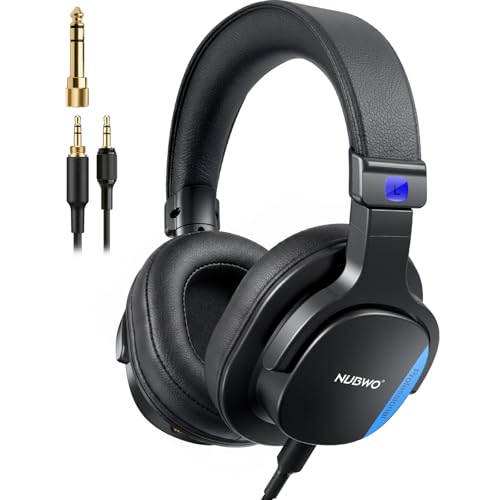
NUBWO HD01 Hi-Res Studio Monitor Headphones
Sennheiser HD 599SE Open-Back Audiophile Headphones
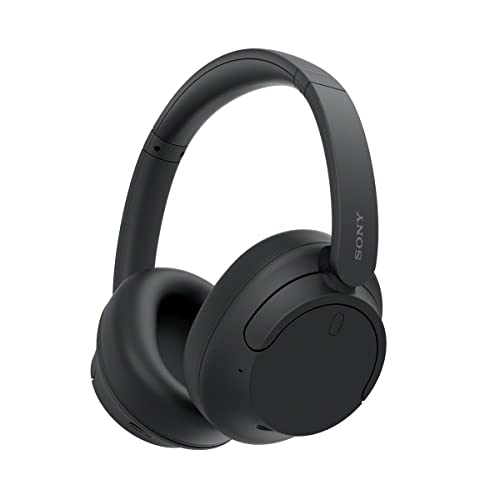
Sony WH-CH720N Wireless Noise Cancelling Headphones (Black)

Sony WH-CH720N Wireless Noise Cancelling Headphones (Pink)
Sony WH-CH720N Wireless Noise Cancelling Headphones (White)
The Picks, Examined More Closely
The DT 770 Pro X sits at the top of this list for a reason: it’s built for people who make decisions with their ears. Handmade in Germany with beyerdynamic’s STELLAR.45 driver inside a sealed closed-back shell, it reveals flaws in a mix that cheaper headphones smooth right over.
The 48 Ohm impedance is the friendly part of the story. Lower-impedance designs like this pull enough power from laptops and audio interfaces without a dedicated headphone amp, which matters when you’re tracking vocals in a spare room rather than a treated control room.
Strengths Worth Knowing
- Closed-back isolation keeps bleed out of vocal mic takes during recording sessions.
- STELLAR.45 driver resolves fine treble detail, so reverb tails and sibilance are easy to spot.
- Runs well straight from an interface or laptop thanks to the moderate 48 Ohm load.
- German hand assembly points toward long service life, and owners commonly report these lasting through years of daily studio work.
Things To Consider
- The wired-only design means no battery worries but no wireless freedom either.
- Earpads collect wear over heavy use, so budgeting for replacement pads down the road is realistic.
Key Specs
Who It Suits Best
Producers, podcast editors, and audiophiles who want reference-grade monitoring without adding a headphone amp to their chain.
Where Another Pick Suits Better
Anyone who wants cable-free convenience will get more from the Sony WH-CH720N, which trades some analytical precision for wireless ease.
Active noise cancelling, or ANC, uses microphones to generate an inverse signal that cancels droning background sound before it reaches your ear. That’s exactly the trick you want at 35,000 feet, and it’s where the MOVSSOU E7 earns its seat on this list.
The E7 targets the low and mid frequencies that dominate airplane cabins and road noise: engine hum, tire drone, HVAC rumble. Voices and announcements still come through, which is arguably what you want rather than total sensory shutdown.
Useful Touches
- ANC tuned for engine and traffic rumble, the exact sounds that fatigue you on long trips.
- Over-ear cups add passive sealing on top of the electronic cancellation.
- Call quality holds up well enough for airport gate conversations, based on widely reported owner feedback.
Worth Noting
- Higher-frequency noises like nearby chatter slip past ANC more easily than steady rumble.
- As a wireless set, charging becomes part of your travel checklist.
Made For
Frequent flyers and transit commuters who want quiet cabins and train cars without paying flagship prices.
Consider Something Else When
Studio users chasing flat, uncolored monitoring should look at the beyerdynamic DT 770 Pro X instead, since the E7 tunes for enjoyment rather than accuracy.
Same headphone, different job description. While the previous E7 entry suits frequent flyers, this listing makes just as much sense as a desk companion for anyone working in an open office or a noisy shared apartment.
In that setting, the strengths shift slightly. You’re less worried about cabin pressure hum and more about the refrigerator two rooms away, the neighbor’s TV, or the coworker who narrates their emails out loud. The E7’s cancellation handles those steady mid-low sources competently for its class.
Standout Benefits
- Quiets household and office background hum so focus comes easier during deep work blocks.
- Over-ear fit spreads pressure around the ear rather than clamping on it, which helps across a full workday.
- Clear voice pickup keeps video calls from becoming a repeat-yourself exercise.
Trade Offs
- You’ll still hear sudden sharp sounds, like a door slam, since ANC reacts best to continuous noise.
- Plastic construction feels functional rather than premium in the hand.
Right Fit For
Students and remote workers who want affordable quiet for study sessions and meetings alike.
Not Your Match When
Gamers wanting longer battery headroom may prefer the bmani ANC model later in this list, with its 120-hour playtime figure.
Dropping from German hand assembly to an entry-level wired pair might feel like a big step down, and in raw refinement it is. But the syndesmos covers fundamentals that matter for bedroom producers and practicing DJs, at a fraction of the cost of the beyerdynamic.
The headline hardware here is a pair of large 50mm dynamic drivers spanning a claimed 20Hz to 20kHz range. Bigger drivers move more air, which translates into bass you can feel during beatmatching practice, though you may find the tuning warmer than a strict monitor reference.
Notable Upsides
- 50mm drivers deliver punchy low end useful for cueing beats in DJ practice.
- Full-range response covers everything from kick drums to cymbal shimmer.
- Vocal self-monitoring stays accurate enough for home recording and tracking sessions.
- Lightweight build keeps long mixing sessions from turning into neck workouts.
Small Caveats
- Being wired, cable strain at the connector is the usual first failure point; gentle coiling extends its life.
- Isolation and finish quality sit below the pricier picks here, as expected at this tier.
Quick Facts
Best Suited To
Beginners building a first home setup, DJs practicing cueing, and anyone testing whether serious monitoring fits their workflow before spending more.
Look Elsewhere When
Mix engineers needing tighter accuracy should stretch to the NUBWO HD01, whose Hi-Res certified tuning is more faithful to source material.
Battery anxiety ends here. The bmani claims up to 120 hours of playtime, which in plain terms means weeks of commutes or a couple of long-haul round trips between charges. A front-facing power display shows remaining charge at a glance, so there’s no guessing game.
The feature list doesn’t stop there. A 4-layer hybrid ANC system targets up to 45dB of ambient noise, reacting quickly once engaged, while six microphones with ENC (environmental noise cancellation, which cleans up your outgoing call audio) keep your voice clear on calls. Spatial audio processing adds width to movies and games.
Why It Works Well
- Up to 120 hours of playback removes charging from your weekly routine entirely.
- Hybrid ANC with a fast-reacting chip quiets plane and bus environments effectively.
- Transparency mode lets announcements and colleagues through without removing the headset.
- Bluetooth 6.0 support positions it well for current and future devices.
- Foldable frame packs down into a bag for travel.
Points To Note
- Feature-heavy designs often mean touch controls take some getting used to.
- Real-world playtime drops when ANC runs constantly, as with any wireless set.
Details At A Glance
Who Will Love This
Long-distance travelers, gamers, and anyone allergic to charging cables will find this hard to argue with.
A Better Fit Elsewhere
Listeners prioritizing refined brand tuning over raw features will likely prefer the Sony WH-CH720N reviewed below.
Hi-Res certification means the headphone reproduces frequencies beyond the standard 20kHz ceiling, preserving detail in high-quality recordings. The NUBWO HD01 carries that badge along with a 50 Ohm impedance, sitting between easy-to-drive consumer cans and amp-requiring studio references.
What makes it approachable is the included 1/4-inch to 3.5mm adapter. Electric guitar amps, keyboards, and audio interfaces typically use the larger jack; phones and laptops use the smaller one. One adapter bridges both worlds, and the closed-back shell keeps your playing contained during late-night piano practice.
Where It Helps
- Naturally balanced tuning avoids exaggerated bass, so you hear what you’re actually recording.
- Hi-Res certification supports extended high-frequency detail in quality files.
- Adapter included means it plugs into amps, mixers, and mobile devices right out of the box.
Softer Spots
- At 50 Ohms, very quiet phone outputs may leave volume headroom limited compared to lower-impedance picks.
- Wired only, so cable management matters if you move between instruments often.
Core Details
The Right Fit
Piano and guitar students, home recordists, and first-time mixer owners who want honest sound without complexity.
Reach For A Different Pick When
Those wanting a proven studio pedigree with easier drive requirements will be happier with the beyerdynamic DT 770 Pro X at 48 Ohms.
Open-back headphones vent the earcups deliberately, letting air and sound pass through. The payoff is a spacious, natural presentation that closed designs struggle to match; the cost is zero isolation and sound leaking both ways. In a quiet living room, nothing else on this list breathes quite like the HD 599SE.
It’s aimed squarely at listeners rather than workers. Sitting down with a favorite album on this pair feels closer to hearing speakers in a good room than wearing headphones, and long sessions stay comfortable because your ears aren’t trapped against a sealed cup.
Good Reasons To Consider
- Open-back design creates a wide, speaker-like stage that flatters acoustic and classical recordings.
- Vented cups keep ears cooler than sealed alternatives during multi-hour listening.
- Sennheiser’s tuning heritage shows in a smooth, unhurried character that never fatigues.
Honest Caveats
- Everyone nearby hears your music, and you hear them; shared walls make this impractical.
- Open grilles admit dust over time, so occasional careful cleaning protects the drivers.
Who Should Grab It
Audiophiles and evening listeners with a quiet private space who value soundstage over portability or isolation.
Skip It When
Commuters and office workers need isolation, in which case the MOVSSOU E7’s active cancelling serves far better.
Weight is the quiet hero here. At 192 grams, Sony bills the WH-CH720N as its lightest wireless noise cancelling headband yet, and after a nine-hour workday that difference stops being trivia and becomes the reason you keep wearing them.
Inside, Sony’s Integrated Processor V1 works with dual noise sensors to adapt cancellation to your surroundings. Compared with the bmani’s brute-force battery story, the CH720N plays a subtler game: refined processing, comfortable ergonomics, and tuning from a company with decades of audio history behind it.
Advantages To Know
- 192g frame reduces the headband pressure that heavier sets build up over hours.
- Dual sensors plus the V1 processor adjust cancellation to changing environments automatically.
- Up to 35 hours of battery covers a full workweek of typical commuting between charges.
Areas To Watch
- The lightweight build leans plastic, so it needs gentler handling than metal-banded rivals.
- Earcup padding can compress over years of daily use; replacement pads restore comfort cheaply.
Product Snapshot
Whose Shelf It Belongs On
Hybrid workers and daily commuters who want dependable brand-backed performance they can wear from morning train to evening wind-down.
Another Choice May Suit
Shoppers chasing maximum battery life over brand polish will get more hours from the bmani ANC model earlier in this list.
Most quality audio still ships in black or white, so a pink option stands out without shouting. Underneath the color, this is the same WH-CH720N platform: 192 grams on your head, Dual Noise Sensor cancellation, and roughly 35 hours of playback per charge.
For students and commuters who treat headphones as a visible accessory rather than hidden tech, that choice matters. The ergonomic shaping and light clamp force stay identical, so comfort across a school day or a long flight carries over unchanged from the black version.
Everyday Advantages
- Distinctive pink finish lets the headphones double as part of your look.
- Same featherweight 192g build keeps marathon wear comfortable.
- Adaptive cancellation handles lecture halls, buses, and cafes equally well.
Minor Gripes
- Light-colored finishes tend to show scuffs and makeup marks sooner than darker shells.
- Identical internals mean no extra features beyond the aesthetic change.
Built With In Mind
Students, creatives, and style-first listeners who want flagship-adjacent comfort and quiet in a color that matches their personality.
Swap It Out When
A neutral palette suits professional settings better, and the black WH-CH720N listed above delivers the identical experience.
Rounding out the trio, the white WH-CH720N splits the difference: cleaner looking than black, quieter visually than pink. Desk workers who leave their headphones around the house or office often prefer this finish for exactly that reason.
Performance is unchanged, and that’s the point. You get the Integrated Processor V1 doing adaptive cancellation, dual noise sensors reading the room, and a 192g frame that disappears on your head. Up to 35 hours of battery means Monday-to-Friday coverage on a single charge for most routines.
Practical Advantages
- Neutral white finish blends into home offices and shared desks.
- Adaptive ANC adjusts smoothly between quiet homes and louder public spaces.
- Long battery life pairs well with forgetful chargers.
Points To Keep In Mind
- White surfaces show dirt and earpad oils faster, so a quick wipe-down habit helps.
- Same plastic-forward build as its siblings; a case adds protection in bags.
Perfect Match For
Remote professionals and minimalists who want understated looks, light weight, and reliable quiet in one package.
Where A Sibling Pick Shines
Listeners who want expressive color will enjoy the pink WH-CH720N variant, offering identical specs with more personality.
What Actually Matters Before You Choose
Start With Your Listening Environment
A sealed room rewards open-back designs like the Sennheiser HD 599SE, while a train or open-plan office demands closed-back isolation or active cancelling. Matching the headphone architecture to your surroundings does more for satisfaction than any spec sheet comparison. Be honest about where you’ll actually wear them most.
Impedance and Power, Explained Simply
Impedance measures how much electrical resistance a headphone presents to your source. Low values (under 50 Ohms) drive easily from phones and laptops; higher values often benefit from a dedicated amplifier. Every wired pick here sits in the manageable range, but pairing a 50 Ohm set with a weak laptop output can leave volume feeling thin.
Battery Life Is About Habits, Not Numbers
A 120-hour figure sounds decisive until you realize ANC drains reserves faster than advertised. Frequent travelers should favor big batteries like the bmani’s; desk users near an outlet can prioritize sound quality instead. Think about your charging rhythm before fixating on the largest number.
Comfort Outlasts Everything
Clamp force, pad material, and total weight decide whether headphones survive month three of ownership. Lighter builds such as Sony’s 192g design suit long days, while sturdier studio frames trade some plushness for durability. Your neck will thank you for weighing this seriously.
Key Considerations Across These Picks
Traps First Timers Fall Into
Chasing the biggest driver size or the longest claimed battery number leads many shoppers astray, since tuning and fit shape daily satisfaction far more. Another common misstep is buying open-back headphones for commuting, then discovering every train announcement joins your playlist. Match the design to the room before matching it to the wishlist.
What Separates Premium From Basic
Higher-priced models generally spend their budget on driver research, adaptive processing chips, and lighter materials rather than raw volume. That translates into finer detail retrieval, smarter noise cancelling, and frames you forget you’re wearing. Paying up pays off for daily heavy users; casual weekend listeners rarely notice the difference enough to justify it.
Frequently Asked Questions
Do wired headphones really sound better than wireless?
Not inherently anymore. Modern Bluetooth codecs preserve most detail, but wired connections avoid compression entirely and never need charging, which purists still appreciate.
What does closed-back versus open-back mean for me?
Closed-back cups seal sound in and block outside noise, suiting travel and recording. Open-back designs breathe for a wider, more natural stage but leak sound both directions.
How important is headphone impedance?
It determines how easily your device powers the headphones. Values around 32 to 50 Ohms work from most phones and laptops without extra amplification.
Can I use studio monitor headphones for casual listening?
Absolutely, though the flat tuning reveals flaws in heavily compressed streaming files. Many people grow to prefer that honesty over boosted bass.
How long do headphones typically last?
Well-maintained wired models often serve five years or more, while wireless sets usually face battery degradation within three to five years depending on charge habits.
Closing Remarks
The right choice comes down to honesty about your habits. Studio work points to the beyerdynamic DT 770 Pro X, travel favors the MOVSSOU E7 or the marathon-battery bmani, and quiet evenings belong to the Sennheiser HD 599SE. Commuters get excellent value from any color of the Sony WH-CH720N. Pick the pair that fits your actual week, not an imagined one, and your ears will settle in happily.
