


Good audio shouldn’t require a three-figure budget. Whether you’re drowning out a noisy commute, powering through gym sessions, or just want something dependable for the desk, this list covers over-ear cans, neckband earbuds, and true wireless pairs that keep costs sensible. Each option below earns its spot on real strengths like battery life, noise handling, and comfort, not marketing gloss.
A Quick View Of The Lineup
Wentronic Y01 Wireless Noise Canceling Over-Ear Headphones (Pink)

DOREAMO Wireless Over-Ear Headphones, 70 Hours Playtime (Off-white)

jaddsa Wireless Earbuds, Hi-Fi Deep Bass, 48H Playtime

Sony WI-C100 Wireless in-Ear Bluetooth Headphones, Blue

Sony WI-C100 Wireless in-Ear Bluetooth Headphones, White

Bucephalus Wireless Earbuds with Smart Touchscreen Case (Black)

TuneFlux Bluetooth Headphones, 70H Playtime, Over-Ear (Beige)

wegear Hybrid Active Noise Cancelling Headphones (Black)
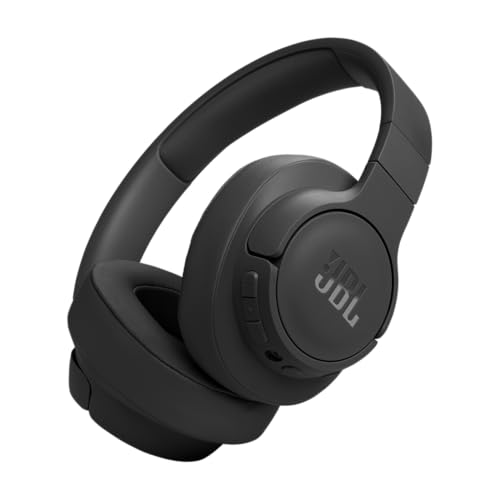
JBL Tune 770NC Wireless Over-Ear Headphones (Black)
The Strengths Of Each Pick
Most headphones at this level skip active noise canceling entirely, so seeing it here is genuinely notable. The Y01 pairs 40mm dynamic drivers with ANC, meaning the cups actively listen for ambient hum and cancel it out rather than relying on padding alone.
In practice, that matters most on buses, trains, and open-plan offices where low-frequency drone wears you down. The foldable frame tucks into a bag without fuss, and Bluetooth 5.3 keeps the connection steady across phones, tablets, and laptops.
Notable Gains
- Active noise canceling quiets engine drone and office chatter, which makes long commutes far less draining
- Roughly two days of playback per charge means weekly charging instead of nightly top-ups for typical listeners
- Foldable design slips into backpacks and tote bags easily
- The pink finish stands out in a sea of black plastic
Small Caveats
- Budget ANC won’t match flagship models on wind or voices, so expectations should stay realistic outdoors
- Earpads are fabric-covered, and owners commonly report they collect lint and oils over months of use, so occasional cleaning helps
Key Specs
Who Will Love This
Students and commuters who want real noise canceling, a fun color, and multi-day battery without stretching their budget.
A Better Fit Elsewhere
Heavy travelers who need stronger cabin-noise reduction will likely prefer the wegear Hybrid Active Noise Cancelling Headphones further down this list.
Where the Wentronic leans on noise canceling, the DOREAMO bets everything on endurance. Seventy hours of claimed playback dwarfs most rivals here, and a short charging window of roughly two to three hours refills the 400mAh cell when it finally runs dry.
The off-white colorway reads clean and understated, closer to studio gear than gaming accessories. A built-in mic handles calls, and Bluetooth 5.4 supports quick pairing with PCs and phones alike. Weight stays light enough that long desk sessions shouldn’t leave your neck complaining, though on-ear pressure varies between head shapes.
Key Advantages
- A week-plus of listening per charge removes battery anxiety entirely for most routines
- Foldable, lightweight chassis travels well and stores flat in a laptop bag
- Bluetooth 5.4 offers modern connection stability with newer devices
Things To Consider
- No active noise canceling, so loud environments bleed through
- The padded headband and cups can attract visible grime on a light-colored finish, and wiping them down regularly keeps them presentable
Made For
Remote workers and students who wear headphones most of the day and dread charging cables more than anything else.
Swap It Out When
Noisy commutes are part of your routine, since the Wentronic Y01’s active canceling handles that job better.
True wireless means each bud connects independently with no cable between them, and these jaddsa buds bring that format to the lowest end of the price range. The pitch is simple: deep-bass tuning, a charging case that extends total runtime to around 48 hours, and a secure in-ear fit for movement.
For podcast listening, audiobooks, and casual playlists, this setup covers the essentials. You give up refinements like app support and multipoint pairing, but nothing here pretends otherwise. As a spare pair for a gym bag or a first step into wireless audio, the value is hard to argue with.
Real-World Strengths
- Case-based charging stretches total playtime to roughly two days of heavy use before needing an outlet
- Bass-forward tuning gives energetic genres extra punch during workouts
- Cord-free design eliminates the pocket-tangle problem completely
Honest Caveats
- Generic brand support is thinner than what Sony or JBL offer, so replacement parts and firmware help may be limited
- In-ear tips sit inside the ear canal, and owners commonly report they need regular cleaning to stay hygienic
At A Glance
Right Fit For
First-time wireless buyers, teens, and anyone who wants a no-risk secondary pair for the gym or travel kit.
Where A Sibling Pick Shines
Call-heavy users get noticeably clearer voice pickup from the Bucephalus touchscreen-case earbuds reviewed next.
Neckband designs hang a slim band around your collar with short wires to each bud, and Sony has refined this shape longer than almost anyone. The WI-C100 delivers up to 25 hours of playback, an IPX4 splash-resistance rating against sweat and drizzle, and a built-in microphone for hands-free calls.
The practical advantage shows up in daily habits: buds never vanish into couch cushions because they’re tethered to the band. Joggers appreciate not fumbling for dropped earbuds mid-run. Sound quality sits comfortably above its price bracket, backed by one of the most recognizable names in personal audio.
What Stands Out
- IPX4 splash resistance shrugs off sweat and light rain during runs and bike commutes
- 25-hour battery comfortably covers several days of typical listening
- Tethered buds mean losing one earbud is nearly impossible
- Sony’s tuning produces clear vocals and controlled low end
Points To Note
- The neckband isn’t for everyone; some find the collar presence distracting compared to fully cordless designs
- Eartip sizing affects both fit and sound seal, so trying the included tip sizes is worth the two minutes
Who Should Grab It
Runners, cyclists, and commuters who want brand-name dependability and hate misplacing tiny earbuds.
Another Choice May Suit
Listeners who dislike anything around the neck will be happier with the fully cordless jaddsa earbuds earlier in this list.
This is the same WI-C100 hardware as the blue pair above, offered in a white finish that suits lighter wardrobes and stands out less against pale clothing. Everything else carries over: 25 hours of battery, IPX4 splash protection, an integrated mic, and Sony’s balanced sound signature.
The honest read is that choosing between the two comes down purely to color preference. Both share the same comfortable neckband ergonomics, the same easy button controls, and the same reputation for reliable Bluetooth performance. Households buying two pairs often split colors so nobody’s headset gets mixed up.
The Good Stuff
- Multi-day battery life means charging becomes a weekly chore, not a daily one
- Lightweight band rests comfortably even during extended wear
- White finish coordinates well with neutral outfits and brightens visibility in a bag
Less Ideal Details
- White surfaces show scuffs and ear-tip discoloration faster than darker finishes, so gentle cleaning keeps them looking fresh
- Noise isolation relies on eartip fit alone, with no electronic canceling
Built With In Mind
Casual listeners who want a trustworthy daily driver for podcasts, calls, and background music around the house.
Consider Something Else When
Your priority is maximum runtime in an over-ear format, where the TuneFlux headphones below stretch past 70 hours.
The party trick here lives on the charging case itself: a smart touchscreen lets you adjust settings without pulling out your phone. ENC, or environmental noise cancellation, uses dual microphones with AI processing to suppress surrounding sound during calls, and the maker claims it cuts up to 98 percent of background noise.
An IPX7 rating means the buds survive full submersion, not just splashes, which puts sweaty gym sessions and rainy runs squarely within their comfort zone. Thirteen-millimeter drivers push rich bass while keeping vocals legible. Compared to the jaddsa buds, this pair trades a bit of raw value for call clarity and water toughness.
Everyday Wins
- Touchscreen case controls feel futuristic and save constant phone pulls mid-workout
- Dual ENC microphones make calls usable even on windy streets
- IPX7 waterproofing handles sweat, rain, and accidental dunks
- 40 hours of combined playtime covers a busy training week
- Bluetooth 6.0 supports fast, stable pairing with current phones
What To Weigh
- Extra electronics in the case add failure points, and touchscreen cases have historically been the component most prone to issues over time
- AI noise claims reflect ideal conditions; results vary with wind and crowd volume
Feature Snapshot
Perfect Match For
Gym regulars and outdoor runners who take calls on the move and need gear that survives serious sweat.
Reach For A Different Pick When
You’d rather spend minimally on a backup pair, since the jaddsa earbuds cover basic listening for less.
TuneFlux matches the DOREAMO’s marathon battery claim with a warmer beige look and adds something neither rival offers at this price: three EQ modes. EQ, short for equalizer, reshapes how frequencies are emphasized, letting you tilt the sound toward bass, vocals, or pop-friendly brightness depending on what’s playing.
Bluetooth 6.0 handles pairing duties, promising quick connections and solid stability with recent devices. Long-haul flights, overnight shifts, and study marathons all fall comfortably inside a single charge. There’s no active canceling here, so quiet environments suit it best, and the soft beige palette gives it a calmer presence than typical black plastic.
The Value In It
- Three EQ modes let you tailor sound per genre without any app downloads
- Up to 70 hours of playtime outlasts nearly everything else in this price tier
- Over-ear cushions provide passive isolation that helps in moderately noisy rooms
Trade Offs To Consider
- No active noise canceling, so airplane cabins and busy cafes still intrude
- EQ presets are fixed profiles rather than custom curves, which may frustrate tinkerers
Whose Shelf It Belongs On
Budget-focused music lovers who prioritize battery life and sound flexibility over silence features.
Look Elsewhere When
Noise canceling tops your list, because the wegear HS1 delivers genuine hybrid ANC in a similar price neighborhood.
Hybrid ANC uses microphones both outside and inside the earcup, feeding a processor that generates inverse sound waves to erase incoming noise. The wegear HS1 claims suppression reaching up to 43 decibels, targeting the engine rumble and HVAC hum that cheaper single-mic systems miss.
Its 40mm driver meets Hi-Res standards, a label indicating the hardware can reproduce detail beyond CD-quality audio. Sixty hours of playtime, a foldable frame, and a comfort-oriented fit round out a package aimed squarely at frequent flyers. Against the Wentronic Y01, this is the stronger traveler’s tool, though it arrives in plain black rather than playful colors.
What Helps Most
- Hybrid ANC measurably dulls low-frequency drone, making flights and train rides restful
- Hi-Res-capable drivers deliver crisp highs alongside deep, controlled bass
- 60-hour battery spans multiple trips without a charger
- Foldable hinges compress the headset into carry-on space easily
Details To Watch
- ANC performance depends heavily on proper earcup seal, and glasses wearers sometimes report reduced effect
- Plastic construction keeps weight down but feels less premium than metal-framed flagships
Core Details
Who It Suits Best
Frequent flyers and open-office workers who rank silence and sound quality above everything else at a modest price.
Not Your Match When
Brand pedigree and app polish matter more than raw specs, in which case the JBL Tune 770NC closing this list is the safer bet.
Every list needs an anchor, and the JBL Tune 770NC plays that role here. Adaptive noise canceling adjusts its intensity automatically based on surrounding sound, so it works harder on planes and relaxes in quieter rooms. JBL’s Pure Bass tuning delivers the punchy low end the brand built its name on.
Battery life reaches about 70 hours, and a five-minute quick charge buys back meaningful listening time, which rescues forgetful mornings. You pay somewhat more than the generic options above, but you gain established software support, consistent quality control, and a tuning refined across decades. For most people, that trade is worth it.
Real Benefits
- Adaptive ANC responds to your environment instead of forcing manual mode switches
- Five-minute quick charging turns a coffee break into hours of playback
- Pure Bass signature gives music energy without smothering vocals
- 70-hour battery covers weeks of typical commuting on one charge
A Few Limitations
- Costs more than every other item on this list, which matters if the budget is strict
- Ear cushions, like all foam-and-leatherette pads, flatten and wear over years of daily use and eventually need replacing
Quick Facts
The Right Fit
Listeners ready to spend slightly more for a major-brand pair with mature features and dependable long-term support.
Where Another Pick Suits Better
Tight budgets are better served by the TuneFlux over-ear headphones, which deliver comparable runtime for considerably less.
What Matters Most Before Choosing Reasonably Priced Wireless Headphones
Fit Comes Before Features
A headphone you can’t wear for two hours is a bad headphone regardless of spec sheet. Over-ear cups surround the ear and spread pressure across a larger area, which suits long sessions. In-ear tips seal the canal for better isolation but can fatigue some ears quickly. Neckbands split the difference.
Battery Claims Need Context
Manufacturers quote playtime at moderate volumes with noise canceling off. Real-world figures typically land lower, especially with ANC active. Treat quoted numbers as a ceiling and favor models whose ceiling still exceeds your actual weekly usage by a healthy margin.
Match the Format to Your Day
Desk workers benefit most from over-ear comfort and multipoint flexibility. Gym-goers need water resistance ratings like IPX4 or higher and a fit that survives movement. Commuters should prioritize active noise canceling, since engine drone dominates their listening environment.
Don’t Ignore Support and Spares
Established brands such as Sony and JBL offer replacement cushions, firmware updates, and accessible customer service. Lesser-known brands often don’t, which turns a minor fault into a full replacement purchase.
Key Considerations Across These Picks
Where Shoppers Go Wrong
Chasing the biggest quoted battery number leads many people astray, since a 70-hour claim means little if the fit causes headaches after an hour. Another common slip is ignoring water resistance entirely, then discovering sweat kills cheap earbuds within months. Match the rating to your routine before anything else.
What Separates Premium From Basic
Higher-tier models invest in adaptive noise canceling, better drivers, and refined tuning, plus ongoing software support. That last part quietly matters most: firmware updates fix bugs and extend useful life. Paying more buys fewer frustrations years later, not just better day-one sound.
Frequently Asked Questions
Are cheap wireless headphones actually usable for music?
Yes, especially for casual listening, podcasts, and workouts. Modern budget drivers and Bluetooth chips deliver sound that satisfies most ears, though detail and instrument separation trail premium models.
How long do budget wireless headphones typically last?
With reasonable care, expect two to four years of service. Batteries degrade gradually, and ear pads or tips usually wear out before the electronics do.
Is active noise canceling worth paying extra for?
For flights, trains, and open offices, absolutely. In quiet homes or private offices, passive isolation from well-fitted cups often proves sufficient on its own.
Can I use these headphones for phone calls?
Every model listed includes a built-in microphone. Call clarity varies most in windy or crowded places, where dual-microphone systems with noise reduction hold an edge.
Do wireless headphones work with both iPhone and Android?
Yes. Bluetooth is a universal standard, so all nine options pair with iPhones, Android phones, tablets, and computers without adapters.
Closing Thoughts
Reasonably priced wireless headphones have never been this capable, and the gap between budget and flagship keeps narrowing. Start by matching format to your routine, then weigh battery claims against honest usage, and only then chase features like noise canceling or EQ modes. Any of the nine above will serve you well; the right one simply depends on how and where you listen.
