


Great headphones don’t have to drain your savings. This roundup covers wired over-ear options that punch well above their cost, whether you’re mixing tracks in a home studio, settling into long listening sessions at your desk, or upgrading from earbuds for the first time. Each entry below earns its spot through driver quality, comfort, or sheer versatility, and each comes with an honest look at its trade-offs.
The Leading Options At A Glance
FiiO FT1 32Ω Dynamic Driver Headphones with Wood Cups
Sennheiser HD 660S2 Open-Back Over-Ear Headphones
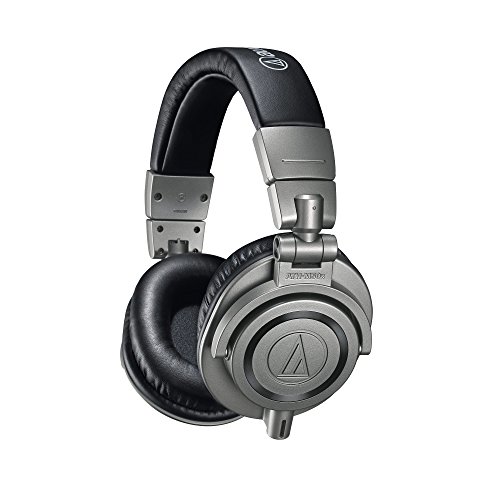
Audio-Technica ATH-M50XGM Monitor Headphones, Gun Metal

Audio-Technica ATH-M50X Headphones, White

Fosi Audio i5 Open-Back Planar Magnetic Headphones

Focal HADENYS High-Fidelity Open-Back Headphones

Focal AZURYS High-Fidelity Closed-Back Headphones

Audeze LCD-2 Open-Back Headphones (Padauk Wood)
Sennheiser HD 560S Open-Back Wired Headphones

Audio-Technica ATH-M50X Studio Monitor Headphones, Black
A Deeper Look At The Lineup
The FT1 opens the list because it makes the strongest case for stepping into real over-ear audio without overspending. Solid wood ear cups give it a warmth you can see and, according to plenty of owners, hear, while its 32-ohm impedance means phones and laptops can drive it without extra gear.
In practice that low impedance matters most: plug it straight into a laptop and you still get satisfying volume and body. For anyone tired of thin-sounding earbuds, this is often the first pair that makes albums feel finished rather than compressed.
Real Benefits
- Runs happily from phones and laptops thanks to its modest 32Ω impedance, no amplifier required
- Solid wood cups add natural warmth and a distinctive look few rivals match at this level
- A large dynamic driver delivers full-bodied bass that suits rock, jazz, and acoustic material
- An approachable entry point for listeners moving up from consumer earbuds
Things To Consider
- Wood finishes vary slightly between units, so expect minor visual differences
- Owners commonly note the pads collect wear over time and benefit from periodic replacement
Who Will Love This
First-time hi-fi listeners who want genuine warmth and depth from a laptop or phone without buying an amplifier.
Where A Sibling Pick Shines
Listeners wanting a flatter, more analytical tuning should compare the Sennheiser HD 560S later in this list.
Sennheiser built the HD 660S2 around 42mm transducers with ultra-light aluminum voice coils, and the payoff shows up as detailed highs paired with bass that actually reaches down instead of fading out. Unlike the closed-back Audio-Technica models elsewhere here, this is an open-back design, meaning the rear of each cup vents air outward for a wider, roomier soundstage.
That openness suits quiet rooms best. Settle in at a desk or armchair and the spacious presentation makes hour-long sessions feel effortless, which is exactly why podcast editors and album listeners gravitate toward it.
Points In Its Favor
- Bass extension goes deeper than most open-backs manage without muddying vocals
- Lightweight voice coils keep treble crisp during extended listening blocks
- Spacious presentation works well for immersive albums and gaming alike
- Handles PC use, podcasts, and music through one versatile wired connection
Minor Gripes
- Open-back cups leak sound, so nearby housemates will hear your playlist
- Some users find it benefits from a dedicated amp to reach full potential
Feature Snapshot
Made For
Music lovers who log multi-hour sessions in a private room and want refined, deep-bass open-back sound.
Skip It When
Anyone recording in shared spaces should lean toward the closed-back Focal AZURYS reviewed below instead.
The M50x line has been a studio staple for years, and the gun metal finish gives the same proven formula a quieter, more understated wardrobe. Large-aperture drivers sit inside sealed, isolating earcups, so what you hear stays consistent even in a noisy apartment or untreated bedroom studio.
Engineers rely on that consistency when balancing mixes. Detachable cabling adds practical value too: a snagged cable becomes a two-second swap rather than a repair job, something owners of older fixed-cable monitors genuinely envy.
Features That Help
- Sound-isolating sealed cups block household noise during tracking and editing
- Detachable cables mean a damaged lead costs minutes, not the whole headphone
- Rugged construction survives daily bag commutes and session wear
- Large-aperture drivers deliver the punchy, forward signature mix engineers know
Small Caveats
- The clamping force some owners report feels snug during very long sessions until the headband relaxes
- Bass-forward tuning favors production work over strictly neutral critical listening
Who Should Grab It
Producers, streamers, and students tracking vocals in untreated rooms who need reliable isolation and durability.
Consider Something Else When
Pure home listening with no isolation needs points you toward the Sennheiser HD 560S instead.
This is the same celebrated M50x platform as the gun metal version above, dressed in white. Sonically nothing changes: big drivers, sealed isolating cups, and a detachable cable remain the core recipe. What changes is how it fits your life and your style.
White stands out on a desk and photographs well for content creators, though it does show scuffs sooner than darker finishes. Commuters who fold these into a bag daily tend to appreciate the collapsible design and tough build above all else.
Where It Excels
- Collapsible folding design tucks neatly into backpacks for daily travel
- Isolating cups hush train and café noise without any electronics
- Swappable cable extends usable life considerably
- Distinctive white finish appeals to creators filming desk setups
Trade Offs
- Light colorways show marks and pad grime faster, so occasional cleaning keeps them fresh
- Identical tuning to the black model, so no sonic reason to choose one over the other
Right Fit For
Commuting creators and students who want proven monitor sound with a brighter personal style.
Another Choice May Suit
Listeners preferring subtle styling get identical performance from the ATH-M50XGM’s gun metal shell.
Planar magnetic drivers work differently from the cones in ordinary headphones: a razor-thin diaphragm suspended between magnets moves as one piece, producing unusually fast, clean transients. Fosi equips the i5 with a 97mm ultra-large diaphragm measuring just two microns thick, coated with a sputtered silver alloy for clarity and long-term consistency.
The result, in most dedicated setups, is microscopic detail retrieval that makes live recordings feel present. CNC-machined metal and walnut wood give it furniture-grade looks to match. Compared with the FiiO FT1’s conventional dynamic driver, the i5 trades easy driveability for resolution.
Key Advantages
- 97mm nano-level diaphragm surfaces tiny details smaller drivers gloss over
- Symmetrical magnet arrays keep distortion low across the volume range
- CNC metal and walnut construction looks and feels far above its bracket
- Open-back design delivers live-performance realism for seated listening
What To Weigh
- Planar designs typically crave amplifier power, so budget for a desktop amp alongside them
- Large cups and metal build mean less portability than the folding ATH-M50x models
Quick Facts
Whose Shelf It Belongs On
Desk-bound enthusiasts running an amp or DAC stack who prioritize resolution and build over portability.
Swap It Out When
Anyone needing amp-free convenience from a laptop gets more from the FiiO FT1.
Focal builds the HADENYS by hand in France, and its 40mm aluminum-magnesium “M”-dome drivers carry the company’s house character: warm, detailed, and dynamically alive. Where the Sennheiser HD 660S2 leans neutral and spacious, the HADENYS leans musical, pulling emotion out of vocals and acoustic instruments.
A lightweight magnesium yoke plus memory foam cushions keep weight off your jaw during marathon sessions. In our view that combination of craftsmanship and comfort is precisely where its value sits for serious home listening.
The Value In It
- M-dome drivers blend warmth with genuine dynamics for engaging playback
- French hand assembly signals careful acoustic tuning and finishing
- Memory foam pads hold comfort through hours-long listening stretches
- Magnesium yoke trims weight without sacrificing sturdiness
Points To Note
- Open-back leakage rules out office or transit use entirely
- Memory foam pads compress over time; replacements keep the fit supportive
Who It Suits Best
Home listeners who favor a warm, emotive presentation for vocals, classical, and acoustic genres.
Look Elsewhere When
Those chasing maximum technical detail per dollar may prefer the Fosi Audio i5’s planar resolution.
The AZURYS answers a simple question: what happens when Focal seals its M-dome drivers inside a closed shell? You keep much of the HADENYS’s clarity while gaining privacy, both yours and everyone else’s. A genuine leather headband, breathable braided textile, and memory foam earpads make it one of the comfier picks here.
For apartments, dorms, and late-night sessions beside a sleeping partner, that sealing matters more than any spec sheet. Handcrafted French assembly carries through, giving it a luxurious feel the plastic-heavy competition can’t imitate.
Strong Points
- Closed-back housing contains sound for shared-space listening
- Genuine leather headband distributes pressure gently across long sessions
- M-dome drivers preserve the precision Focal is known for indoors
- Breathable textile and memory foam reduce heat buildup around the ears
Honest Caveats
- Leather and textile surfaces need occasional care to stay looking sharp
- Closed designs sacrifice a little soundstage width versus its open sibling
Core Details
Built With In Mind
Apartment dwellers and night owls who want high-end closed-back sound without disturbing anyone nearby.
Reach For A Different Pick When
Private-room listeners chasing maximal spaciousness should step up to the open-back Focal HADENYS.
The LCD-2 has spent years being refined, and padauk wood rings give each pair a rich, individual character. Its patented planar magnetic driver produces a warm, physical midrange that connects you closely to vocals and strings, the kind of presentation enthusiasts describe as lifelike rather than merely accurate.
Next to the Fosi Audio i5’s airy detail, the LCD-2 plays it fuller and more intimate. That’s not a flaw; it’s a flavor choice, and one many longtime owners refuse to trade away once they’ve lived with it.
Reasons It Performs
- Patented planar driver renders midrange tones with unusual realism
- Padauk wood rings add organic character and visual richness
- Years of refinement show in a mature, cohesive tuning
- Immersive, spacious imaging rewards quiet-room critical listening
Less Ideal Details
- Wood-and-metal construction brings real heft, which some necks notice after hours
- Planar panels typically want amplification, adding setup cost beyond the headphones themselves
The Right Fit
Experienced hobbyists with a capable amp who prize warm, vocal-centered planar sound over neutrality.
Where Another Pick Suits Better
Listeners wanting a lighter, easier-to-drive planar experience may prefer the Fosi Audio i5.
The HD 560S is the honest teacher of this lineup. Its polymer-blend transducer membrane aims for a natural, accurate reference sound, the kind that reveals what a recording truly contains rather than flattering it. Tilted drivers angled toward your ears widen the stage, and low-end reach gives bass satisfying presence without exaggeration.
For someone building their first serious setup, that neutrality teaches you your own taste. Compared with the pricier HD 660S2, you give up some bass depth and refinement but keep most of the Sennheiser house sound.
Standout Benefits
- Reference-style tuning reveals recordings honestly, great for learning what you like
- Angled drivers create a wide, believable soundstage from standard sources
- Extended low-end presence keeps bass clear without bloat
- Drives comfortably from everyday gear, keeping starter budgets intact
Areas To Watch
- Open backs leak audio freely, limiting use to private spaces
- Strictly neutral character can feel dry next to warmer rivals like the FiiO FT1
Details At A Glance
Who Should Grab It
Newcomers to hi-fi who want a truthful, affordable starting point before investing further.
Not Your Match When
Listeners craving richer bass warmth get more satisfaction from the FiiO FT1’s wood-cup signature.
Closing the list is the black original, arguably the most recognizable studio headphone of its generation. Large-aperture drivers, isolating cups, and a detachable cable define it, just as they do its gun metal and white siblings reviewed earlier. The difference here is pure practicality: black hides wear, folds small, and disappears into any routine.
Owners commonly report these surviving years of daily hauling, which says plenty about the build. One thing worth considering: the clamping fit runs firm at first, then eases with regular use.
What Makes Sense
- Proven, energetic tuning suits production, gaming, and casual listening equally
- Detachable cable design dramatically extends working lifespan
- Isolating cups make commutes and cafés manageable without batteries
- Discreet black finish tolerates daily handling gracefully
Room For Improvement
- Initial clamp pressure can feel tight until the frame loosens naturally
- Earpads flatten with heavy use; swapping them refreshes both comfort and seal
Whose Shelf It Belongs On
Anyone wanting one dependable pair for studio work, travel, and everything between.
Where Another Pick Suits Better
Home-only listeners prioritizing soundstage width will be happier with the Sennheiser HD 560S.
Choosing Between These Headphones
Match the design to your space. Open-back models like the Sennheiser HD 560S vent sound outward, creating a wider stage but leaking audio to anyone nearby. Closed-back choices such as the Focal AZURYS contain noise both ways, making them the sensible default for apartments and offices.
Know your source gear. Impedance and sensitivity decide whether a phone can drive your headphones. Low-impedance picks like the FiiO FT1 play loudly from laptops, while larger planar panels generally reward a dedicated amplifier. Matching power to hardware prevents disappointment.
Decide what “value” means for you. A durable daily commuter pair that lasts five years can out-value a costlier specialist. Weigh comfort, cable replacement, and pad availability alongside raw sound quality.
Key Considerations Across These Picks
Wrong Turns To Avoid
The most common mistake is buying open-back headphones for noisy environments, then wondering why podcasts compete with traffic. Another trap is pairing power-hungry planars with a weak laptop jack. Check drive requirements before checkout, and read pad replacement availability so maintenance stays cheap.
When Paying More Pays Off
Higher-tier models buy better materials, tighter driver tolerances, and longer service lives. The jump from a solid starter to something like the Audeze LCD-2 is audible mainly through better amplification and quiet rooms. Spend up only once those foundations exist.
Frequently Asked Questions
Are open-back headphones worth it for beginners?
They offer the widest, most natural soundstage for the money, which helps train your ears early. Just confirm you’ll listen somewhere private, since they leak sound noticeably.
Do these headphones need an amplifier?
Lower-impedance dynamic models run fine from phones and laptops. Larger planar magnetic designs typically perform their best with dedicated desktop amplification.
Which type suits commuting best?
Closed-back, isolating models such as the ATH-M50x family handle trains and cafés well. Their foldable frames and detachable cables also survive daily travel.
How long do ear pads last?
With regular daily wear, pads commonly need replacing every one to two years. Fresh pads restore both comfort and sound sealing at modest cost.
Can one pair cover music and gaming?
Yes, especially neutral open-backs like the HD 560S, whose spatial accuracy aids positional cues. Warm-tuned closed pairs work too, trading some imaging precision for bass fun.
Closing Thoughts
Value in headphones isn’t about finding one universal answer; it’s about matching a design to your room, your gear, and your habits. Start with the FiiO FT1 for effortless warmth, the HD 560S for honest reference sound, or the AZURYS for shared spaces. Whichever direction pulls you, every option above delivers genuine hi-fi enjoyment without demanding a second mortgage.
