


Direct boxes solve a simple problem that shows up fast on stage and in the studio, they turn unbalanced instrument signals into balanced lines that travel more cleanly. That matters for keyboard rigs, bass setups, acoustic instruments, and compact electronic chains where noise and cable runs can get in the way. The eight picks below cover passive and active designs, plus single-channel and stereo layouts, so you can match the box to the gear you actually carry.
Quick Look At The Shortlist

Yovus Passive Di direct box 1/4′ instrument to balanced

Radial Pro DI Passive Direct Box
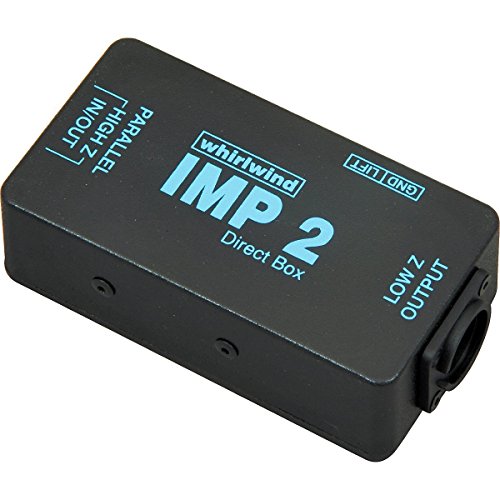
Whirlwind IMP 2 1-Channel Passive Instrument Direct Box

Radial ProD2 Passive 2 Channel Direct Box

Samson MDA1 Mono Active Direct Box

Mackie MDB Series, Passive Stereo Direct Box
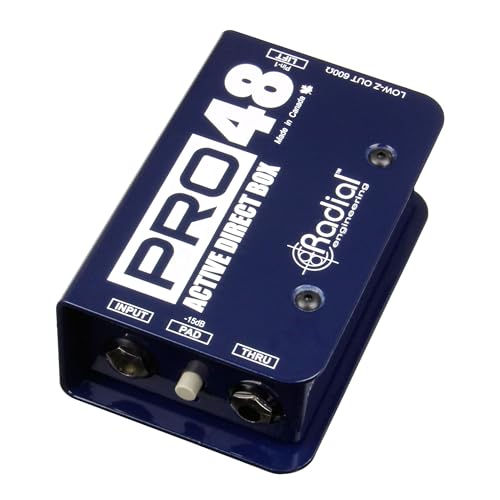
Radial Pro48 Active 48-Volt Compact Direct Box
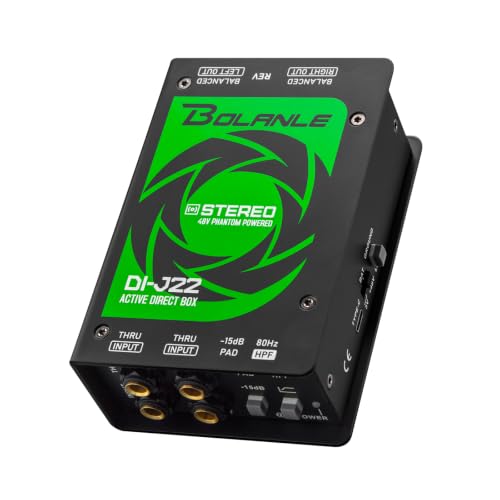
Bolanle J22 Direct Active Stereo DI Box, 48V/9V/USB Power Dual Channel
More Details On Our Top Picks
Yovus keeps the layout plain and useful, which suits stage rigs that need a direct path from 1/4 inch output to XLR. The ground lift switch and two pad levels, minus 20 dB and minus 40 dB, help when a hot keyboard or bass needs taming before it hits the snake.
Because it’s passive, you don’t need battery power or phantom power, so it’s a tidy fit for travel bags and rehearsal rooms. The trade-off is simple, passive boxes lean on the source signal, so very weak instruments are better served by an active model like the Radial Pro48.
Strong Points
- Passive design keeps setup simple for gigs and rehearsals.
- Two pad settings give you more control over hotter sources.
- Ground lift helps you handle common hum issues on stage.
- Fits keyboard, bass, and guitar use without extra power gear.
Things To Consider
- Passive operation gives you less flexibility than an active unit for low-output pickups.
- No extra routing features, so it stays focused on the basics.
Feature Card
Who It Suits Best
Stage players who want a no-fuss passive box for keyboard, guitar, or bass use will get the most from it.
Skip It When
Radial Pro48 makes more sense for low-output instruments that need active support and phantom-powered operation.
Radial’s Pro DI sits in the clean, conservative lane, which is exactly where many acoustic guitars, basses, and small keys rigs belong. The custom transformer is the key piece here, because a transformer is the part that helps isolate and balance the signal before it reaches the mixer.
That matters in clubs, churches, and home studios where cable runs can get messy and hiss becomes obvious. The honest read is that this pick feels aimed at users who value consistency over extra tricks, and that usually ages well.
Highlights
- Custom transformer design supports cleaner signal handling.
- Passive format keeps the box easy to place in any rig.
- Good fit for acoustic instruments, bass, electric piano, and synths.
- Simple workflow suits fast changeovers and shared backline setups.
- Radial’s build reputation tends to appeal to working players.
Minor Gripes
- Passive operation is less forgiving with very weak sources.
- It stays focused on core DI duties, so expansion options are limited.
- Some rigs will still need a separate box for stereo sources.
Made For
Acoustic players and working keyboardists who want a straightforward passive DI with a serious signal path will feel at home here.
A Better Fit Elsewhere
Radial ProD2 Passive 2 Channel Direct Box suits stereo keyboards and dual-source setups better than this mono unit.
The IMP 2 is the sort of direct box that keeps showing up on real stages because it sticks to the job and keeps moving. You get a one-channel passive format, which makes it a familiar fit for single instrument feeds that need a balanced mic-level output.
That kind of narrow focus is useful in rehearsal spaces and fly-date rigs, where durability and predictability matter more than features. Compared with the Radial Pro DI, it feels more stripped back, which can be exactly what you want in a spare kit.
Upsides
- Single-channel layout keeps patching straightforward.
- Passive design avoids battery management.
- Good match for live sound, studio work, and stage backups.
Points To Note
- It is a mono tool, so stereo sources need a different model.
- Very low-output pickups usually benefit from an active box instead.
Core Details
Right Fit For
Gigging players who want a rugged mono DI for one instrument at a time will get the best match here.
Another Choice May Suit
Samson MDA1 Mono Active Direct Box is a better fit for hotter sources that benefit from active circuitry and external power.
Dual-channel passive boxes make sense the moment your setup stops being strictly mono, and the ProD2 handles that with a tidy, no-drama layout. It suits stereo keyboards, samplers, drum machines, and DJ gear, where keeping both sides of the signal paired matters more than shaving down size.
Because it’s passive, it stays easy to drop into a rack or travel case without power planning. The trade-off is the same one you see with other passive units here, very weak sources are usually happier with an active design like the Radial Pro48.
What We Like
- Two channels help you cover stereo sources in one box.
- Good match for electronic instruments and playback gear.
- Passive format keeps setup simple in live and studio work.
- Reduces the need to carry two separate mono DIs.
Areas To Watch
- Not the first choice for low-output passive pickups.
- Dual-channel design helps on stage, but it adds more physical size than a mono box.
Best Suited To
Keyboard players and electronic musicians who need a stereo DI in one piece of gear will find the fit strong.
Where A Sibling Pick Shines
Whirlwind IMP 2 1-Channel Passive Instrument Direct Box makes more sense for a single source and a leaner carry bag.
Active circuitry changes the story here, because the MDA1 can help buffer a signal before it reaches the mixer or interface. That makes it a sensible match for basses, keyboards, and other hotter sources that can push a passive box harder than you’d like.
The all-metal, impact-resistant shell adds a practical edge for stage bags and shared backline use. Compared with the Whirlwind IMP 2, this one is the smarter move when you want more electrical support and have power available.
Positives
- Active design suits stronger instrument signals.
- Can run from a 9-volt battery or 48V phantom power.
- Metal housing gives it a tougher feel for transport.
- Useful for bass, guitar, and keyboard signal paths.
Small Caveats
- Active operation asks for power planning.
- Battery management becomes part of routine upkeep in portable rigs.
- Mono-only layout leaves stereo users needing another box.
Technical Sheet
Who Will Love This
Players using hotter mono sources, especially bass and keyboard rigs, will get the most value from the active design.
Look Elsewhere When
Radial ProD2 Passive 2 Channel Direct Box is the better call for stereo setups that do not need active power.
Mackie’s MDB-2P is built for stereo sources that need more routing control than a basic mono box can give you. The dual 1/4 inch high-impedance inputs, through outputs, minus 15 dB pads, and balanced XLR outs make it useful for keyboards and other electronic rigs that feed both a stage amp and the front of house.
That kind of layout saves steps in busy setups, especially when changeovers are tight. The honest read is that the extra flexibility helps, but the larger feature set also means a little more to think about when you patch.
Best Bits
- Dual inputs support stereo instruments and stereo playback sources.
- Through outputs let you split to another destination.
- Minus 15 dB pads help with hotter signals.
- Ground lift adds another tool for reducing unwanted hum.
Worth Noting
- More controls mean more patch planning than a basic mono unit.
- It is a stereo-focused box, so very simple rigs may not need this much routing.
The Right Fit
Keyboard players, electronic musicians, and studio setups with stereo sources will benefit most from the broader I/O layout.
Swap It Out When
Yovus Passive Di direct box 1/4′ instrument to balanced is the leaner pick for a single instrument and a smaller pedalboard footprint.
For passive pickups, the Pro48 is built around active circuitry powered by 48V phantom power, and that changes the headroom story in a useful way. Headroom means how much signal a device can handle before strain shows up, so this model is aimed at sources that need more breathing room.
That makes it a strong match for low-output instruments in proper stage or studio setups. Compared with the Samson MDA1, it leans harder into phantom-powered operation, which suits you when the mixer already supplies power and you want a compact box with more margin.
Standout Traits
- Active 48V operation suits passive pickup instruments.
- Compact format keeps pedalboard and gig bag space in check.
- Designed for smoother handling of lower-volume sources.
- Good fit for players who already have phantom power available.
Honest Caveats
- Needs phantom power, so it depends on the rest of the rig.
- Not the simplest choice for stripped-down, battery-only setups.
Perfect Match For
Acoustic players and bassists with passive pickups who work from mixers or interfaces that provide phantom power will get the most from it.
Reach For A Different Pick When
Samson MDA1 Mono Active Direct Box gives you battery backup, which helps in more portable setups.
Bolanle takes a different route by giving the J22 three ways to run, 48V phantom power, a 9V battery, or 5V USB power from a bank or other source. That flexibility helps in stripped-back live setups and studio corners where power availability changes from one job to the next.
Because it’s a dual-channel active stereo box, it also suits keyboards and other paired sources that need more than a mono path. The catch is that this much flexibility can be overkill for a simple guitar chain, so it makes most sense when your power situation is genuinely uncertain.
Reasons To Buy
- Three power options reduce dependence on one setup.
- Dual channels handle stereo sources cleanly.
- USB power support adds flexibility for mobile rigs.
- Useful in studios, rehearsals, and stage setups with changing power access.
Room For Improvement
- Multi-power design adds a little more decision-making before each session.
- More features than a basic mono DI, so it can be more than some rigs need.
Whose Shelf It Belongs On
Keyboard players, mobile performers, and studio users who move between phantom power and battery power will get the most value here.
Another Choice May Suit
Mackie MDB Series, Passive Stereo Direct Box is a simpler fit for stereo rigs that already have a stable signal path and do not need active power options.
What Matters Before You Choose Active Direct Boxes
Signal Type Comes First
Passive boxes suit many guitars, basses, and simple stage feeds, while active boxes help when the source needs buffering or a stronger handoff. The key question is whether your instrument already has enough output for the rest of the chain.
Mono Or Stereo Layout
Single-channel boxes keep life easy for one instrument. Stereo models earn their keep with keyboards, samplers, drum machines, and playback rigs that need paired channels without splitting into separate boxes.
Power Needs And Stage Reality
Active models may use phantom power, a battery, or both, and that choice matters when you’re setting up in a rehearsal room or at a quick stage change. Passive models remove that concern, which is useful for spare kits and travel bags.
A Quick Reality Check Before You Click
Common Shopping Slip Ups
One common miss is buying mono gear for a stereo rig, then working around the mismatch later. Another is choosing passive when the source really wants active buffering.
The Upgrade Payoff
Higher-tier models usually cost more because they add better routing, stronger housings, or more power options. That upgrade makes sense for frequent gigs, tighter noise control, or setups that change from room to room.
Frequently Asked Questions
What does a direct box actually do?
A direct box converts an unbalanced instrument signal into a balanced output for longer cable runs and mixer input. That helps your signal travel more cleanly through stage and studio gear.
Do you need active or passive?
Passive works well for many line-level and higher-output sources. Active usually helps more with low-output pickups or rigs that need buffering.
Why does ground lift matter?
Ground lift gives you another way to deal with hum caused by grounding issues between pieces of gear. It’s a practical stage tool, not a sound-shaping control.
Can a stereo DI replace two mono units?
Yes, in many keyboard and playback setups, a stereo model can simplify cabling and packing. Two mono units still make sense when you want separate placement or backup routing.
What is phantom power in this category?
Phantom power is DC power supplied through an audio cable, often from a mixer or interface. Some active DIs rely on it, while others can also run from a battery.
