


Low-spec PC owners usually need more than raw horsepower, they need gear that fits a tight desk, a modest budget, and a setup that doesn’t turn into a weekend project. This roundup focuses on compact Android-capable devices, dual-OS handhelds, and plug-and-play emulator boxes that make sense for casual gaming, retro libraries, and light development work.
You’ll see clear trade-offs, because smaller hardware often asks you to choose between portability, flexibility, and setup effort. The right pick depends on whether you want a pocketable handheld, a TV box for shared play, or a board you can build around.
The Shortlist At A Glance
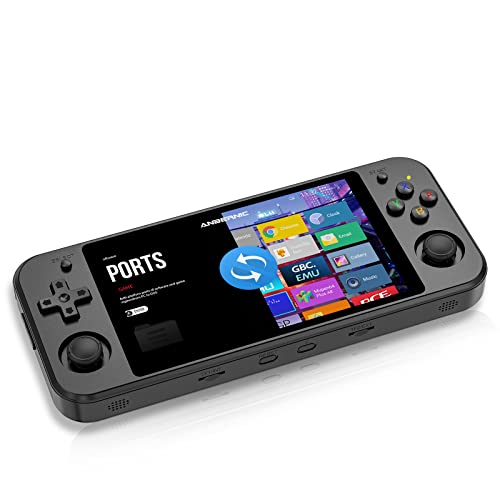
Daxceirry RG552 Handheld Android System Game Console 16G Linux System

K2B Single Board Computer Allwinner H618 32G eMMC
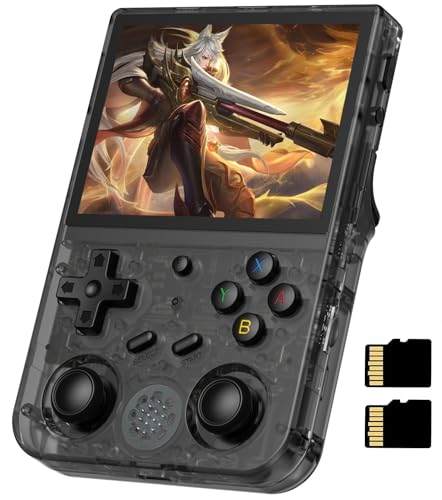
Voacle Anbernic RG353V Retro Handheld Game Console RG353V-Transparent Black

Super Console X2 Pro Retro Video Game Console 65,000+ Games

MANGMI AIR X Android Handheld 5.5 FHD IPS Snapdragon 662 4+64GB
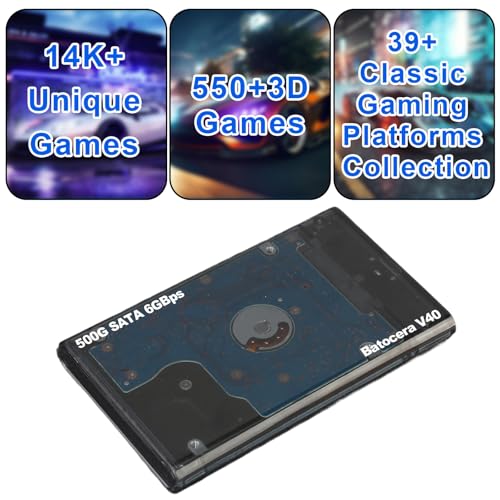
Portable retro Game Emulator Console Batocera v40 500GB Boot

GKD Pixel 2 Console Metal Retro Game Player 64GB TF Card

RG353P Handheld Game Console RK3566 64G TF Card
More Details On Our Top Picks
The RG552 sits in the middle of the pack as a handheld that gives you Android plus Linux without forcing you into a tiny shell. That split matters for mixed emulator use, because you get a broader software path than a single-OS toy, while the 5.36-inch touch screen keeps menus and touch-heavy apps easier to handle. The built-in 6400 mAh battery and 5A charging support point to a more serious portable setup, though the trade-off is a larger body than pocket minis.
For home use on a couch or desk, that extra size tends to feel less cramped than the smaller GKD Pixel 2 and more travel-friendly than the Batocera box in item 6. The honest read is that this is better for someone who wants a handheld first and a tinkering platform second. A sealed, preconfigured system is not its main story.
Strong Points
- Dual Android and Linux support gives you two software routes for different emulator or app needs.
- The 5.36-inch touch screen makes navigation easier than on smaller 3.5-inch or 2.4-inch handhelds.
- 6400 mAh battery capacity suits longer sessions away from a charger.
- The larger chassis can feel steadier in hand than ultra-compact pocket units.
Small Caveats
- Its size will not suit every coat pocket or travel pouch.
- Android and Linux dual-boot use usually asks for a little setup patience.
- Touch-heavy control on a handheld can feel busy during fast game navigation.
Feature Card
Who It Suits Best
You get the most from this one as a casual-to-serious handheld user who wants a larger screen and dual-OS flexibility.
Where A Sibling Pick Shines
The MANGMI AIR X suits commuters better, since it is the more travel-friendly choice for daily carry.
This is the most build-it-yourself option in the group, and that changes the whole ownership experience. The Allwinner H618 is a quad-core 64-bit chip, so you are looking at a small board meant to sit inside a larger project rather than a finished handheld. With 4G LPDDR4 memory and 32G eMMC storage, it has enough onboard hardware to suit compact Android or Ubuntu work, but the real commitment is the integration work around it.
That makes it a better match for hobbyists who want to shape their own emulator box or media node. Compared with the ready-made handhelds such as the RG353V and RG353P, this board asks more from your time and gives you more freedom back. It is a sensible choice for tinkerers, less so for anyone who wants instant play.
Highlights
- Android 12.0 and Ubuntu 22.04 support broadens what you can build around it.
- The quad-core H618 chip gives the board a practical base for light multitasking.
- 32G eMMC storage keeps the core system onboard without depending entirely on removable media.
- LPDDR4 memory is the faster, lower-power style of system RAM used in many compact boards.
Areas To Watch
- Board-level hardware demands enclosure, power, and input planning from you.
- It suits hands-on builders more than plug-and-play shoppers.
- Cooling, cable management, and operating system setup become part of the project.
Technical Sheet
Built With In Mind
You should look at this board as a fit for makers, students, and project builders who want to assemble their own low-power Android or Linux setup.
Swap It Out When
The TotZoof Super Console X2 Pro suits you better if you want a ready-made living-room box instead of a board that needs a custom shell.
The RG353V makes sense for someone who wants a familiar handheld shape with enough software flexibility to avoid feeling boxed in. Android 11 and Linux give you two ways in, while 5G WiFi and Bluetooth 4.2 help with connectivity around streaming, accessories, and living-room play. The 64G SD card and the bundled game library make it feel more turnkey than the K2B board, though the trade-off is less room for deep customization.
Compared with the RG552, it is the more compact everyday carry, and compared with the GKD Pixel 2, it gives you a larger, more conventional layout. That balance is what makes it easy to recommend for casual retro use. The honest read is that it is less about experimentation and more about dependable grab-and-play use.
Upsides
- Dual operating systems let you separate different use cases with less fuss.
- The included 64G SD card gives you immediate storage headroom.
- 5G WiFi and Bluetooth 4.2 help with accessories and networked features.
- TV output adds a useful living-room path that small handhelds often skip.
Points To Note
- A bundled library is convenient, but it does not replace your own library planning.
- The compact shell is practical, yet it still needs a carrying case for rough commutes.
- Dual-OS operation can ask for a little menu familiarity at first.
Feature Rundown
Who Will Love This
You get the most from this one as a casual retro gaming shopper who wants a self-contained handheld with low friction.
Look Elsewhere When
The MANGMI AIR X fits better for commuters who care more about display quality and lighter carry weight.
The X2 Pro is the easiest way to turn a TV into a shared retro station without building anything from scratch. You get EmuELEC 4.6, Android 9.0, and CoreE in one box, so the real value is breadth rather than minimalism. The preloaded library is massive on paper, and the S905X2 chip with Mali-G31 graphics is the part that keeps the experience from feeling purely ornamental.
Compared with the handhelds above, this is the family-room choice, not the bag-ready one. That makes it a better fit for couch sessions, guest use, or a permanent spot beside a television. The catch is that it has less intimacy than a handheld, so it will not satisfy you the same way on the road.
Bright Spots
- Three operating systems give the box broad flexibility for different game and app paths.
- The preinstalled game library reduces setup time for shared use.
- 2.4G and 5G wireless support help it fit modern home networks.
- The TV-box form keeps your desk or sofa setup uncluttered.
Honest Caveats
- Living-room placement means it is less portable than the handheld picks.
- The giant library can still need sorting and curation on your side.
- Three-system flexibility is useful, but it also brings more menus to learn.
Right Fit For
You should look at this as a match for families, casual group play, and anyone who wants one box near the TV.
Reach For A Different Pick When
The Voacle Anbernic RG353V suits you better for personal handheld use and easier grab-and-go sessions.
The AIR X is the cleanest fit for commuting, hotel stays, or any setup where you want a handheld that feels more like a finished device than a hobby kit. The 5.5-inch 1920 x 1080 IPS screen gives you a sharp display for menus and emulation, while the Snapdragon 662 and 4GB of LPDDR4X memory give it a more mainstream Android foundation than the retro-first picks around it. That matters because a modern chip usually buys you a smoother path across apps and system navigation.
Compared with the RG552, it feels more travel-minded, and compared with the RG353P, it has the more modern screen size and higher-resolution panel. One thing worth considering is that the compact body is a strength in a bag, but it can leave less room for oversized controls. For most commuters, that is a fair trade.
Reasons To Buy
- The 5.5-inch Full HD IPS panel is easier on the eyes than low-resolution pocket screens.
- Snapdragon 662 hardware gives you a more mainstream Android base for app support.
- The 286g weight makes daily carry easier than bulkier handhelds.
- 4GB of LPDDR4X memory helps the system feel less cramped during multitasking.
Softer Spots
- The compact layout may feel tight for larger hands during long sessions.
- Battery life will still depend heavily on brightness and app load.
- White trim tends to show handling marks more readily than darker finishes.
At A Glance
Perfect Match For
You should look at this as a strong fit for commuters and frequent travelers who want a polished Android handheld.
Where A Sibling Pick Shines
The GKD Pixel 2 suits you better for jacket-pocket portability and a more minimal carry profile.
This one is for the person who wants a large retro library on a PC or laptop and doesn’t mind doing the boot work. The Batocera v40 setup, 500GB storage, and boot-setting support make it feel more like a prepared system drive than a simple accessory. That also means it asks for BIOS or UEFI changes, so the convenience lives alongside real setup effort.
Relative to the handheld picks, this is the most desktop-centered option in the list. The upside is scale, because a 500GB library can hold a serious amount of content, and USB 3.1 helps the connection side feel less dated. The trade-off is simple: this is the item for capable setup-minded users, not for someone who wants instant plug-and-play on the first try.
Best Bits
- Batocera v40 gives you a familiar emulator-focused software base.
- 500GB of storage creates room for a very large game archive.
- USB 3.1 support is a practical fit for modern PCs and laptops.
- The boot-enabled design suits a dedicated emulator drive workflow.
Things To Consider
- BIOS and UEFI changes are part of the setup path.
- Secure Boot changes add another step for some systems.
- Drive-based setups need careful storage planning and backups.
Who Should Grab It
You should look at this as a fit for capable desktop users who want a large emulator library on external media.
Another Choice May Suit
The TotZoof Super Console X2 Pro is easier if you want a living-room box without touching boot menus.
The GKD Pixel 2 is the pocket-first outlier in this group, and that is exactly why it stands out. Its aluminum alloy body, 63 x 81 x 17 mm footprint, and 2.4-inch IPS screen make it feel built for absolute carry convenience, almost like a tiny slate cut from a single block. The RK3326S chip and Linux-based system are aimed at simple, fast-loading retro use rather than broad modern Android experimentation.
Compared with the RG353P and RG353V, this is the one to consider when size matters more than screen comfort. The 1800mAh battery is modest by handheld standards, so the appeal is the form factor, not marathon sessions. That honest trade-off works well for quick breaks, a coat pocket, or a minimalist setup you can drop into a bag without thinking twice.
Positives
- The aluminum alloy body gives it a sturdier feel than many plastic pocket units.
- The tiny frame slips easily into a jacket or sling bag.
- 64GB of built-in storage covers a sensible starter library.
- The 2.4-inch IPS screen keeps the display readable at this size.
Room For Improvement
- The small screen is the main trade-off for portability.
- Long sessions can feel cramped compared with larger handhelds.
- Metal finishes show scuffs, so case storage helps.
Whose Shelf It Belongs On
You should look at this as a fit for minimalists who want a tiny handheld with a durable metal shell.
A Better Fit Elsewhere
The RG353P suits you better if you want a larger display and more relaxed thumb room.
The RG353P sits in a sweet middle ground for anyone who wants a classic handheld shape without going all the way down to the tiniest pocket machines. Android and Linux dual OS support, the RK3566 64-bit platform, and 64G TF storage give it a flexible base for retro play, while the 3.5-inch IPS display keeps the unit compact but still usable. It feels like the practical middle sibling between the larger RG552 and the pocket-sized GKD Pixel 2.
The 3500mAh battery and 5G WiFi plus Bluetooth 4.2 round out a profile that suits everyday use more than niche tinkering. One thing worth noting is that the screen size is deliberate, not lavish, so you get portability with a little less visual comfort than the MANGMI AIR X. For most casual retro sessions, that balance is enough.
What We Like
- Dual operating systems keep the handheld flexible for different emulator paths.
- The 3.5-inch IPS screen is compact, yet still practical for daily use.
- 3500mAh battery capacity gives you a steadier portable profile than ultra-small units.
- 5G WiFi and Bluetooth 4.2 make it easier to fit into a modern setup.
Minor Gripes
- The display is smaller than the 5.5-inch panel on the MANGMI AIR X.
- It is still a handheld, so larger hands may prefer a broader grip.
- Dual-boot flexibility can add a little setup patience at first.
The Right Fit
You should look at this as a fit for everyday retro gaming shoppers who want a balanced handheld without extra bulk.
Where Another Pick Shines
The Voacle Anbernic RG353V suits you better if you want a nearly identical category with the included 64G SD card and bundled library.
What Matters Most Before You Choose
Wrong Turns To Avoid
Match the hardware to the shape of use, not to the biggest number on the page. A pocket handheld, a TV box, and a board you build yourself solve different problems, so storage size and operating system support matter only after you know where the device will live.
The Upgrade Payoff
Higher-tier models usually cost more because of better screens, faster chips, dual-OS flexibility, larger batteries, or larger included storage. That upgrade pays off most when you use the device often, travel with it, or want fewer compromises in daily handling.
Frequently Asked Questions
What works best for a very old PC?
A drive-based setup or a TV box usually places less strain on an old desktop than a heavier modern software stack. The BEABRET and TotZoof picks fit that direction in different ways.
Do dual-OS handhelds help with emulation?
They help you separate different workflows, which can make the device easier to live with. The RG552, RG353V, and RG353P all lean into that flexibility.
Which option is easiest for travel?
The MANGMI AIR X offers the best mix of screen size and carry comfort in this group. The GKD Pixel 2 goes smaller still, but its screen is far more compact.
Is a plug-and-play box better than a handheld?
A box is better for shared TV use and a fixed setup. A handheld is better when you want personal, portable sessions.
What should first-time emulator shoppers prioritize?
Start with the setup burden, then look at screen size and storage. A simpler path usually beats a more powerful device that sits unused because it asks for too much configuration.
