


Setting up recording gear at home usually means balancing sound quality, desk space, and setup complexity. The right kit helps you move from idea to finished track, stream, or podcast without turning your room into a cable knot.
This shortlist focuses on equipment that fits real home workflows, from simple USB recording to more capable audio interfaces and handheld recorders. You’ll see which picks suit beginners, which ones make more sense for multi-host sessions, and where a compact form factor matters most.
Quick Shortlist for Home Studio Setups

Pyle 4-Channel Bluetooth Studio Audio Mixer PMXU46BT
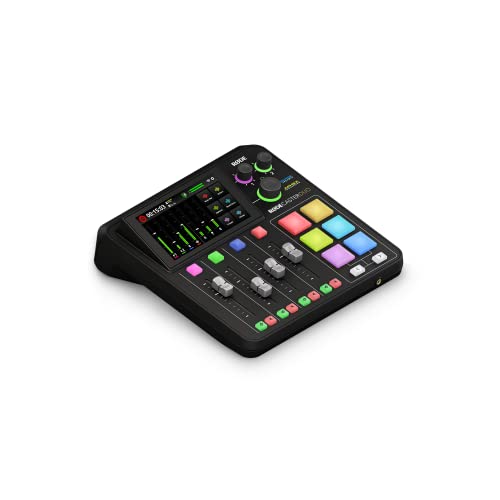
RØDE RØDECaster Duo Compact All-in-One Audio Production Solution

Zoom H4 Essential Handheld Recorder

Presonus AudioBox 96 Audio Interface Full Studio Bundle

PROAR Condenser Microphone XLR Podcast Mic Kit

MorTime Condenser Microphone Bundle Live Sound Card Kit

MAONO E2 Gen2 Podcast Equipment Bundle Audio Interface Mixer

PreSonus AudioBox USB 96 Recording Bundle with Condenser Mic
More Details On Our Top Picks
Home setups that need more than one input benefit from the PMXU46BT quickly. The 4-channel layout gives you room to combine a microphone, music source, and another line input without jumping straight to a larger rack unit.
The USB sound card and Bluetooth support make it useful in a room where you move between recording, playback, and casual mixing. The trade-off is that this kind of mixer rewards tidy cable management, so it suits a desk that stays semi-permanent rather than a constantly packed-away setup.
Strong Points
- USB recording support makes PC or Mac hookup straightforward for basic home sessions.
- Bluetooth input adds flexibility for backing tracks or reference audio.
- XLR mic jack and 48V phantom power widen mic compatibility for common studio mics.
- Four channels give you more routing room than a single-input starter interface.
Things To Consider
- The control layout suits organized desks better than cramped corners.
- Bluetooth is convenient, but wired sources still make the cleaner day-to-day studio path.
- Mixers like this usually ask a little more setup patience than a simple plug-in interface.
Who It Suits Best
It suits beginners who want a more flexible desk mixer and casual creators who route several sources at once.
A Better Fit Elsewhere
RØDE RØDECaster Duo Compact All-in-One Audio Production Solution fits better for podcasters who want a more guided, purpose-built control center.
For a podcast desk that needs to feel organized from day one, the RØDECaster Duo makes a strong case. Two inputs with high-gain Revolution Preamps help you connect microphones or instruments without building a cluttered chain of extra gear.
The integrated 2.4GHz wireless receiver is the detail that separates it from simpler boards like the Pyle mixer. That makes it a clean fit for small studios where a wireless mic setup matters, though the compact footprint also means you’ll want to plan your input needs carefully.
What We Like
- Two inputs keep the panel compact while still covering common podcast and music tasks.
- High-gain preamps help with microphones and instruments that need a stronger signal path.
- Built-in wireless receiver reduces the need for extra receiving gear on the desk.
- Its all-in-one layout suits creators who want fewer scattered parts to manage.
- Small size makes it easier to place in a tight recording corner.
Points To Note
- Two inputs are enough for many solo and two-person setups, but not for larger roundtables.
- That compact design means you’ll want a clear plan for add-ons before your setup grows.
Perfect Match For
It suits podcasters, streamers, and home studios that want a focused control surface with less desk clutter.
A Better Fit Elsewhere
MAONO E2 Gen2 Podcast Equipment Bundle Audio Interface Mixer is the better fit for a growing two-host setup that still wants bundle convenience.
The H4 Essential leans into portability without feeling stripped down. Four-track recording and 32-bit float capture give you room to handle music, interviews, field audio, or video sound in a way that a desk-only mixer can’t match.
That broader use case makes it a smart second recorder for creators who move between home and location work. You may find the handheld format better than a fixed interface when your sessions happen in rehearsal rooms, backstage spaces, or anywhere a laptop is awkward.
Highlights
- Four-track recording gives you more flexibility than a basic stereo handheld recorder.
- 32-bit float recording helps preserve usable audio across tricky level changes.
- Built-in microphones keep it ready for quick capture without extra parts.
- External mic, instrument, and mixer support widen its role in a home studio kit.
- Its handheld shape works well for travel, rehearsal, and field use.
Room For Improvement
- Handheld use is convenient, but a desk rig still feels steadier for fixed voice sessions.
- The portable format asks for battery and storage habits that a wired interface does not.
Built With In Mind
It suits musicians, podcasters, and video creators who need one recorder that can move from the studio to the street.
Another Choice May Suit
PreSonus AudioBox USB 96 Recording Bundle with Condenser Microphone works better for home tracking that stays centered around a computer desk.
Feature Rundown
This bundle makes sense for the person who wants recording gear and software in one pass. The included Studio One Artist software, Eris 3.5 monitors, and TRS cable give you a more complete starting point than a bare interface alone.
Zero-latency monitoring is the practical feature here, because it helps you hear your voice or instrument without the distracting delay that can throw off timing. Compared with the more compact Zoom H4 Essential, this is the steadier desk choice for computer-based sessions.
Upsides
- Interface, software, monitors, and cable bundle the basics into one purchase path.
- Zero-latency monitoring helps vocal takes and instrument tracking feel more natural.
- Studio One Artist gives you a place to start mixing and arranging right away.
- Eris 3.5 monitors suit small desks where nearfield playback matters.
Areas To Watch
- Bundle parts are useful, but they also mean you may outgrow one piece sooner than another.
- Desktop monitors need space and smart placement for the cleanest workflow.
- The interface-first design suits computer recording more than mobile capture.
The Right Fit
It suits first-time home recorders who want a fuller desk setup without piecing together every component separately.
Where A Sibling Pick Shines
PreSonus AudioBox USB 96 Recording Bundle with Condenser Microphone is the closer match for someone who wants a similar path with a more microphone-centered bundle.
Feature Card
For vocal-focused home recording, this PROAR kit keeps the feature set clear and direct. The large 14 mm condenser capsule and cardioid pickup pattern are aimed at voice capture, which makes it easier to place around speech, narration, or singing.
The boom arm helps the microphone sit where your mouth naturally lands, and that matters in a busy room because you’re not wrestling the mic on every take. Compared with the bundle-heavy PreSonus options, this one is simpler and more mic-centered, though it still depends on how tidy your desk space is.
Best Bits
- Cardioid pickup pattern focuses on sound from the front, which suits voice work.
- 14 mm condenser capsule gives the mic a more capable recording role than a basic desktop mic.
- Boom arm placement helps keep the microphone steady and close.
- Works for podcasting, voice-over, streaming, and singing in one compact kit.
Softer Spots
- XLR setup asks for the right interface or mixer, so it’s not the simplest plug-and-play route.
- The boom arm and desk clamps need enough workspace to feel comfortable.
- Condenser mics tend to reward quieter rooms, so noisy spaces can feel less forgiving.
Who Should Grab It
It suits streamers, voice-over work, and home podcasters who want one microphone kit with a more studio-like front end.
Swap It Out When
Zoom H4 Essential Handheld Recorder fits better for creators who need portability more than a fixed mic position.
Core Details
Some home studios need the parts count handled for you, and this MorTime kit does exactly that. The bundle brings together a live sound card, boom arm, shock mount, metal pop filter, sponge cover, earphone, audio cables, and power cable, so the setup feels more complete out of the box.
That breadth helps for chat, singing, or livestreams where you want one purchase to cover most desk accessories. The honest read is that more pieces also mean more storage and more setup time, which is fine for a fixed corner but less attractive for a minimalist desk.
Positives
- Large accessory bundle reduces the number of extra parts you need to source later.
- Live sound card supports a more streaming-friendly workflow.
- Shock mount and pop filter pieces help make placement and handling more manageable.
- Headphone and cable inclusions support a fuller starter desk setup.
- Useful for chat, singing, and basic broadcast tasks in one package.
Minor Gripes
- More accessories mean more pieces to organize and keep track of.
- The bundle style suits a permanent desk better than a quick pack-away routine.
- Large kits can feel crowded until you decide which parts you actually use every day.
Whose Shelf It Belongs On
It suits beginners who want a broad starter kit for streaming, singing, and chat without assembling each accessory separately.
Look Elsewhere When
PROAR Condenser Microphone XLR Podcast Mic Kit is the leaner choice for someone who wants a tighter microphone-first setup.
The E2 Gen2 is aimed at home podcasters who are ready to move past the most basic entry level. Two XLR combo inputs and a 60 dB preamp give you more room for co-host sessions and mics that need stronger gain support.
USB-C and 3.5 mm ports make it easier to fold into a computer setup, and that matters in a room where you already have a laptop, headphones, and mic stands competing for space. Compared with the Pyle mixer, this feels more focused on podcast workflow than on general audio juggling.
Reasons To Buy
- Two XLR combo inputs suit co-host recording and flexible mic routing.
- 60 dB preamp gain helps support more demanding microphones.
- USB-C connection is a modern fit for a desk-based recording setup.
- 3.5 mm connectivity adds another practical route for home use.
- All-in-one bundle format reduces the number of separate pieces to source.
Worth Noting
- Dual-input layouts are great for smaller shows, but not for larger panel sessions.
- The bundle is strongest once you’ve settled on a podcast-first workflow.
- Like many desk interfaces, it rewards a stable setup more than constant relocation.
Made For
It suits growing podcasters and streamers who want a clearer step up from basic starter gear.
Where Another Pick Suits Better
RØDE RØDECaster Duo Compact All-in-One Audio Production Solution suits creators who want a more premium-feeling compact control hub.
This bundle lands in a very sensible place for home recording. The AudioBox USB 96 interface, condenser microphone, shockmount, XLR cable, and software package give you a straightforward path from desk to first session.
The steel construction and 2×2 interface format matter because they fit the kind of home setup that needs to stay dependable rather than flashy. Compared with the MAONO bundle, this one feels more grounded in the classic computer-recording workflow, which suits vocals, demos, and simple instrument takes.
Bright Spots
- 2×2 interface layout is easy to understand for a first home studio.
- 24-bit, 96 kHz recording support gives you a more detailed capture path.
- Mix control for direct monitoring helps reduce the feel of delay while recording.
- Steel build adds a sturdy, desk-friendly feel for regular use.
- Bundle contents cover key starter pieces in one box.
Small Caveats
- Desktop-focused gear needs a little planning for cable routing and placement.
- Color may vary, so the visual finish is less fixed than the core function.
- Bundle users still need to think about monitor positioning and room layout.
Who Will Love This
It suits first-time home recorders who want a practical interface bundle with a more traditional computer-studio shape.
Skip It When
Zoom H4 Essential Handheld Recorder fits better for creators who value location flexibility over a desk-based interface.
Details At A Glance
What Matters Before Choosing Home Recording Gear
Wrong Turns To Avoid
Desk space gets overlooked more often than input count. A compact room rewards gear that leaves room for a mic arm, monitors, and a keyboard without forcing awkward stacking.
Why Top Tier Costs More
Higher-tier gear usually pays for stronger preamps, more direct control, and cleaner integration across voices, instruments, and software. That upgrade matters most once your sessions happen often enough that small workflow annoyances start slowing you down.
Frequently Asked Questions
What gear matters first in a home studio?
A microphone or interface usually comes first, depending on whether you record directly to a computer or through a mixer. Stable monitoring matters next because it helps you hear placement and level issues faster.
Do you need an audio interface for home recording?
Yes for many XLR microphones and instrument inputs, because the interface handles the signal path into your computer. USB recorders and all-in-one consoles can fill that role in different ways.
What makes a compact recorder useful at home?
A handheld recorder helps when your sessions move around the house or beyond it. It keeps capture simple when a desk setup feels too fixed.
How many inputs suit a small studio?
Two inputs cover many solo and two-person setups. Four inputs help once you start combining mics, instruments, and playback sources.
What should you check before choosing a microphone kit?
Check the pickup pattern, mounting hardware, and whether you need XLR support. Those details decide how well the mic fits your room and your interface.
