


Desktop setups lose the most when the power cuts out mid-task, because a brief outage can mean lost files, dropped calls, or a machine that needs a full restart. You need a backup battery that fits your desk space, matches your computer’s power draw, and gives you enough runtime to save work cleanly. The eight picks below cover compact home setups, active office stations, and heavier desktop rigs.
Quick Shortlist For Desktop Power Backup

GOLDENMATE 1000VA/600W Lithium UPS Battery Backup, White
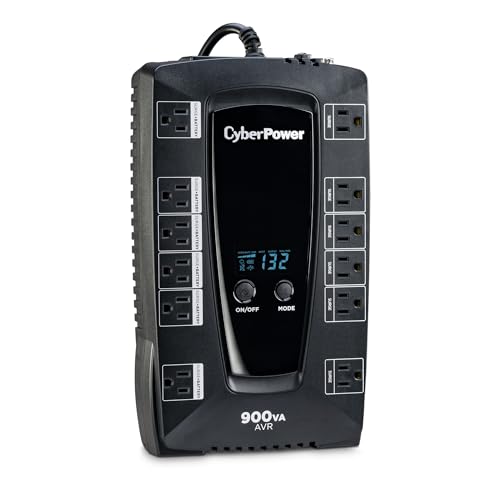
CyberPower AVRG900LCD Intelligent LCD UPS Battery Backup

GOLDENMATE 600VA/360W Lithium UPS Battery Backup

Staples TECH 650VA UPS Battery Backup, 8 Outlets, Black

CyberPower LE850G UPS Battery Backup

CyberPower CP1500PFCLCD PFC Sinewave UPS Battery Backup

CyberPower CP1500PFCRM2U PFC Sinewave UPS Battery Backup

CyberPower CP1500AVRLCD3 Intelligent LCD UPS Battery Backup
More Details On Our Top Picks
This GOLDENMATE model makes sense for a desktop that stays on for long stretches, because its lithium iron phosphate battery type is built for extended service life rather than frequent swap-outs. That matters most in a home office or studio where you want fewer maintenance headaches and a cleaner ownership cycle.
The 1000VA, 600W rating gives you room for a desktop plus modest extras, though a power-hungry tower will still narrow runtime fast. Compared with the compact Staples TECH unit, this one leans more toward long-term ownership and less toward a basic desk stopgap.
Strong Points
- Lithium battery chemistry suits long service plans.
- 600W output covers a capable desktop setup.
- Lower upkeep than lead-acid designs.
- White finish fits clean office layouts.
Things To Consider
- The larger capacity can be more than a simple workstation needs.
- White housing will show dust sooner on a busy desk.
Core Details
Who It Suits Best
You get the most from this pick in a workspace where the computer stays plugged in daily and you want a more durable backup path.
A Better Fit Elsewhere
CyberPower CP1500PFCLCD PFC Sinewave UPS Battery Backup suits heavier desktop rigs that need sinewave output and more headroom.
For a desk that also carries a router, modem, or small workstation gear, this CyberPower unit is the practical middle ground. Its automatic voltage regulation, or AVR, corrects small swings in household power without always draining the battery, which helps preserve backup capacity for real outages.
The LCD panel is useful for quick status checks, and that alone keeps it friendlier than plain LED units. The trade-off is straightforward, though, because the simulated sine wave output is better suited to mainstream office gear than to the most sensitive power supplies.
What We Like
- AVR reduces needless battery cycling.
- LCD readout makes status checks simple.
- Compact size works under many desks.
- Good match for mixed computer and network loads.
Minor Gripes
- Simulated sine wave output narrows fit for some advanced systems.
- The display adds a bit of visual clutter on minimalist setups.
- Placing it in a tight cable bundle can make access less tidy.
Feature Snapshot
Made For
You’ll like this most in a home office where a desktop shares power with networking hardware and you want easy front-panel visibility.
Another Choice May Suit
CyberPower CP1500PFCLCD PFC Sinewave UPS Battery Backup is a smarter match for active PFC desktops that want cleaner output.
This is the smaller GOLDENMATE option, and that smaller footprint matters in cramped work areas where a full-size tower would feel out of place. The lithium iron phosphate battery pack gives it the same long-life angle as the larger model, so you’re buying convenience without moving back to old-style maintenance habits.
The 600VA, 360W rating fits lighter desktop use, especially a computer and a few low-draw accessories. The catch is that once you add a power-thirsty monitor stack or a big workstation, runtime runs out sooner than it would on the 1000VA GOLDENMATE.
Highlights
- Low-profile size suits narrow desks.
- Lithium pack points to lower upkeep.
- Good match for basic desktop protection.
- Light weight helps with placement changes.
Points To Note
- 360W is better for modest setups than heavy rigs.
- Smaller battery reserve means shorter backup windows under load.
Perfect Match For
You’ll get the cleanest fit in a small apartment office, dorm desk, or any spot where the computer load stays modest.
Look Elsewhere When
GOLDENMATE 1000VA/600W Lithium UPS Battery Backup is the better step up for a fuller workstation.
Eight outlets give this Staples TECH unit a practical edge for a desk that carries more than just a tower. In a busy workspace, separating battery-backed plugs from surge-only plugs keeps the essentials alive without wasting reserve capacity on everything else.
The 650VA, 360W rating puts it in the everyday backup class, which is enough for a modest desktop, modem, and a couple of peripherals. It feels less specialized than the GOLDENMATE lithium models, but that also keeps it simple for first-time setup.
Upsides
- Eight outlets give you room to organize gear.
- Battery-backed and surge-only outlets improve placement choices.
- Compact footprint fits beneath many desks.
- Good for a simple home office layout.
Small Caveats
- 650VA is fine for light desktop work, not heavy rigs.
- Cable management takes a little care with eight plugged-in devices.
The Right Fit
This suits a desk with several small electronics where you want straightforward backup without extra complexity.
Where A Sibling Pick Shines
CyberPower AVRG900LCD Intelligent LCD UPS Battery Backup is a better fit for anyone who wants voltage regulation and an LCD readout.
The LE850G sits in a middle lane that suits a small office workstation better than a bare-bones desktop. Its 850VA, 460W capacity gives you more breathing room than the 650VA class, so the backup window is less cramped during a short outage.
That extra headroom comes in handy when the desktop shares power with a monitor and network gear. The trade-off is that it still belongs to the mainstream backup tier, so a heavier workstation may push it harder than you want.
Best Bits
- 850VA rating gives more working room than entry models.
- Good fit for a desk with several devices.
- Useful step up from smaller 360W units.
- Simple category choice for office use.
Areas To Watch
- Not the right match for large workstation loads.
- Storage space matters a little more than with compact models.
Who Will Love This
You’ll appreciate this most in a small office where the desktop, display, and network hardware all need modest backup together.
Swap It Out When
CyberPower CP1500PFCLCD PFC Sinewave UPS Battery Backup is the stronger move for active PFC systems and larger rigs.
Desktops with active power factor correction, or active PFC, are the reason this CyberPower model exists. The pure sinewave output matters because it better matches the power shape that those supplies expect, which can make it the safer-feeling choice for a serious workstation.
The color LCD adds a quick-read layer that helps when the machine sits under a desk and you still want a fast status check. Compared with the AVRG900LCD, this one is the more serious fit for a power supply that asks for cleaner output rather than a simulated wave.
Reasons To Buy
- Pure sinewave output suits active PFC desktops.
- 1500VA class gives strong headroom for many setups.
- Color LCD helps you confirm status at a glance.
- Good fit for workstations with more demanding power supplies.
Honest Caveats
- Size and output level are more than basic office needs.
- Desk space under a compact table can feel tight.
- More capable gear usually means more careful placement and cable planning.
Feature Rundown
Best Suited To
This suits you best when your desktop uses a more demanding power supply and you want backup that feels closer to the hardware’s needs.
Another Choice May Suit
CyberPower CP1500AVRLCD3 Intelligent LCD UPS Battery Backup is a simpler match for standard desktop systems that do not need pure sinewave output.
Rackmount gear lives in a different world from a floor-standing tower, and this CyberPower unit is built for that environment. The 2U rack format means it belongs in an equipment stack, not under a casual office desk, so it suits a setup where neat integration matters more than compactness.
Its pure sinewave output and AVR give it the same serious power-handling profile that the CP1500PFCLCD offers, just in a rack-friendly shell. The honest read is that it’s overbuilt for a standard home PC, but very sensible for a rack cabinet with networking or media gear.
Standout Traits
- 2U rackmount format suits organized equipment cabinets.
- Pure sinewave output supports demanding connected gear.
- AVR helps smooth small power shifts.
- Good fit for fixed installations.
Room For Improvement
- Rackmount design is not desk-friendly.
- Installation takes more planning than a mini-tower.
- Best used where the rack already has space reserved.
Built With In Mind
You should look here for a rack cabinet, media closet, or security stack where the backup unit needs to slide into a standard equipment layout.
Where A Sibling Pick Shines
CyberPower CP1500PFCLCD PFC Sinewave UPS Battery Backup is the easier fit for a desktop workstation with no rack hardware.
The CP1500AVRLCD3 is the kind of UPS that feels easy to slot into a normal desktop setup. Its line interactive design and AVR give you a practical bridge between small power swings and a full battery event, which is exactly what most home offices need.
The simulated sinewave output keeps it squarely in the standard-computer lane rather than the specialty workstation lane. Compared with the CP1500PFCLCD, this one is the simpler call for everyday systems that don’t need pure sinewave output.
Positives
- Line interactive design helps with routine power changes.
- AVR reduces battery drain from minor voltage shifts.
- LCD panel makes status checks quick.
- Fits mainstream desktop and network gear.
Softer Spots
- Simulated sinewave output is a narrower match than pure sinewave.
- Large enough that under-desk placement needs a little planning.
Details At A Glance
Whose Shelf It Belongs On
You’ll like this most in a standard home office with a desktop, monitor, and network box that need sensible backup.
Reach For A Different Pick When
CyberPower CP1500PFCLCD PFC Sinewave UPS Battery Backup is the better call for active PFC hardware that wants pure sinewave output.
What Matters Most Before You Choose Backup Battery Desktop Computers
Common Shopping Slip Ups
Desktop protection fails when the UPS capacity is too small for the load. Match the wattage to the computer, monitor, and network gear, then leave room for startup spikes.
What The Higher Tier Buys
Higher-tier units usually pay for cleaner output, stronger voltage control, and more generous runtime. That extra spend makes sense for active PFC desktops, larger towers, or workstations that stay on for long sessions.
Form Factor Still Counts
Mini-towers suit desks and floor corners, while rackmount models belong in cabinets and equipment stacks. A good physical fit makes cable routing easier and keeps the setup tidy.
Things Worth Knowing First
Hidden Buying Traps
Some UPS units look similar on paper but differ sharply in output type. Simulated sine wave is fine for many desktop setups, while pure sinewave is the safer match for more demanding power supplies.
The Upgrade Payoff
Spending up often buys better display feedback, stronger regulation, and more flexibility for mixed gear. That matters most in a workstation that carries a desktop, monitor, router, and storage all at once.
Frequently Asked Questions
What size UPS works for a desktop computer?
A compact desktop often fits a 600VA to 900VA class unit. Larger towers or systems with more peripherals usually benefit from 1500VA-class headroom.
Why does sinewave output matter?
Pure sinewave output suits active PFC power supplies better than simulated output. That makes it a smarter match for some higher-end desktops.
Is AVR useful in everyday use?
Yes, because AVR handles small voltage swings without leaning on the battery. That helps preserve backup capacity for actual outages.
Can a UPS also protect network gear?
Yes, many desktop backup units can keep a modem, router, or small switch online. That keeps your connection alive long enough to finish work or save files.
Should the UPS sit on the desk or on the floor?
Most desktop setups work better with the UPS on the floor or under the desk. Desk placement makes sense only when space and airflow stay open.
