


Power interruptions rarely happen at a convenient moment. For a home office, gaming desk, router shelf, or small workstation, a UPS gives you a short bridge between normal operation and a sudden shutdown, and that window matters when you want to save work or keep a network alive.
The eight picks below cover lithium models, line-interactive units, rackmount choices, and compact budget-friendly options. You’ll also see where the higher-output units make sense, and where a smaller footprint is the smarter fit for everyday electronics.
Quick Look At The Shortlist

GOLDENMATE 1000VA/600W Lithium UPS Battery Backup & Surge Protector, White

GOLDENMATE 1000VA/600W Lithium UPS Battery Backup & Surge Protector, Gray
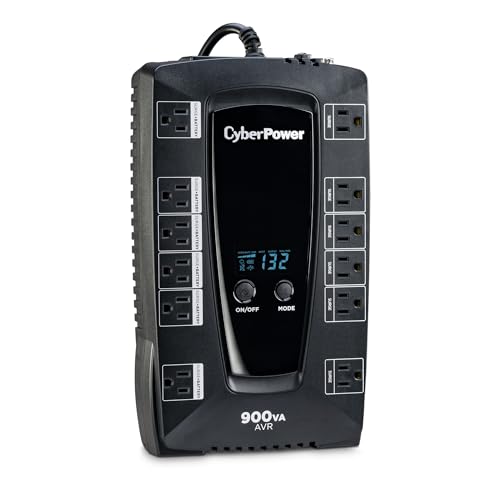
CyberPower AVRG900LCD Intelligent LCD UPS Battery Backup
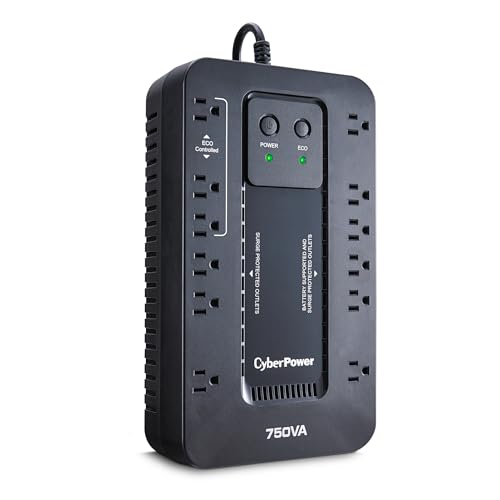
CyberPower EC750G Ecologic UPS Battery Backup and Surge Protector

CyberPower LE850G UPS Battery Backup & Surge Protector

CyberPower CP1500PFCRM2U PFC Sinewave UPS Battery Backup

CyberPower CP1500AVRLCD3 Intelligent LCD UPS Battery Backup

CyberPower CP1500PFCLCD PFC Sinewave UPS Battery Backup and Surge Protector
More Details On Our Top Picks
The lithium battery setup gives this GOLDENMATE model a different long-haul profile from the CyberPower units below. For a desk with a PC, modem, and a few peripherals, the 1000VA/600W rating is enough for short backup coverage without making the unit feel oversized.
The appeal is simple: fewer battery replacements over time and a cleaner fit for everyday home office use. You’ll notice the trade-off in the upfront commitment, so this makes most sense for a setup that stays in service for years rather than a temporary corner workstation.
Strong Points
- Lithium iron phosphate battery supports long service life.
- Useful for keeping a desktop session alive during brief outages.
- White finish suits lighter office setups.
- Lower maintenance burden than older lead-acid styles.
Things To Consider
- The value proposition makes most sense over a longer ownership stretch.
- 600W output fits modest loads, not heavy rigs.
- White housing can show desk dust more easily.
Who It Suits Best
Home office users who want a lithium UPS for a stable desktop, router, and monitor setup will get the most from it.
A Better Fit Elsewhere
CyberPower CP1500PFCLCD suits a workstation that needs a color LCD and active PFC support, especially in a busier equipment stack.
This gray version tracks the same lithium-based backup idea as Item 1, but the listing leans harder into support coverage and damage protection. For someone setting up a new desk or replacing an aging UPS, that matters because the ownership story starts at purchase, not months later.
The clean takeaway is that you get the same compact power class with a more service-oriented wrapper. The trade-off is that this still sits in a modest 600W lane, so it fits the everyday desktop crowd better than power-hungry creative stations.
What We Like
- Gray finish is easier to blend into mixed office gear.
- Coverage language is useful for set-up uncertainty and mishaps.
- Lithium battery chemistry points to a longer service window.
- Good fit for a desk that needs a calm backup path.
Points To Note
- Protection-plan details matter more here than hardware extras.
- Its capacity still suits lighter computing loads.
- Like Item 1, it is better for compact setups than large towers.
Made For
Desk workers who want a backup unit with support coverage and a neutral gray finish will find the balance right here.
Where A Sibling Pick Shines
GOLDENMATE 1000VA/600W Lithium UPS Battery Backup, White fits better for lighter-colored workspaces that want the same lithium core.
The AVRG900LCD takes a more traditional route than the GOLDENMATE lithium units, and that’s the point. Automatic voltage regulation, or AVR, corrects small voltage swings without leaning on the battery every time the line dips, which helps a desktop setup stay calmer through routine power noise.
For a home office, network shelf, or entertainment corner, the LCD readout is handy because you can check status fast without guessing. The catch is that simulated sine wave output is better suited to standard electronics than to very picky power supplies, so compatibility still deserves a quick look.
Highlights
- AVR can reduce battery use during minor voltage changes.
- LCD status panel makes day-to-day checks straightforward.
- Compact shape suits a desk or media cabinet.
- Works well for routine computers and networking hardware.
Worth Noting
- Simulated sine wave output is not the same as a pure sine design.
- The smaller footprint naturally limits runtime compared with larger units.
- Owners usually want a little cable planning around a compact tower shape.
Who Will Love This
Home users who want a simple UPS for a desktop, router, and small media gear will get an easy fit here.
Swap It Out When
CyberPower CP1500PFCLCD is a stronger match for active PFC equipment and a setup that benefits from a richer control panel.
EC750G is the smaller, more modest path in this lineup, and that makes sense for a TV stand, a network nook, or a light desktop. Its standby topology is a plain-vanilla approach, which means it waits in the background until power drops, then steps in without the extra behavior you see on line-interactive units like the AVRG900LCD.
That straightforward design keeps the footprint tame, though it also sets expectations for shorter reserve time. You’ll appreciate it most in rooms where space is tight and the connected gear is basic.
Best Bits
- Small size makes shelf placement easier.
- Good match for basic electronics and networking gear.
- Simple setup suits first-time UPS use.
Small Caveats
- Standby design offers a simpler feature set than line-interactive units.
- Reserve time is naturally more limited than larger models.
- Best kept for lighter loads rather than broad desk stacks.
The Right Fit
Apartment dwellers and small-room setups that need basic protection without a bulky cabinet will get the most from this one.
Another Choice May Suit
CyberPower LE850G suits a little more load headroom while staying in a compact family of units.
Core Details
The LE850G sits in a middle lane that works well for small office desks and networking gear. Compared with the EC750G, it gives you a bit more breathing room in a familiar form factor, so a modem, router, and compact PC can share the same backup path without pushing the unit into heavy-duty territory.
That middle-ground approach makes it easy to place and easy to understand. The honest read is that it fits routine protection more than ambitious power stacks, and that restraint is part of its appeal.
Positives
- 850VA class suits modest office loads.
- Good match for network devices that need steady power.
- Surge protection adds everyday utility beyond outage coverage.
- Works cleanly in a small work corner.
Softer Spots
- It still belongs in the compact segment, not the high-output tier.
- Physical placement matters in tight cable runs.
- Users with larger desktop rigs may want more headroom.
Best Suited To
Home office setups with a router, small PC, and a monitor fit this unit well.
Look Elsewhere When
CyberPower CP1500AVRLCD3 makes more sense for a larger workstation that benefits from extra capacity and a fuller display.
Feature Rundown
This rackmount model is built for setups where shelf space is the wrong shape, such as a server cabinet or AV rack. The sine wave output is the important part here, because active PFC power supplies usually prefer a cleaner waveform than the simulated type found on smaller desktop units like the EC750G.
EMI/RFI filtering, or suppression of electrical and radio-frequency noise, also helps this unit feel better suited to equipment stacks that stay plugged in all day. The trade-off is obvious: it takes a more deliberate installation than a tower UPS, so it belongs with structured gear rather than a casual desk corner.
Reasons To Buy
- Rackmount format fits cabinets neatly.
- Sine wave output suits active PFC devices.
- EMI and RFI filtering help noisy equipment environments.
- AVR supports routine voltage correction without constant battery switching.
Areas To Watch
- Installation is less casual than with a tower-style unit.
- It is tailored to rack gear, not a tiny desk setup.
- Placement and cabling usually need more planning.
Whose Shelf It Belongs On
Rack-based workstations, small server closets, and AV stacks are the natural home for this UPS.
Skip It When
CyberPower CP1500PFCLCD is the easier desk-side choice for active PFC gear that still wants a tower footprint.
At A Glance
The CP1500AVRLCD3 lands between the simpler EC750G and the more specialized rackmount CP1500PFCRM2U. Its mini-tower shape is easier to live with beside a desk, and the LCD panel gives you a fast read on status without pushing you into a technical maze.
For a workstation with a monitor, router, and external drive, that combination feels practical. AVR helps it ride through small voltage swings with less battery drain, though simulated sine wave output still keeps it aimed at common electronics rather than especially picky power supplies.
Upsides
- Mini-tower shape is easy to place near a work area.
- LCD panel simplifies daily status checks.
- AVR can reduce battery cycling in normal use.
- Good middle ground for office and home electronics.
Room For Improvement
- Simulated sine wave output sets a compatibility boundary.
- Cabinet-style users may prefer a rackmount form instead.
- Cable management matters once you connect a full desk stack.
Perfect Match For
Work-from-home desks that need a visible display and straightforward battery backup will suit this model well.
Reach For A Different Pick When
CyberPower CP1500PFCLCD is the smarter step up for active PFC gear that benefits from a color LCD and sine wave output.
Feature Snapshot
This is the most fully featured tower in the group, and it’s the one to watch for active PFC computers, better display visibility, and more polished day-to-day monitoring. The color LCD makes status checks easier at a glance, which matters when your desk already has too many small indicators competing for attention.
Compared with the CP1500AVRLCD3, the stronger fit here is the sine wave output for hardware that prefers a cleaner power shape. That extra compatibility tends to matter most in serious home office rigs, but the honest read is that the added capability only pays off when your gear actually needs it.
What We Like
- Color LCD is easy to read from a working position.
- Sine wave output suits active PFC systems.
- Mini-tower layout works well beside a desk.
- Good match for a fuller workstation stack.
- Feels more complete than the smaller EC750G class.
Honest Caveats
- The extra capability makes the unit more than casual backup for basic devices.
- Desk space still matters once you add cables and peripherals.
- It makes the most sense with equipment that benefits from sine output.
Built With In Mind
Power users with a desktop tower, monitor, and network gear will get the clearest value from this model.
Where A Sibling Pick Shines
CyberPower AVRG900LCD is the better fit for a simpler desktop that values AVR and a smaller cash outlay in capability, not price.
Details At A Glance
What Matters Most Before Choosing Backup Ups Systems
Capacity And Load Match
Start with the gear you actually keep on during an outage. A router and laptop need far less headroom than a tower PC, monitor, and external drives.
Waveform And Compatibility
Simulated sine wave units suit many everyday devices, while sine wave models are the safer match for active PFC hardware. That detail matters more than flashy extras on the box.
Form Factor And Placement
Tower units fit beside a desk, while rackmount models belong in cabinets and AV stacks. Cable length, airflow, and floor space all affect how pleasant the setup feels.
A Quick Reality Check
Mistakes Worth Dodging
Many shoppers focus only on capacity and skip the output type, then discover their gear wants a cleaner wave shape. Another common miss is buying a unit that physically fits nowhere near the equipment it protects.
The Upgrade Payoff
Higher-tier units often bring better displays, cleaner output, rack-ready construction, or lithium battery chemistry. Those extras matter most in workstations, server closets, and systems that stay plugged in for years.
Frequently Asked Questions
What does VA mean on a UPS?
VA stands for volt-ampere, a rating tied to the electrical load the unit can support. It helps you compare models, but you still need to check the watt rating too.
Why does waveform type matter?
Some devices are comfortable with simulated sine wave output, while others run more cleanly on sine wave power. That difference shows up most with active PFC equipment and sensitive electronics.
Is AVR useful for home use?
AVR, or automatic voltage regulation, helps correct small voltage swings without switching to battery. That can reduce unnecessary battery use in places with inconsistent power.
Do rackmount UPS units suit a desk?
Rackmount models are built for cabinets and structured installs, not casual desktop placement. A tower-style UPS is easier to live with beside a monitor and keyboard.
Why choose lithium over traditional battery styles?
Lithium-based UPS designs are often chosen for longer service life and less frequent replacement planning. That tends to matter most when you expect the unit to stay in service for years.
