


You want a keyboard that feels close enough to an acoustic piano to build real technique, without turning early practice into a fight. That usually means paying close attention to key action, pedal support, sound output, and how much space the setup will take in your room.
This roundup focuses on beginner weighted keyboards that suit home practice, lessons, dorm rooms, and desk-friendly setups. The differences are real: some lean toward a heavier piano feel, some keep the touch lighter, and some trade full furniture-style presence for portability.
The Shortlist At A Glance

STRICH 88 Keys Weighted Keyboard SDP-120
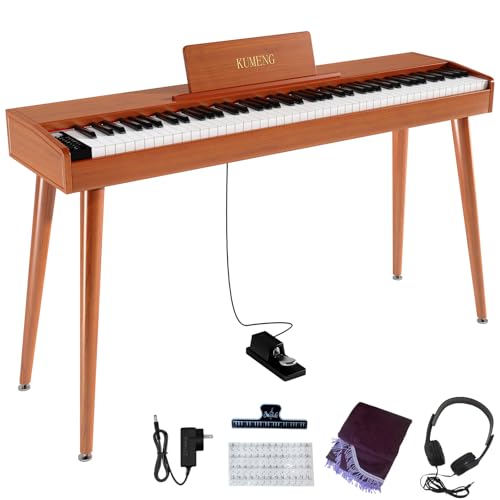
KUMENG 88 Key Semi-Weighted Digital Piano

Donner OURA S100 Digital Piano

UISCOM Digital Piano Keyboard 88 Key Semi-Weighted

UISCOM 88 Key Weighted Home Digital Piano
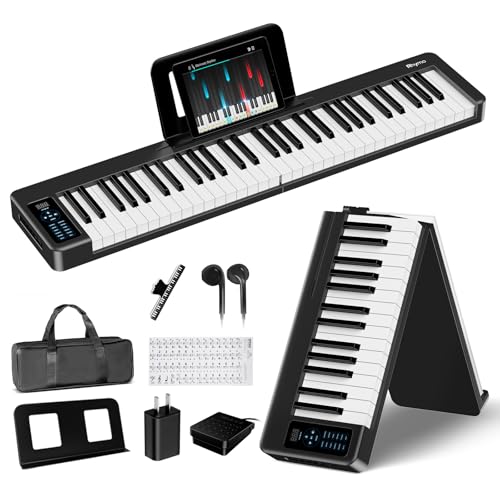
Rhymo Folding Piano Keyboard 61 Keys

KUMENG 88 Key Weighted Desk Digital Piano

Veitob 88 Key Semi Weighted Piano Keyboard
More Details On Our Top Picks
STRICH goes after the feel of a traditional piano, which matters the moment you want practice to carry over to an acoustic instrument. The hammer-action keybed gives you a firmer, more deliberate touch than the lighter semi-weighted options later in this list, and the built-in 2 x 15W speakers give it more room-filling presence for a living room or lesson space.
USB-MIDI support makes it a sensible bridge for computer-based practice, while wireless connection adds a little convenience for app use. The trade-off is size and commitment, since a full 88-key instrument with a heavier action is less grab-and-go than Rhymo’s folding setup. For committed beginners and returning players, that’s usually the point.
Strong Points
- Hammer-action keys give you a piano-like response that helps finger strength and control develop more naturally.
- Two 15W speakers provide enough output for home rooms without making you depend on external audio gear.
- USB-MIDI support opens the door to lessons, software, and recording on a computer.
- The sustain pedal included in the package keeps phrasing more realistic from day one.
Things To Consider
- The full-size format asks for more permanent space than compact or folding options.
- Weighted action can feel demanding to very early starters who want a lighter touch first.
- Wireless and speaker features add convenience, but they do not replace the feel of an acoustic piano.
Feature Card
Who It Suits Best
Committed beginners who want a realistic touch from the start will get the most from this one, especially in a fixed home setup.
A Better Fit Elsewhere
KUMENG 88 Key Semi-Weighted Digital Piano suits first-time players who want a lighter touch before moving to a heavier keybed.
This KUMENG leans into semi-weighted action, meaning the keys sit between a synth-style light touch and a heavier piano mechanism. That middle ground helps a new player build control without the fatigue some people feel from a full weighted board like STRICH.
It suits a desk, a bedroom corner, or a casual practice station where you want a usable 88-key range without extra fuss. The honest read is that lighter key action can be easier at first but less strict for finger training, so it fits early learning better than serious piano mimicry.
What We Like
- Semi-weighted keys offer a gentler start for hands still learning control.
- Full 88-key layout supports proper scale work and two-handed practice.
- The simpler format can suit small rooms better than furniture-style pianos.
Softer Spots
- It gives up some acoustic-like resistance, so advanced touch training feels less strict.
- You may prefer a sturdier visual presence if the keyboard stays in one room.
- Without added furniture details in the listing, the setup feels more straightforward than polished.
Who Should Grab It
New piano starters who want a friendly key feel for daily practice will find this a sensible entry point.
Swap It Out When
Donner OURA S100 makes more sense for you if you want a more styled home piano with a graded hammer feel and pedal setup.
Donner aims this model at home setups that need to look as settled as they sound. The graded hammer keyboard, which uses a progressive resistance feel across the range, is a step toward a more acoustic response than KUMENG’s semi-weighted board, and the three-pedal setup gives you a more complete posture for lessons.
Bluetooth adds a practical link for app-based practice, while the 2 x 10W speakers keep the package compact enough for a home room. Three original demo pieces and a local off mode point to a keyboard built for quiet practice habits, though the visual style and fixed furniture presence make it a less flexible choice than Rhymo’s portable folding unit.
Positives
- Graded hammer action gives you a more piano-like touch across the keyboard.
- Three pedals support more expressive practice and a lesson-friendly setup.
- Bluetooth makes it easier to pair with learning tools or playback apps.
- The black finish keeps the instrument visually calm in a living space.
Worth Noting
- The furniture-style format asks for a dedicated spot at home.
- Two 10W speakers are usable for practice, though larger rooms may want more output.
- The more substantial look suits permanent placement better than moving around often.
At A Glance
Right Fit For
Home players who care about both room presence and a more traditional playing response will feel at home here.
Look Elsewhere When
STRICH 88 Keys Weighted Keyboard suits you better if speaker power and a stronger all-round practice feel matter more than visual furniture styling.
UISCOM puts together a more complete starter station than the plain-board options earlier in the list. You get an 88-key semi-weighted keyboard, wooden stand, triple pedal, music stand, headphones, music clips, a cover, and key stickers, so the package handles lessons, quiet practice, and storage more cleanly.
That bundle matters in a busy home because it removes a lot of accessory hunting. The compromise is that semi-weighted keys still feel lighter than the heavier STRICH or Donner actions, so this suits convenience first and strict piano realism second.
Upsides
- The included stand and pedal set make the setup feel finished from the start.
- Headphones support quiet practice in apartments, shared rooms, or late evenings.
- Key stickers can help early note learning without extra add-ons.
- The broader bundle reduces piecing together a practice station one part at a time.
Room For Improvement
- Semi-weighted action feels easier than a weighted board, but less strict for technique work.
- More accessories mean more pieces to store and keep organized.
- The package is aimed at setup convenience, not compact portability.
Best Suited To
Beginners who want a ready-to-use home package rather than a bare keyboard will get the most value here.
Reach For A Different Pick When
Veitob 88 Key Semi Weighted Piano Keyboard suits you better if you want a similarly bundled setup with a carry case for moving between rooms or lessons.
This UISCOM takes a more furniture-like path, with a wooden desk form and triple-pedal layout that suits a dedicated practice corner. The source highlights a French Dream5704 sound chip, which means the internal tone generation is built around a named sound engine rather than a generic catchall design.
That matters most for home players who want a more settled look and a deeper feature set than the compact beginner boards. Compared with the lighter KUMENG semi-weighted model, this one aims at a more substantial playing habit, though the trade-off is that it asks for more room and less rearranging.
Reasons To Buy
- The weighted feel suits players who want a firmer response under the fingers.
- Triple pedals expand expressive control for pieces that need sustained phrasing.
- The wooden desk design looks at home in a study or living room.
- Eight tones and 40 demo songs add variety for practice and exploration.
Small Caveats
- The desk-style build works best in a fixed space.
- More substantial furniture can be harder to shift around once assembled.
- The sound library is focused enough for practice, but not a giant feature dump.
Whose Shelf It Belongs On
Home learners who want a traditional-looking digital piano with a real furniture presence will appreciate this most.
A Better Fit Elsewhere
Donner OURA S100 suits you better if Bluetooth and a more minimalist modern look matter more than the wood-desk presentation.
Rhymo solves a different problem from the full-size boards: it folds, which makes transport and storage much easier in cramped rooms or packed schedules. The 61-key layout is enough for practice fragments, melody work, and casual learning, and Bluetooth MIDI gives you a useful bridge to compatible music apps or software.
The trade-off is obvious, though not a flaw, because 61 keys can feel short once you start tackling wider piano pieces. Compared with the heavier 88-key picks, it fits commuters, students, and apartment setups that care more about mobility than full repertoire range.
Highlights
- Foldable design makes it easier to store in tight spaces.
- Bluetooth MIDI supports app-based practice and digital workflows.
- The 61-key format keeps it lighter for moving between rooms.
- Its portable focus suits travel, dorm living, and small apartments.
Points To Note
- Sixty-one keys limit broader classical repertoire and two-handed expansion.
- Portable keyboards often ask more from an external stand or table.
- Bluetooth features depend on the apps and devices you pair with it.
Made For
Portable practice, travel, and small-space learning make the strongest case for this keyboard.
Another Choice May Suit
KUMENG 88 Key Weighted Desk Digital Piano suits you better if you need a full-size layout that stays put in a home office or bedroom.
KUMENG’s desk-conversion idea is clever for spaces that have to serve double duty. You get a full-size weighted keyboard that can sit like a normal practice instrument, then shift into a work-desk role for home offices, dorm rooms, or apartments where every square foot matters.
That versatility makes it distinct from the more fixed furniture pianos in this list, including the UISCOM desk model. The flip side is that a dual-use design needs you to be comfortable with a hybrid setup, so it feels smartest for space-conscious homes rather than players chasing a classic piano silhouette.
Best Bits
- Weighted keys support a more serious practice feel than lighter starter boards.
- The desk conversion helps one room handle more than one job.
- Full 88-key range keeps lesson material and scales fully open.
Areas To Watch
- The desk concept only works well when your room layout can support it.
- Weighted action feels more demanding than semi-weighted choices.
- You may prefer a more traditional stand-and-pedal look for a music room.
Feature Rundown
The Right Fit
Space-conscious households that still want full-size weighted practice will get a lot out of this layout.
Where A Sibling Pick Shines
STRICH 88 Keys Weighted Keyboard suits you better if the priority is stronger built-in sound and a more traditional practice-first stance.
Veitob lands near the top of the bundle-heavy end of this roundup. Along with the 88-key semi-weighted keyboard, you get a sustain pedal, power supply, stand, carrying case, headphones, USB-MIDI compatibility, and a wide set of tones, rhythms, demos, and dual-keyboard mode.
That mix is useful for a beginner who wants a single package rather than a pile of separate accessories. The semi-weighted feel is easier than a full hammer-action board like STRICH or Donner, so it suits early comfort and portability more than strict acoustic imitation.
Positives
- The accessory bundle covers setup, storage, and quiet practice in one go.
- USB-MIDI compatibility adds a path toward software or app practice.
- The carrying case makes it easier to move the keyboard between spaces.
- Dual-keyboard mode and the larger sound set add room to explore.
Minor Gripes
- Semi-weighted action keeps the feel approachable, but not as piano-like as heavier keys.
- More included pieces mean more parts to keep organized.
- The bundle is broad, so the core keyboard feel matters most to long-term progress.
Built With In Mind
Beginners who want a ready-made kit for home practice and moving around the house will benefit most.
Where Shoppers Go Wrong
KUMENG 88 Key Semi-Weighted Digital Piano is the cleaner fit if you want a simpler starter board without as many bundled extras.
What Matters Most Before Choosing Beginner Weighted Keyboards
Key Feel Comes First
Weighted and semi-weighted keys shape how your hands learn, so the feel should match your practice goal. Heavier action helps build a more piano-like touch, while semi-weighted boards feel easier for early sessions.
Space Changes The Best Fit
A full 88-key keyboard usually needs a fixed corner, a stand, and room for pedals. Folding or desk-style designs work better in apartments, shared rooms, or home offices that have to do double duty.
Sound And Connectivity Matter Too
Built-in speakers keep practice simple, but output strength and tone variety change how satisfying the keyboard feels at home. USB-MIDI and Bluetooth matter most when you plan to use apps, recording software, or guided lessons.
A Quick Reality Check
Common Shopping Slip Ups
Some shoppers focus only on key count and forget the action type, which changes the whole learning experience. Others overlook room size and end up with a setup that dominates the space.
What The Higher Tier Buys
More expensive models usually bring a heavier key mechanism, stronger cabinetry, or a fuller pedal layout. That upgrade makes sense when you want a setup that feels closer to a real piano and stays in place long term.
Frequently Asked Questions
What does weighted action mean?
Weighted action means the keys resist your fingers more than a lightweight synth keyboard. That extra resistance helps the hands learn control and dynamic playing.
Is semi-weighted good for a first keyboard?
Semi-weighted works well for early practice because it feels easier under the fingers. You may outgrow it sooner than a heavier action board.
Do 61-key keyboards work for learning piano?
They work for basic songs, hand coordination, and portable practice. Full 88-key models suit broader lesson material and more complete repertoire.
Why do some beginner keyboards include pedals and stands?
Those extras create a more complete practice station at home. They also reduce the need to piece together accessories later.
Should you choose Bluetooth or USB-MIDI?
Bluetooth suits casual app use and quick pairing. USB-MIDI is better when you want a more direct link to a computer or software setup.
