


Battery life matters most on gaming laptops when you move between classes, commute by train, or game away from the wall for a few hours. That means you’re usually balancing three things at once: performance, display quality, and how much weight you want to carry.
The six picks below cover that middle ground in different ways, from fuller-featured ASUS models to leaner Acer and Nitro options. Some lean toward stronger hardware, while others make more sense for everyday portability and lighter charging habits.
Quick Look At The Shortlist

ASUS ROG Strix G16 (2025) Gaming Laptop 16” FHD+ 165Hz RTX 5060

ASUS ROG Strix G16 (2025) Gaming Laptop 16” FHD+ 165Hz RTX 5050
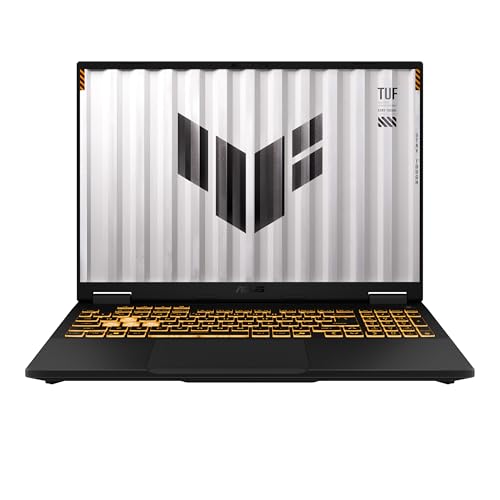
ASUS TUF Gaming F16 (2025) Gaming Laptop 16” FHD+ 165Hz RTX 5050

ASUS TUF Gaming F15 (2023) Gaming Laptop 15.6” FHD 144Hz RTX 4050

acer Nitro V Gaming Laptop i5-13420H RTX 4050

Acer Nitro V 16S AI Gaming Laptop Ryzen 7 260 RTX 5060
More Details On Our Top Picks
The higher-end Strix G16 makes sense for you when gaming is the main event and battery life only has to get you through a few meetings or a lecture block. The 16-inch 16:10 panel, 165Hz refresh rate, and 3ms response time point to a machine built for smooth motion, while the Core i7 HX-class chip and RTX 5060 give it more muscle than the lighter entries below.
The trade-off is easy to see: stronger hardware usually means more demand on the battery, so this is less about all-day unplugged use and more about a laptop that stays fast when plugged in and still travels better than a desktop replacement. You’ll also appreciate the 1TB Gen 4 SSD and Wi-Fi 7 support, especially for large game libraries and crowded dorm networks.
Strong Points
- RTX 5060 graphics give you room for demanding games and heavier creative work.
- The 16:10 display format adds a little extra vertical space, which helps in spreadsheets and long web sessions.
- 1TB of Gen 4 storage suits a larger game library without constant cleanup.
- Wi-Fi 7 is useful in busy homes where network congestion can be annoying.
Things To Consider
- The stronger parts stack up against longer unplugged sessions.
- A 16-inch chassis is not the easiest fit for very small bags.
Who It Suits Best
Dedicated gamers who want a fast screen and stronger graphics in a single machine will get the most from this one.
Where A Sibling Pick Shines
ASUS ROG Strix G16 (2025) Gaming Laptop 16” FHD+ 165Hz RTX 5050 suits you better when you still want the same family feel but can live with a step down in graphics demand.
This Strix keeps the same 16-inch shape as the stronger sibling, but the Core i5-13450HX and RTX 5050 point you toward a more practical balance for everyday gaming. That matters for you if your day mixes class notes, work tabs, and a few evening matches, because the machine should feel less overbuilt while still staying firmly in gaming-laptop territory.
Compared with the RTX 5060 model above, you give up some headroom, yet you keep the 16GB DDR5 memory, 1TB PCIe Gen 4 SSD, and Wi-Fi 7 connectivity. The honest read is that this one makes more sense for mixed use than for pushing graphics settings to the edge every night.
Highlights
- The 1TB SSD gives you a roomy base for game installs and school files.
- DDR5 memory helps the system feel responsive during multitasking.
- The 165Hz panel suits fast-paced games and smoother desktop scrolling.
- Wi-Fi 7 helps in environments where many devices share one network.
Room For Improvement
- Battery life will still follow the habits of a performance-first laptop.
- The larger chassis adds bulk compared with slimmer everyday notebooks.
Made For
Students and casual gamers who want one machine for work and play will find the balance easy to live with.
A Better Fit Elsewhere
Acer Nitro V 16S AI Gaming Laptop Ryzen 7 260 RTX 5060 makes more sense for you if you want the stronger graphics jump and the 32GB memory ceiling.
The TUF F16 takes a more restrained path than the Strix models, and that makes it easier to place in a real routine. You still get the 16-inch 165Hz panel, the Core i5-13450HX, and RTX 5050 graphics, but the 512GB SSD signals a more careful storage plan, which suits you if you mostly rotate a few favorites instead of keeping a huge library installed.
Its Wi-Fi 6E support is plenty for most homes, though it does not reach the newer Wi-Fi 7 level found on the Strix pair. The lighter storage load can also keep maintenance simple, since you’re less likely to spend weekends deleting unused installs just to make room for patches.
Upsides
- The 16:10 panel gives you a useful bit of extra vertical room.
- RTX 5050 graphics cover mainstream gaming without pushing the platform too far.
- 512GB storage is a tidy starting point for a smaller game collection.
- Wi-Fi 6E handles everyday home and campus networks well.
Points To Note
- Storage fills sooner than on the 1TB models above.
- Wi-Fi 6E is a step behind the newer wireless option in the Strix line.
Right Fit For
You’ll appreciate this most as a straightforward gaming laptop for dorms, apartments, and shared spaces.
Swap It Out When
ASUS ROG Strix G16 (2025) Gaming Laptop 16” FHD+ 165Hz RTX 5050 suits you better if you want the same general lane with Wi-Fi 7 and more storage.
The older TUF F15 feels more grounded than the newer 16-inch models, and that can work in your favor if you want a smaller screen and a simpler daily carry. Its 15.6-inch 144Hz panel with 100% sRGB color should feel more than enough for games, schoolwork, and light creative editing, especially when you care about display consistency more than flashy extras.
Against the F16 above, you give up the taller 16:10 canvas and newer wireless support, but the 15.6-inch format is easier to slide into a backpack. There’s a mild trade-off in memory type too, since this one uses DDR4 rather than DDR5, though many everyday gaming setups will still find that perfectly serviceable.
Bright Spots
- 15.6-inch sizing makes it easier to carry than the larger 16-inch picks.
- 100% sRGB color helps the display feel more dependable for visual work.
- RTX 4050 suits mainstream gaming and keeps the setup familiar.
- 512GB PCIe storage gives you a sensible start without unnecessary bulk.
Small Caveats
- DDR4 memory is a step behind the newer RAM in the 2025 machines.
- Wi-Fi 6 is fine, though it trails the faster wireless options above.
The Right Fit
You should look here for a dependable all-round laptop that still feels manageable on the move.
Look Elsewhere When
ASUS TUF Gaming F16 (2025) Gaming Laptop 16” FHD+ 165Hz RTX 5050 suits you better if you want the newer 16:10 panel and DDR5 memory.
The Nitro V is the most straightforward entry here, and that simplicity can be useful for you if the goal is to keep the upfront hardware shape modest. An Intel Core i5-13420H, RTX 4050, 15.6-inch 144Hz IPS display, and 512GB Gen 4 SSD form a familiar starter mix that should handle everyday gaming without asking for much setup thought.
Compared with the ASUS models above, the leaner 8GB DDR5 memory is the clearest limitation, especially for multitasking during busy school days or while juggling game launchers and browser tabs. On the plus side, the backlit keyboard and lighter spec sheet make it a sensible first gaming laptop, though you may want to keep storage habits tidy sooner rather than later.
Reasons To Buy
- The 15.6-inch 144Hz IPS screen fits a lot of everyday gaming use.
- RTX 4050 gives you a recognizable entry point into PC gaming.
- Backlit keys help in dim rooms or late-night study sessions.
- The spec set stays simple, which can make setup feel less fussy.
Areas To Watch
- 8GB memory is the first thing you’ll outgrow for heavier multitasking.
- 512GB storage can fill quickly once a few large games are installed.
- The lighter hardware mix is less suited to demanding settings.
Whose Shelf It Belongs On
First-time gaming laptop shoppers and budget-minded students will get the clearest value from this one.
Another Choice May Suit
ASUS TUF Gaming F15 (2023) Gaming Laptop 15.6” FHD 144Hz RTX 4050 is a smarter fit if you want 16GB memory right away.
This Nitro V 16S sits in a nicer place than the plain Nitro V above, because the Ryzen 7 260, RTX 5060, 32GB of DDR5, and 1TB SSD give you more breathing room for heavier gaming and a busier desktop. The 16-inch WUXGA display, which is a 1920 x 1200 class panel, also gives you that taller work area that helps with timelines, docs, and long feeds.
Battery-minded shoppers should still treat it like a performance laptop first, but the slim body makes the carrying part less awkward than many bigger gaming rigs. That balance is the draw here: stronger internal parts, plenty of memory, and a shape that still fits travel better than a chunky desktop substitute.
Best Bits
- 32GB memory is a big comfort if you keep many apps open.
- 1TB SSD gives you more room before cleanup becomes routine.
- The 16-inch WUXGA panel adds useful vertical space for work and play.
- RTX 5060 lifts the performance ceiling above the RTX 4050 models.
Softer Spots
- The stronger configuration will still ask more from the battery than lighter notebooks.
- Wi-Fi 6 is solid, though not as current as the Wi-Fi 7 Strix models.
Built With In Mind
You’ll like this most if you want a portable gaming laptop that can also handle heavy multitasking.
Reach For A Different Pick When
acer Nitro V Gaming Laptop i5-13420H RTX 4050 makes more sense for you if your main goal is a simpler starter machine.
What Matters Most Before You Choose
Wrong Turns To Avoid
Battery life on gaming laptops usually falls fastest when the display is large, the graphics chip is strong, and the chassis is built for high refresh rates. A 16-inch panel can be great for play, but it also means more surface area to power.
The Upgrade Payoff
Higher-tier models make sense when you want more memory, larger SSDs, and better room for multitasking. That extra headroom costs more because it reduces slowdown, storage management, and the urge to replace the machine early.
A Quick Reality Check
Mistakes Worth Dodging
Do not judge these machines by graphics power alone. A laptop with a bigger GPU can still feel annoying on the move if storage is tight or the memory starts out too small.
Where The Extra Money Goes
Spending up usually gets you better balance: faster storage, more RAM, newer wireless support, and a screen that fits both games and daily work. That mix matters most for commuters and campus use, where unplugged time and convenience both count.
Frequently Asked Questions
Which specs matter most for battery life?
Screen size, refresh rate, and GPU class usually matter most. Larger, faster displays tend to draw more power.
Do gaming laptops with bigger batteries always last longer?
Not always, because the rest of the hardware still shapes runtime. A strong GPU and bright 165Hz panel can shorten unplugged use quickly.
Is 16GB memory enough for gaming and school work?
Yes, 16GB covers most mainstream gaming and multitasking needs. Heavier browser use and editing apps feel better with more.
Should you choose 15.6-inch or 16-inch for travel?
15.6-inch models are usually easier to slip into a bag. 16-inch screens feel better for long sessions and split-screen work.
What storage size feels practical for most gamers?
1TB gives you more breathing room for modern game installs. 512GB works, but you’ll manage space more often.
