


Gaming notebooks at this level ask you to make trade-offs, so the smart move is to match the chip, graphics card, screen, and memory to how you actually play. You do not need a giant feature list, you need the right balance of motion, thermals, and storage for evenings at home, campus downtime, or a desk that also handles work.
The Shortlist At A Glance

ASUS ROG Strix G16 (2025) Gaming Laptop, 16” FHD+ 16:10 165Hz/3ms, NVIDIA® GeForce RTX™ 5050, Intel® Core™ i5-13450HX, 1
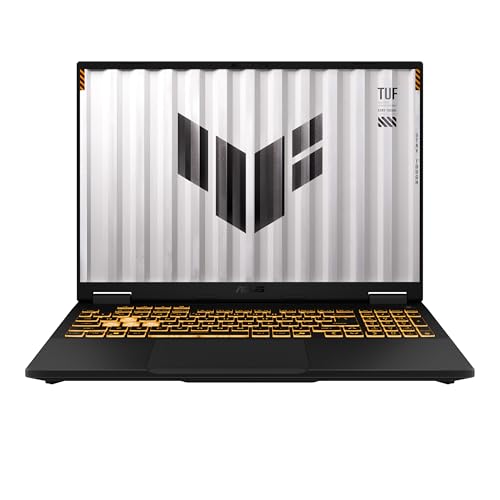
ASUS TUF Gaming F16 (2025) Gaming Laptop, 16” FHD+ 165Hz 16:10 Display, Intel® Core™ i5 Processor 13450HX, NVIDIA® GeFor

acer Nitro V Gaming Laptop | Intel Core i5-13420H Processor | NVIDIA GeForce RTX 4050 Laptop GPU | 15.6′ FHD IPS 144Hz D
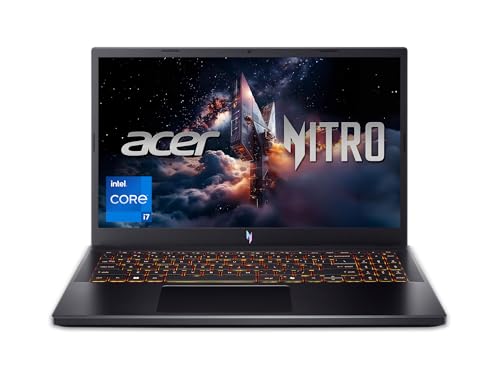
Acer Nitro V Gaming Laptop | Intel Core i7-13620H Processor | NVIDIA GeForce RTX 4050 Laptop GPU | 15.6′ FHD IPS 165Hz D

msi Katana 15 HX 15.6” 165Hz QHD+ Gaming Laptop: Intel Core i9-14900HX, NVIDIA Geforce RTX 5070, 32GB DDR5, 1TB NVMe SSD

Acer Nitro V 16S AI Gaming Laptop | AMD Ryzen 7 260 Processor | NVIDIA GeForce RTX 5060 Laptop GPU (572 AI Tops) | 16′ W

Alienware 16 Aurora Gaming Laptop, RTX 5050, Intel Core 7 240H
ASUS TUF Gaming F16 Gaming Laptop, 16” FHD+ 144Hz IPS-Level 16:10 Display, Intel® Core™ 5 210H, NVIDIA® GeForce RTX™ 405
More Details On Our Top Picks
The Strix G16 fits the shopper who wants a stronger gaming frame without drifting into oversized territory. A 16:10 165Hz display gives you extra vertical space and smoother motion, while the RTX 5050 and Core i5-13450HX point to a setup built for modern games, school work, and daily use in the same machine.
The 1TB PCIe Gen 4 SSD is a useful anchor here, because larger game installs and media files stop crowding the system so quickly. Compared with the TUF F16 models below, this one leans more into higher-refresh polish and a more assertive gaming identity, though it still makes sense most for desktop-style use rather than constant travel.
Strong Points
- 165Hz panel suits fast motion in shooters and racing games.
- 16:10 format gives you more room for menus and timelines.
- 1TB SSD leaves breathing space for larger game libraries.
- DDR5 memory helps the system stay responsive in multitasking.
Things To Consider
- The gaming-first build can feel less subtle in shared spaces.
- Wi-Fi 7 is forward-looking, but your network has to match it.
- That kind of hardware usually makes more sense on a desk than on a long commute.
Feature Card
Who It Suits Best
Competitive and all-around gamers who also use the laptop for daily desktop work get the most from this setup.
A Better Fit Elsewhere
MSI Katana 15 HX suits you better when you want a stronger CPU and GPU pairing for heavier game settings.
Compared with the Strix above, this TUF F16 feels more straightforward, which is part of its appeal. The 165Hz 16:10 display keeps motion smooth, and the Core i5-13450HX plus RTX 5050 pairing lands in the sweet spot for shoppers who want gaming first without chasing a flashy chassis.
Wi-Fi 6E gives you broader compatibility with current routers, and the 512GB PCIe Gen4 SSD is fine for a tighter library, though heavy installers will notice the limit sooner. The honest read is that this suits dorm desks and shared rooms better than the more upscale Strix, especially for steady play and homework in one machine.
What We Like
- 165Hz refresh keeps action feeling fluid in fast titles.
- 16:10 screen shape helps with browsing and document work.
- Wi-Fi 6E is a practical match for current home networks.
- Embossed TUF styling stays restrained rather than loud.
Softer Spots
- 512GB storage fills up quickly once large games stack up.
- The design language is functional, not especially premium.
Made For
Students and everyday gamers who want a sensible blend of speed, display smoothness, and simple design should feel at home here.
Another Choice May Suit
ASUS ROG Strix G16 (2025) fits you better when you want a larger SSD and a more aggressive gaming feel.
Budget-minded gaming usually means accepting a few limits, and this Nitro V makes those limits plain. You get a 15.6-inch IPS display at 144Hz, the RTX 4050, and a Core i5-13420H, which is enough for modern play at sensible settings and for everyday tasks after class or after work.
The 8GB DDR5 memory is the main pressure point, because multitasking and heavier games can outgrow it faster than the rest of the hardware. Still, compared with the ASUS TUF F16 options, this Acer keeps the entry cost logic cleaner, so it suits a first gaming laptop more than a long-term desktop replacement.
Reasons To Buy
- 144Hz IPS panel gives you smoother motion than a basic 60Hz screen.
- RTX 4050 is a sensible step into current PC gaming.
- Backlit keyboard helps in dim rooms and late study sessions.
Areas To Watch
- 8GB memory is modest for heavy multitasking.
- 512GB storage may call for outside storage sooner than you’d like.
- The smaller spec set means fewer headroom reserves than the higher-ranked picks.
Who Will Love This
First-time gaming laptop shoppers and lighter players get the most straightforward value from this spec mix.
Swap It Out When
Acer Nitro V Gaming Laptop i7-13620H RTX 4050 suits you better once you want more memory and a larger SSD.
This Nitro V keeps the same basic shape as the earlier Acer, but the parts mix is more comfortable for longer ownership. The jump to 16GB DDR5 and a 1TB Gen 4 SSD matters in real life, because modern games, recorded clips, and a few work apps stop fighting for space so quickly.
The 165Hz screen also gives you a cleaner fit for fast-moving play than the 144Hz panel on the cheaper Nitro V. You may still want to think of it as a desk-friendly machine rather than a travel notebook, yet that trade-off makes sense for gamers who keep a few big installs on hand.
Upsides
- 16GB memory is a better floor for gaming and multitasking.
- 1TB SSD gives you room for a fuller install library.
- 165Hz panel adds a little extra smoothness for action games.
- Core i7-13620H offers more breathing room for background tasks.
Small Caveats
- The RTX 4050 is still the graphics ceiling, so settings still matter.
- It remains a fairly large desktop-style notebook.
Right Fit For
Gamers who keep several titles installed and also juggle streaming, schoolwork, or creative apps will appreciate the added space.
Where A Sibling Pick Shines
ASUS ROG Strix G16 (2025) is the better call when you want a more premium-feeling gaming chassis.
The Katana 15 HX is where the list starts leaning into higher-end parts instead of just sensible balance. A Core i9-14900HX, RTX 5070, 32GB of DDR5 memory, and a 1TB NVMe SSD give you a lot of room for demanding games and heavy multitasking.
The QHD+ 165Hz display is the other big draw, since sharper-than-FHD detail can make menus, text, and open-world scenes feel more refined. That said, this kind of hardware makes the most sense for gamers who want a stronger desktop replacement, not a light travel companion, and it sits in a different tier from the Acer Nitro V models.
Highlights
- Core i9 CPU is built for heavier game loads and background work.
- RTX 5070 gives you more headroom than the RTX 4050 class.
- 32GB memory is generous for multitasking and content work.
- QHD+ resolution sharpens the image without sacrificing refresh rate.
- 1TB NVMe storage handles large installs with less juggling.
Worth Noting
- The higher-end parts make it a more desk-centered machine.
- QHD+ can ask more of the graphics chip than standard FHD.
Built With In Mind
Power users who split time between gaming, creation, and heavy multitasking get the clearest payoff here.
A Better Fit Elsewhere
ASUS TUF Gaming F16 (2025) makes more sense when you want a simpler, less expensive-feeling gaming notebook.
This Nitro V 16S is the most rounded portable-style option in the group. The 16-inch WUXGA IPS panel runs at 180Hz, the RTX 5060 steps above the 4050 models, and the 32GB DDR5 memory makes the whole setup feel more comfortable for gaming plus everything else you keep open.
The Ryzen 7 260 is a current-generation CPU choice, and the 1TB Gen 4 SSD means you get useful room right away. Compared with the bulkier MSI Katana, this Acer looks better suited to someone who still carries a laptop often, though the trade-off is a less overtly premium gaming identity.
Bright Spots
- 180Hz display keeps motion very smooth for fast games.
- 32GB memory is unusually roomy in this price band.
- 16-inch WUXGA format gives you a practical balance of size and sharpness.
- RTX 5060 gives you a meaningful step up from RTX 4050 models.
Points To Note
- The larger screen helps immersion, but it can still feel big in a backpack.
- Wi-Fi 6 is solid, though not the newest wireless tier.
The Right Fit
Mobile gamers who still want strong memory capacity and a fast panel are the best match for this one.
Look Elsewhere When
MSI Katana 15 HX suits you better when raw CPU and GPU weight matter more than portability.
The Aurora leans on design as much as hardware, and that matters when your gaming laptop also lives on a desk between classes or meetings. The anodized aluminum lid and 16-inch WQXGA panel give it a cleaner, more polished feel than the plastic-heavy crowd, while the 120Hz display still keeps motion comfortably smooth.
The Core 7 240H and RTX 5050 sit in the same broad performance lane as several other picks here, so the draw is really the chassis and display balance. That trade-off is easy to understand, though you may find the 120Hz panel a little less quick-looking than the 165Hz and 180Hz options above.
Best Bits
- Anodized aluminum lid gives the machine a more refined presence.
- WQXGA resolution offers more workspace than standard FHD.
- 300-nit display brightness helps in brighter rooms.
- 120Hz refresh still keeps day-to-day gaming smooth.
Room For Improvement
- 120Hz is solid, but it trails the faster refresh panels in this list.
- Only the listed core parts are visible here, so the fit depends more on design preference.
Perfect Match For
Style-conscious gamers who want a cleaner look and a sharper panel for mixed use should look here first.
Skip It When
Acer Nitro V 16S AI suits you better when you want a faster 180Hz screen and more memory headroom.
This TUF F16 keeps the formula simple, and that makes it easy to place. The Core 5 210H, RTX 4050, and 16GB DDR5 memory cover the basics for current games and everyday work, while the 16-inch FHD+ 144Hz IPS-level panel keeps motion smooth enough for action-heavy play.
Compared with the RTX 5050 and RTX 5060 machines above, this one is the easier-going option for everyday ownership. The 512GB PCIe Gen4 SSD is workable, though bigger titles will eat that space, so it suits a cleaner library and a more modest setup rather than a cluttered install list.
Positives
- 144Hz panel is a good fit for smooth casual and competitive play.
- 16GB memory is a more comfortable floor than 8GB options.
- 16:10 screen shape helps with browsing and split work windows.
- The TUF line usually leans toward practical, easy-to-live-with design.
Minor Gripes
- 512GB storage fills up fast once a few large games are installed.
- RTX 4050 is fine, but it sits below the stronger cards in this list.
Whose Shelf It Belongs On
Everyday gamers who want a straightforward notebook for play, class, and normal use are the best match here.
Reach For A Different Pick When
ASUS ROG Strix G16 (2025) makes more sense when you want a larger SSD and a more performance-focused setup.
What Matters Most Before You Choose Gaming Laptops Under 13000
Screen, Refresh, And Size
A 144Hz panel is the floor that keeps fast games feeling responsive, while 165Hz and 180Hz add a little more polish for shooters and racing titles. A 16:10 screen gives you taller workspace than a plain 16:9 panel, which helps when you split windows or scroll through long pages.
GPU And CPU Balance
The graphics chip usually drives the game settings you can comfortably use, while the processor decides how well the system handles launching, multitasking, and background apps. RTX 5050 models make sense for sensible modern play, RTX 5060 pushes farther, and RTX 5070 plus a stronger CPU is where heavier game loads start to feel easier.
Memory And Storage Fit
16GB memory is the practical floor for most gaming setups here, and 32GB is the more relaxed choice for streaming, creation, or keeping plenty open at once. Storage matters just as much, because 512GB can feel tight after a few large installs, while 1TB gives you breathing space for a fuller library.
Build Style And Daily Use
A sturdier chassis and larger cooling layout often suit desk-based play, while slimmer notebooks make more sense for carrying between rooms or campuses. The better question is not which model looks flashiest, but which one matches your desk space, backpack, and game library.
A Closer Look At The Trade-Offs
Wrong Turns To Avoid
A fast screen does not fix a weak memory setup, and a strong GPU does not make 512GB storage feel larger. Match the parts to your routine, or you end up with a machine that feels lopsided in daily use.
The Upgrade Payoff
Higher-tier models cost more because they usually combine stronger GPUs, more memory, larger SSDs, and better panels in one chassis. That extra spend makes sense for long play sessions, heavier multitasking, and anyone who wants fewer compromises over time.
Frequently Asked Questions
Is 8GB memory enough for gaming laptops in this range?
It works for lighter use, but 16GB is the more sensible floor for most modern gaming. You’ll feel the difference sooner once you keep several apps open or run newer titles.
Does a 144Hz screen matter that much?
Yes, because motion feels smoother than on a basic 60Hz panel. Higher refresh rates matter most in fast shooters, racing games, and any title where quick movement stands out.
Which graphics tier makes the most sense here?
RTX 4050 is the entry point, RTX 5050 is a stronger all-around step, and RTX 5060 or RTX 5070 gives you more room for tougher settings. The right choice depends on how demanding your game list is.
Is 512GB storage enough?
It can work for a smaller library, but big modern games fill it quickly. 1TB is the safer choice for anyone who dislikes juggling installs.
Which laptop fits mixed school and gaming use best?
ASUS TUF Gaming F16 and the Acer Nitro V models make that easier because they keep the formula practical. The sharper, stronger picks are better when gaming is the main job.
