


Loud environments don’t leave much room for focus. Whether you’re running a table saw, mixing a podcast, or practicing drums in a shared house, the right pair of isolation headphones keeps outside sound where it belongs while letting you hear what actually matters. Some of these picks are pure hearing protection, others are studio-grade monitors, and a few blend both worlds with wireless convenience. Below you’ll find ten options sorted by real-world use, from weekend workshop sessions to serious home recording, so you can match the tool to the job instead of guessing.
The Shortlist At A Glance
Koss QZ-99 Noise Reduction Stereophone
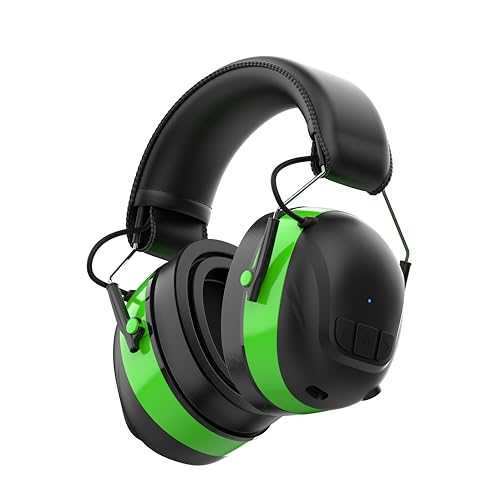
Qozybuds Gel Cushions Bluetooth Ear Muffs
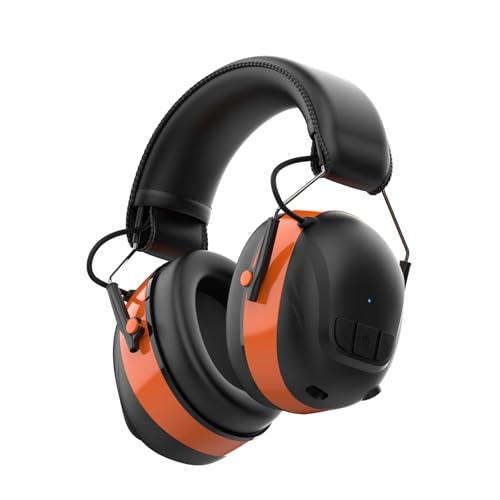
Qozybuds Bluetooth Hearing Protection Headphones

Qozybuds Gel Cushions Bluetooth Ear Muffs
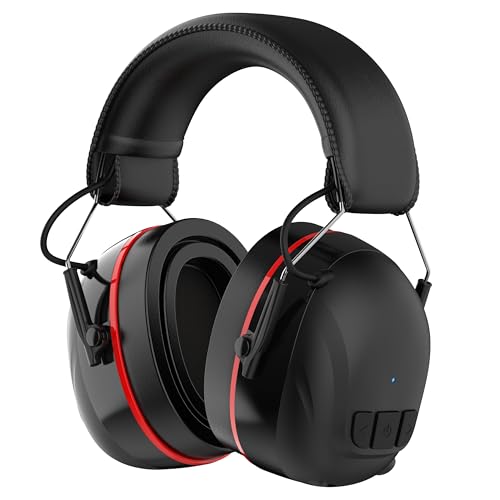
Qozybuds Gel Cushions Bluetooth Ear Muffs

JOYO Studio Monitor Headphones 50mm Drivers (JMH-02)

JOYO Studio Monitor Headphones Wired Over-Ear (JMH-01)

JOYO Wired Semi-Open Studio Monitor Headphones (JMH-03)

TICONN Noise Cancelling Ear Muffs SNR 33dB

Vic Firth Bluetooth Isolation Headphones
A Breakdown Of The Leading Choices
The Koss QZ-99 takes a refreshingly old-school approach: passive noise reduction, no batteries, no pairing screens. That makes it a natural fit next to racing scanners and metal detectors, where you want clear audio and less ambient racket without fiddling with electronics.
The earcup-mounted volume knob is the detail worth noticing. Adjusting level mid-scan without reaching for the source device saves real time, and the long coiled cord stretches across a workbench without snagging.
Strengths Worth Knowing
- Earcup volume control lets you dial levels instantly during use
- Passive design means nothing to charge and fewer failure points
- Stereo/mono switch adds flexibility with scanner-style sources
- Eight-foot coiled cord reaches around a desk or vehicle comfortably
Things To Consider
- No Bluetooth, so phone users will miss wireless convenience
- Padded surfaces can wear down over years of heavy handling
Key Specs
Who It Suits Best
Scanner hobbyists, metal detecting fans, and anyone who wants dependable wired listening with basic noise reduction.
A Better Fit Elsewhere
For loud power-tool work, the TICONN SNR 33dB earmuffs deliver stronger hearing protection than this lighter-duty design.
Anyone who has worn foam-cushioned muffs through a summer afternoon knows the sweaty discomfort that sets in. This Qozybuds model attacks that problem directly with silicone gel cushions that seal well and wipe clean after dusty jobs.
Underneath the comfort story sits a capable spec sheet: Bluetooth 6.0 connectivity, a 30dB SNR rating, and a 1200mAh battery rated for up to 120 hours of use. Bigger-than-usual buttons matter too, since gloved hands struggle with tiny controls.
Features That Help
- Gel-filled silicone cushions resist heat buildup during long wear
- 30dB SNR rating meaningfully quiets saws, sanders, and blowers
- Oversized controls work with gloves on
- Roughly 120-hour battery life covers weeks between charges
Minor Gripes
- Gel pads need occasional wiping to stay hygienic on hot days
- Ear muff styling is bulky compared to regular headphones
Made For
Woodworkers and garage tinkerers who log multi-hour sessions and care about staying cool under the headband.
Where A Sibling Pick Shines
If you mostly mow lawns rather than bench-work, the Qozybuds Bluetooth Hearing Protection Headphones below targets that exact routine.
This is the Qozybuds built squarely around yard and shop routines like mowing, edging, and table-saw work. You get the same 30dB SNR protection and 120-hour battery claim as its gel-cushion sibling, wrapped in an earmuff body aimed at outdoor chores.
In our view the standout is how little attention it demands. Pair once, press the large buttons through gloves, and get on with the task. Music stays audible over engine drone, which is the whole point of this category.
The Value In It
- Bluetooth 6.0 holds a steadier connection across a yard or garage
- 30dB SNR shields hearing near mowers and shop tools
- Large physical buttons suit gloved operation
- Up to 120 hours per charge means seasonal, not weekly, charging
Points To Note
- Plastic shell construction feels less premium than padded metal frames
- Clamping force may feel firm until the band breaks in
At A Glance
Right Fit For
Homeowners who spend weekends behind a mower or in a hobby shop and want audio plus protection in one unit.
Swap It Out When
For maximum noise blocking on a construction site, step up to the TICONN SNR 33dB earmuffs later in this list.
On paper this variant mirrors the earlier Qozybuds gel model closely, and honestly the core experience is similar: gel cushions, glove-friendly buttons, 30dB SNR, and marathon battery life. What tips it toward tradespeople is fast-charging behavior, where a short top-up before a shift buys hours of runtime.
Contractors juggling chargers will appreciate that rhythm. Plug it in over lunch and you’re covered through the afternoon without thinking about it again.
Where It Helps
- 1200mAh battery supports roughly 120 hours between charges
- Quick charging fits short break windows on job sites
- Bluetooth 6.0 streams calls and podcasts reliably
- 30dB SNR suits grinders, compressors, and other loud tools
- Larger buttons remain usable with work gloves on
Worth Bearing In Mind
- Nearly identical to pick two, so choose based on availability
- Over-ear muffs trap warmth in humid conditions
Who Will Love This
Full-time trade workers who need protection plus entertainment across long shifts and irregular charging chances.
Not Your Match When
Studio listeners should look at the JOYO JMH-02 instead, which prioritizes accurate sound over ruggedness.
Summer mowing season is where this third Qozybuds earns its spot. The ABS plastic housing shrugs off knocks and sun exposure better than softer materials, and the sealed silicone cushions keep sweat from creeping into your ears during humid afternoons.
You still get the familiar formula here: Bluetooth 6.0, 30dB SNR, big buttons, and that long-running 1200mAh battery. Owners commonly report the sealing quality is what separates these from cheaper foam-pad muffs in warm weather, and that tracks with how the material behaves.
The Good Stuff
- Silicone seals out sweat during extended hot-weather use
- ABS shell handles bumps and drops in truck beds and sheds
- Same generous battery life as its siblings, up to 120 hours
- Simple button layout avoids menu digging outdoors
Small Caveats
- Cushion seams deserve a quick rinse after dusty, sandy jobs
- Sound tuning favors podcasts and talk radio over critical listening
Who Should Grab It
Landscapers and rural homeowners doing long outdoor sessions in warm climates who value easy cleaning.
Look Elsewhere When
Drummers needing deep isolation for practice belong with the Vic Firth Bluetooth Isolation Headphones at number ten.
Shifting gears from job sites to studios, the JMH-02 plays it honest. Its 50mm neodymium drivers aim for a flat frequency response, which is studio shorthand for sound that doesn’t flatter your mix. Bass isn’t boosted, highs aren’t sweetened, and that’s exactly what you want when deciding whether a vocal sits right.
Passive isolation comes from the closed-back over-ear design, keeping click tracks in and room noise out. Guitarists tracking late at night will find that combination hard to argue with.
Noteworthy Benefits
- Large 50mm neodymium drivers resolve fine mix detail
- Flat 20Hz to 20kHz response reveals mixes as they truly are
- Closed-back cups provide passive isolation for tracking
- Dual 3.5mm and 6.35mm plugs fit amps, interfaces, and mixers
Honest Caveats
- Flat tuning can feel dull next to bass-heavy consumer headphones
- Wired-only, so couch listening requires staying tethered
Feature Snapshot
Whose Shelf It Belongs On
Home recordists, podcast editors, and guitar players who need truthful sound for tracking and rough mixes.
Reach For A Different Pick When
Players wanting extra low-end punch for casual enjoyment may prefer the JMH-01’s warmer character just below.
Compared to the flatter-tuned JMH-02 above, the JMH-01 leans a touch more musical. Its 50mm large-aperture drivers use rare-earth magnets and stretch from 15Hz to 28,000Hz, giving recordings a fuller, more engaging presentation while staying accurate enough for editing work.
The three-meter cable is quietly practical. It reaches a rack-mounted interface or keyboard rig without extensions, something shorter consumer cables constantly fight against.
A Favorable Mix
- Wide 15Hz to 28,000Hz range captures sub-bass and airy highs
- Rare-earth magnet drivers deliver clean, detailed output
- Closed-back cups isolate against household noise
- Three-meter cable suits desktop and rack setups
- Plug-and-play simplicity suits first-time studio builders
Details To Watch
- Fixed cable means a damaged lead ends the headphone’s run
- Entry-level 32-ohm impedance benefits most from a decent source
Who Should Grab It
First-time podcasters and bedroom producers wiring up their initial mixer, interface, or amp rig.
Consider Something Else When
Mixing engineers with dedicated gear should consider the higher-impedance JMH-03 reviewed next for tighter driver control.
The JMH-03 is the grown-up sibling in JOYO’s lineup. Where the JMH-01 and JMH-02 sit at entry-level 32 ohms, this one steps up to 55 ohms, a common impedance for professional monitoring headphones. Higher impedance gives the amplifier finer grip on the driver, which translates into tighter bass and more dynamic headroom.
The semi-open back is the trade-off to understand: imaging opens up beautifully in quiet rooms, but sound leaks more than a closed cup would. Mixing at night next to a sleeping partner gets tricky.
Positive Points
- 55-ohm design rewards quality interfaces and headphone amps
- Extended 15Hz to 28kHz response with precise driver control
- Semi-open acoustics create natural, spacious stereo imaging
- Includes both 3.5mm and 6.35mm connections
Potential Sticking Points
- Leaks audio noticeably in shared or quiet spaces
- Weak sources may underdrive the higher impedance load
Spec Overview
Best Suited To
Mixing enthusiasts with an audio interface or headphone amp working in rooms where leakage isn’t a concern.
Skip It When
Apartment producers recording vocals need closed backs, so the JMH-02 remains the smarter tracking partner.
When raw noise blocking is the mission, the TICONN leads this list’s safety earmuffs. Its SNR 33dB rating tops every Qozybuds model here, and the NRR 26dB figure matters for anyone matching OSHA-style workplace requirements. Construction sites, shooting ranges, and loud travel all fall comfortably within its range.
Comfort doesn’t take a back seat either. Memory foam cushions spread clamping pressure evenly, and the adjustable headband accommodates different head sizes without pinching.
Good Reasons To Consider
- SNR 33dB offers the strongest attenuation among these earmuffs
- NRR 26dB rating suits documented workplace hearing programs
- Memory foam cushions reduce pressure points over long shifts
- Adjustable band fits a wide range of users
A Few Limitations
- No speakers or Bluetooth, purely protective
- Foam pads compress over time and eventually need replacing
Core Details
The Right Fit
Construction crews, shooters, and frequent flyers who want maximum silence with zero electronics to manage.
Another Choice May Suit
Workers wanting music alongside protection should pick the Qozybuds Bluetooth Hearing Protection Headphones instead.
Vic Firth built its reputation on drumsticks, and that pedigree shows in these isolation headphones. They’re designed around practice-room realities: strong over-ear isolation to tame acoustic kits, plus Bluetooth so you can stream backing tracks or a metronome app from across the room without a cable catching your hi-hat stand.
Detailed manufacturer specs are thin on the listing, so treat the fundamentals as the story: wireless over-ear isolation from a brand drummers already trust. That’s enough for most practice setups, though buyers wanting published dB figures should lean on the measured options above.
The Case For It
- Bluetooth frees drummers from tangled cables around the kit
- Over-ear isolation suits loud acoustic practice environments
- Brand familiarity within the percussion community
Where It May Fall Short
- Fewer published technical specs than competing models
- Over-ear shells add bulk inside a stick bag
Right Fit For
Student and hobbyist drummers practicing along with streamed tracks in apartments and shared houses.
Where A Sibling Pick Shines
Shop-based users needing verified noise ratings will find the TICONN SNR 33dB earmuffs the safer documented choice.
What Matters Most Before Choosing Isolation Headphones
Match The Tool To The Noise
Start with the environment, not the gadget. A 26 to 30dB rating handles mowers and shop tools, while construction-level noise pushes you toward 33dB and up. Studio users face the opposite problem: they need isolation light enough to hear their own playing or singing naturally.
Getting this wrong cuts both ways. Too little protection risks your hearing over repeated exposure, and too much leaves you shouting to be heard on a job site.
Wired Versus Wireless Trade-Offs
Wired models like the JOYO monitors never need charging and plug into anything with a jack. Battery-powered earmuffs buy freedom of movement but add charging to your routine. Daily commuters and contractors usually prefer wireless, while fixed-studio setups rarely miss it.
Comfort Decides Long Sessions
Cushion material matters more than most shoppers expect. Gel and memory foam distribute pressure differently, and clamp force determines whether hour three feels fine or punishing. Heavier heads benefit from wider, softer pads and adjustable bands.
Impedance And Source Matching
Impedance, measured in ohms, describes how much power headphones demand. Low-impedance models run happily from phones and laptops, while 55-ohm designs like the JMH-03 reveal their best behavior through an interface or headphone amp.
A Few Things Worth Keeping Straight
Wrong Turns To Avoid
The classic slip is buying studio monitors for hearing protection, or safety earmuffs expecting hi-fi sound. These categories overlap in looks but not in purpose. Check the noise rating before trusting any earmuff on a loud site, and confirm connector types before ordering wired studio cans for gear without the right jack.
What The Higher Tier Buys
Pricier models generally pay for better drivers, higher-quality cushioning, and refined acoustic designs such as semi-open backs or elevated impedance. Casual listeners rarely notice those gains. Dedicated mixers and daily trade workers absolutely do, which makes the upgrade sensible only when the usage is regular.
Frequently Asked Questions
Do isolation headphones block all sound?
No, they reduce sound by a measurable amount rather than removing it entirely. Passive isolation typically trims somewhere in the 25 to 35dB range depending on the model and fit.
Are noise-isolating and noise-cancelling the same thing?
Noise isolating relies on physical sealing with padding and closed cups, while active cancelling uses microphones and opposing sound waves. Isolating designs need no power and handle steady, broad-band noise very well.
Can earmuff-style headphones replace hearing protection at work?
Only models carrying published ratings like NRR or SNR are appropriate for regulated settings. Always verify the rating matches your workplace requirements before relying on any pair.
Will high-impedance studio headphones work plugged into a phone?
They’ll play, but often at reduced volume with less control over the drivers. A headphone amp or audio interface brings out their intended performance.
How long do earmuff cushions last?
Foam and gel pads gradually compress and lose their seal with regular use, commonly within a couple of years. Replacing worn cushions restores both comfort and noise blocking.
Conclusion
Your loudest problem should point to your pick. Job sites call for the TICONN’s 33dB rating, weekend mowing suits any of the Qozybuds earmuffs, and honest mixing belongs to the JOYO family, whether that’s the beginner-friendly JMH-01 or the amp-fed JMH-03. Drummers get a trusted name in the Vic Firth pair, and scanner hobbyists keep things simple with the Koss. Start with your noise, then let the specs sort themselves out.
