


School days mean tablets, language apps, and shared desks, and the headphones that come bundled with most devices rarely survive a semester in a backpack. The right pair needs soft cushions, a cord that shrugs off tangles, and volume limits that protect growing ears during hour-long lessons. This roundup walks you through ten wired options built for exactly that routine, from the Acer HK03 with its dual-stage volume limiter to the color-packed noot K11 range and the eco-minded EarFun K1 family. Each review covers the strengths, the honest trade-offs, and the kind of student each pair suits.
A Closer Look At The Lineup

Acer Kids Headphones HK03 with Mic

noot products K11 Kids Headphones Navy/Teal
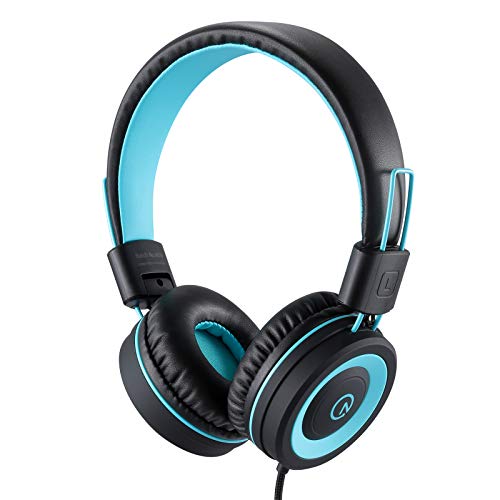
noot products K11 Kids Headphones Black
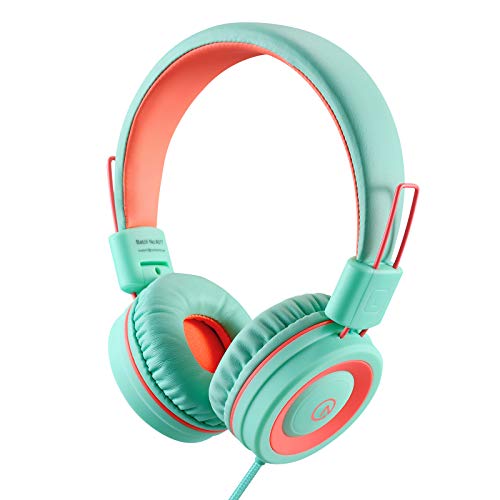
noot products K11 Kids Headphones Mint/Coral

noot products K11 Kids Headphones Skyline Blue
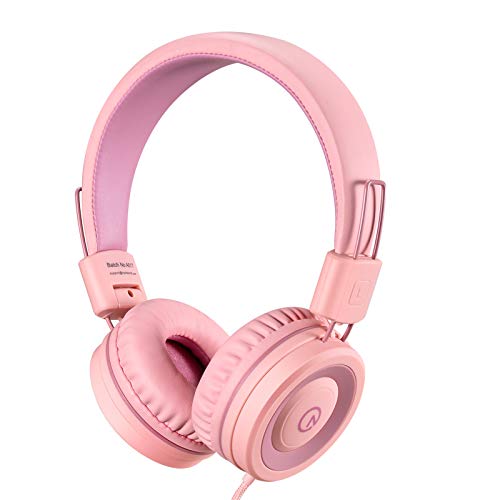
noot products K11 Kids Headphones Soft Pink

EarFun K1 Kids Headphones Wired with Mic

EarFun K1 Kids Headphones Wired with Mic
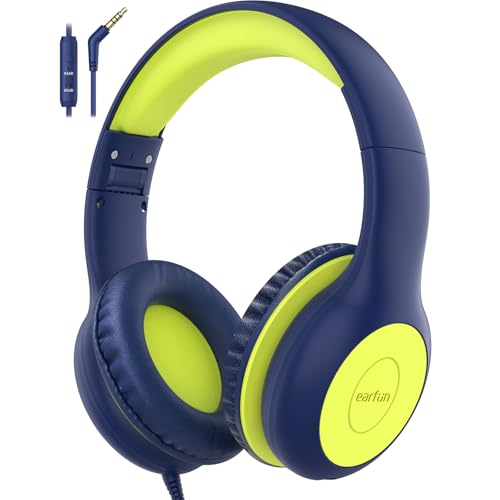
EarFun K1 Kids Headphones Wired with Mic

EarFun K1 Kids Headphones Wired with Mic
A Breakdown Of The Leading Choices
The headline feature here is the two-stage volume limiter, which caps output around 85dB in safe mode and allows a louder 94dB setting when a noisy room demands it. That switch matters more than it sounds: classrooms hum with chatter, and being able to nudge the ceiling without removing protection entirely is genuinely practical.
Everything runs through a standard 3.5mm jack, so it plugs straight into school Chromebooks, tablets, and audio splitters without adapters. A built-in microphone rounds out the package for reading apps and video lessons, something several colorway-only rivals on this list skip.
Standout Benefits
- Dual 85/94dB limiting gives you control over loud environments instead of one fixed cap
- Microphone handles speech-based learning apps without extra accessories
- Universal 3.5mm plug works with nearly every school device
- On-ear design keeps weight low for smaller heads
- Positioned as an affordable option in this category
Things To Consider
- Cords on budget wired pairs commonly fray near the plug over a school year, so teach gentle unplugging early
- You may find the 94dB mode tempting for kids who like loud media, which partly defeats the purpose
At A Glance
Who It Suits Best
Families who want strict hearing protection plus call capability for a child splitting time between classroom devices and online lessons.
Where A Sibling Pick Shines
The noot products K11 Kids Headphones Navy/Teal suits households that prioritize a long support window and softer styling over the dual limiter switch.
Where the Acer leans on its limiter, the noot K11 leans on fit and finish. Padded soft cushions sit gently against the ears, and a semi-gloss shell wipes clean after snack-stained hands get involved. The brand sizes this pair for roughly ages three through sixteen, which is a wide net for one headband.
Backing it up is a 24-month coverage plan with customer service that owners frequently describe as responsive, a real differentiator when a hinge snaps in October. In our view, that support window alone justifies a spot high on any back-to-school list.
Real-World Strengths
- Cushioned on-ear pads stay comfortable through long homework sessions
- Tangle-resistant cord means less desk chaos and fewer yanked connections
- Adjustable band grows with your child across many school years
- 24-month coverage offers recourse beyond the standard return period
Small Caveats
- No volume limiter is specified for this model, so device-side volume controls do the heavy lifting
- No microphone is listed, which limits interactive speaking apps
- Semi-gloss surfaces can show scuffs after months inside a crowded backpack
Key Specs
Made For
Parents of younger elementary students who want cushioned comfort and long-term backup rather than advanced audio features.
Consider Something Else When
Hearing protection tops your list, in which case the Acer Kids Headphones HK03 with Mic and its dual limiter is the stronger match.
This is the same proven K11 platform as the Navy/Teal version above, dressed in plain black. That matters more than it seems: older students often refuse anything that looks childish, and black blends into a middle school hallway without comment. Functionally you get stereo sound, a tangle-free flat-style cord approach, and the padded semi-gloss construction.
The 24-month coverage carries over too, along with the broad three-to-sixteen age range. Nothing flashy here, and that’s the point.
Key Advantages
- Neutral black finish appeals to tweens and teens who reject bright colors
- Stereo tuning handles spoken lessons and music equally well
- Same 24-month support plan as every other K11 variant
- Soft cushions and an adjustable band keep daily wear comfortable
Points To Note
- Black shows dust and lint more than lighter colorways, worth a quick wipe before school photos
- Identical internals to other K11 listings mean you’re choosing style, not features
Right Fit For
Older grade-school and middle-school students who need dependable wired audio without a design aimed at toddlers.
Another Choice May Suit
Younger children tend to prefer the playful tones of the noot products K11 Kids Headphones Soft Pink or the Mint/Coral version instead.
Comfort is where this colorway earns its badge, though honestly the comfort comes from the shared K11 chassis: plush on-ear cushions, a forgiving adjustable headband, and light clamping force tuned for smaller heads. The mint-and-coral palette simply makes it the version kids reach for first, which reduces the morning argument factor considerably.
Like its siblings, it spans ages three to sixteen and includes the 24-month coverage plan. If a child complains that headphones hurt after twenty minutes, this family’s padding is usually the fix.
A Few Strong Suits
- Gentle clamp pressure suits kids sensitive to tight on-ear cups
- Two-tone mint and coral styling feels fun without being loud
- Coverage plan protects against the usual kid-related mishaps
- Lightweight frame disappears during long wear
Softer Spots
- Cushion covers are fabric-covered foam, and they can flatten slightly after years of daily use
- No mic or volume limit listed, matching the rest of the K11 line
- Light fabric on the pads may attract stains from sunscreen or snacks
Who Will Love This
Elementary-age children with sensory sensitivities who need soft contact points and a cheerful look they’ll happily wear all day.
Swap It Out When
A teen shares the household, since the noot products K11 Kids Headphones Black reads far more mature on a middle-school desk.
The flexible headband is the quiet star of this listing. It bends, adjusts, and bounces back, which is exactly the trait you want in a pair destined for airplane seatbacks, car seat pockets, and the bottom of a school bag. The Skyline Blue shade sits between playful and grown-up, suiting a wide age span.
You still get the familiar K11 formula: padded cushions, a semi-gloss finish, 3.5mm wiring, and 24-month coverage. For families juggling commutes and classroom days with one pair, this variant handles both roles well.
Strong Points
- Flexible band survives being stuffed into bags without cracking
- Blue colorway works for a broad range of ages and tastes
- Comfortable enough for a transatlantic flight or a double math period
- Coverage plan applies, same as every K11 sibling
Worth Bearing In Mind
- On-ear cups leak some sound in quiet train cabins, a common trait of this design style
- Wired-only means packing a dongle for newer phones and tablets
Quick Facts
Built With In Mind
Frequent travelers and carpool families whose headphones live in transit as often as they live in a classroom.
Reach For A Different Pick When
Voice interactivity drives the school day, because the EarFun K1 Kids Headphones Wired with Mic adds calling hardware this model lacks.
Rounding out the K11 family, the Soft Pink version exists for one simple reason: kids who love their gear take better care of it. Everything under the color matches the Mint/Coral and Skyline Blue models already covered, including the padded cushions, adjustable band, and the reassuring 24-month coverage.
For households buying several pairs at once, mixing colorways also ends the eternal “these are mine” dispute between siblings. That’s a small win, but parents know how much it’s worth.
What It Does Well
- A color kids choose willingly, which encourages consistent use during lessons
- Distinct shade prevents mix-ups in multi-child homes and classrooms
- Full K11 comfort package with soft cushions and flexible sizing
- Same long coverage terms as the rest of the lineup
A Few Limitations
- Pastel finishes may show grime faster than darker shells, so occasional wiping helps
- No added tech over the other K11 variants; the choice is purely stylistic
Who Should Grab It
Families equipping younger children, especially siblings who each want a pair that clearly belongs to them.
Not Your Match When
Volume limiting is non-negotiable, in which case the Acer Kids Headphones HK03 with Mic remains the purpose-built option on this list.
The EarFun K1 takes a different angle from the noot line: materials and certification. The body uses recycled, sustainable plastic, and the company states the pair meets CPC and CPSIA requirements, the US consumer safety standards covering children’s products. For shoppers who read labels, that paperwork counts for a lot.
Hearing protection returns here too, with selectable 85dB and 94dB caps similar to the Acer’s approach, plus a built-in mic the entire noot K11 family lacks. It’s arguably the most complete feature set in this roundup.
Advantages To Know
- Recycled construction lowers the environmental footprint of a product kids outgrow quickly
- Dual 85/94dB volume limiting mirrors dedicated hearing-protection designs
- Integrated microphone supports speaking exercises and virtual classrooms
- Stated compliance with US children’s product safety standards adds confidence
Details To Watch
- Recycled plastics can feel slightly less premium in the hand than glossy virgin plastic, depending on your expectations
- Cord care still applies; wired pairs of any brand benefit from loose coiling rather than tight wrapping
Feature Snapshot
The Right Fit
Detail-oriented parents who want certified safety credentials, hearing protection, and a mic in one affordable wired package.
Look Elsewhere When
A specific color decides the sale, since the noot products K11 range offers five shades against the K1’s plainer palette.
This listing is another colorway of the K1 platform reviewed above, and it’s the one we’d hand to a child using headphones for the very first time. There’s nothing to charge, nothing to pair, nothing to update: you plug the 3.5mm plug in and sound arrives. For a five-year-old, that simplicity is the whole feature list.
The recycled-material build, safety-standard compliance, mic, and dual volume limiter all carry over unchanged from item seven. You’re choosing appearance and availability here, not capability.
Useful Touches
- Zero-setup operation suits young kids and technophobic grandparents alike
- Volume limiting is automatic once enabled, no app required
- Microphone works instantly with school video platforms
- Sustainable materials match the rest of the K1 series
Possible Compromises
- Younger users sometimes yank cords free by the cable rather than the plug, a habit worth correcting early
- On-ear isolation is modest, so loud cafeterias may tempt kids toward the higher 94dB setting
Who It Suits Best
Preschool and kindergarten families introducing screen-based learning for the first time and wanting foolproof wired simplicity.
Where Another Pick Suits Better
Students needing a more mature look will get more mileage from the noot products K11 Kids Headphones Black.
Homework happens at kitchen tables and bedroom desks alike, and this K1 variant slots into either scene without fuss. The combination that earns its badge is the microphone paired with the lower 85dB cap: reading-recognition software hears your child clearly while their ears stay at conservative levels through a full evening of practice.
Spec-wise it repeats the established K1 recipe, including the recycled housing and CPSIA-aligned construction. Compared with the noot K11 options earlier in this list, this is the better homework companion precisely because of that voice input.
A Strong Showing
- Mic-plus-limiter pairing fits structured learning apps perfectly
- Conservative default volume mode suits nightly study habits
- Eco-friendly housing aligns with sustainability-minded households
- Standard 3.5mm connection covers school-loaned laptops
- Lightweight frame stays comfortable over multi-hour sessions
Factors To Consider
- No wireless fallback, so a broken cable ends usability until replaced
- Design language skews young, which some fifth-graders and up may resist
Whose Shelf It Belongs On
Students in grades one through six who complete regular online coursework and need dependable voice capture at a sensible volume.
Skip It When
Maximum durability coverage matters most, because the noot products K11 Kids Headphones Navy/Teal bundles a stated 24-month plan this listing doesn’t mention.
The final entry closes the K1 set, and it’s the version to consider when no single feature dominates your decision. Hearing protection, a microphone, sustainable materials, and stated safety compliance arrive together in one wired package, covering school, home, and travel scenarios in equal measure.
Against the Acer HK03 at the top of this list, the differences come down to emphasis: both offer dual limiting and a mic, while the Acer positions itself as the budget-friendly route and the K1 counters with its recycled build and documented standards work. Either way, you’re not making a wrong choice between those two.
Practical Advantages
- Complete feature spread handles lessons, calls, and media without gaps
- Dual 85/94dB modes adapt from quiet bedrooms to busy classrooms
- Recycled construction appeals to environmentally aware families
- Plug-in operation avoids charging routines entirely
Trade Offs To Consider
- Shared design across four K1 listings means color availability, not performance, separates them
- Cable strain near the jack remains the usual weak point on wired models generally
Core Details
Best Suited To
General-purpose households wanting one dependable wired pair that moves between school bags, kitchen tables, and road trips.
Where A Sibling Pick Shines
Comfort-first listeners with sensitivity to clamping pressure will likely prefer the noot products K11 Kids Headphones Mint/Coral instead.
What Matters Most Before Choosing Kids Headphones For School
Volume Protection Comes First
A volume limiter caps maximum output, usually at 85dB, the level hearing experts treat as safe for extended listening. Models like the Acer HK03 and EarFun K1 add a second 94dB tier for loud rooms, which gives flexibility without abandoning the safeguard entirely. Pairs without a limiter rely entirely on device settings, so check whether your child’s tablet enforces its own cap.
Fit Decides Whether They Stay On
On-ear cushions determine comfort more than any spec sheet suggests. Soft padded cups and an adjustable, flexible headband, hallmarks of the noot K11 line, keep pressure gentle across a wide age range. A child who finds headphones uncomfortable will simply leave them in the bag, defeating the purpose.
Wired Still Wins At School
Every option here uses a 3.5mm connection, and that’s deliberate: no charging, no pairing problems, no dead battery mid-lesson. School-loaned laptops almost always retain the jack. The trade-off is cable care, so teach loose coiling and unplugging by the plug.
Match Features To The Workload
Speaking apps and video calls need a microphone, which splits this field cleanly. Reading and math practice need only reliable stereo sound. Buy for the actual school day rather than the longest possible feature list.
Key Considerations Across These Picks
Wrong Turns To Avoid
Skipping the volume-limit question is the most common slip, followed by buying an adult-sized pair a child will grow into eventually but suffer with now. Also avoid assuming all wired pairs include a mic; several on this list don’t.
What Separates Premium From Basic
Higher-priced kids’ headphones typically buy certification paperwork, recycled materials, and longer coverage plans rather than dramatically better sound. Paying up makes sense for daily, multi-year use; casual weekend use rarely justifies it.
Frequently Asked Questions
Are wired headphones better than wireless for school?
Yes, for most classrooms. They never run out of battery, connect instantly to school devices, and cost less to replace when lost.
What does an 85dB volume limit mean?
It caps the maximum sound output at 85 decibels, a level considered safe for prolonged listening. Many models add a 94dB mode for noisy surroundings.
Do these headphones work with school Chromebooks?
Any device with a standard 3.5mm headphone port accepts them directly. Newer tablets may need a USB-C adapter dongle.
How long should kids’ headphones last?
A well-treated pair typically covers one to three school years. Cushion wear and cable damage are the usual endpoints, which is why coverage terms matter.
Can my child use these for online classes?
Models with a built-in microphone, such as the Acer HK03 and the EarFun K1 line, handle video calls and speaking apps fully. Mic-less pairs work for listening only.
Conclusion
Choosing among these ten comes down to three honest questions: does your child need a microphone, how much do you value formal volume limiting, and which color will they actually wear. The Acer HK03 and EarFun K1 cover the protection-and-calls crowd, while the noot K11 family wins on comfort and choice of shade. Whichever direction fits your student, a pair that feels good and sounds safe is one worth wearing every morning.
