


You want enough GPU muscle for modern games without drifting into heavy, overbuilt territory. That usually means paying attention to display refresh, cooling layout, memory, and storage instead of chasing flashy extras that add cost without changing daily use. These eight picks cover desk setups, dorm rooms, and travel-heavy routines with a range of screen sizes and hardware balance.
Quick Look At The Shortlist

ASUS ROG Strix G16 (2025) 16″ RTX 5060

ASUS ROG Strix G16 (2025) 16″ RTX 5050
ASUS TUF Gaming F16 (2025) RTX 5050

Acer Nitro V RTX 4050, i5-13420H
Acer Nitro V RTX 4050, i7-13620H

Acer Nitro V 16S AI RTX 5060

Alienware 16 Aurora RTX 5050

Lenovo Legion LOQ RTX 5050, i7-13650HX
More Details On Our Top Picks
The Strix G16 lands in the part of the market where you want headroom, not just decent frame rates. A 16:10 165Hz panel with a 3ms response time gives you more vertical space and faster motion handling, which suits competitive play and general desktop work alike.
Compared with the RTX 5050 models later in this list, this one has more room to breathe for heavier game settings and future multitasking. The 1TB Gen 4 SSD also helps keep installs and loading times practical for a library that grows fast.
Strong Points
- RTX 5060 graphics give you a clearer path for demanding games than the 5050-based picks below.
- The 165Hz panel keeps motion looking smooth in fast shooters and racing games.
- 16:10 screen shape gives you a little more workspace for school or editing between matches.
- 1TB Gen 4 storage leaves useful room for several large installs and media files.
Things To Consider
- HX-class Intel chips tend to make more sense on a desk than on an all-day carry route.
- 16GB memory works well for gaming, though heavy content work may push you toward more.
- The feature set leans performance-first, so portability is not the main selling point.
Feature Card
Who It Suits Best
It fits you best when gaming performance matters more than slim dimensions and you want a laptop that can stay in rotation for a while.
Where A Sibling Pick Shines
The ASUS ROG Strix G16 (2025) 16″ RTX 5050 makes more sense for you if you want the same chassis style with a more tempered hardware tier.
This version keeps the same 16-inch Strix shape and the same fast 165Hz panel, but the hardware steps down to an RTX 5050 and Core i5-13450HX. That combination makes sense for you if your library leans toward popular competitive titles rather than the most punishing settings.
The 1TB PCIe Gen 4 SSD matters here because it gives the machine some breathing room even though the graphics tier is more modest than the RTX 5060 model above. You still get a tidy, modern package, just with less performance overhead.
What We Like
- The 165Hz display keeps fast-action games feeling responsive.
- 1TB storage is generous at this tier and helps avoid constant game shuffling.
- Wi-Fi 7 gives you a forward-looking wireless spec for a home network that can use it.
- The Strix chassis brings a familiar layout for long desk sessions.
Points To Note
- The RTX 5050 sits a step below the RTX 5060 model, so you trade some headroom for a gentler spec mix.
- Core i5 CPU power is sensible, though heavier creative work may ask for more.
- The 16GB memory configuration is fine for gaming, yet it is not the widest margin for parallel workloads.
Feature Rundown
Built With In Mind
It fits you best when you want the Strix look and a fast screen, but do not need the strongest GPU in the family.
A Better Fit Elsewhere
The ASUS ROG Strix G16 (2025) 16″ RTX 5060 suits you better if you want more graphics headroom for heavier games and longer ownership runway.
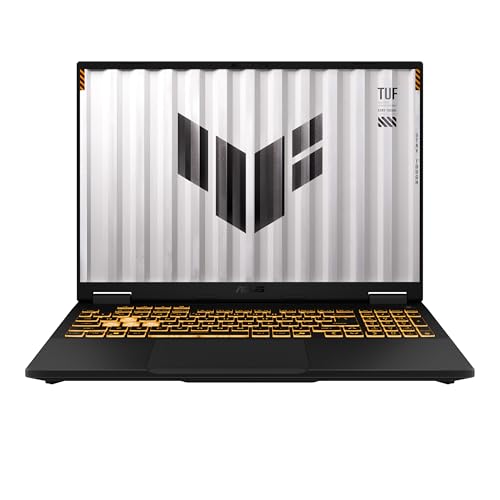
The TUF F16 keeps the same broad gaming shape as the Strix machines, but its appeal is different: it trims a little flair and leans harder into plain, durable utility. The 16-inch 165Hz panel and Intel Core i5-13450HX make it a sensible fit for dorm setups and family rooms where the laptop may see long daily sessions.
Compared with the ASUS ROG Strix G16 models above, this one feels more grounded and less about showpiece styling. That can be a smart trade when you want a gaming laptop that looks steady on a desk and does not ask for much attention.
Highlights
- The 165Hz display gives you a smoother feel in action games.
- 16:10 screen space helps with maps, chat panels, and side-by-side windows.
- The TUF line’s sturdier identity suits households where gear gets moved around often.
- RTX 5050 graphics keep it in the same practical gaming lane as the Strix RTX 5050 model.
Room For Improvement
- 512GB storage can fill fast once a few larger games are installed.
- The Core i5 platform is fine for gaming, though it is not the most spacious choice for heavy editing.
- Wi-Fi 6E is solid, but it does not match the newer wireless spec on the Strix options.
Right Fit For
You fit this model best when you want a dependable 16-inch gaming laptop that keeps the focus on function over flash.
Another Choice May Suit
The ASUS ROG Strix G16 (2025) 16″ RTX 5050 makes more sense if you want the same general size with a larger storage cushion and Wi-Fi 7.
The Nitro V with 8GB memory is the most entry-level-friendly machine in this roundup, and that shows in the way it keeps the parts list straightforward. For a first gaming laptop, the 15.6-inch FHD IPS 165Hz display gives you the right sort of baseline: sharp enough for daily use and quick enough for esports-style play.
It sits well below the larger 16-inch ASUS and Acer options, so you give up some workspace and breathing room. In return, you get a simpler path into gaming hardware without overspending on specs you may not use every day.
Upsides
- RTX 4050 graphics still cover a broad stretch of current games at sensible settings.
- The 165Hz IPS panel suits fast titles and general scrolling equally well.
- The backlit keyboard helps for late-night desk setups.
- 15.6-inch sizing makes it easier to fit on smaller desks than the 16-inch models.
Softer Spots
- 8GB memory is the tightest spec in the list, so multitasking headroom is limited.
- 512GB storage may feel cramped sooner than the 1TB choices above.
- The smaller display gives you less room for side panels and creative apps.
Who Should Grab It
It suits you best as a first gaming laptop or a secondary machine for lighter play and everyday tasks.
Look Elsewhere When
The Acer Nitro V RTX 4050 with i7-13620H makes more sense if you want the same graphics tier with more memory and a larger storage cushion.
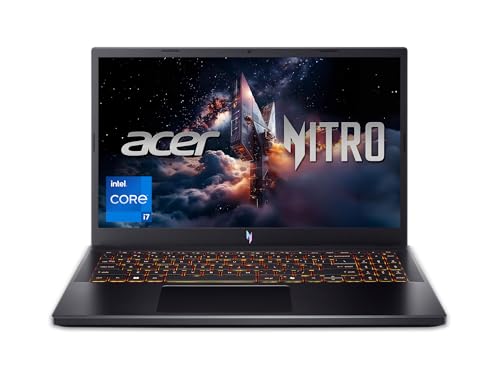
Stepping up to 16GB memory and a 1TB SSD changes the feel of this Nitro V more than the GPU swap alone. You still get the same 15.6-inch 165Hz IPS display and RTX 4050 graphics, but the extra memory and storage make the laptop easier to live with across homework, browser tabs, and a game library that keeps growing.
Relative to the entry Nitro V above, this one is the cleaner long-term choice for most people shopping in this range. The honest read is that the graphics tier stays modest, yet the rest of the configuration now feels much less compromised.
Bright Spots
- 16GB memory gives you more breathing room for multitasking and launch speed.
- 1TB storage is far more comfortable for larger game installs.
- The Core i7-13620H should feel better suited to busy day-to-day use than the lower-spec Nitro V.
- The 165Hz IPS panel keeps the same smooth visual rhythm as the other Nitro V model.
Worth Noting
- RTX 4050 graphics remain the ceiling, so demanding visual settings still call for compromises.
- 15.6 inches is practical, but it does not give you the same roomy workspace as the 16-inch picks.
- Wi-Fi 6 is serviceable, though it lacks the newer wireless spec seen on some peers.
Perfect Match For
You fit this model well if you want a mainstream gaming laptop that handles storage and multitasking better than the base Nitro V.
Skip It When
The Acer Nitro V 16S AI RTX 5060 makes more sense if you want a newer graphics tier and a larger 16-inch panel.
This 16S model leans into the parts that matter for heavier daily use: a Ryzen 7 260, RTX 5060 graphics, 32GB memory, and a 1TB SSD. That mix gives you more margin for game installs, background apps, and the sort of multitasking that can turn a mid-range machine into a long-term workhorse.
The 16-inch WUXGA IPS 180Hz display is the other major step up. WUXGA means 1920 x 1200, which gives you a taller workspace than standard FHD and feels especially useful in games with dense HUDs or in normal desktop work.
Standout Traits
- 32GB memory is the most generous figure in this lineup.
- The 180Hz panel gives motion a very fluid feel in fast games.
- RTX 5060 graphics place it above the 5050-based systems in raw headroom.
- The taller WUXGA screen helps with multitasking and document work.
Areas To Watch
- The stronger spec mix can make sense on a desk, so size matters in your carry routine.
- Wi-Fi 6 is capable, though it is not the newest wireless option in the field.
- The added performance tier is useful, but it may be more than casual gamers need.
Whose Shelf It Belongs On
It fits you best if you want a laptop that handles gaming, schoolwork, and heavier multitasking with less compromise.
Reach For A Different Pick When
The ASUS ROG Strix G16 (2025) 16″ RTX 5060 makes more sense if you prefer Intel-based performance in a similar class.
The Aurora stands apart because it aims for a cleaner, more polished desk presence than the bulkier gaming designs around it. A 16-inch WQXGA 120Hz panel and anodized aluminum lid make it feel more restrained, which helps a lot in shared spaces and office-style setups.
Compared with the Acer Nitro and ASUS Strix picks, this one puts more weight on presentation than raw spec density. You may find that appealing if your machine spends as much time in a study nook as it does in games.
Best Bits
- The aluminum lid gives the exterior a cleaner, more premium look.
- WQXGA resolution provides more workspace than standard 1080p screens.
- 120Hz is still smooth enough for many game genres and everyday scrolling.
- The design stays visually calm, which suits mixed-use rooms well.
Minor Gripes
- 120Hz is slower than the 144Hz, 165Hz, and 180Hz panels elsewhere in the list.
- RTX 5050 keeps it in the mid-range lane, not the more powerful tier above it.
- The style-led approach may not matter much if you care only about raw frame rates.
The Right Fit
It suits you best if design matters almost as much as gaming and you want a laptop that looks composed on the desk.
Swap It Out When
The Lenovo Legion LOQ RTX 5050 makes more sense if you want G-Sync and a more straightforward gaming-first layout.
The Legion LOQ sits in a sweet middle space for you if you want a familiar 15.6-inch footprint without giving up gaming-specific extras. G-Sync, which syncs the display to the graphics output to reduce tearing, is the kind of spec that matters once you notice stutter in fast motion.
Compared with the Alienware 16 Aurora, this one feels more direct and less style-led. The 1TB storage and Intel Core i7-13650HX give it a strong everyday base for game installs, school tasks, and a busier tab count.
Positives
- G-Sync helps motion feel steadier in supported games.
- 1TB storage gives you room for a serious install list.
- The Core i7-13650HX adds useful CPU headroom for mixed workloads.
- 15.6-inch sizing keeps it easier to place on a smaller desk.
Trade Offs
- 144Hz is solid, but it sits below the faster refresh rates in this roundup.
- The RTX 5050 is sensible, though it does not match the RTX 5060 options above.
- The entry says AI-powered, yet the practical value still comes down to the listed hardware.
Who Will Love This
It suits you best if you want a clean gaming laptop with useful display sync and a balanced 15.6-inch footprint.
Consider Something Else When
The Acer Nitro V 16S AI RTX 5060 makes more sense if you want a stronger graphics tier and a larger 16-inch panel.
What Matters Most Before Choosing Mid Range Gaming Laptops
Where Shoppers Go Wrong
Screen refresh and graphics power matter more than branding flair in this category. A 165Hz panel with a weaker GPU can still feel limited, so match the screen to the graphics tier instead of treating them as separate upgrades.
Storage and memory matter too. 8GB memory and 512GB storage can feel tight once game installs and launchers pile up.
The Case For Spending Up
Higher-tier models usually pay for better GPUs, larger memory pools, and stronger cooling paths. That extra margin helps when you keep a laptop for several years or run games alongside streaming, editing, or lots of browser tabs.
The upgrade also buys comfort in daily use. A larger SSD, 32GB memory, or a taller screen can make a machine feel less cramped long before raw frame rates become the headline.
Helpful Questions Before You Choose
Should you prioritize the GPU or the display?
The GPU comes first for gaming performance, since it shapes frame rate and image quality. The display matters next, because a fast panel only helps when the graphics hardware can keep up.
Is 16GB memory enough for this category?
Yes for most gaming and day-to-day use, especially with a single-player or esports-heavy library. You may want more headroom for demanding multitasking, large creative projects, or long ownership cycles.
Does storage size matter that much?
It matters more than many shoppers expect, because modern games eat space quickly. A 1TB SSD is easier to live with than 512GB once a few large installs land on the system.
Are 15.6-inch models better than 16-inch models?
A 15.6-inch laptop is easier to carry and place on a small desk. A 16-inch model gives you more room for games, side panels, and multitasking, so the better fit depends on your setup.
Which pick is the safest all-around choice?
The ASUS ROG Strix G16 (2025) 16″ RTX 5050 gives you a strong mix of modern parts, a fast panel, and a roomy SSD. It suits you well when you want balance without leaning too far into either budget trimming or premium excess.
