


Mixing on laptop speakers or earbuds is like painting in a dark room: you can’t see the mistakes until it’s too late. A proper pair of studio headphones gives you a flat, honest window into your mix, so reverb tails, muddy low-mids, and harsh sibilance show up before your listeners hear them. Whether you’re finishing podcasts in a spare bedroom or tracking vocals between sessions, the ten options below cover every budget and working style, from closed-back isolation workhorses to open-back reference cans built for critical listening.
An Overview Of The Picks

AKG K371 Foldable Closed-Back Studio Headphones

Audio-Technica ATH-M40x Renewed
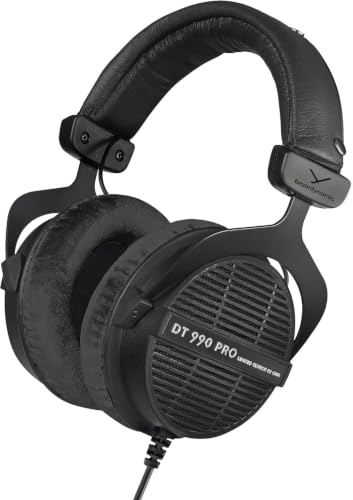
beyerdynamic DT 990 PRO Studio Headphones (80 Ohm, Black)

beyerdynamic DT 990 PRO Open-Back Monitor Headphones (Grey)

MAONO MH700 Wired Studio Headphone

beyerdynamic DT 990 Pro X 48 Ohm Open-Back Headphones

OneOdio A71D Wired Over-Ear DJ Studio Headphones

Yamaha HPH-MT5 Monitor Headphones (White)

Yamaha HPH-MT5 Monitor Headphones (Black)

Audio-Technica ATH-R50X Open-Back Headphones
A Deeper Look At The Lineup
Closed-back means the ear cups seal around your ears, blocking outside noise and keeping your audio from leaking into a microphone. The K371 leans into that with large titanium-coated 50mm drivers, which handle detail well enough for vocal editing and mix balancing in an untreated bedroom.
The foldable, notched headband collapses into a bag, so this pair travels between home setups and rehearsal rooms without fuss. Owners commonly praise the replaceable ear pads, which matters because padding wears out long before the drivers do.
Points In Its Favor
- Large 50mm transducers resolve fine detail in vocals and acoustic material
- Foldable headband makes storage and commuting genuinely easy
- Replaceable ear pads extend usable life for years
- Mini-XLR connection point adds durability where cables usually fail
- Closed-back seal suits recording near a live microphone
Things To Consider
- Ear pad cushions collect skin oils over months of daily use and need periodic cleaning
- The sealed design can feel warm during marathon summer sessions
Key Specs
Who It Suits Best
Bedroom producers and podcast editors who need one reliable pair for both tracking and mixing.
A Better Fit Elsewhere
Engineers chasing a wider, airier soundstage for final mix decisions should look at the beyerdynamic DT 990 Pro X instead.
This is the renewed version of Audio-Technica’s mid-tier monitor, professionally inspected to work and look like new. For anyone building a first setup, that trade makes sense: you get the M40x’s famously flat tuning without paying new-unit money.
The 40mm drivers use copper-clad aluminum voice coils, a construction choice that keeps transient response quick and clean. In practice, that translates to hearing exactly what your EQ moves are doing rather than a flattering version of them. Unlike the pricier AKG K371 above, there’s no folding hinge here, but the earcups swivel 90 degrees for one-ear DJ-style checking, and two interchangeable cables plus a pouch come included.
A Favorable Mix
- Tuned flat across the range, so EQ decisions translate honestly
- Two detachable cables included, handy when one wears out
- Swiveling earcups allow single-sided monitoring at a desk or deck
- Renewed pricing leaves room in the budget for an interface
Small Caveats
- Being renewed, cosmetic wear varies unit to unit, so check condition notes before committing
- No foldable hinge, so it packs bulkier than the K371
Made For
Students and first-time producers who want trustworthy monitoring without stretching the budget.
Consider Something Else When
You need maximum portability for travel; the folding AKG K371 handles bags and backpacks better.
Open-back headphones vent the rear of the driver, trading isolation for a wider, more natural sense of space. The DT 990 PRO has been a studio staple for decades precisely because that openness reveals reverb tails and stereo placement with unusual clarity.
This renewed black variant runs at 80 ohms, an impedance level most audio interfaces and headphone amps drive comfortably. The trade-off is real though: sound leaks in both directions, so these belong in a quiet room, not next to a live mic. Compared with the closed M40x reviewed earlier, everything here sounds bigger and more relaxed, which some engineers love and others find too flattering on bright mixes.
What Pays Off
- Open-back design exposes spatial and reverb detail clearly
- 80-ohm impedance pairs easily with common interfaces
- Legendary long-term reliability reputation among studio regulars
- Renewed route keeps a classic accessible
Room For Improvement
- Sound leakage rules out vocal booth tracking duties entirely
- Some listeners report the treble leaning bright on already-sharp masters
- As a renewed item, expect minor cosmetic variation
Best Suited To
Mix engineers working alone in quiet rooms who prioritize depth over isolation.
Not Your Match When
You record vocals at home; the closed-back MAONO MH700 keeps bleed out of your takes.
Same legendary DT 990 PRO platform as the previous pick, different finish. This grey renewed edition ships with velour ear pads, a fabric material that breathes far better than pleather during hour-long editing blocks. Editors who spend entire afternoons cleaning up dialogue tend to gravitate here for exactly that reason.
The 80-ohm rating keeps things simple with standard interfaces, and the open-back construction delivers the spacious presentation the line is known for. One thing worth considering: velour attracts lint and dust faster than leatherette, so a soft brush belongs in your maintenance kit. Otherwise, this and the black version are close siblings, and choosing between them mostly comes down to color preference and current availability.
The Helpful Details
- Velour pads stay cooler through long sessions than standard pleather
- Open-back clarity aids reverb and panning judgments
- 80-ohm load works with everyday interface outputs
Practical Considerations
- Velour fabric needs occasional brushing to stay fresh
- Zero isolation, so shared or noisy spaces are off-limits
- Renewed stock may show light surface wear
Feature Rundown
Right Fit For
Dialogue editors and mixers logging multi-hour sessions in private rooms.
Where A Sibling Pick Shines
Anyone needing isolation while recording should pick up the closed-back AKG K371 instead.
Starting a podcast rig usually means watching every dollar, and the MH700 exists for that moment. It’s a straightforward closed-back over-ear with 50mm dynamic drivers, sized identically to the drivers in the much costlier AKG K371, covering the full audible band from 20Hz to 20kHz.
What makes it practical is the dual-jack cable: a 3.5mm plug for laptops and phones, with a 6.35mm adapter for interfaces, guitar amps, and keyboards. No dongles, no guesswork. The sealed cups keep your click track out of the microphone during remote interviews. In our view, the tuning won’t match the analytical precision of Yamaha or beyerdynamic models higher up this list, but for spoken-word editing and casual music production, most people will find it entirely adequate.
Good Reasons To Consider
- 50mm drivers deliver full-range sound with modest distortion
- Dual 3.5mm/6.35mm compatibility covers computers, amps, and interfaces
- Closed-back seal prevents mic bleed during recording
- Gentle price point suits first-time builders
A Few Limitations
- Tuning lacks the fine resolution needed for critical mastering calls
- Build materials feel basic next to the metal-banded beyerdynamics
Who Will Love This
New podcasters and hobbyist producers assembling their first complete setup.
Reach For A Different Pick When
Your mixes need surgical accuracy; step up to the Audio-Technica ATH-R50X further down.
The Pro X is what happens when beyerdynamic revisits its own classic: a refined STELLAR.45 driver, German assembly, and a lower 48-ohm impedance that squeezes clean output even from modest sources. Where the older DT 990 PRO units earlier in this list lean bright, the Pro X presents high frequencies with more control, letting clipping, hiss, and digital artifacts surface without fatigue.
That matters most during final passes, when you’re deciding whether a mix truly holds up. The open rear chambers still leak sound freely, so quiet-room duty applies here too. Owners commonly report the build feeling sturdier than the standard 990, and the headband tension sits comfortably through long listening stretches. It costs more, and the payoff shows up specifically in decision-making confidence.
What Helps Most
- STELLAR.45 driver reveals noise, clipping, and artifacts precisely
- 48-ohm impedance plays nicely with weaker outputs
- Made in Germany with tight quality control
- Wide, natural soundstage aids spatial mixing
Details To Watch
- Open-back leakage excludes any recording-adjacent use
- Higher spend than the renewed 990 variants for a similar core character
Spec Overview
Whose Shelf It Belongs On
Mix engineers making final approval calls who want reference-grade clarity from any source.
Skip It When
Your room is noisy or shared; the sealed Yamaha HPH-MT5 handles those environments gracefully.
DJs work differently from producers: they need one ear on the booth monitor and one on the incoming track, often for hours. The A71D answers with 90-degree swiveling cups that flip flat against your shoulder for single-sided cueing, plus a foldable frame that disappears into a gig bag.
The 40mm drivers push deep bass forward, which suits beatmatching far better than flat reference tuning would. That same bass emphasis is also its limitation; compared with the neutral MAONO MH700 or the Yamaha monitors later in this lineup, low frequencies get a friendlier gloss that can mask mud in a mix. Padded muffs and an adjustable band keep weight off your jaw through long sets. As an entry ticket to DJing and casual production, it’s hard to argue with.
Advantages To Know
- Swiveling cups enable true single-ear monitoring behind decks
- 40mm drivers supply punchy lows for beatmatching
- Folds compactly for travel between gigs
- Soft padding reduces fatigue during extended wear
Honest Caveats
- Bass-forward balance can hide low-mid buildup during mixing
- Plastic construction feels less durable than metal-band rivals
Quick Facts
Who Should Grab It
Mobile DJs and beginners wanting one affordable pair for decks and desk alike.
Swap It Out When
Accuracy outranks fun; the flat-tuned Audio-Technica ATH-M40x serves mixing better.
Yamaha builds instruments first and headphones second, and that lineage shows in the MT series’ obsession with faithful reproduction. Every component choice, from driver materials to headband pressure, aims at delivering the source untouched rather than prettified.
In practical terms, the MT5 gives you balanced output with strong resolution, the kind of neutrality that makes a badly recorded vocal obvious within seconds. This white colorway stands out visually in a shared studio, which some engineers appreciate for keeping loaner gear identifiable. Against the closed AKG K371 from earlier, the MT5 trades a bit of low-end warmth for cleaner midrange honesty. Depending on your genre, that trade either sharpens your judgment or thins out bass-heavy electronic material.
Benefits That Matter
- Neutral, high-resolution presentation exposes flaws early
- MT-series component selection prioritizes accuracy over flavor
- Comfortable fit tuned for extended studio shifts
- Distinctive white finish easy to track in shared spaces
Less Ideal Details
- Light-colored pads will show grime sooner and need gentler cleaning
- Bass-light character may underwhelm hip-hop and EDM producers
Built With In Mind
Recording engineers and live-sound folks who value uncolored feedback over bass flair.
Another Choice May Suit
Bass-centric producers generally connect more with the OneOdio A71D’s low-end emphasis.
Identical hardware to the white MT5 above, dressed in studio-standard black. Same balanced tuning, same excellent resolution, same commitment to reproducing the source without editorializing. Choosing between the two comes down to aesthetics and which colorway is stocked when you order.
Black earns its popularity for a reason: it hides wear, matches every setup, and never draws attention away from the session. The closed-back cups provide dependable isolation for tracking and late-night editing in shared living spaces, something none of the open-back beyerdynamic picks in this roundup can offer. The honest read is that this remains one of the most sensible all-purpose monitors in the mid-price bracket, especially for engineers splitting time between music and spoken-word work.
Notable Gains
- Balanced sound with excellent detail retrieval
- Closed-back isolation supports tracking and quiet-hours editing
- Black finish resists visible wear over years
- Reliable, high-quality monitoring across genres
Worth Bearing In Mind
- Conservative styling offers no visual personality
- Midrange focus can feel dry on lush, effect-heavy material
The Right Fit
Versatile engineers handling vocals, podcasts, and instrumentals from one home base.
Look Elsewhere When
An expansive soundstage drives your workflow; the Audio-Technica ATH-R50X opens things up dramatically.
Reference headphones exist to answer one question: does this mix actually hold together? The ATH-R50X was engineered for exactly that job, borrowing driver architecture from Audio-Technica’s respected ATH-R70x and reworking it for stronger bass than most open-back designs manage.
That last part deserves emphasis. Open-back cans traditionally give you air and space at the expense of low-end authority, but the R50X holds its ground down low while keeping the upper range accurate. Sitting beside the beyerdynamic DT 990 Pro X reviewed earlier, the R50X feels slightly more even-handed overall, less treble-leaning and more composed. The usual open-back caveats apply: no isolation, no privacy, and a dedicated quiet space is basically required. You may find that a fair exchange for how naturally full arrangements unfold.
The Upside
- R70x-derived drivers blend power with precision
- Surprisingly solid bass for an open-back design
- Expansive soundstage ideal for critical-listening tasks
- Accurate upper register catches sibilance and harshness
Trade Offs
- Complete lack of isolation limits where you can work
- Over-ear open design demands careful dust protection in storage
The Details
A Natural Fit For
Advanced home-studio owners doing final mix approvals in treated, quiet rooms.
Where Another Pick Suits Better
Apartment dwellers recording near traffic or roommates will get more done with the sealed Yamaha HPH-MT5.
Choosing Between These Monitors Without Guesswork
Open Or Closed First
Start with your room, not your budget. Closed-back cups seal sound in and keep microphone bleed out, which makes them the default for tracking vocals and editing in shared spaces. Open-back designs vent the driver for a wider, more natural image, but they demand quiet surroundings and leak audio both ways. Plenty of engineers eventually own one of each.
Impedance And Your Gear
Impedance, measured in ohms, describes how much electrical resistance a headphone presents. Lower ratings around 48 to 80 ohms pair happily with laptop outputs and entry interfaces, while higher-impedance models want a dedicated amp. Match the number to what’s already on your desk before falling for a spec sheet.
Comfort Is A Spec Too
A four-hour mixing block punishes heavy clamps and sweaty pads. Velour breathes better than pleather, replaceable cushions extend lifespan, and swiveling cups matter for one-ear checking. Weight distribution across the headband matters as much as raw driver quality over a long session.
Tuning Versus Taste
Flat-tuned monitors reveal problems; bass-flavored ones make listening pleasant. For mixing and mastering decisions, neutrality wins, because flattery hides the very flaws you’re paid to catch. Save the fun-sounding pair for leisure listening.
Key Considerations Across These Picks
Where Shoppers Go Wrong
The most common slip is buying open-back headphones for a noisy apartment or untreated bedroom, then wondering why recordings sound roomy and neighbors complain. Impedance mismatches run a close second: a 250-ohm can plugged straight into a phone sounds thin and lifeless. Check your source gear first, then shop.
The Case For Spending Up
Higher-tier models earn their price through tighter driver tolerances, better pad materials, and tuning refined over decades, as beyerdynamic’s German-built Pro X demonstrates. That precision surfaces mix errors earlier, which saves revision cycles. Casual listeners rarely notice; working engineers feel it constantly.
Frequently Asked Questions
Can one pair handle both mixing and recording?
A closed-back model covers both reasonably well since it isolates during tracking and stays accurate enough for balancing. Dedicated engineers still prefer separate pairs for each task. Start closed, then add an open-back pair as your work deepens.
Do I need a headphone amplifier?
Headphones rated at roughly 80 ohms or below usually run fine from a standard interface or laptop jack. Higher-impedance models benefit from dedicated amplification to reach full dynamics. Check the ohm rating before assuming extra gear is required.
How long do studio headphones typically last?
Quality drivers routinely outlast the pads and cables attached to them. Replaceable ear cushions and detachable cords turn a five-year purchase into a decade-long companion. Factor serviceability into the initial decision.
Are refurbished studio headphones worth buying?
Professionally inspected renewed units from established sellers perform like new and cost noticeably less. Cosmetic wear is the usual compromise, and return options vary by listing. They suit budget-conscious buyers comfortable with minor blemishes.
What frequency response should mixing headphones have?
Coverage of the full 20Hz to 20kHz human hearing range is the baseline expectation. More important than raw range is balance across it, since exaggerated regions skew your judgments. Neutral tuning beats impressive numbers every time.
Bottom Line
Match the tool to the room before anything else: closed-back for tracking and shared spaces, open-back for quiet critical listening. The AKG K371 remains the strongest single do-it-all recommendation here, while the beyerdynamic DT 990 Pro X and Audio-Technica ATH-R50X reward engineers ready to invest in reference-grade clarity. Whatever you choose, give your ears a week to learn its character before trusting major mix decisions. Good luck with the next project.
