


Mixing on laptop speakers or consumer earbuds is like painting in a room with tinted windows. You think your bass is sitting right until the track plays somewhere else and falls apart. A proper pair of mixing headphones gives you an honest window into your music, so decisions you make at 1 a.m. still hold up on a car stereo the next morning. Below are ten options spanning budget-friendly wired sets to reference-grade open-backs, matched to real studio situations.
Your Options, Compared

beyerdynamic DT 770 Pro X Closed-Back Studio Monitor

OneOdio Wired DJ Hi-Res Over-Ear Headphones (Black)

OneOdio Wired DJ Hi-Res Over-Ear Headphones (Pink)

beyerdynamic DT 990 Pro X Open-Back Studio Monitor

HD 490 PRO Open-Back Professional Headphone

Audio-Technica ATH-M20x Studio Monitor Headphones

Audio-Technica ATH-M20xBT Wireless Headphones with Mic (White)

Audio-Technica ATH-M50X Studio Monitor Headphones (Black)
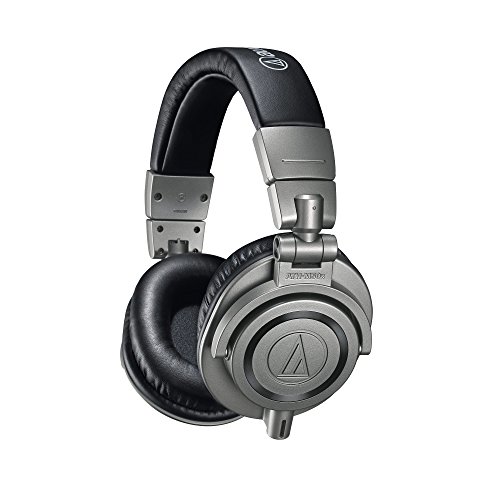
Audio-Technica ATH-M50XGM Monitor Headphones (Gun Metal)

Audio-Technica ATH-M50X Headphones (White)
A Deeper Look At The Lineup
The DT 770 Pro X is built for one job: hearing what’s actually in your recording. Its closed-back shell blocks room noise both ways, which matters when a singer is tracking in the same space as your monitors. Handmade in Germany, it carries the kind of build reputation beyerdynamic has spent decades earning.
In practice, this is the headphone you reach for during vocal takes and drum sessions. The 48-ohm design runs comfortably from most interfaces without extra amplification, though a modest amp helps it open up fully.
Useful Highlights
- Closed-back isolation keeps click tracks from bleeding into vocal mics.
- 48-ohm impedance pairs easily with audio interfaces and laptop outputs.
- Handmade German construction tends to survive years of session wear.
- Detailed treble reveals sibilance and harshness you’d otherwise miss.
- Optional protection plans cover drops, spills, and breakdowns.
Small Caveats
- Earpads collect wear over time; replacements are widely available but add cost.
- Some listeners find the highs bright during long mixing stretches.
Who It Suits Best
Engineers who record vocals or acoustic instruments in untreated rooms and need dependable isolation.
Where A Sibling Pick Shines
For mixing rather than tracking, the beyerdynamic DT 990 Pro X’s open-back soundstage gives you a wider sense of space.
Not every setup justifies a three-figure investment, and that’s where this black OneOdio earns its spot. Large 50mm drivers with neodymium magnets push a bass-forward sound that DJs use to beat-match, and bedroom producers appreciate when checking low end. The padded cushions seal around your ears well enough for basic isolation.
Honest framing: this is a fun, energetic listen rather than a flat reference tool. Treat it as a practice and casual-monitoring companion, not your final word on a mix.
Where It Helps
- 50mm drivers deliver strong bass response for electronic genres.
- Soft earcups stay comfortable through extended DJ practice blocks.
- Works straight from a PC, keyboard, or guitar setup with no amp needed.
- Costs little enough to keep as a dedicated backup pair.
Points To Note
- Bass emphasis can mask midrange problems during critical mixing.
- Plastic construction feels lighter-duty than metal-banded rivals here.
- The fixed cable limits replacement options if it wears out.
Feature Snapshot
Right Fit For
Beginners and hobbyist DJs who want capable sound without stretching their budget.
A Better Fit Elsewhere
Anyone needing neutral accuracy for final mixes should look at the Audio-Technica ATH-M20x instead.
This pink variant carries the same 50mm driver hardware as the black model reviewed above, wrapped in a colorway that stands out in a shared dorm or studio space. Sonically you get the same punchy low end and clear vocals, which suits DJing, casual monitoring, and general listening equally well.
The stretchable headband adjusts across head sizes without pinching, a small thing that matters once a two-hour session rolls around. For students setting up a first rig, it removes the intimidation factor entirely.
Good Reasons To Consider
- Same large-driver performance as the black version at similar cost.
- Adjustable, stretchable band fits a wide range of users comfortably.
- Padded cushions provide reasonable isolation in moderately noisy rooms.
- Optional damage coverage handles drops and spills for added peace of mind.
Things To Consider
- Tuned warm, so fine EQ decisions deserve a flatter second opinion.
- Cushion foam compresses with heavy use; expect eventual replacement.
Who Will Love This
Students, young producers, and anyone who wants capable starter gear with personality.
Swap It Out When
Wireless convenience tops your list, since the Audio-Technica ATH-M20xBT cuts the cord entirely.
Open-back means the earcups vent to the air instead of sealing shut, trading isolation for a wider, more natural sense of space. That trade is exactly why mixing engineers prize this design: reverb tails, clipping artifacts, and subtle timing errors become obvious once you’ve spent time with them. The gray-and-black DT 990 Pro X delivers precisely that kind of revealing presentation.
At 48 ohms it drives sensibly from most interfaces, and its German assembly shows in the fit and finish. Compared to the closed-back DT 770 Pro X earlier in this list, this is the tool for judging depth and placement rather than capturing takes.
What Pays Off
- Vented cups create a spacious image that exposes placement mistakes.
- High-frequency detail makes digital harshness easy to catch early.
- 48-ohm rating works with standard interface outputs.
- Room awareness lets you hold conversations between passes.
Less Ideal Details
- Sound leaks out noticeably, so shared spaces hear your work.
- Useless for tracking vocals, since mics pick up the bleed.
- Open grilles gather dust and need occasional gentle cleaning.
Key Specs
Made For
Producers doing final mix decisions in a quiet, private workspace.
Reach For A Different Pick When
You record in the same room you mix; the closed-back beyerdynamic DT 770 Pro X keeps mic bleed out of your takes.
Sennheiser’s HD 490 PRO sits a tier above the rest of this list in intent: a handcrafted reference headphone aimed squarely at modern production work. The open architecture spreads instruments across a dimensional stage, so panning choices and level balances read clearly instead of vaguely. Where the beyerdynamic DT 990 leans bright, this one aims for evenness across the range.
Comfort gets real engineering attention too, which pays off during eight-hour album sessions. In our view, it’s the pick for people whose mixes earn money, not just compliments.
Standout Benefits
- Wide dimensional stage makes stereo placement decisions confident.
- Ultra-precise reproduction suits mastering-adjacent critical listening.
- Handcrafted build signals long-term durability for daily professional use.
- Designed around today’s production complexity, from dense mixes to spatial formats.
A Few Limitations
- Higher cost than every other option here; overkill for hobby projects.
- Open-back leak makes it unsuitable for tracking or commuting.
Product Snapshot
Best Suited To
Working mix engineers and producers whose output demands reference-level accuracy.
Consider Something Else When
Your budget is tighter; the beyerdynamic DT 990 Pro X offers much of the open-back character for less.
The ATH-M20x is the sensible entry point into Audio-Technica’s M-Series, and plenty of first studios start here for good reason. Its 40mm drivers use rare-earth magnets and copper-clad aluminum wire voice coils, spec language that translates to clean, controlled output rather than exaggerated boom. The tuning favors low frequencies slightly, useful when checking kick and bass relationships.
The circumaural pads contour around your ears, sealing out a loud control room decently. Owners commonly report these holding up well to years of desk duty, which says something at this tier.
Real-World Strengths
- 40mm drivers with copper-clad coils produce accurate, uncolored playback.
- Enhanced low-end tuning helps evaluate bass-heavy material.
- Circumaural fit isolates well in noisy environments.
- Single-side cable exit keeps cords out of your way at the desk.
Worth Noting
- Non-detachable cable means a cable failure ends the headphone’s life.
- Fewer refinements than the pricier M50x, as expected at this level.
Quick Facts
The Right Fit
First-time studio builders who want trustworthy monitoring without complexity.
Another Choice May Suit
Producers wanting detachable cables should step up to the Audio-Technica ATH-M50X.
Bluetooth introduces latency, so no wireless set belongs in your critical signal chain. What this white ATH-M20xBT does instead is carry the M-series DNA into everyday life: commutes, coffee-shop writing sessions, and rough-draft listening away from the desk. The 40mm drivers push enhanced bass, and multipoint pairing lets the headphones sit connected to a phone and laptop simultaneously.
Battery life is the headline figure, stretching to roughly 60 hours per charge depending on volume. For producers who also live in the world, that flexibility counts for a lot.
The Helpful Details
- Roughly 60-hour battery covers weeks of typical commuting.
- Multipoint pairing switches between phone and computer seamlessly.
- Built-in mic handles calls without swapping devices.
- Lightweight frame stays comfortable through long travel days.
Details To Watch
- Bluetooth latency rules out real-time mixing or recording duties.
- Wireless components add failure points a wired pair doesn’t have.
- Charging port and battery health need care over years of use.
Feature Card
Built With In Mind
Commuters and mobile creators who want studio-flavored sound on the move.
Skip It When
Your sessions demand zero-latency monitoring; the wired ATH-M20x remains the right tool.
Few headphones have been recommended by working engineers as often as the M50x, and the formula explains why: large-aperture drivers, isolating earcups, and a build that shrugs off gig bags and booth abuse. The detachable cable deserves special mention. When a cable snags on a mic stand mid-session, you swap it in seconds instead of retiring the whole unit.
Sonically it sits between the budget M20x and the reference HD 490 PRO, detailed enough for serious mixing yet forgiving enough for daily enjoyment. Many producers own it as their single do-everything pair.
Everyday Perks
- Detachable cable extends usable life dramatically.
- Large-aperture drivers resolve mix detail convincingly.
- Isolating earcups suit both studio and street use.
- Foldable, road-ready construction survives frequent transport.
- Long track record of engineer endorsement across the industry.
Potential Sticking Points
- Clamping force feels firm initially; it relaxes with regular wear.
- Stock pads flatten over time and benefit from periodic replacement.
Whose Shelf It Belongs On
Serious hobbyists and gigging producers wanting one dependable pair for studio and stage.
Look Elsewhere When
Pure comfort ranks highest; the Sennheiser HD 490 PRO wears lighter across marathon sessions.
Everything true of the black ATH-M50X holds here, because under the finish this is the same proven monitor. What changes is the gun-metal coloring, a muted metallic gray that photographs beautifully and looks at home on camera-facing desks. Streamers and content creators gravitate toward this variant for exactly that reason.
You still get the detachable cable, the isolating closed-back cups, and the sonic signature that made the M-series a default recommendation. Functionally identical, visually distinct, and honestly a nice way to have gear that reflects some taste.
What It Does Well
- Identical M50x performance in a distinctive metallic finish.
- Detachable cable system keeps the pair serviceable long term.
- Strong isolation supports both mixing and public listening.
- Camera-friendly appearance suits streaming and video work.
Factors To Consider
- Finish can show scuffs more visibly than matte black versions.
- Same firmer clamp as the standard model out of the box.
Perfect Match For
On-camera creators and engineers who want pro performance with a personal touch.
Not Your Match When
Maximum value matters most; the plain black ATH-M50X typically costs less for identical internals.
The white ATH-M50X rounds out the trio of finishes on this list, and it remains the most requested colorway among home-studio owners. Same large-aperture drivers, same detachable cable, same closed-back isolation that made the M50x a staple recommendation for over a decade. Nothing about the sound changes with paint.
One practical note worth flagging: light-colored earcups and headband show makeup, dye transfer, and grime faster than darker variants, so plan on occasional gentle cleaning. Beyond that, it’s the same dependable workhorse the black and gun-metal versions deliver.
A Few Highlights
- Full M50x performance in a clean, bright colorway.
- Swappable cable protects against the most common failure point.
- Isolating cups handle both mixing and everyday listening roles.
- Proven design with a decade-plus track record behind it.
Trade Offs
- White surfaces show dirt and discoloration sooner than black ones.
- Initial clamp may feel snug for smaller heads.
Core Details
Who Should Grab It
Producers who want the classic M50x experience with brighter styling to match their setup.
Where Another Pick Suits Better
Low-maintenance ownership matters more than looks; the black ATH-M50X hides wear far better.
Choosing Between These Mixing Headphones
Open-Back Versus Closed-Back First
Decide this before anything else, because it shapes everything downstream. Closed-back designs seal sound in and out, making them right for tracking vocals and working near other people. Open-back models vent the cups for a wider, more honest soundstage, which is why they dominate final mixing, but they leak badly and demand a quiet room. Most working setups eventually include one of each.
Impedance And Your Gear
The number in ohms tells you how much power a headphone needs. Lower-impedance pairs, like the 48-ohm beyerdynamics here, run happily from interfaces and laptops. Higher-impedance studio classics usually want a dedicated headphone amplifier to sound their best. Match the spec to what’s actually on your desk before committing.
Comfort Is A Spec Too
A headphone you remove every forty minutes isn’t helping your mixes. Weight, clamp force, and pad material determine whether hour six feels fine or punishing. People with glasses or smaller heads should prioritize adjustable bands and softer padding, and remember that pads are consumables; check replacement availability before purchasing any long-term pick.
Tuning Honesty Over Excitement
Consumer headphones flatter music with boosted bass and sparkle. Monitoring tools aim for neutrality so flaws surface while there’s still time to fix them. Expect mixing-focused pairs to sound less thrilling at first; that flatness is the feature. Cross-checking mixes on a second, more colored pair is a habit worth building regardless of which model you choose.
Key Considerations Across These Picks
Traps First Timers Fall Into
The most common mistake is buying a bass-heavy consumer pair for mixing, then wondering why tracks translate poorly elsewhere. The second is ignoring cable design; fixed cables fail permanently, while detachable ones cost pennies to replace. Skipping the open-versus-closed question leads to buying two headphones twice. Read the intended use case, not just the driver size.
Why Top Tier Costs More
Premium models spend money on consistency: handcrafted assembly, better drivers, and materials that survive daily professional use. That consistency means every unit sounds like the last, which matters when your ears learn a reference. Hobbyists rarely notice the difference; anyone billing clients for mixes will.
Frequently Asked Questions
Are mixing headphones a substitute for studio monitors?
They complement rather than replace monitors. Headphones reveal detail and work in untreated rooms, but speakers give you physical low end and a natural stereo field. Most engineers cross-reference both.
Can I mix on closed-back headphones?
Yes, plenty of professionals do. Closed-backs trade some spatial openness for isolation, so verify low end carefully and check translations on other systems before finalizing.
Do I need a headphone amplifier?
Lower-impedance models like the 48-ohm beyerdynamic picks drive fine from standard interfaces. Higher-impedance designs generally benefit from dedicated amplification to reach full clarity and volume.
How long do studio headphones typically last?
With normal care, quality models commonly serve five to ten years. Detachable cables and replaceable earpads extend that span considerably, which is why those features matter.
Is wireless acceptable for mixing work?
Bluetooth latency makes real-time monitoring unreliable, so wired remains standard for production. Wireless pairs like the ATH-M20xBT serve listening and reference checks away from the desk instead.
Closing Thoughts
There’s no single correct answer here, only the right match for your room, your gear, and the work you actually do. Tracking musicians lean closed-back, mixing specialists lean open, and everyone benefits from honest tuning over flashy bass. Start with the role the headphones must fill, then let comfort and cable design break the ties. Your mixes will thank you within the first week.
