


Open ear headphones with a built-in microphone solve a problem in-ear buds never quite manage: staying connected without sealing yourself off. Whether you take calls all day at a desk, drive for a living, or run roads shared with traffic, these designs leave your ear canals open so you hear the world and your conversation at once. Below are ten options that cover everything from premium bone conduction to budget-friendly air conduction headsets.
A Snapshot Of The Selections
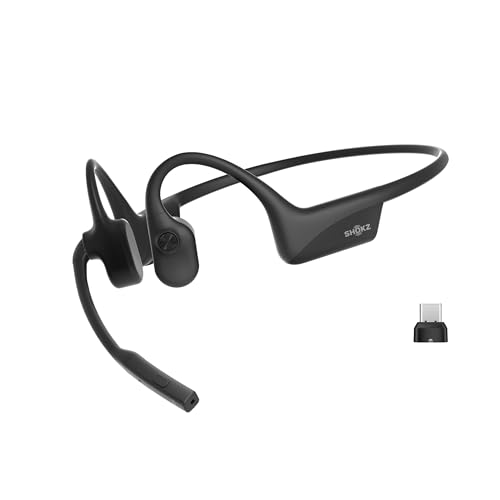
SHOKZ OpenComm2 UC Open-Ear Headset USB-C Dongle

TRAUSI Wireless Earbuds Bluetooth 5.4 IPX7 Waterproof

SHOKZ OpenComm2 UC Open-Ear Headset USB-A Dongle

SHOKZ OpenRun Pro 2 Bone Conduction Sport Headphones Orange

SHOKZ OpenRun Pro 2 Bone Conduction Sport Headphones Silver
Bravego Bluetooth 6.0 Open-Ear Headset Noise-Canceling Microphone

ZORIOXI 29g Air Conduction Headset Dual Device Connection Black

HANJIA Open Ear Headphones with Mic Mute Matte Black

LEVN 29g Trucker Bluetooth Headset Dual Connect Sweatproof
CXK Open Ear Headphones Bluetooth 5.4 23g Lightweight
Inside Each Recommended Option
Bone conduction sends sound through your cheekbones instead of your eardrums, which is why this headset feels so different from anything you’ve worn before. The included USB-C dongle pairs it directly with a computer, so meetings start without fiddling through Bluetooth menus.
At roughly 35 grams with an IP55 water-resistant silicone coating, it’s light enough to forget you’re wearing it through back-to-back video calls. The noise-canceling mic with digital signal processing keeps your voice clean even in a busy home office.
What Works In Its Favor
- Seventh-generation bone conduction delivers clear audio while both ears stay open to your surroundings
- The USB-C dongle creates a direct computer connection, cutting pairing hassles during workdays
- Noise-canceling mic plus DSP helps callers hear you over keyboard clatter or household noise
- The soft silicone finish wipes down easily after long shifts
Things To Consider
- Bass response is naturally thinner than sealed in-ear buds, which some listeners notice with music-heavy playlists
- The dongle occupies a USB port, worth planning around on crowded laptops
Key Specs
Who It Suits Best
Professionals who spend hours daily on calls and need reliable voice pickup without blocking their ears.
A Better Fit Elsewhere
Music-first listeners who want deeper bass should look at the SHOKZ OpenRun Pro 2 below, which adds air conduction drivers.
Where the SHOKZ headset targets desk work, the TRAUSI buds aim squarely at outdoor training. The ergonomic ear hook wraps behind your ear, holding each bud in place through sprints and burpees without pressing into the canal itself.
An IPX7 rating means these survive heavy sweat and rain, a step beyond most office-oriented picks here. Combined with a charging case that extends total listening time dramatically, they’re built for people whose week is measured in miles rather than meetings.
Key Advantages
- IPX7 waterproofing shrugs off downpours and post-workout rinses under a tap
- Ergonomic hooks keep the buds seated during high-movement sessions
- Open design preserves awareness of traffic and training partners
- Case-based charging means you top up between runs instead of hunting for cables
Worth Noting
- Ear hooks add bulk, so they don’t slip into a pocket as neatly as true wireless buds
- Owners commonly report needing to seat the buds properly in the case or charging can be interrupted
The Right Fit
Runners, cyclists, and gym regulars who train outdoors in unpredictable weather.
Swap It Out When
Desk-focused users taking constant calls will get more from the ZORIOXI headset’s dedicated mic and mute controls.
This is the same OpenComm2 UC platform you just read about, shipped with a USB-A dongle instead of USB-C. That single difference matters more than it sounds: plenty of company laptops, docking stations, and older desktop towers still live entirely in the USB-A era.
You get the identical lightweight frame, water-resistant finish, and noise-canceling microphone setup. In our view, choosing between the two comes down purely to which ports your machines actually have.
What Earns Its Place
- USB-A dongle supports legacy hardware many offices still run
- Same bone conduction clarity and open-ear awareness as its sibling
- Featherlight build stays comfortable through marathon meeting days
Small Caveats
- Redundant if every device you own already uses USB-C ports
- Open-ear sound leaks slightly at higher volumes in quiet rooms
Made For
Anyone working from an older PC or corporate laptop without modern USB-C ports.
Reach For A Different Pick When
Newer laptop owners will find the USB-C version of this same SHOKZ headset more convenient.
The OpenRun Pro 2 takes bone conduction and bolsters it with a second driver type. Air conduction pushes bass frequencies through small speakers near your ears, layering low-end warmth onto the crisp highs bone conduction handles well.
That hybrid approach gives you fuller music during long runs, roughly twelve hours per charge by manufacturer figures. The trade-off is a higher price tier than the call-focused headsets elsewhere on this list, but runners logging serious weekly mileage tend to consider it justified.
Real-World Strengths
- Dual drivers blend clear highs with genuine bass depth for motivating workout audio
- Around twelve hours of playback covers multiple training days between charges
- Leak-reduced output keeps podcasts private at moderate volumes
- Open-ear layout maintains road and trail awareness throughout
Points To Note
- Premium pricing puts it above most alternatives here
- At maximum volume, some low-end vibration against the cheekbones is noticeable, a trait common to bone conduction designs
Feature Snapshot
Who Should Grab It
Dedicated runners and cyclists who treat audio quality as part of their training gear.
Not Your Match When
Call-centric shoppers on tighter budgets will find the Bravego headset covers meetings more affordably.
Identical hardware to the orange version above, finished in a quieter silver that suits everyday wear outside workouts too. The distinguishing engineering detail sits in the frame: a nickel-titanium alloy memory wire inside the unibody band.
Ni-Ti alloy flexes and returns to shape, which is why the fit holds steady through head-shaking intervals yet doesn’t pinch during rest. You still get the dual-driver sound signature and twelve-hour battery that define this model.
What Helps Most
- Memory-wire frame resists slips during sprints yet relaxes comfortably at rest
- Weight-optimized unibody design disappears on your head within minutes
- Subtle silver finish transitions from track to coffee shop without shouting
- Leak-reduced listening keeps nearby gym-goers undisturbed at sane volumes
Less Ideal Details
- Same premium cost as its orange twin, so pick by color preference alone
- The band requires occasional wiping where hair products build up along the transducers
The Numbers That Matter
Whose Shelf It Belongs On
Gym members and trail runners who prefer understated styling with race-day performance.
Consider Something Else When
Sweat-soaked outdoor athletes wanting maximum waterproofing may prefer the TRAUSI buds’ IPX7 rating.
Bluetooth 6.0 is the newest version of the wireless standard, bringing steadier connections and lower latency than older chips. This Bravego single-ear headset leans on that foundation for drivers and roving workers who can’t tolerate dropouts mid-call.
The open-ear pad rests beside your canal instead of inside it, avoiding the stuffed-up feeling after hours behind the wheel. One thing worth considering: as a mono unit, it suits calls and directions better than stereo music sessions.
A Few Highlights
- Current-generation Bluetooth 6.0 supports stable links across longer drives
- Noise-canceling mic isolates your voice from cabin and street rumble
- Single-ear format leaves one side fully free for passengers or radio checks
- No canal pressure makes multi-hour wear genuinely easygoing
Practical Considerations
- Mono-only playback disappoints anyone expecting stereo music immersion
- Single-ear units commonly need repositioning when worn with glasses arms
Core Details
Right Fit For
Rideshare drivers, delivery couriers, and field staff living on their phones between stops.
Another Choice May Suit
Office multitaskers juggling two devices will appreciate the LEVN trucker headset’s dual-connect feature further down.
Air conduction, unlike the bone conduction used by SHOKZ, fires sound through tiny outward-facing speakers so nothing touches your skull. The ZORIOXI pairs that gentle delivery with two features desk workers ask for constantly: dual-device connection and a hardware mute button.
Dual-device means the headset stays linked to your laptop and phone simultaneously, so an incoming mobile call cuts in without manual re-pairing. At 29 grams, it sits lighter on the head than most over-ear office headsets ever manage.
Notable Gains
- Dual-device connection lets laptop and phone coexist without re-pairing gymnastics
- One-touch mute silences yourself instantly during interruptions
- 29-gram frame keeps long video-call days pressure-free
- Open-air design doubles for walks and workouts after hours
Details To Watch
- Open speakers leak audio noticeably in silent offices at higher volumes
- Air conduction bass trails sealed earbuds, which audiophiles may find thin
Product Snapshot
Built With In Mind
Hybrid workers bouncing between laptop meetings and personal calls throughout the day.
Look Elsewhere When
Truckers needing rugged sweatproofing will lean toward the LEVN headset’s hardier build.
Some shoppers want exactly two things: a mic that works and a mute button they can trust. The HANJIA strips the category down to those essentials in a matte black shell that won’t clash with anything on your desk.
Keeping ear canals uncovered also means cooler ears during summer commutes, something sealed-bud wearers notice immediately. There’s less spec-sheet flash here than on the SHOKZ models, and the honest read is that simplicity is precisely the appeal.
Positive Takeaways
- Dedicated mic mute gives instant control during unexpected background chaos
- Open-canal design prevents heat buildup on warm days and long shifts
- Matte black finish hides scuffs better than glossier rivals
- Uncomplicated controls mean almost no learning curve
Room For Improvement
- Fewer published specs make detailed comparisons harder than with bigger brands
- Basic accessory bundle compared with case-included earbud sets like the TRAUSI
Who Will Love This
Minimalist remote workers who prioritize a dependable mute over extra features.
Where A Sibling Pick Shines
Anyone wanting richer call-audio engineering gets more from the CXK dual-microphone headset closing this list.
Long-haul drivers put headsets through conditions office gear never sees: cab heat, engine vibration, ten-hour days. The LEVN addresses that reality with a sweatproof build and a frame designed to sit alongside glasses, hats, and even helmet straps.
Dual-connect support keeps a phone and dispatch tablet linked at once, mirroring the ZORIOXI’s trick but wrapped in a tougher exterior. At 29 grams it stays comfortable across shifts that would leave heavier headsets leaving dents.
Reasons It Performs
- Sweatproof construction tolerates hot cabs and humid job sites
- Dual-connect handles phone and second device simultaneously
- Low-profile frame coexists with caps, glasses, and safety helmets
- 29-gram weight suits marathon driving days without sore spots
Factors To Consider
- Work-first tuning favors vocal clarity over musical richness
- Owners commonly report checking the charge before long routes since heavy call use drains batteries faster
Best Suited To
Truckers, warehouse leads, and outdoor crew supervisors who live on calls in rough conditions.
Skip It When
Indoor music listeners seeking refined sound will enjoy the SHOKZ OpenRun Pro 2’s dual-driver audio far more.
Twenty-three grams is the lightest figure on this list, and after a full day you feel the difference. The CXK backs that featherweight build with two microphones working together, filtering ambient noise so your voice arrives cleanly whether you’re gaming, chatting, or dialing into work.
Bluetooth 5.4 keeps latency low enough for online play, a niche none of the earlier picks specifically target. Compared with the HANJIA’s bare-bones approach, this one brings more call-engineering muscle at a similar simplicity level.
Good Reasons To Consider
- Dual microphones cut background noise for clearer conversations anywhere
- 23-gram body makes extended wear nearly unnoticeable
- Bluetooth 5.4 supports responsive gaming and streaming audio
- Open-ear comfort carries through entire workdays
Small Limitations
- Ultra-light frames can shift during vigorous movement, depending on head shape
- Charging contacts benefit from an occasional dry wipe to maintain reliable connection
Quick Facts
Perfect Match For
Students, gamers, and remote workers who forget they’re wearing a headset until someone speaks.
Where Another Pick Suits Better
Outdoor athletes facing rain will favor the TRAUSI’s IPX7 waterproof rating over this indoor-leaning design.
Choosing Between These Headsets Without Regret
Fit And Wear Style First
Decide between single-ear headsets, dual-hook earbuds, and wraparound bands before comparing anything else. Single-ear units suit drivers; hooks suit runners; bands suit long desk days. Wearing the wrong shape for your routine ruins even great sound, so let your daily scenario lead.
Microphone Quality Over Everything Else
Since calls anchor this category, examine mic count and noise handling closely. Dual-microphone arrays like the CXK’s filter more background chatter than single-mic designs. Bone conduction models such as the SHOKZ OpenComm2 add digital processing on top, which matters in noisy homes.
Match Durability To Your Environment
An IPX7-rated bud survives rain and rinse-offs; an IP55 band handles sweat but not submersion. Indoor-only users can ignore ratings entirely and spend their attention on battery life and comfort instead. Outdoor workers should treat water resistance as non-negotiable.
Connection Style Shapes Convenience
Dongle-based headsets pair instantly with computers but occupy a port. Dual-device Bluetooth models hop between phone and laptop automatically, which multitaskers quickly come to depend on. Newer standards like Bluetooth 5.4 and 6.0 bring smoother handoffs and fewer stutters overall.
Key Considerations Across These Picks
Hidden Buying Traps
The most common mistake is buying a music-first open-ear bud for heavy calling, then discovering weak mic pickup. Check that a dedicated microphone exists before committing. Another trap: assuming all open-ear designs are waterproof. Ratings differ widely, from splash-tolerant IP55 to swim-ready IPX7, so verify rather than guess.
The Upgrade Payoff
Higher-tier models earn their cost through driver engineering and materials. The SHOKZ OpenRun Pro 2’s dual-driver system produces bass that budget air-conduction units physically can’t match, while its memory-wire frame outlasts rigid plastic bands. Pay up for daily heavy use; stay modest for occasional calls.
Frequently Asked Questions
Do open ear headphones leak sound to people nearby?
Some leakage happens at higher volumes since nothing seals the ear. Premium models like the OpenRun Pro 2 reduce it noticeably at conversational levels.
Can I wear these with glasses or a hat?
Yes, though bulk varies by design. Slim single-ear headsets and lightweight bands like the LEVN coexist with eyewear far more easily than bulky over-ear cups.
Is bone conduction better than air conduction?
Neither wins outright. Bone conduction excels at awareness and call clarity, while air conduction often delivers warmer music. Your primary use decides.
Will a microphone pick up my voice in windy conditions?
Wind challenges every exposed mic. Noise-canceling and DSP-equipped models cope best, though very strong wind degrades any open-microphone design.
How long do batteries typically last?
It ranges widely across this list, from single-shift endurance to the TRAUSI’s case-assisted multi-day totals. Match battery claims to your longest typical usage day.
Closing Remarks
Your ideal pick depends less on rankings and more on where your day happens. Desk-bound professionals should start with the SHOKZ OpenComm2 UC, runners with the OpenRun Pro 2, and drivers with the Bravego or LEVN. Whichever direction you go, choosing an open-ear design means keeping your ears, and your conversations, open to the world around you.
