


Great headphones change how you hear music you already know. This list covers ten over-ear options built for people who care about detail, comfort during long sessions, and gear that earns its desk space. Some are studio workhorses, some are luxury statements, and a couple will surprise you at friendlier prices.
How The Shortlist Stacks Up

beyerdynamic DT 990 PRO Studio Headphones (250 Ohm, Black)
FiiO FT1 32Ω Dynamic Driver Headphones with Wood Cups
Sennheiser HD 660S2 Open-Back Headphones (Premium Black)

Sennheiser HD 560 S Audiophile Headphones (Renewed)
Sennheiser HD 560S Wired Audiophile Headphones
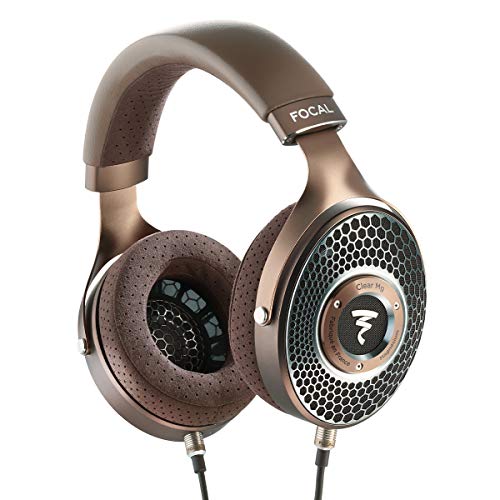
Focal Clear MG High-Fidelity Open-Back Headphones
Sennheiser HD 505 Studio Headphones (Copper Edition)

Sennheiser HD 820 Closed Reference Headphones

Yealink BH78 Noise Cancelling Bluetooth Headset

Audeze LCD-2 Planar Magnetic Headphones (Padauk Wood)
A Closer Look At Each Pick
The DT 990 PRO has outlived plenty of trendier rivals for good reason. Its open-back design lets sound breathe outward instead of bouncing off sealed cups, which gives mixes a wide, natural stage that closed headphones struggle to match. The 250-ohm impedance matters too: it wants an interface or headphone amp with real drive behind it, so laptop jacks leave it sounding thin.
In practice this is the pair you reach for when editing a podcast at midnight or checking a mix for the tenth time. The velour-style ear pads stay comfortable through hours of work, and they’re replaceable, which keeps a well-loved unit alive for years. The trade-off is leakage; anyone nearby will hear your session.
Everyday Wins
- Open-back construction delivers a spacious, natural presentation that makes long editing sessions less fatiguing.
- Replaceable circumaural pads mean you can refresh comfort rather than replace the whole headset.
- 250-ohm design pairs cleanly with pro audio interfaces for accurate monitoring levels.
- Owners commonly report these surviving years of daily studio handling without creaks or failures.
Things To Consider
- Needs an amplifier or quality interface; phone and laptop outputs often underdrive it.
- Open backs leak sound both ways, so quiet offices and shared rooms become awkward.
Who It Suits Best
Home studio producers, mixing engineers, and critical listeners who already own an amp or audio interface.
Reach For A Different Pick When
If you want similar clarity without hunting for amplification, the FiiO FT1’s low-impedance design runs happily from ordinary sources.
FiiO built the FT1 around solid wood cups, and that choice shows up in the sound. Wood damps resonance differently than plastic, giving vocals and acoustic instruments a warmer, more organic character. The 32-ohm rating means it plays nicely with phones, dongles, and laptops, no amp required.
You may find it the easiest entry point on this whole list. Where the beyerdynamic demands supporting gear, the FT1 just plugs in and sounds settled. For a first serious pair, or a second pair for casual evenings, it’s hard to argue with.
What Stands Out
- Solid wood earcups lend a natural, resonant warmth that flatters acoustic and vocal-heavy material.
- Low 32-ohm impedance drives easily from phones and laptops without extra equipment.
- Large dynamic drivers deliver full-bodied sound that punches above its price bracket.
Small Caveats
- Wood finishes vary slightly from unit to unit, so expect minor grain differences.
- Warmth-forward tuning may feel soft next to the Sennheiser HD 560S’s more neutral balance.
Made For
Newcomers to serious listening who want genuine hi-fi character without buying an amplifier first.
Swap It Out When
Studio monitoring and mix translation matter more than tonal charm; the beyerdynamic DT 990 PRO handles that role better.
The HD 660S2 answers the classic complaint about Sennheiser’s 600-series: not enough bass. An ultra-light aluminum voice coil and 42mm transducers extend the low end noticeably deeper while keeping those famous detailed highs intact. The result is a signature that feels complete rather than lean.
Compared with the HD 560S later in this list, the 660S2 sits a tier up in refinement, especially in how smoothly voices sit in the mix. Long sessions stay comfortable thanks to generous padding, and it handles music, podcasts, and gaming without complaint. It does reward better sources, though, so budget some attention for what feeds it.
Real Benefits
- Deep sub-bass extension fills out genres where thinner open-backs sound hollow.
- Aluminum voice coils keep transients quick, so busy tracks never smear.
- Comfortable enough for marathon listening, gaming, or podcast binges.
- Versatile across PC use, streaming, and dedicated two-channel setups.
Points To Note
- Premium positioning means you’ll get more from it with a decent DAC or amp in the chain.
- Open-back design, like every other open pick here, keeps private listening off the table.
The Right Fit
Enthusiasts upgrading from entry-level open-backs who crave fuller bass without losing Sennheiser’s midrange magic.
Another Choice May Suit
Tighter budgets still get authentic audiophile performance from the renewed Sennheiser HD 560 S further down this list.
This is the HD 560S as a professionally inspected refurbished unit, restored to look and function like new. Same neutral frequency response, same E.A.R. driver angling that widens the sound field, same detachable cable. What changes is the price of admission, and that’s the entire appeal.
The honest read: refurbished headphones carry a little risk cosmetics won’t be flawless, even when function checks out. For a first step into reference-grade listening, though, few doors open this affordably. Everything else about the experience matches the new-unit review below.
Useful Touches
- Neutral response reveals recordings exactly as mixed, warts included.
- E.A.R. technology tilts drivers toward your ears for a wider perceived stage.
- Detachable cable protects against the most common failure point in wired headphones.
- Refurbished pricing puts reference tuning within reach of tight budgets.
Less Ideal Details
- Cosmetic condition varies between units since these are pre-owned returns.
- Open cups leak audio, ruling out commutes and shared living spaces.
Who Will Love This
Students and first-time audiophiles who prioritize accurate sound over unboxing something brand new.
Look Elsewhere When
Peace of mind matters most; the new Sennheiser HD 560S removes any refurbishment questions entirely.
Where the FiiO FT1 charms and the HD 660S2 luxuriates, the HD 560S simply tells the truth. Its polymer-blend transducer membrane aims for lifelike depth and realism, letting each recording show its own character instead of imposing one. That honesty is why reviewers keep recommending it as a reference starting point.
The E.A.R. (ergonomic acoustic refinement) design angles each driver to match the natural position of your ears, which widens the stage without artificial processing. Low-end reach is present and satisfying rather than exaggerated. Daily driving duties, from morning playlists to late-night sessions, suit it perfectly.
The Helpful Details
- Reference-accurate tuning trains your ears and translates mixes reliably.
- Angled drivers create convincing width and instrument placement.
- Extended but controlled bass keeps low-end detail audible, not boomy.
- Lightweight build stays comfortable across multi-hour stretches.
Things To Weigh Up
- No detachable-cable flexibility means a damaged cord ends the party; handle it gently.
- Listeners craving warmth may find the presentation cool compared with wood-cupped rivals.
Whose Shelf It Belongs On
Critical listeners and aspiring mixers who want one honest pair for everything.
Consider Something Else When
Gaming and casual versatility top your list; the Sennheiser HD 505 offers a friendlier, more forgiving flavor.
Focal’s Clear MG centers on an M-shaped magnesium dome driver, a material chosen because it’s feather-light yet highly damped. Translation: dynamics hit hard, micro-detail surfaces everywhere, and the overall balance stays neutral instead of colored. It’s the kind of engineering you hear within seconds of pressing play.
Against the Sennheiser HD 660S2’s smooth warmth, the Clear MG feels more immediate and physical, almost like moving closer to the stage. Build quality matches the ambition with elegant metalwork throughout. This is a serious investment, so it earns its keep only if your source chain can keep pace.
Where It Delivers
- Magnesium domes deliver startling dynamic swings and fine detail simultaneously.
- Neutral, balanced signature suits nearly every genre without fatigue.
- Elegant, premium construction looks as considered as it sounds.
Trade Offs
- Demanding price assumes a matching amplifier investment.
- Some owners note the headband padding compresses over years of heavy use.
Key Specs
Right Fit For
Committed enthusiasts with quality amplification who want flagship dynamics at home.
Not Your Match When
Portability or isolation drives the decision; the closed Sennheiser HD 820 serves those needs instead.
The HD 505 splits the difference between studio accuracy and everyday likability. An advanced laminate diaphragm keeps highs crisp and bass controlled, while the open-back housing adds natural airiness that makes games and films feel bigger than the room. The copper-accented finish doesn’t hurt either.
Think of it as the approachable sibling of the stricter HD 560S reviewed earlier. Students juggling lectures, gaming, and playlists get one headset covering all three without compromise fatigue. You may find its forgiving tuning hides flaws in compressed streams, which is exactly what casual listeners want.
Strong Points
- Laminate diaphragm balances crisp treble with tidy, non-boomy bass.
- Spacious open-back presentation enhances gaming and film immersion.
- Comfortable enough for study marathons and workdays alike.
- Striking copper styling stands apart from plain black competitors.
Room For Improvement
- Forgiving tuning smooths over detail that analytical listeners may miss.
- Like all open designs here, sound escapes into the room freely.
Who Should Grab It
Students, casual gamers, and newcomers wanting one versatile, comfortable wired pair.
Where A Sibling Pick Shines
Analytical listeners comparing mixes should stick with the more neutral Sennheiser HD 560S.
Every other open-back on this list leaks sound; the HD 820 exists to solve that problem without sacrificing transparency. Ring radiator drivers sit behind curved glass reflectors that redirect energy away from your ears, tricking closed cups into behaving surprisingly openly. It’s clever physics you can hear.
This is the pick for apartment dwellers and night owls who share walls. The included balanced cable signals its flagship intent, and the two-year manufacturer coverage adds practical reassurance at this level. Fair warning: opinions on its tonal balance divide enthusiasts, so audition expectations accordingly.
The Practical Payoff
- Closed earcups contain sound, keeping households and neighbors undisturbed.
- Glass reflector technology preserves openness rarely found in sealed designs.
- Balanced cable included for high-end source compatibility.
Potential Sticking Points
- Signature divides opinion; some find it darker than open-back rivals.
- Flagship pricing places it firmly in enthusiast territory.
Built With In Mind
Reference listeners in shared spaces who refuse to give up openness for isolation.
Skip It When
Value drives the purchase; the FiiO FT1 delivers genuine enjoyment at a fraction of the outlay.
Not every over-ear purchase is about music. The Yealink BH78 targets remote workers whose real enemy is background noise on calls. Adaptive cancellation automatically adjusts depth to your surroundings, blocking up to 98% of ambient distractions, while a four-microphone array with wind suppression keeps your voice clean on the other end.
Comfort gets genuine engineering attention here: breathable leatherette cups and a ten-position adjustable headband support full workdays. Wireless freedom means pacing during long meetings. Compared with every wired pick above, it trades ultimate fidelity for productivity, and for many desks that’s the right trade.
Where It Helps
- Adaptive noise cancellation tunes itself to changing environments automatically.
- Four-mic array with AI processing suppresses wind and background chatter.
- Replaceable leatherette cups extend usable life significantly.
- Ten-position headband accommodates different head sizes comfortably.
Worth Noting
- Wireless convenience comes at the cost of battery management routines.
- Call-focused tuning won’t satisfy critical music listening the way wired picks do.
Quick Facts
Who It’s Really For
Remote professionals taking frequent calls in unpredictable home environments.
A Better Fit Elsewhere
Music-first listeners should choose the Sennheiser HD 660S2 for dramatically richer playback quality.
The LCD-2 uses planar magnetic drivers, meaning a thin diaphragm suspended between magnets rather than a conventional cone. The payoff is midrange realism that dynamic drivers chase but rarely match, wrapped in gorgeous padauk wood rings that make every other headphone on your shelf look ordinary.
Sound leans warm and engaging, pulling you physically into recordings rather than observing them from distance. Years of refinement have polished the formula without diluting its character. They’re heavy, though, and they demand amplification, so plan your setup before committing. As a statement piece that also performs, nothing else here competes quite the same way.
Noteworthy Benefits
- Patented planar magnetic drivers produce lifelike, spacious midrange reproduction.
- Warm, physical presentation deepens emotional connection with familiar albums.
- Padauk wood earcups double as functional art in any listening space.
- Ongoing refinements mean current units benefit from years of iteration.
Details To Watch
- Heftier than dynamic rivals; neck fatigue is possible during very long sessions.
- Requires capable amplification to perform as designed.
The Ideal Owner
Dedicated hobbyists with amps and shelves ready for a reference-grade, heirloom-quality pair.
When Another Pick Fits Better
Lightweight comfort takes priority; the Sennheiser HD 560S disappears on your head by comparison.
What Matters Most Before Choosing Over Ear Audiophile Headphones
Open Versus Closed Backs
Open-back cups vent sound outward, creating wider staging but leaking audio to everyone nearby. Closed designs trap sound inside, trading some spaciousness for privacy. Your living situation decides this faster than any spec sheet will.
Impedance And Amplification
Impedance measures how much electrical resistance a driver presents. High-ohm models like the beyerdynamic need dedicated amps, while 32-ohm options run from anything. Match the headphone to the gear you actually own.
Driver Technology
Dynamic drivers dominate affordability, magnesium domes add speed, and planar magnetic designs deliver unmatched midrange texture. Each approach colors music differently, so let favorite genres guide the choice.
Comfort For Real Sessions
Replaceable pads, clamping force, and total weight determine whether hour three feels pleasant or punishing. Serious listeners should weigh these factors as heavily as sound quality itself.
Key Considerations Across These Picks
Pitfalls Shoppers Hit
The biggest mistake is buying high-impedance headphones without amplification, then wondering why everything sounds flat. Another common slip: choosing open-backs for commuting, discovering the leakage problem immediately. Check your source gear first, always.
Why Top Tier Costs More
Higher prices buy exotic materials, tighter manufacturing tolerances, and refined tuning developed over decades. Magnesium domes, planar magnetics, and hand-finished wood don’t come cheap. The upgrade pays off mainly once your source chain deserves it.
Frequently Asked Questions
Do audiophile headphones need a separate amplifier?
High-impedance models generally do, since phones and laptops lack the power to drive them properly. Lower-impedance designs around 32 ohms play fine from everyday devices.
What does open-back mean in practice?
The earcups have perforated housings that let air and sound pass through freely. You gain a wider, more natural stage but lose privacy entirely.
Are refurbished headphones worth considering?
Professionally inspected units offer genuine savings with minimal functional risk. Cosmetic wear varies, so temper expectations about pristine finishes.
Can one pair handle music, gaming, and calls?
Versatile models like the Sennheiser HD 505 cover all three reasonably well. Dedicated picks simply do each job better.
How long do quality over-ear headphones last?
Well-built pairs routinely serve five to ten years with basic care. Replaceable pads and cables extend that lifespan considerably.
Bottom Line
Your ideal pick depends less on rankings and more on honest self-assessment. Amp-less beginners should start with the FiiO FT1, studio-bound producers belong with the beyerdynamic, and committed enthusiasts will find their match among the Sennheiser flagships, the Focal Clear MG, or the Audeze LCD-2. Whatever you choose, give your ears time to adjust before judging. Great sound reveals itself slowly, and that patience is half the pleasure.
