


A tight headband ruins a good pair of headphones faster than bad sound does. Anyone who wears glasses or has a larger noggin knows the ache that builds after an hour of clamping pressure. This roundup gathers nine over-ear models chosen with generous adjustability and roomy cups in mind, spanning budget wired classics to long-battery wireless picks, so you can find one that disappears on your head instead of squeezing it.
The Leading Options At A Glance
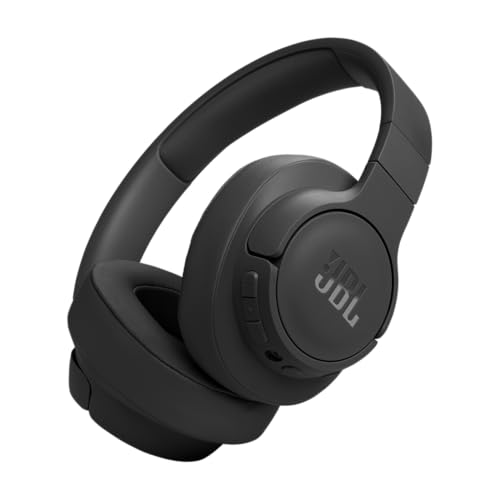
JBL Tune 770NC Wireless Over-Ear Headphones (Black)
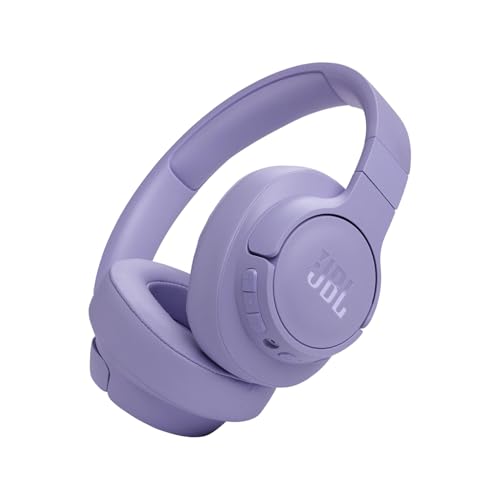
JBL TUNE 770NC Adaptive Noise Cancelling Wireless Over-Ear (Purple)

JVC HARX900 High-Grade Full-Size Headphone

Skullcandy Hesh 360 Wireless Bluetooth Headphones

MMWOWARTS Hybrid Active Noise Cancelling Wireless Headphones

OneOdio A70 Bluetooth Hi-Res DJ Studio Headphones – RG

OneOdio A70 Bluetooth Hi-Res DJ Studio Headphones – Silver

OneOdio A70 Bluetooth Hi-Res DJ Studio Headphones – SB

MMWOWARTS Hybrid Noise Cancelling Over Ear Headphones
A Breakdown Of The Leading Choices
Battery anxiety is the quiet killer of wireless headphones, and this JBL sidesteps it entirely. The claimed runtime stretches to roughly 70 hours, which means charging once a week even for heavy daily commuters, and a short top-up session buys you hours more when you do plug in.
The adaptive noise cancelling adjusts to your surroundings rather than running at one fixed level, so it handles office chatter and train rumble without making everything sound muffled. For larger heads, the adjustable band and over-ear cups leave breathing room that tighter designs don’t.
Strengths Worth Knowing
- Roughly 70 hours of playback means most people charge weekly, not nightly
- Adaptive noise cancelling tunes itself to changing environments like buses and open offices
- JBL’s bass-forward tuning suits podcasts and pop alike without sounding harsh
- Over-ear cups sit around the ear instead of pressing on it, kinder to bigger heads and glasses wearers
Things To Consider
- Plastic construction keeps weight down but owners commonly report it feels less premium than metal rivals
- No wired backup listed, so a dead battery means silence until you recharge
Key Specs
Who It Suits Best
Daily commuters and remote workers who want set-it-and-forget-it battery life with active noise control.
Where A Sibling Pick Shines
Studio users needing wired reliability should look at the OneOdio A70, which switches between Bluetooth and cable modes.
This is the purple take on the Tune 770NC covered above, and the differences go beyond color. You get Smart Ambient mode layered onto the adaptive cancelling, which pipes outside sound through when you need to hear an announcement or a coworker without yanking the headphones off.
Bluetooth 5.3 brings steadier pairing with newer phones, and the lightweight, foldable frame collapses into a bag-friendly shape. Frequent flyers will appreciate that the same 70-hour battery claim applies here, enough to cover a round trip plus the hotel nights around it.
What Helps Most
- Smart Ambient lets conversation in without removing the headphones
- Foldable hinges make packing simple for carry-on bags and backpacks
- Bluetooth 5.3 supports stable connections with current devices
- Speed charge rescues forgotten-charger situations quickly
Points To Note
- Availability has fluctuated, so checking stock before committing is wise
- The bold purple finish won’t suit everyone’s taste at work
Feature Card
Made For
Travelers who want expressive color, ambient awareness, and a folding frame that survives being crammed into luggage.
Skip It When
If you’d rather keep things understated, the black JBL Tune 770NC delivers the same core experience in a quieter finish.
No batteries, no apps, no pairing screens. The HARX900 is a wired full-size headphone built around big 50mm neodymium drivers, which are magnets strong enough to move a large diaphragm precisely, and that translates into deep bass you feel as much as hear.
Its wide 7Hz to 26,000Hz frequency response reaches below what most ears catch, giving music real floor-shaking weight. Full-size housings tend to suit bigger heads naturally since nothing clamps hard, and the included quarter-inch adapter connects straight to amps and audio interfaces.
The Practical Payoff
- 50mm neodymium drivers push bass that smaller drivers simply can’t reproduce
- 64-ohm impedance pairs well with home amps and desktop gear
- High 1500mW input tolerance means you can drive it loud without worry
- Quarter-inch jack adapter included for studio equipment
- Wired design never needs charging
Small Caveats
- The cable ties you to your source, awkward on commutes
- At 106dB sensitivity it reveals noisy sources, so clean files matter
- Older styling lacks modern conveniences like inline controls
Quick Facts
Right Fit For
Desk-bound listeners with an amp or receiver who want maximum sound per dollar and zero battery fuss.
Reach For A Different Pick When
Commuters should grab the Skullcandy Hesh 360 instead, since its wireless freedom matters far more away from a desk.
Skullcandy built the Hesh 360 around a simple idea: comfort first, fuss second. The fit runs loose and easy rather than clamped, which larger heads tend to welcome during eight-hour workdays, and the True Black finish stays subtle in any setting.
The companion app is where it earns its keep. You can reshape the EQ curve to taste and dial Stay-Aware levels up or down, effectively deciding how much of the world bleeds through. Compared with the JBL Tune 770NC’s adaptive approach, this is manual control versus automation, and some listeners genuinely prefer the former.
A Strong Showing
- App-based EQ customization lets you tune bass and treble yourself
- Stay-Aware levels adjust how much ambient sound comes through
- Relaxed fit works well for extended wear sessions
Less Ideal Details
- Manual EQ takes a few minutes to dial in before it sounds right
- Ear pads collect oils over time and benefit from occasional wiping
Who Will Love This
All-day wearers, students especially, who want a relaxed clamp and hands-on sound control without spending much.
Consider Something Else When
Listeners wanting automatic noise adaptation will find the MMWOWARTS hybrid model handles suppression without app fiddling.
Hybrid active noise cancelling uses microphones inside and outside each cup to cancel a wider range of rumble, and this pair brings that tech down to an accessible level. For anyone buying their first ANC headphones, it covers the essentials without a flagship price tag.
The memory foam ear cups spread pressure gently across larger ears, and the adjustable band extends enough that most reviewers with bigger heads report a secure hold. In a busy kitchen or open-plan office, the combination of soft padding and noise reduction makes long sessions noticeably easier on your head.
Noteworthy Benefits
- Hybrid ANC targets low-frequency drone like engines and HVAC hum
- Memory foam cups minimize hot spots during marathon sessions
- Adjustable headband accommodates a broad range of head sizes
- Lightweight ergonomic shape suits work, travel, and lounging equally
Trade Offs
- Foam pads compress over months and may eventually need replacing
- ANC performance sits a tier below premium brands in very loud spaces
- Fewer documented specs make deep comparisons harder
Who Should Grab It
First-time ANC shoppers and students who want comfortable isolation for study halls and shared apartments.
Another Choice May Suit
Anyone needing verified high-res audio credentials would be better served by the OneOdio A70’s studio-oriented design.
DJs live in a weird spot: they want wireless convenience for casual listening but demand a wired connection behind the decks, because latency kills beatmatching. The A70 solves both with a dual-mode design, running roughly 72 hours wirelessly or plugging straight into a mixer with the included cables.
The custom aluminum fascia houses 40mm neodymium drivers tuned for hi-res detail, so cymbals and vocal layers separate cleanly. Studio categories like this also tend toward roomier cups and forgiving bands, a genuine plus for larger heads during long mixing blocks.
A Few Strong Suits
- Dual wired and wireless modes mean the headphones never die mid-session
- Aluminum fascia adds rigidity where plastic headphones flex and crack
- Hi-res tuning resolves fine detail for critical listening
- Two included cables cover mixer and device connections
What To Weigh
- Studio tuning favors accuracy over the bass-heavy fun some casual listeners expect
- Swapping cables at gigs is one more thing to remember
The Numbers That Matter
Built With In Mind
Working DJs, bedroom producers, and podcast editors who bounce between wireless listening and wired mixing.
Swap It Out When
Commuters with no studio ambitions will find the JBL Tune 770NC lighter and better suited to pure listening.
Same engineering as the red-gray A70 above, dressed in silver. Everything that matters carries over: the 40mm neodymium drivers, the aluminum fascia plates, the dual Bluetooth-and-wired operation, and the generous 72-hour wireless runtime.
The silver finish reads more at-home in a bright studio or office than darker colorways, which is honestly why many people choose it. Home recordists tracking vocals at midnight will appreciate that wired mode never introduces Bluetooth lag, while the wireless side handles casual listening between takes.
Why It Works Well
- Identical hi-res driver setup delivers detailed, balanced sound
- 72-hour wireless runtime outlasts most competing studio hybrids
- Silver finish blends into professional environments
- Wired mode eliminates latency for recording and monitoring
Details To Watch
- Shared design means the same snug-on-small-heads caveat applies in reverse: verify band extension fits yours
- Color availability can be inconsistent
Whose Shelf It Belongs On
Home studio owners and content creators who want studio-grade sound with a clean, neutral look.
Look Elsewhere When
Shoppers chasing the lowest entry cost should compare the JVC HARX900, a simpler wired option with serious bass.
Third colorway, third chance to grab the A70 formula. The dark SB finish hides scuffs best of the three, which matters if these live in a gig bag between shows.
You still get the aluminum-faced 40mm drivers, the 72-hour battery, and the never-power-off trick of plugging in a cable when the battery dies mid-set. For budget-conscious studio users, that wired fallback alone justifies the pick over purely wireless rivals, since a dead battery never ends a session early.
A Favorable Mix
- Wired fallback guarantees audio even with an empty battery
- Scratch-hiding dark finish suits frequent transport
- Full 72-hour wireless spec matches its siblings
Potential Sticking Points
- Carrying spare cables adds bulk to your kit
- Same neutral tuning may underwhelm bass-first listeners
- Plastic headband sections warrant gentle handling despite the metal fascias
Core Details
Who Should Grab It
Gigging musicians and frugal home producers who value function over flash and want a dependable hybrid.
Where Another Pick Suits Better
Listeners prioritizing plush cushioning over studio accuracy may prefer the MMWOWARTS hybrid’s memory foam focus.
Portability is this model’s calling card. The foldable hinge collapses the whole thing small enough to vanish into a shoulder bag, and durable plastic construction shrugs off daily bag abuse that would scuff fancier finishes.
Ultra-soft foam cups flex around larger ears rather than pressing against them, and the flexible earcup joints adapt to odd head shapes, which is exactly what bigger-headed listeners need from a travel pair. Hybrid noise cancelling rounds out the package for flights and loud cafés.
What Stands Out
- Folds flat enough for cramped bags and overhead bins
- Flexible cup joints conform to varied head shapes without pinching
- Hybrid active cancelling tames engine drone on planes
Worth Bearing In Mind
- Folding joints are the likeliest wear point, so avoid forcing them past resistance
- Lightweight build trades some heft for a less substantial feel
The Right Fit
Minimalist travelers and students who pack light yet refuse to compromise on ear-room and noise reduction.
Not Your Match When
Homebound listeners who never travel should favor the JVC HARX900, whose wired simplicity costs less and sounds bigger.
What Matters Before Choosing Over Ear Headphones For Big Heads
Band Extension And Clamp Force
The single biggest factor for larger heads is how far the headband slides and how softly it grips. A band that maxes out too soon leaves the cups hovering half off your ears, wrecking both sound and comfort. Look for models advertising wide adjustability, and remember that lighter clamp force usually beats a vice grip for sessions longer than an hour.
Cup Depth And Cushion Material
Deep cups let your entire ear sit inside without touching the driver cover, which matters doubly for glasses wearers whose temple arms need clearance. Memory foam distributes pressure evenly, while firmer foam tends to create hot spots. Thicker padding also helps the cups seal properly around bigger ears, preserving bass response.
Weight And Balance
Every extra ounce presses harder the longer you wear it. Lightweight plastics keep strain down during workdays, though metal accents add durability where it counts. Balanced weight across the band prevents one pressure point from doing all the work.
Battery Versus Wired Reliability
Wireless freedom suits commuters, but a wired fallback is gold for studio work and dead-battery emergencies. Dual-mode designs like the OneOdio A70 cover both worlds, which is why they appear three times on this list.
Key Considerations Across These Picks
Traps First Timers Fall Into
Shoppers often buy on looks and ignore headband travel range entirely, then discover the fit problem within a week. Another common slip is assuming every over-ear cup is deep; shallow cups press directly on larger ears. Always check stated adjustability features before committing.
What Separates Premium From Basic
Higher-tier models spend money on driver quality, adaptive noise processing, and materials like aluminum that survive years of folding. Paying more pays off mainly for daily heavy users; occasional listeners get plenty from the budget options here.
Frequently Asked Questions
Do over-ear headphones actually fit big heads better?
Yes, because the cups surround the ear rather than pressing on it. Combined with an extendable band, they distribute pressure more evenly than on-ear styles.
How much headband adjustment is enough?
Enough that the cups rest fully over your ears with slack remaining. Models advertising wide size ranges generally accommodate larger heads safely.
Are wired headphones worse for big heads?
Not inherently. Wired models like the JVC HARX900 often skip aggressive clamping since they’re designed for stationary listening.
Does noise cancelling affect comfort?
It can indirectly. Effective ANC lets you listen at lower volumes, which reduces listening fatigue over long sessions.
How often should ear pads be replaced?
Foam pads typically compress after a year or two of regular use. Wiping them monthly with a damp cloth extends their life considerably.
Bottom Line
Finding headphones for a larger head comes down to honest numbers: band extension range, cup depth, and total weight. Any of the nine here respects those basics, whether you lean toward the JBL Tune 770NC’s marathon battery, the OneOdio A70’s dual-mode flexibility, or the JVC HARX900’s old-school wired punch. Match the model to your routine and your head will thank you every single day.
