


Anyone who wears glasses knows the ache: a stiff headband pressing your frames into your temples an hour into a commute. The right headphones change that entirely, with softer pads, lighter clamping force, or designs that skip your ears altogether. Below you’ll find nine options built around real listening days, from budget on-ears to long-haul noise cancelling over-ear models, so your glasses and your playlist can finally coexist.
A Side-By-Side Look
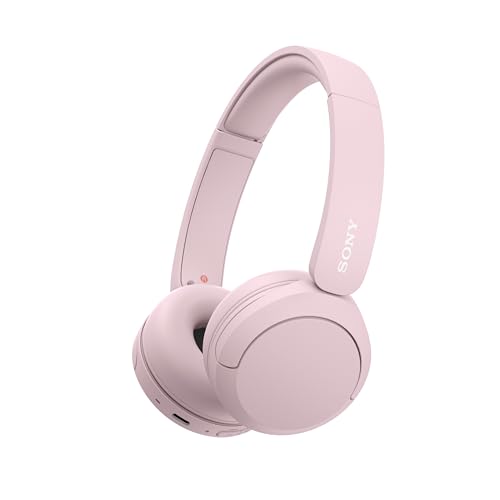
Sony WH-CH520 Wireless On-Ear Headphones (Pink)

Sony WH-CH520 Wireless On-Ear Headphones (White)

Sony WH-CH520 Wireless On-Ear Headphones, Butter Yellow

Mehomeli Kid Air Conduction Open Ear Headphones
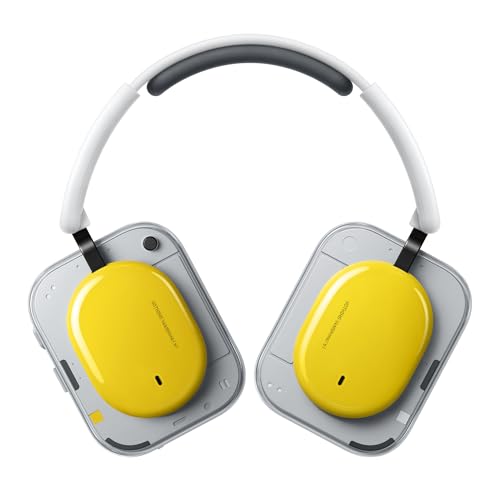
Nothing Headphone (a) Adaptive ANC Over Ear (Yellow)

JBL Live 770NC Wireless Over-Ear Headphones (Black)

JBL Live 770NC Wireless Over-Ear Headphones (Blue)

JBL Live 770NC Wireless Over-Ear Headphones (White)
bmani Hybrid ANC Headphones 120H Playtime (Black)
More On The Choices That Made The List
On-ear designs sit on the ear rather than sealing around it, which is exactly why they tend to treat glasses kindly. There’s no cup squeezing your temple arms into your skin, and this Sony keeps its weight low enough that most people forget it’s there during a study session.
The headline number here is battery life of up to 50 hours, and a three-minute top-up buys roughly an hour and a half of playback when you’re rushing out the door. Charging runs over USB Type-C, with the cable included in the box.
Useful Strengths
- Up to 50 hours per charge means weeks of typical commuting without hunting for an outlet
- On-ear fit avoids the temple squeeze that makes over-ear cups uncomfortable with glasses
- A 3-minute quick charge delivers about 1.5 hours of listening in a pinch
- Built-in mic handles calls without reaching for your phone
- USB-C charging matches the cable already in your bag
Things To Consider
- On-ear pads press directly on the pinna, so owners commonly report warm ears after several hours in summer
- No active noise cancelling, so loud trains still come through
Key Specs
Who It Suits Best
Students and commuters who want dependable wireless sound, a built-in mic, and a price that leaves room in the budget.
Where Another Pick Suits Better
Listeners who need serious quiet on flights will get far more from the JBL Live 770NC’s adaptive noise cancelling.
Same headphone as the pink version above, different personality. The white finish reads clean and understated, and it hides less in a bright room than darker sets do, which some people love and others find high-maintenance.
Everything that matters for glasses wearers carries over: a light on-ear chassis, up to 50 hours between charges, quick charging over USB-C, and a microphone for hands-free calls. In our view, this is the colorway to choose when the headphones live at a desk rather than in a backpack.
Bright Spots
- Identical 50-hour battery ceiling to its siblings, enough for multi-day trips unplugged
- Crisp white shell looks tidy in home office and studio settings
- Quick charge support covers those mornings you forgot the cable
Worth Noting
- Light-colored earpads and headband show makeup, hair product, and grime faster than black versions, so expect occasional wipe-downs
Made For
Glasses-wearing remote workers and podcast listeners who want one affordable set that lives happily on a desk all week.
Consider Something Else When
Households with kids should look instead at the Mehomeli open-ear pair, which keeps little ears free and aware of their surroundings.
Butter yellow is the rare colorway that photographs well and still looks cheerful six months later. Functionally nothing changes from the pink and white versions already covered, so the decision here is purely aesthetic, and honestly that’s fine.
You still get the gentle on-ear contact that spares glasses wearers the temple pinch, plus the same long battery ceiling and USB-C convenience. One thing worth considering: bold colors like this tend to sell through unevenly, so availability can swing depending on the season.
Notable Upsides
- Distinctive butter-yellow finish that stands out in a sea of black headbands
- All the shared WH-CH520 strengths: roughly 50 hours of playback, quick charging, and an integrated mic
- Light on-ear pressure works well alongside thin and thick frame arms alike
Trade Offs
- Colored plastics can show scuffs more visibly than matte black once tossed into bags regularly
Right Fit For
Students and creative types who treat headphones as part of the outfit and want comfort that doesn’t fight their frames.
Look Elsewhere When
Serious commuters who want ambient awareness on busy streets are better served by the JBL Live 770NC’s Smart Ambient mode.
This is the odd one out on the list, and deliberately so. Air conduction means the speakers sit near the ear without covering it, directing audio inward while leaving the canal open. For a child who wears glasses, that removes the conflict entirely: no pad touches the frame, no band presses the hinge.
The design also keeps kids aware of traffic, teachers, and parents, which matters on school runs and train platforms. It connects through a standard 3.5mm jack, so it plugs into tablets, laptops, and classroom devices without batteries or pairing fuss.
Positive Points
- Open-ear layout means zero contact between the headphone and glasses temples
- Kids stay audible-aware of announcements, cars, and conversation while listening
- Universal 3.5mm plug works with nearly every school and household device
- No charging routine to manage, which parents will appreciate
Small Caveats
- Open designs leak sound outward, so seatmates on a bus will hear what’s playing
- Wired only, meaning no cordless freedom and occasional cable tangles in backpacks
Who Will Love This
Parents shopping for a bespectacled child who needs safe, aware listening during homework, travel, or screen time.
A Better Fit Elsewhere
Teens wanting wireless freedom would suit the Sony WH-CH520 better, since it adds Bluetooth and a huge battery for similar everyday use.
Nothing’s entry into full-size cans arrives with a spec sheet that reads like a flagship wishlist. Adaptive active noise cancelling adjusts itself to your surroundings, LDAC supports hi-res wireless audio for compatible sources, and five HD microphones handle calls and voice pickup. Battery life is quoted at up to 135 hours, which borders on absurd in the best way.
For glasses wearers, the appeal is adjustability: physical tactile buttons let you control media without fumbling, and over-ear cups give you room to fine-tune clamp until your frames sit comfortably. The yellow finish is unmistakably Nothing, translucent-adjacent styling and all.
What Pays Off
- Up to 135 hours of playtime, effectively weeks of commutes per charge
- LDAC hi-res codec delivers noticeably richer detail on supported phones
- Adaptive ANC tunes cancellation to changing environments automatically
- Tactile buttons make volume and track control effortless without looking
- Five HD mics keep calls clear even in windier outdoor settings
Honest Caveats
- App-based features add setup steps that simpler headphones skip entirely
- The bass-forward tuning via app may overwhelm listeners who prefer a flatter signature
At A Glance
The Right Fit
Gadget lovers and frequent travelers who want flagship-grade features without flagship pricing, and don’t mind an app in the loop.
Reach For A Different Pick When
Shoppers after a no-frills wired option for kids will find the Mehomeli open-ear set far simpler to live with.
JBL’s Signature Sound tuning leans warm and punchy, and the Live 770NC wraps it in one of the friendliest headbands in this roundup. The fabric-covered band distributes weight evenly, which is precisely the kind of design that stops a glasses arm from digging in during hour three of a workday.
True Adaptive Noise Cancelling reacts to your environment continuously, while Smart Ambient lets conversation through without lifting the cups off your ears. Battery life reaches up to 65 hours with the cancelling off, and a carrying pouch comes included for desk-drawer storage.
Useful Highlights
- Fabric headband spreads pressure across a wider area, easing hotspots where frames rest
- Smart Ambient lets you hear colleagues or station announcements without removing the headphones
- Up to 65 hours of battery covers a full workweek and then some
- Included pouch protects the earcups between uses
Points To Note
- Fabric bands collect dust and lint over time and need an occasional brush-down compared with smooth plastic
- Over-ear clamping force may feel snug at first until the padding relaxes
Quick Facts
Built With In Mind
Office workers and students who wear glasses through eight-hour days and want cancelling power without a vice-like grip.
Another Choice May Suit
Budget-first shoppers will find the Sony WH-CH520 covers casual listening at a friendlier cost, minus the noise cancelling.
The deep blue variant of the Live 770NC brings the same hardware as the black model reviewed above, so consider this a color decision layered onto an already strong platform. Everything glasses-friendly remains intact: the soft fabric headband, moderate clamp, and roomy over-ear cups that leave breathing space around frame arms.
Where this colorway earns its spot is visibility. A blue headset is easier to spot in a dark backpack or under a plane seat than black, and it picks up fewer visible fingerprints than the white version.
A Strong Showing
- Same 65-hour battery ceiling and adaptive cancelling as its siblings
- Blue finish strikes a middle ground between stealthy black and high-maintenance white
- Smart Ambient mode shines for transit riders who need announcement awareness
Minor Gripes
- Owners commonly report the touch controls take a week or two of muscle memory before mis-taps stop happening
Whose Shelf It Belongs On
Daily rail and bus commuters with glasses who want one versatile pair for podcasts, calls, and noisy platforms alike.
Not Your Match When
Listeners chasing maximum runtime above all else should weigh the bmani hybrid ANC set and its 120-hour figure instead.
Third verse, same song: the white Live 770NC matches its black and blue siblings feature for feature, including the 65-hour battery, True Adaptive Noise Cancelling, and the travel pouch tucked into the box. That pouch matters more than it sounds, because white earcups living loose in luggage pick up scuffs fast.
For glasses wearers heading through airports, the combination of a forgiving fabric band and adjustable over-ear cups gives you genuine leeway to reposition the fit around your frames mid-flight. The honest read is that this colorway rewards owners who store it carefully.
Where It Helps
- Carrying pouch keeps the white finish protected in overhead bins and tote bags
- Adaptive cancelling quiets engine drone without constant manual adjustment
- Long-haul battery means one charge spans multiple flight days
- Fabric band stays comfortable across long sitting sessions
Potential Drawbacks
- White surfaces show denim transfer and grime quickly, so plan on periodic gentle cleaning of the pads and band
Perfect Match For
Frequent flyers and hotel-room remote workers who value a bright, easy-to-spot design and don’t mind light upkeep.
Skip It When
Low-maintenance listeners should grab the black Live 770NC variant instead, since it hides everyday wear far better.
bmani competes on endurance and call quality rather than brand cachet. A four-stage hybrid ANC system uses multiple microphones to sample ambient noise and cancel it within milliseconds, with the maker citing reductions up to 45dB. Translation: cabin rumble and office chatter drop away dramatically, though results vary by environment.
The quoted 120-hour playtime dwarfs most rivals here, and six ENC HD call mics work to isolate your voice on windy sidewalks. Compared with the JBL Live 770NC, you trade a fabric headband for raw numbers, which suits shift workers and long-distance travelers just fine.
Noteworthy Benefits
- Up to 120 hours of playtime, roughly double the JBL’s figure
- Hybrid ANC with a claimed 45dB maximum reduction tackles low-frequency drone well
- Six ENC mics sharpen voice clarity for calls in noisy surroundings
- 360° spatial audio adds width to movies and games on supported content
What To Weigh
- Lesser-known brand support means firmware updates and spare parts may be harder to source than with Sony or JBL
- Plastic build feels less premium in hand than pricier rivals, based on widely reported owner impressions
Core Details
Who Should Grab It
Night-shift nurses, long-haul travelers, and anyone whose charging discipline is questionable but whose listening hours are enormous.
Swap It Out When
Listeners who prioritize refined build and established support networks will feel more at home with the Nothing Headphone (a).
Choosing Headphones When You Wear Glasses Every Day
Clamp Force Comes First
Clamp force is how tightly the earcups squeeze your head, and it’s the single biggest comfort factor for glasses wearers. Strong clamping pushes frame temples into your skin, creating sore spots within an hour. Look for adjustable sliders and memory foam pads, and remember that leatherette pads soften slightly over the first few weeks of ownership.
Pad Material And Contact Points
The material touching your face matters almost as much as the pressure. Plush velour and thick foam spread weight gently, while thin pleather on a rigid frame concentrates force exactly where your glasses sit. On-ear designs sidestep the issue differently by resting on the outer ear, though they trade isolation for that relief.
Weight And Balance
A heavier headphone isn’t automatically worse, but poor weight distribution is. Well-balanced designs carry mass across the top of the head rather than hanging it on the earcups, which keeps frame arms from bearing load. Under 250 grams is generally comfortable territory for all-day sessions.
Features Worth The Money
Noise cancelling, multipoint pairing, and long batteries all earn their place once comfort is settled. Decide which environment you’ll use them in most, then pay for the features that match it rather than the longest spec sheet on the page.
Key Considerations Across These Picks
Traps First Timers Fall Into
The classic mistake is buying for specs alone and ignoring clamp force, then wondering why your temples ache by lunchtime. Another common slip: assuming bigger earcups mean more comfort, when shallow pads pressing against glasses hinges cause the actual problem. Read owner feedback mentioning eyewear specifically before committing.
Why Top Tier Costs More
Premium models spend their budget on adaptive processing, hi-res codecs like LDAC, and denser padding materials. Those upgrades translate into quieter cabins, richer detail, and softer contact points that matter most to glasses wearers. Casual listeners gain little from the extra spend; heavy users notice the difference daily.
Frequently Asked Questions
Are over-ear or on-ear headphones better with glasses?
Over-ear cups usually win because they surround the ear instead of pressing on it, leaving room for frame arms. On-ear models can still work well when their padding is thick and clamping force is gentle.
Do noise cancelling headphones hurt more when wearing glasses?
They can, since a tighter seal improves cancellation and that seal often means more pressure. Adjustable headbands and plush pads reduce the soreness considerably over long sessions.
How long does it take to break in new headphones?
Most pads soften noticeably within one to two weeks of regular use. Wearing them in short sessions at first helps the foam conform to your head shape.
Can kids’ headphones work for children who wear glasses?
Open-ear and air conduction designs avoid the problem entirely by leaving the ear uncovered. That makes them a smart starting point for young glasses wearers.
Is battery life or comfort more important?
Comfort wins every time, because an uncomfortable headphone goes unused regardless of runtime. Choose a fit that disappears on your head, then compare battery figures among the comfortable options.
Closing Thoughts
Glasses shouldn’t dictate your listening habits, and none of these nine options ask them to. Start with fit, confirm the features match your routine, and the right pair will fade into the background the way good gear always does. Your frames and your playlists can share the same ears without complaint.
